Today’s millennial travellers are spoilt for choice. Thanks to OTAs and other bespoke travel services, there is a multitude of different travel activities that can cater to their individual tastes that can be purchased at their fingertips. According to a report by Skift, 81% of consumers are willing to switch brand loyalties for a more personalised experience. Thus, the competition to capture the attention of the next generation of travellers is heating up.
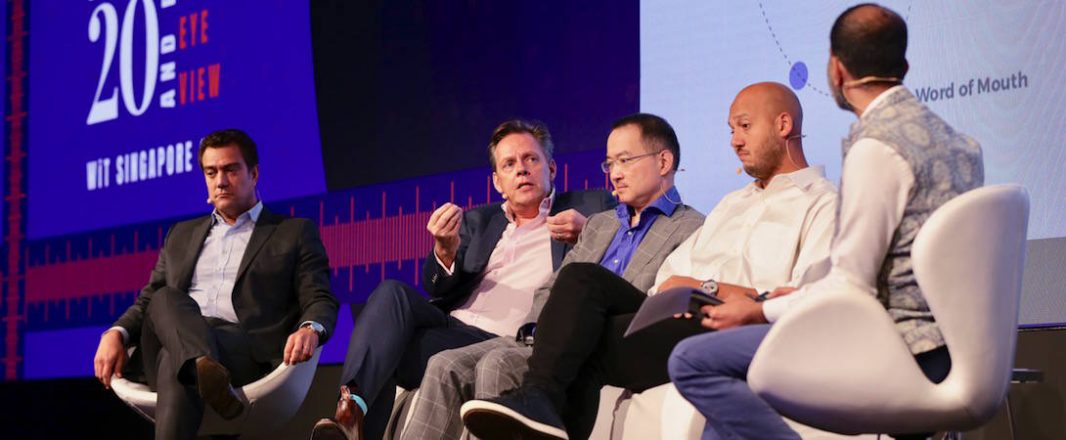
In a panel moderated by Puneet Mahindroo, Managing Director, Hotelivate, four panellists from the hospitality industry sat down to discuss how OTAs and travel brands can work together to deliver greater value and experiences to their customers, increase brand loyalty and improve profit margins.
The panellists were:
- Pierre Charles Grob, CEO, D-EDGE Hospitality Solutions;
- Henrik Berglind, Vice President of Loyalty & Guest Experience, Asia Pacific Accor;
- Colman Ho, Vice President of Group Marketing, Century City Holdings;
- Brandon Meyers, Chief Revenue Officer, Adara
There is an intense battle going on for customer acquisition. Today’s travel customers expect brands to deliver exceptional experiences for them. “Customers have oversized expectations for brands,” said Meyers.
For hoteliers, it is no longer sufficient to provide clean and hygienic experiences for their guests, they need to step up and offer more benefits in order to build customer loyalty, Berglind explained.
The hospitality industry would do well to learn from other industries, like the e-commerce sector, said Ho. Leading e-commerce players in China such as Alibaba require customers to register as a member first before making a purchase. So, before a customer even makes their first purchase, they are already a member of the brand’s ecosystem, where the brand can then push deals, promotions and other initiatives.
Building personalised services
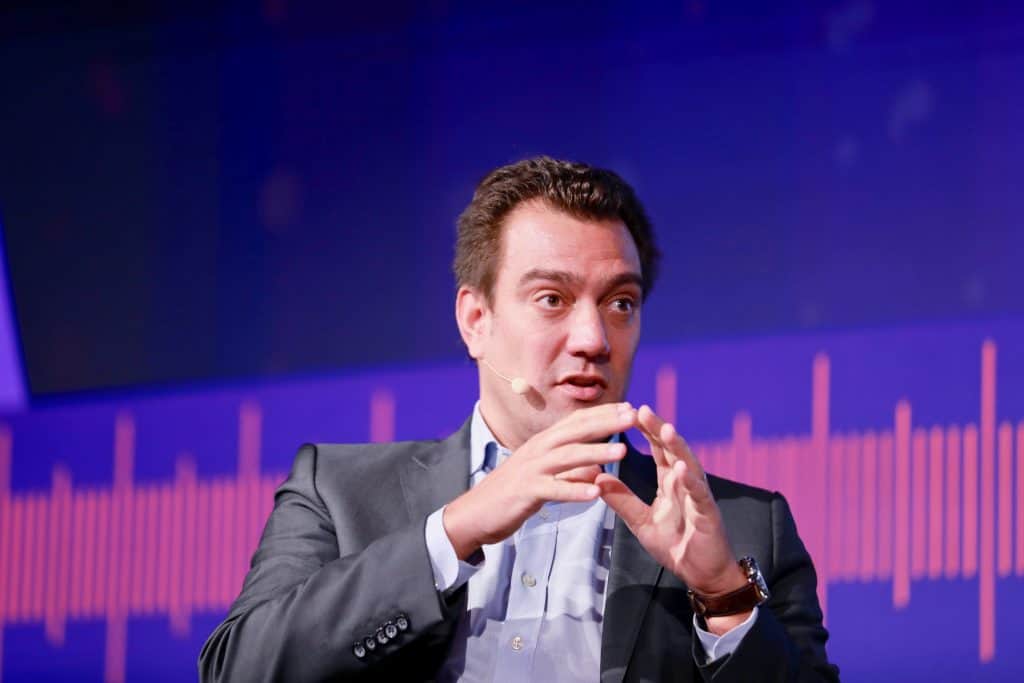
Travel brands need to diligently analyse the needs of different segments of their customer base in order to engage with them effectively. One way they can do this is by employing a localisation strategy. Grob said that consumers in different markets desire different benefits. For example, consumers in Asia view promotions as an important factor in their purchasing decisions.
Personalising experiences based on individual customer preferences would also be critical. “By collecting customer preferences, with consent, we are able to deliver the same experience when you stay at another brand of hotel [under the same company]. That’s when you get the ‘wow’ effect,” said Berglind.
Travel brands should also look at partnering beyond traditional hospitality players to bring additional value to their customers. They can think about building a whole ecosystem of ancillary lifestyle products such as entertainment, mobility, payments, tours and activities, food delivery, and more, Berglind.
Helping brands adopt technology
Besides personalised services, customers expect simplicity and immediacy. So how can brands adopt and integrate technology across the board to effectively improve their services and leverage the right channels to acquire customers?
“The hotel manager’s job is to run an effective and engaging property … You have to give [platforms] to brands and hotels and their staff [that] make it easier for them to deliver better customer experiences,” said Berglind. “It is a cultural change,” he added.
The data that these platforms collect also have to be utilised in a meaningful way. According to a Deloitte study, 2.5b GB of data has collected in the travel industry but only 0.5% is being used.
“We need to train machines to deliver better information to humans. It has to be easier for platforms to give prompts so that they can start more engaging conversations with their customers and deliver them in a genuine way,” said Berglind.
“Most hotels need to equip themselves with CRMs. They need to know the cost of customer acquisition. Using the CRM, the hotels will know how much to spend on each customer acquisition channel and connect with different travel players, in order to maximise the net revenue of the hotel,” said Grob.
“You have to find the right channel to convey your message across effectively. You can’t use all channels. Measuring the effectiveness is important,” said Ho.
Ultimately, there has to be a distinction to what technology can deliver and what humans can.
Meyer said that for humans, it is about building the right culture to deliver authentic and personalised customer experiences, as opposed to building a set of clearly-defined rules, which apply only to machines.
“You can’t expect a machine to do a human’s role and you can’t expect a human to do a machine’s role,” said Ho.
This way, brands can design seamless loyalty programmes, give a more predictive and personalised customer experience, enabling them to increase profitability and increase market performance.