
The 86-room hotel, due to open August, has been pursued by several marketing and reservations companies but in the end, “after all the analysis,” said managing director Oh Chee Eng (pictured second from right, next to general manager Anthony O’Neill), “we chose WORLDHOTELS because they had the best fit with us.”
Between January and April this year, WORLDHOTELS’ Asia Pacific sales offices generated 29% more room nights over the same period a year ago, and increased revenues into its Asia Pacific hotels by 57% over the same period last year.
According to the company which held a media briefing yesterday to celebrate its 40th anniversary, corporate travel has seen a strong rebound, as has sales through Online Travel Agencies. Markets which showed strong growth included Korea, India, Hong Kong, Australia and Japan.
CEO Rob Hornman (extreme left), who made a flying visit through Singapore before heading off to Shanghai to attend a hotel investment conference, said this was a pivotal year for companies such as WORLDHOTELS which allowed independent hotels to have the same access to global distribution and resources as branded properties.
He said he had seen a growing trend in hotel owners shedding management contracts with brands to go with companies such as WORLDHOTELS.
In Asia Pacific, he pointed to two examples – the two former Conrad Jupiters hotels in Gold Coast and Brisbane, owned by TabCorp Hotels, which are now part of WORLDHOTELS.
“This is the best advertising that we can have. A lot of owners feel they are not getting the necessary return on investment and are questioning their partnerships,” said Hornman.
Roland Jegge (extreme right), vice president Asia Pacific, said each year there were typically five to six such switches in his region. The Hotel Metropolitan in Tokyo, now WORLDHOTELS, was branded an InterContinental.
“The good thing about such switches is that these hotels are already used to working with multi-distribution channels and have the right mindset to make use of all the resources we have.”
WORLDHOTELS has about 450 hotels worldwide and recently crossed the 100,000-room mark following the signing of two hotels, Aria and Vdara, in Las Vegas. “We went from 96,000 to 100,000 last night,” said Hornman.
He noted that Asia Pacific, where it has about 90 hotels, was seeing the strongest pick-up in business after the tough days of 2009.
He said that despite the unfolding Greek economic crisis, European hotels were also seeing pick-ups in occupancies. “We are having difficulty placing business again. There are now shorter lead times for group business and in many cities in Europe, there is such a high demand that we cannot place the business.”
WORLDHOTELS is also rolling out Travel Select, a new booking engine for small and medium sized hotels, which will give business travellers from SMEs access to preferred corporate rates.
Also being rolled out is Resmaster, a new booking engine powered by TRUST, its sister company.
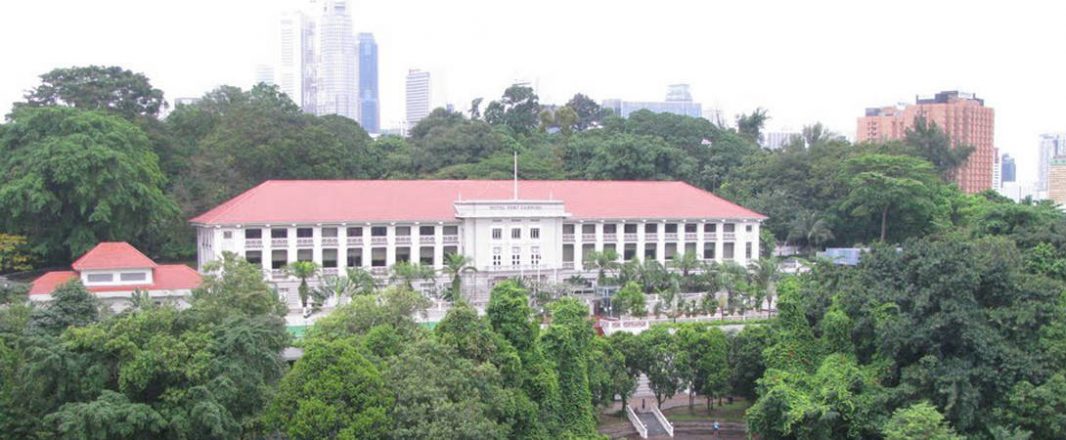
 Meanwhile, Oh said Hotel Fort Canning, the planning of which has taken more than two years, was being developed at a cost of S$60 million.
Hotel Fort Canning is being developed alongside The Legends Fort Canning Park, billed as the only town club in Singapore.
The company had been exploring redevelopment options for a few years. Oh said clubs had lost their appeal in recent years. “Most condominiums in Singapore now have facilities that are better than most clubs. One of the Cs has dropped out of the five Cs, coveted by Singaporeans,” he quipped.
Hence the decision taken to build a boutique heritage hotel on the site. “We felt there was a niche in the market for such a property,” he said.
The Legends will continue to operate but the company will reduce membership allotments to 3,000 from the 10,000 it was originally allowed to have, said Oh.
On the hotel, which is being designed by DPA Architects, he said, “We want to keep its sense of uniqueness, its sense of heritage and who else can say they have a hotel in the park in Singapore?”
Featured image credit: http://www.panoramio.com