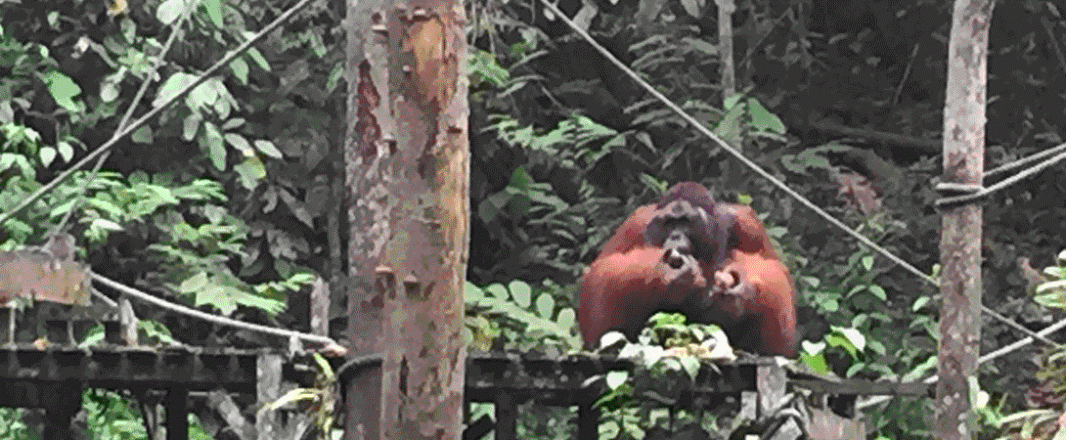
Richie is a 27-year-old orang utan living in the Semenggoh Wildlife Reserve of Sarawak. Philip Yong, CEO of Borneo Adventure, found him living in a cage as a baby, paid to free him and now he’s hanging out at the sanctuary, which rehabilitates apes and returns them to the wild.
Obviously Richie is enjoying his life too much to leave. Everyday he comes out to feed and delights his human audiences who come from all over the world to watch him and the 26 other apes who reside here.
You hear him before you see him. The rustling of the trees and leaves, then you see him swinging from the vines to land on the platform. I love the way he de-husks the coconut with ease, breaks it by cracking it on the platform and pours the juice into his mouth.
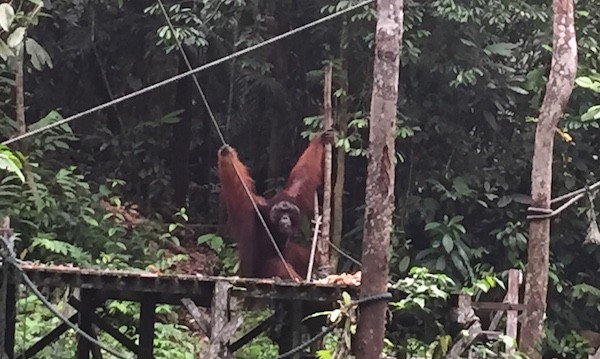
Richie, the swinger
I’ve been to similar reserves, watched apes feed and play, adopted a couple of them and they never cease to fascinate me – their likeness to us, their childlike behavior, their love for play and cuddles – but Richie is more real to me because I learnt about his story from Philip.
His transition from baby-ape-in-cage to star-attraction was not easy, nor straightforward – but it seems to be as happy a tale as it gets in the story of man vs nature.
The story of Richie is what enriches travel experiences for me. It’s not just about standing on a platform, watching him eat and taking photos and videos of him but to learn about him, his life and the bigger story of the great apes and their fight for survival in the rainforests that are being destroyed and burnt – and if we complain about the haze that’s been shrouding us in South-east Asia for months, what about the apes and all creatures, great and small, whose home is the outdoors?
I am in Kuching on a weekend retreat after wrapping up the WIT Conference. Our theme was “Reboot” and here are several ideas I walked away with, that need rebooting in our industry.
• The last 10 years was about distribution; the next 10 will be about content and story-telling.
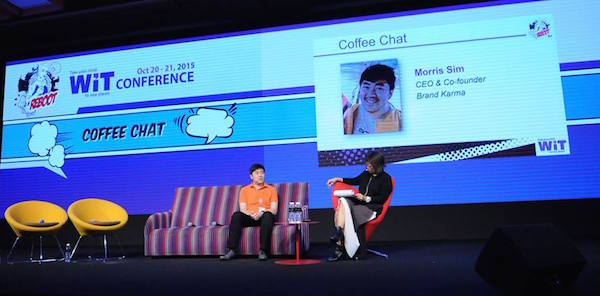
Brand Karma, the story teller.
Morris Sim, CEO and co-founder, Brand Karma, whose company is rebooting itself into a storyteller, using virtual reality, says it’s time to take content to a new level, whether through technology or story-telling. We need to share our stories with our customers in a much more powerful and personal way so that it engages hearts and minds, not just wallets.
• The next big thing in travel is not travel.
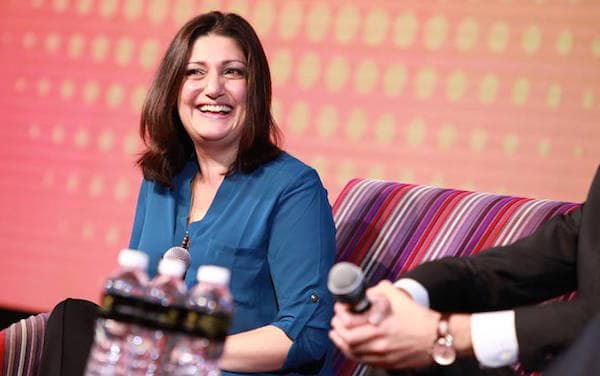
Miriam Moscovici, BCD Travel.
Miriam Moscovici of BCD Travel asked whether travel management companies could also help customers manage their non-travel tools such as video-conferencing assets? That some results could be achieved by not travelling? This idea also applies to events. To me, the events industry is not about events but communications, not just about the physical brick-and-mortar, but also about the full spectrum of content, communication and community.
• New customers become more expensive to acquire, attention will shift towards more loyal, traditional intermediaries.
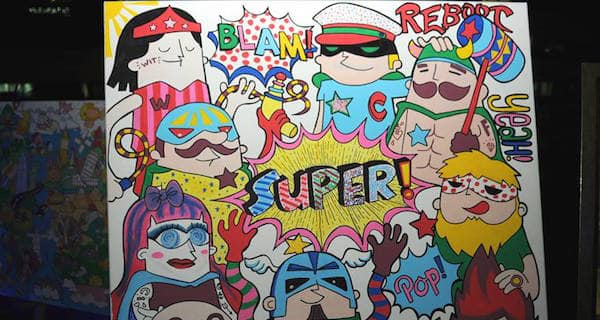
Power to the travellers with technology.
Perhaps a self-serving statement from those who empower intermediaries but intermediaries need to make that come true for themselves. Prove your value and relevance. Mobile and more affordable, scalable technology may be the opportunity that allows traditional players to catch up. William Newley, of MG Group, Panorama Group, believes not just in traveller power but also in travel agency power with technology as the enabler.
• Meta-searches have become marketplaces as they go beyond price-comparison to full booking sites.
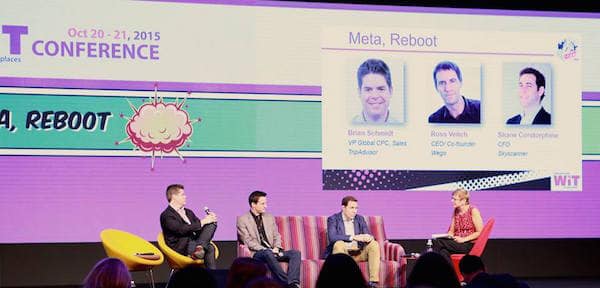
Metasearch panel at WIT 2015.
These companies play at the top of the funnel so why not capture the bottom end – transactions as well? And they seem to be doing a better job at building consumer-facing brands than OTAs.
• OTAs are not standing still, they are extending.
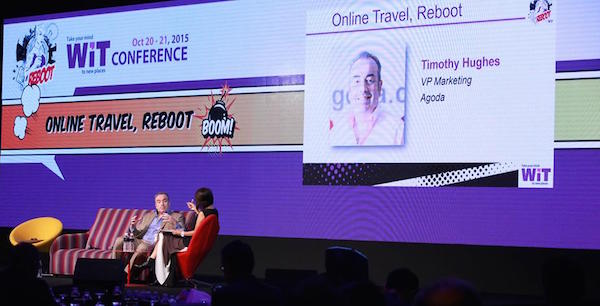
Agoda’s Timothy Hughes on online travel with WIT’s Yeoh Siew Hoon.
Beyond hotels, they are extending to vacation rentals, restaurants, tours and activities, B2B solutions for independent hotels. The food chain is growing longer and longer – and food is the next battleground. After all, we eat more than we sleep.
• Hotel brands are not standing still – they are having “why not” moments.
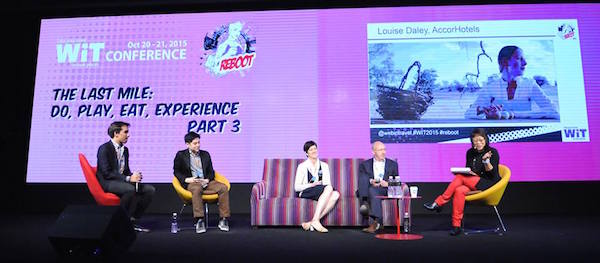
AccorHotels wants to be the “dolphins” swimming with the sharks.
Why not our own marketplace – Accor Marketplace, a platform for their hotels as well as independents? Romain Rolleau, SVP digital & e-commerce, AccorHotels, says they want to be the “dolphins”, swimming with the sharks. The marketplace is being rolled out in 365 selected destinations with a focus on Asia.
And why not our own restaurant “OTA” – Accor is rolling out TablePlus, which will have up to 80 restaurants, first Accor-hotel outlets, then independent restaurants. In Asia Pacific, f&b accounts for US$1.5 billion of revenues for Accor, says Louise Daley, EVP, Accor Hotels – the thinking, let’s grab control of that before we lose control of it as we did with rooms.
• Monsters are innovating.
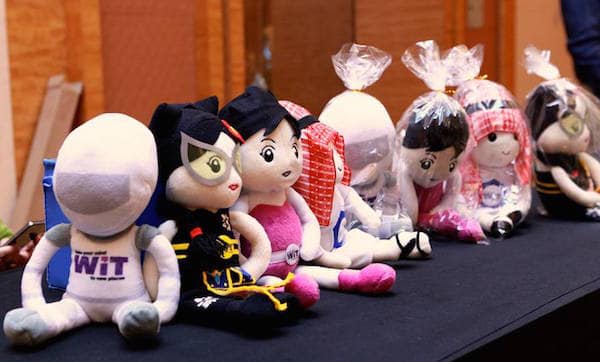
Monsters on the rise.
Rakuten Travel sees itself as a “matching” service, matching customers with hotels by using data science. As a result, customer satisfaction is high and reviews positive. And Rakuten bought tours and activities site, Voyagin, “to remind us that travel is fun,” said Takanobu Yamamoto, who runs Rakuten Travel.
Alitrip is creating a travel eco-system within Alibaba – imagine, Alipay handles over 120 million transactions daily, of which mobile accounts for more than half. Imagine, Alitrip handled 50 million travellers last year. Size matters in China but then Alitrip is also up against another giant, Ctrip, which is a travel specialist. Horizontal vs vertical? Who’ll win?
• Disrupt yourself or be disrupted.
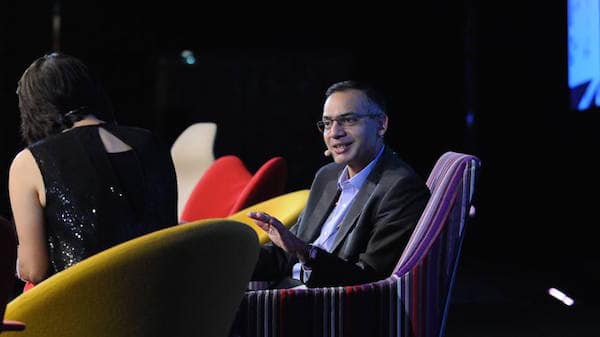
Deep Kalra: Indians are taking to ecommerce like ducks to water.
Fifteen years after founding MakeMyTrip, Deep Kalra recognises this universal truth. Mobile is the next wave, disruption will come from external companies and so he’s investing in new companies like Mygola and HolidayIQ with more to come. Indians are taking to ecommerce like ducks to water – buying expensive motorcycles on Snapdeal. “On these sites, it’s all about price,” said Kalra.
• Growth vs profit – the story is changing.
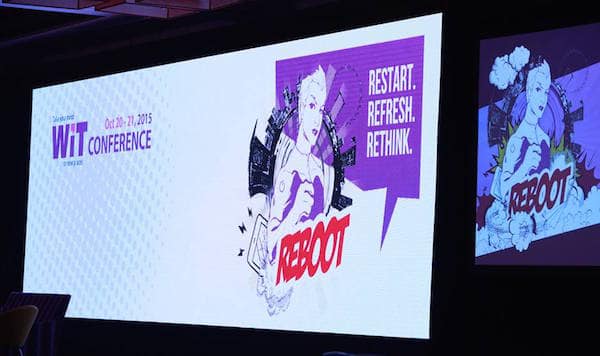
Time to reboot for start-ups.
For the past few years, the story of start-ups was growth at any price, never mind the profit. But now with the weakening economy, investors say this model is unsustainable and they want to see profit take precedence. How will this impact companies who’ve been pouring in millions into customer acquisition and spending on unprofitable growth?
• Tours and activities may not be a unicorn story but it can be a healthy, profitable business with good margins.
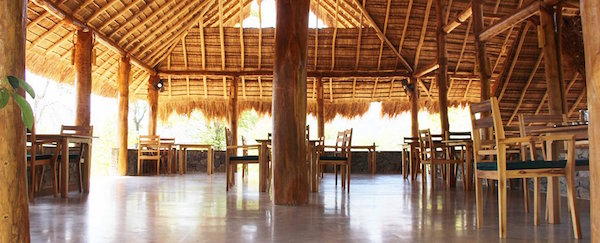
The all-bamboo Gal Oya Lodge. (Image credit: The Gal Oya Lodge)
These marketplaces of clicks are a critical link between passionate creators of special experiences and travellers who buy online and they need to make it easier for suppliers to differentiate and inspire online. The Gal Oya Lodge in Sri Lanka or an all-bamboo, adult-only private island called Cempedak cannot be summed up in a price tag.
They need to make it possible that more travellers can learn about Richie before they get to Sarawak.
Travel is entering a new phase. Technology, social change and economic shifts are converging to reboot our industry. It is also rebooting our region.
Asia is no longer just a region of imitators, but innovators. It is no longer just a market that is aspirational, but inspirational. That was for me the biggest takeaway from WIT 2015. That’s my reboot.