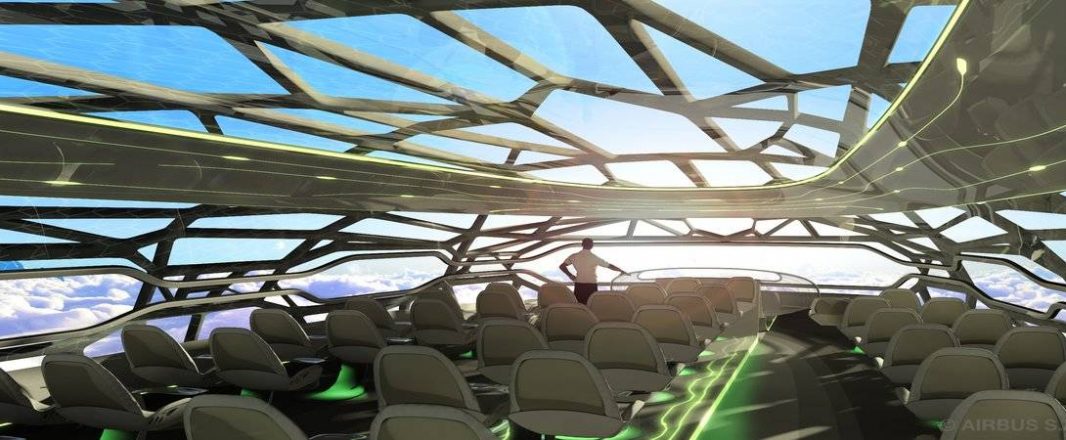
The report details this shift where service-users become partners rather than customers, and where context is as important as the transaction. And at the heart of this new era of collaboration is a set of discrete “enabling” technologies and innovations.
This collaboration will also help reduce the stress, uncertainty and chaos that are present today, due partly to the onset of mass tourism.
Drivers of this travel collaboration and change in the next decade include augmented reality, gamification, intelligent passenger records, long-range biometrics and the rise of the wellbeing agenda.
The report also challenges the travel industry to overcome the uncertainty and stress of modern-day travel, through the application of new technologies and innovations.
Report’s key findings (Download full copy of report)
- The next generation of experience: Travel is increasingly about depth rather than breadth of experience. Technologies, such as augmented reality, gamification mechanisms and smart mobile devices will transform the travel experience
- Automatic transit: Checking-in could become the exception rather than the norm with the rise of faster and more efficient identity management systems. Chips, biometrics, long range fingerprinting and near field communications (NFC) can be deployed in a more integrated way to fast-forward how people move around
- Payment with memory: All data on payments made before and during a trip will be integrated, acting as a digital memory of expenditure and activity for individuals, groups and travel industry operators. Intelligent passenger records, ‘digital breadcrumbs’ and contactless technologies could be used to personalise and bundle services delivering higher value and more profitable relationships
- Intelligent recommendation: As technologies make it easier for people to tag and review all aspects of travel experiences, travellers will be more influenced by peer groups and expert curators. The prospect of personal travel guides and mobile tour representatives will give travellers the tools they need to enrich their experience
- Taking the stress out of travel:The wellbeing agenda and changing demographics will place greater emphasis on removing travel stress. Intelligent luggage tags and tickets will give greater reassurance whilst m-Health (mobile-Health) applications will allow travellers to manage and monitor their health and wellbeing as if they were at home
- The business tourist: Continued emphasis on work-life balance and wellbeing at work may see the rise of the business tourist which will demand speed and efficiency as well as a home-away-from-home.
.gif)
Eberhard Haag, Amadeus executive vice president, global operations (pictured right), said over the next decade there would be a significant opportunity to redefine how the industry delivers and packages services to meet changing traveller needs.
“Key to this is more intelligent information exchange, a willingness to challenge the status quo and greater two-way partnership between travellers and travel players.”
Andrew Curry, The Futures Company’s director and co-author of the report, hopes the report would l challenge, provoke and stimulate thinking around how we will all be travelling in the future.”
• The infographic below highlights stages in the travel experience and technologies essential for the future development of a collaborative travel industry. Click here to open the full infographic where you can share the frustrations and expectations you feel identified with.