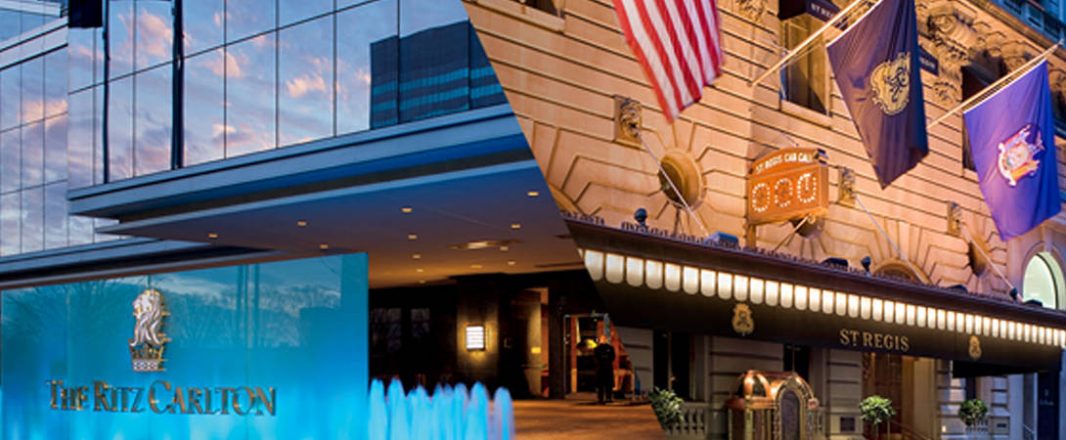
Marriott’s acquisition of Starwood will change the hotel industry significantly, says Carlson Wagonlit Travel (CWT) and urges travel buyers to think about the implications and plan how it will change their travel programmes.
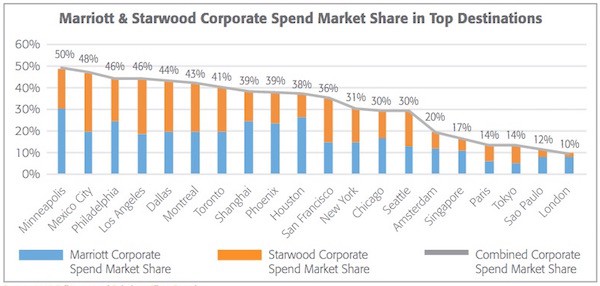
In its latest white paper the company stated that in 14 of the world’s top 20 cities, the new hotel group will have nearly a third of the corporate travel hotel spend, rising to half in some places. Also, CWT’s analysis suggests Marriott, more than any other chain, has chosen not to take part in corporate travel RFP (request for proposal) processes.
Scott Brennan, CWT EVP and head of global supplier management, said while consolidation in the hotel industry was not new the Marriott/Starwood tie-up would likely change the way corporate travel is bought and sold.
“The implications are potentially huge. We think the new Marriott/Starwood group is going to have a lot of say in the market, which could alter the way corporate rooms are bought and sold. We don’t yet know the full impact and because the new group won’t be finalized in time for the negotiations this year, we won’t know until the 2017 negotiating season in September next year.”
A further consideration is travel policy compliance. One of the travel buyer’s best negotiating tools is compliance because they can drive volume to preferred properties. However, CWT’s analysis shows 22% of non-compliant spend is with Marriott and 9% is with Starwood.

Scott Brennan: “The more prepared you are, the better the deals you will be able to strike.” (Image credit: CWT)
“According to a 2015 GBTA survey of corporate travel managers, hotel chain loyalty programmes is one of the underlying reasons for non-compliant hotel spend. We don’t yet know what changes, if any, the new Marriott will make to its and Starwood’s loyalty program. But whatever happens, the new group already accounts for a large share of non-compliant spend,” added Brennan.
“The combination of the new Marriott’s increased market share and the pulling-power of its loyalty program means it will be in a very strong position. After all, volume drives the discussion in the hotel industry. On top of that, where a player the size of the new Marriott goes, others will follow.”
Brennan advised corporates to start planning now for their travel programme negotiations. “The more prepared you are, the better the deals you will be able to strike.”
CWT suggests corporate travel buyers take four steps now to start building their negotiating position:
- Assess key markets: look at share by top chain within key cities or areas within a city, assess alternative hotels and potential savings.
- Prepare to have a more flexible approach for 2017, incorporating alternative suppliers as required.
- Adapt your travel policy to ensure compliance.
- Communicate to travellers, engage them in corporate objectives, and create shared ownership in the results.
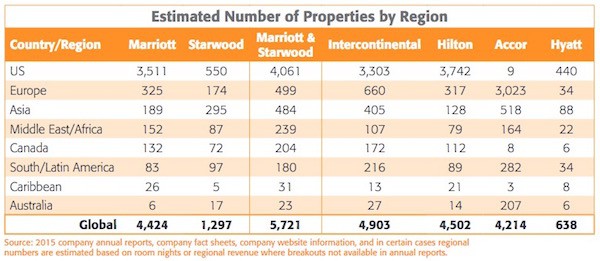
CWT’s Hotel Consolidation white paper is available here.
• Featured image credit (Starwood/Marriott hotels): Marriott.com