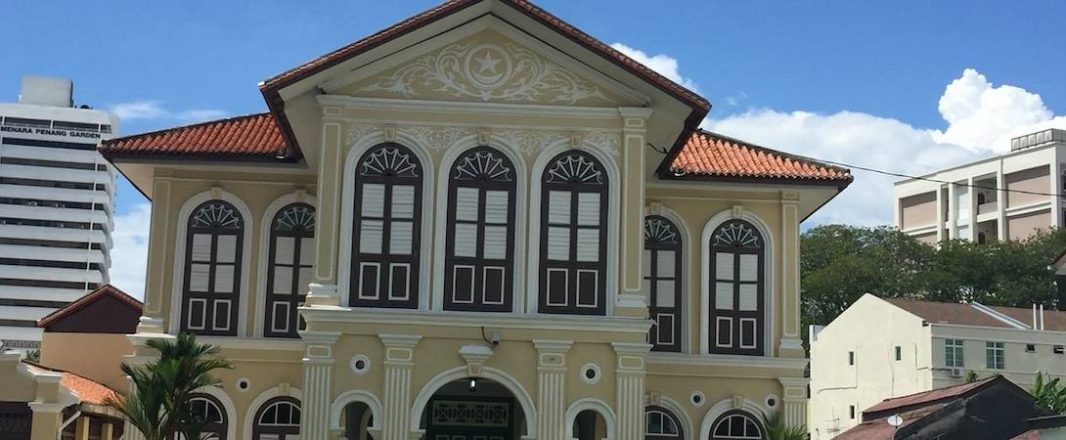
The day I went to check out the Jawi Peranakan Mansion, Chris Ong’s newest boutique hotel in Penang, a Chinese family of about 12, with young kids, were checking in.
They had booked on Expedia, were taking two rooms and the staff were wondering how to tell them that each room only had capacity for four. “It’s okay, charge them extra for breakfast,” said Penang-born Ong.
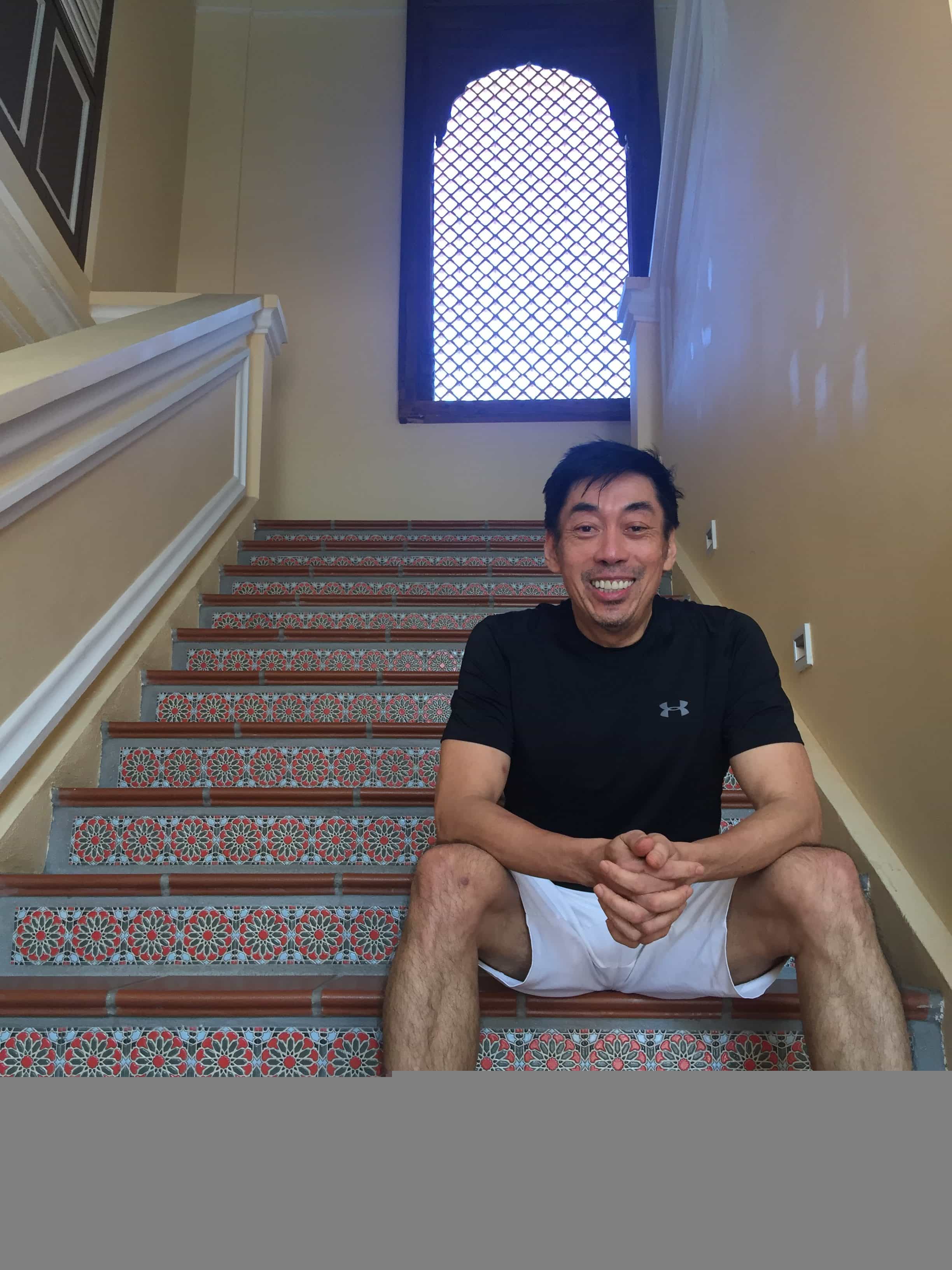
Chris Ong: “They want to stay together, yet they want privacy, they want local experiences, and they want it cheap.”
Turning to me, he laughed, “These are the new travellers. They want to stay together, yet they want privacy, they want local experiences, and they want it cheap.”
Ong has come a long way as a hotelier from when I first met him at the Galle Fort Hotel in Sri Lanka in 2004. The former banker and his then-partner had, on a whim while on holiday, bought an old building in Galle and decided to turn it into a hotel.
The runaway success of Galle Fort set him on the road to becoming a hotelier and when he returned to Penang, he continued the journey. His first hotel was Clove Hall, where he converted an old bungalow into a hotel in 2008. That was what he called his “colonial period”.
As one of the first bungalow-type hotel in Penang, it was a hit. Ong sold it and embarked on his “Peranakan shophouse” phase, with the first being Muntri Mews. Today his hotels come under the George Town Heritage + Hotels collection – they include Muntri Mews, Muntri Grove, Seven Terraces and the latest, Jawi Peranakan Mansion (JPM).
The making of Jawi Peranakan Mansion
He calls JPM, which opened January this year, his “most personal and most joyful”. It was also a healing project for his recovery post the break-up with his partner of many years.
“It was the first project where it was just me doing it and making all the decisions. You could say it was my most indulgent – I didn’t think of budget – just visualised what I wanted to create and get there.”
But first he had to get his hands on the building he wanted. “I came across it one day (2010), it was almost collapsing and I thought we should do a title search. It was also 80m from the World Heritage Site zone and I thought it would have easier guidelines for restoration and, of course, cheaper.
“When everyone is buying in the zone, you want to buy out of it.”
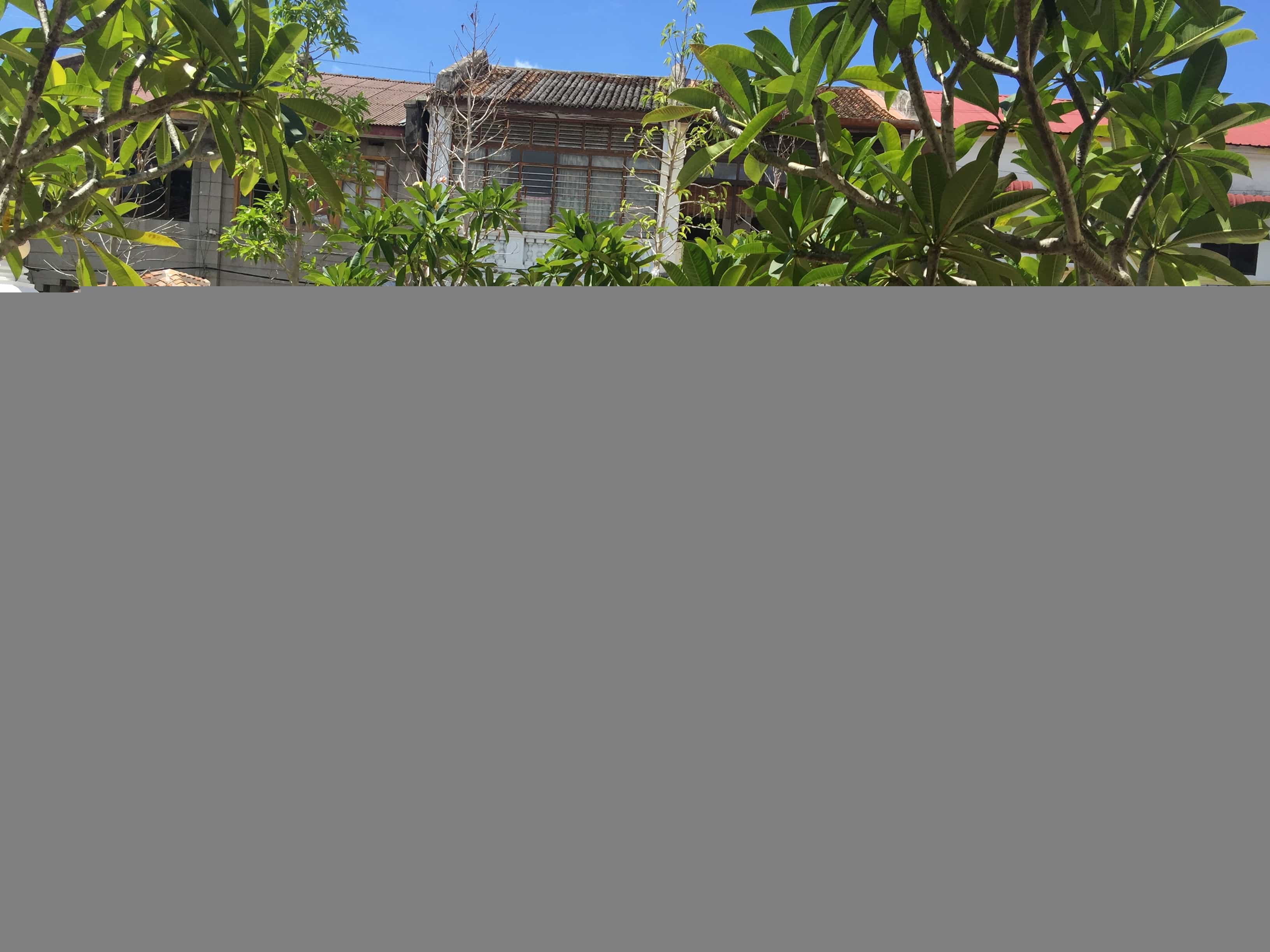
The courtyard: “When everyone is buying in the zone, you want to buy out of it.”
He found out that the state government had acquired the property for road widening purposes 25 years ago for a council housing project that never took off.
“If you look at council housing projects around the world, most governments have realised they have been a mistake. Look at Fitzroy in Melbourne where I spent a lot of time, it never got past the counter-culture movement to the gentrification phase.
“The idea for Penang at that time was to create low cost housing in the inner city to keep the area alive so that it wouldn’t become like a Luang Prabang or Malacca where the heritage zone is just all for tourists.”
When he applied to buy it, he found out that the building had just been put up for tender and no one wanted it. “Imagine, I just missed the tender I didn’t know existed,” laughed Ong.
Fortunately, it was put up for tender again and Ong put in a bid that was above the reserve price of RM2.8 million and although he technically won the tender, it wasn’t till a year later that he was able to get his hands on it. That was in 2012.
Getting the foundation right and doing the research
In 2014, when he started renovation works, he realised what poor condition the building was in. “Unlike the Chinese shophouses, these Jawi Peranakan mansions weren’t well-built. They had weak foundations. When we put in a new roof with tiles and insulation, the weight of it led the whole building to sink.”
Almost a year was spent shoring up the building and another year on recreating the interior and incorporating the right design elements for it to retain the Jawi Peranakan flavour.
Jawi Peranakan, another lineage of the Penang Peranakan culture, was also something Ong, who is of Peranakan Chinese extraction, needed to learn about and he plunged into the history so that he could create an experience that would respect the heritage.
“I knew very little about it and threw myself into the research, and a lot of it depends on interpretation. Most of them came from Bangladesh, Pakistan and Afghanistan – Habib the jewellers is from there – and they chose the area around Hutton Lane and Kedah Road to set up homes and businesses.
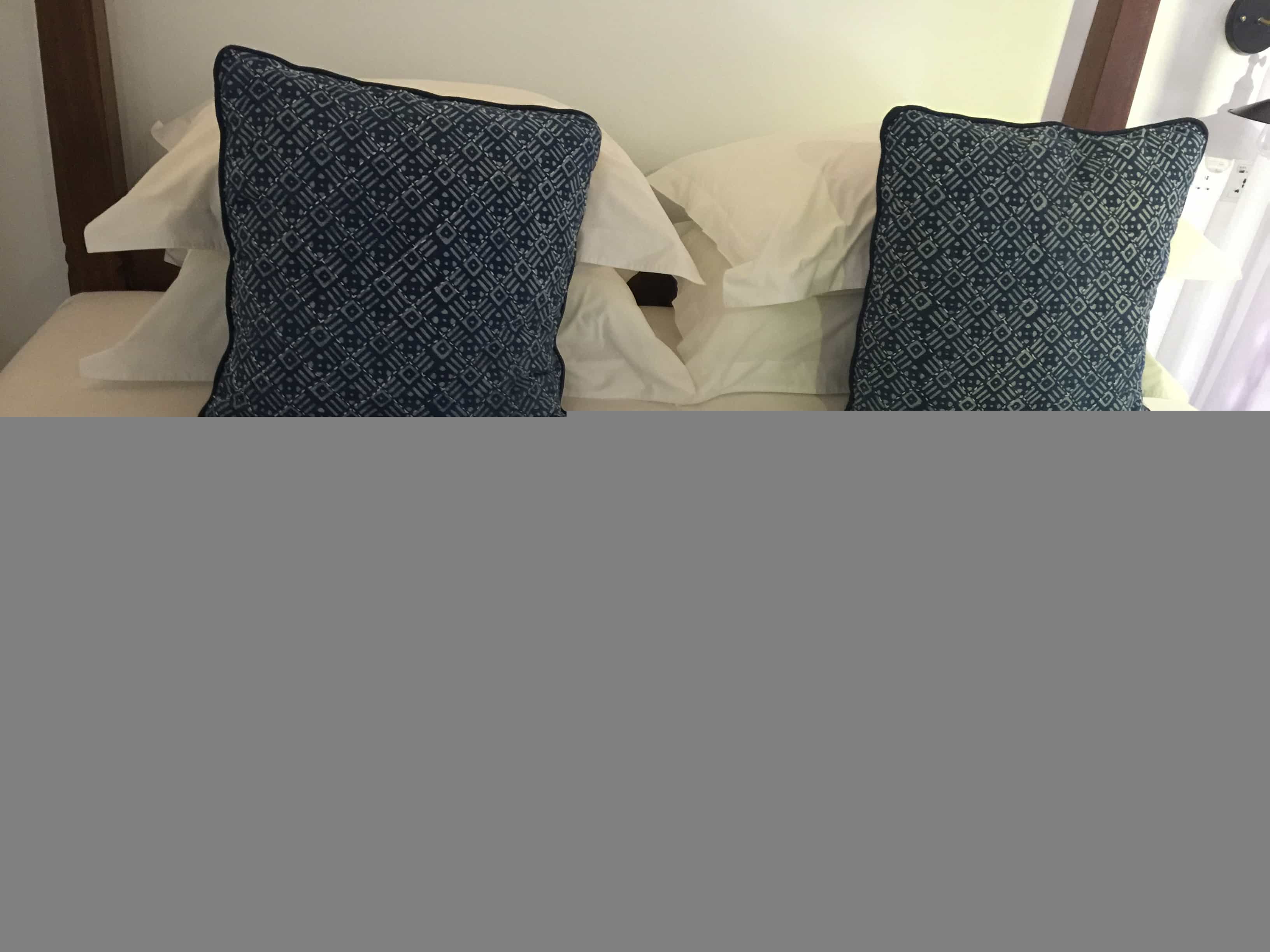
Textiles and fabrics play a big part in the design of the hotel.
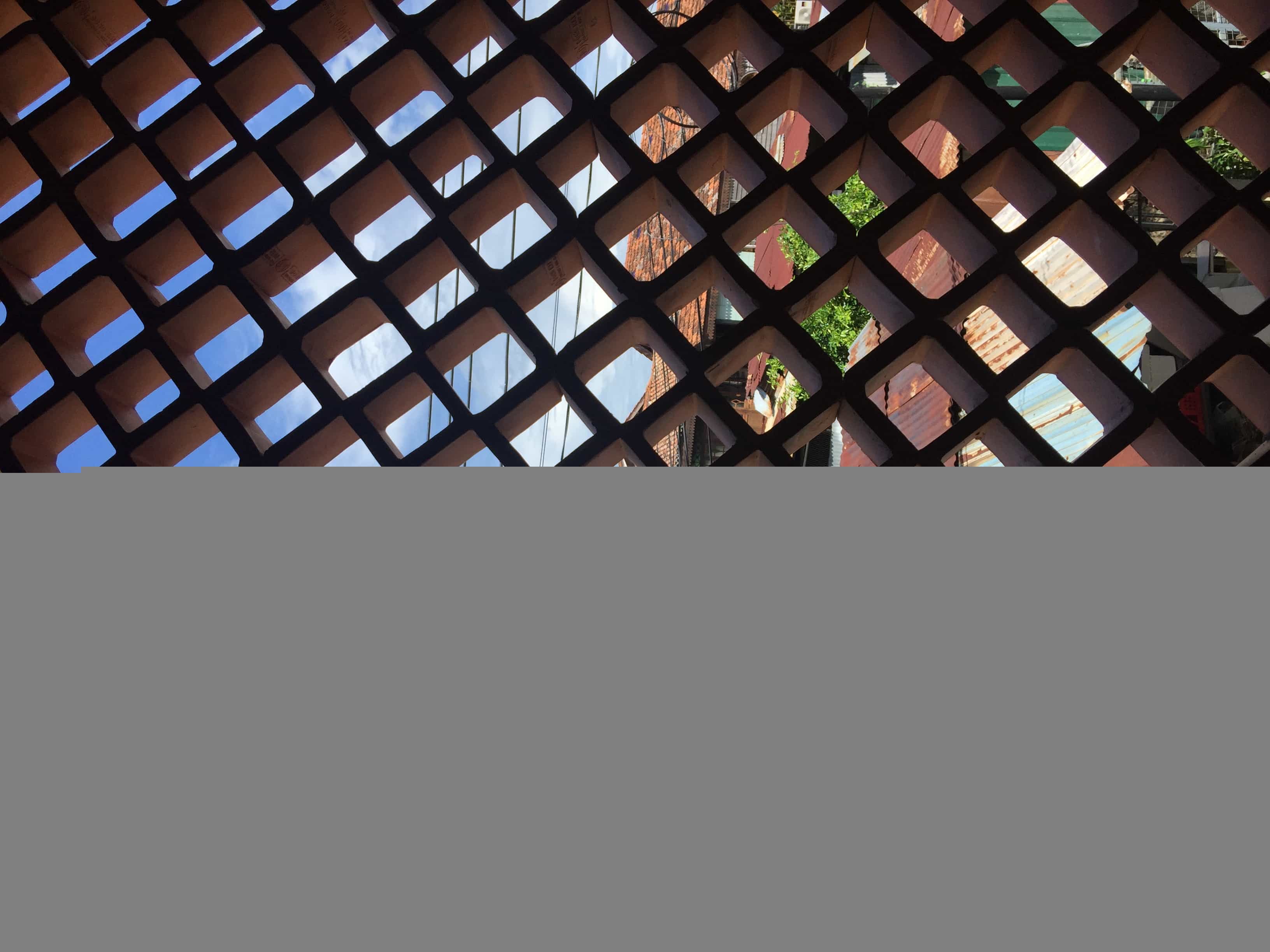
The diamond grid is a main feature throughout the Jawi Peranakan Mansion.
“A lot of them also came from Bengal and Calcutta and that’s where I bought a lot of the furniture and fabrics. The textiles blew me away. There are still remnants of their traditions in the area and it’s been an eye-opening experience for me, learning about their heritage in Penang.”
As with all his projects, Ong spends personal time on the design and details and if you walk around the mansion, which offers 12 rooms at a price range of between RM280-RM350 each, you’ll see wooden lattices, the diamond grid – characteristic of Jawi Peranakan architecture – as a central feature in the bedrooms, staircases and fabrics and plenty of brass.
Pointing out the Moghul arches and columns, Ong said, “I ordered them from Calcutta but they were so delayed that the builders had finished before they arrived. I was wondering what to do with them but guess what, when we put them up, we found they fitted perfectly into the holes.”
A corporate hippie’s serendipity and destiny
Ong puts a lot of his career since 2004 to serendipity. “I think it’s my destiny to do this thing. I was a corporate hippie and most of everything that happened after 2004 was totally unplanned.”
After Clove Hall, he was wondering what next when a friend introduced him to a shophouse that was next to his great grandfather’s home. “It was where our cars were parked and before that horse carriages.”
That became Muntri Mews. Ong has now ordered his first horse carriage. He hasn’t yet decided what to do with it and what kind of licence he would need if he wanted to do horse carriage tours. “I wanted to save some of the horses from the Penang Turf Club,” he said.
Seven Terraces, a high-end conversion from seven shophouses in Stewart Lane, was his most ambitious. He thought about it for five years, wondering if he should invest so much into one project, but when during the global financial crisis, he learnt that Singaporeans were interested in buying it, “it made me want it more”.
It took another four years to complete and he’s working on refining the experience. “I’ve been told people don’t want to live in a museum,” said Ong, whose family’s antique collections are on display in the hotel.
Its food & beverage, and event, revenues though are healthy – Kebaya, its Peranakan restaurant, has been well-received and the hotel is popular with private events and weddings.
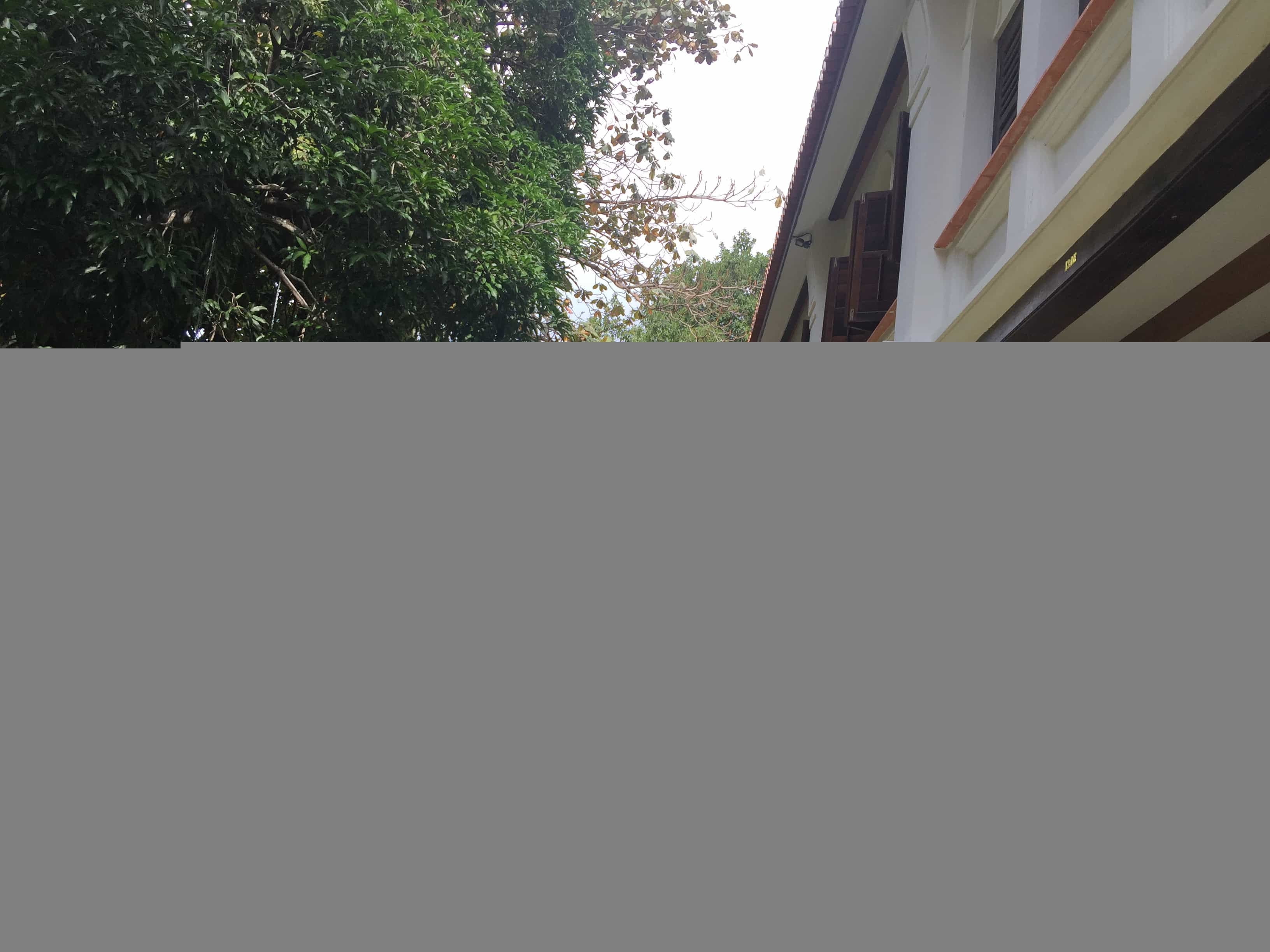
Muntri Grove, tucked away from the main streets, offers a sense of privacy.
After opening Muntri Grove, as an extension of Mews, Ong is now working on Muntri Mews Residences. One shophouse across from Muntri Mews has been completed and offers four bedrooms for RM2,000 a day. You can rent the entire shophouse and by room. The next door unit is undergoing restoration.
Values to differentiate – “Integrity, compassion and being fair”
He now feels it’s time for him to bring his hotels (60 rooms in total) under one collection – hence George Town Heritage + Hotels (GTHH) which he created earlier this year.
With increased competition in Penang, “we have to create a brand to differentiate ourselves”, he said. “When we did Galle Fort and Clove Hall, we didn’t have to market it too much – we built it and they came. Now it’s a different story.”
He describes the core values of GTHH as “integrity, compassion and being fair”. “It’s a 360-degree thing and it applies to suppliers, customers and staff. We want these to underline everything we do,” he said.
“For me, it’s never been about the money but doing the best for the destination. I’ve come full circle, I left Penang as a boy and have come home. Without sounding morbid, this is my legacy, final chapter. Everything I have built will go into a foundation, like Jim Thompson. Everytime I go into his house, I feel so moved. Maybe I am a reincarnation of him.”