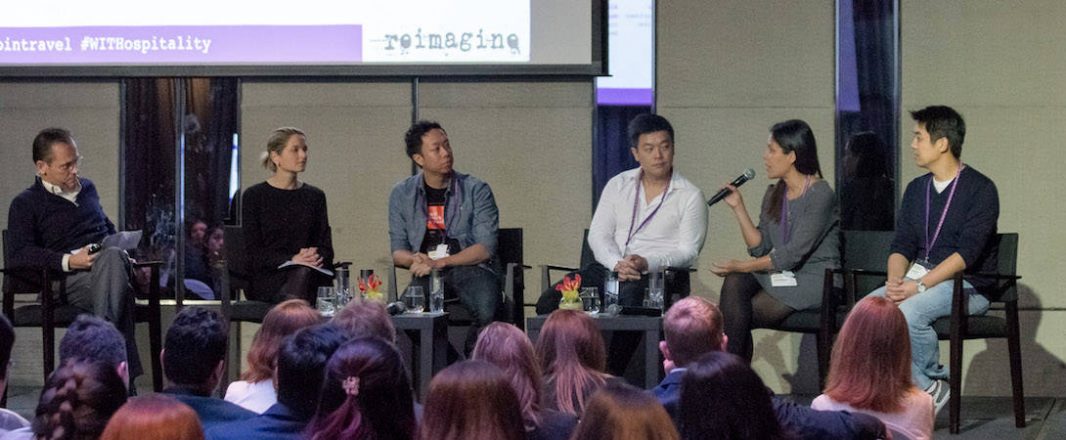
The second WIT Hospitality conference took place on March 28 at Hotel ICON last week. The Silverbox Ballroom teemed with industry characters ranging from C-class executives to fresh-faced students only just embarking on their hospitality careers.
The conference dove deep into topics that continue to stir debate within the industry: the battle between hoteliers and OTAs, optimising mobile, and cultivating a culture of innovation in an increasingly technology-driven world.
Here, we have identified eight critical takeaways that are key to keeping relevant in a modern age of hospitality.
1) OTAs are winning the battle for bookings, but the war isn’t lost
It isn’t over but the current scoreboard leaves little room for argument. Lorraine Sileo (Senior VP Research, Phocuswright) revealed that OTAs are coming out on top with 70% of gross bookings in the online hotel market, compared to 30% for hotel websites in Asia. It is a culmination of factors associated with powerful marketing strategies, an optimised mobile experience and the perception that OTAs offer the best prices.
But it is not a futile fight, according to Charlie Osmond (Chief Tease, Triptease). Tackling the misperception that OTAs are cheaper is the top distribution concern. He suggested hotels must think about going beyond what happens when the guest walks in the door. Citing research that demonstrates consumers enjoy trip planning as much as actually travelling, it inferred an opportunity for hotels to make the booking and planning experience more exciting and dynamic on their direct channels.
Hichame Assi (CEO, HotelsCombined) concurred by saying that OTAs may have strengths in booking conversions but they do not necessarily do as well during the ‘inspiration’ stage. It opens the opportunity for hotels to look at how they can better connect with customers further up in the funnel to increase the likelihood of them booking direct.
However, Assi also pointed out that hotels simply don’t have the right user experience when it comes to mobile technology… a necessary hurdle to overcome if they truly want to compete.
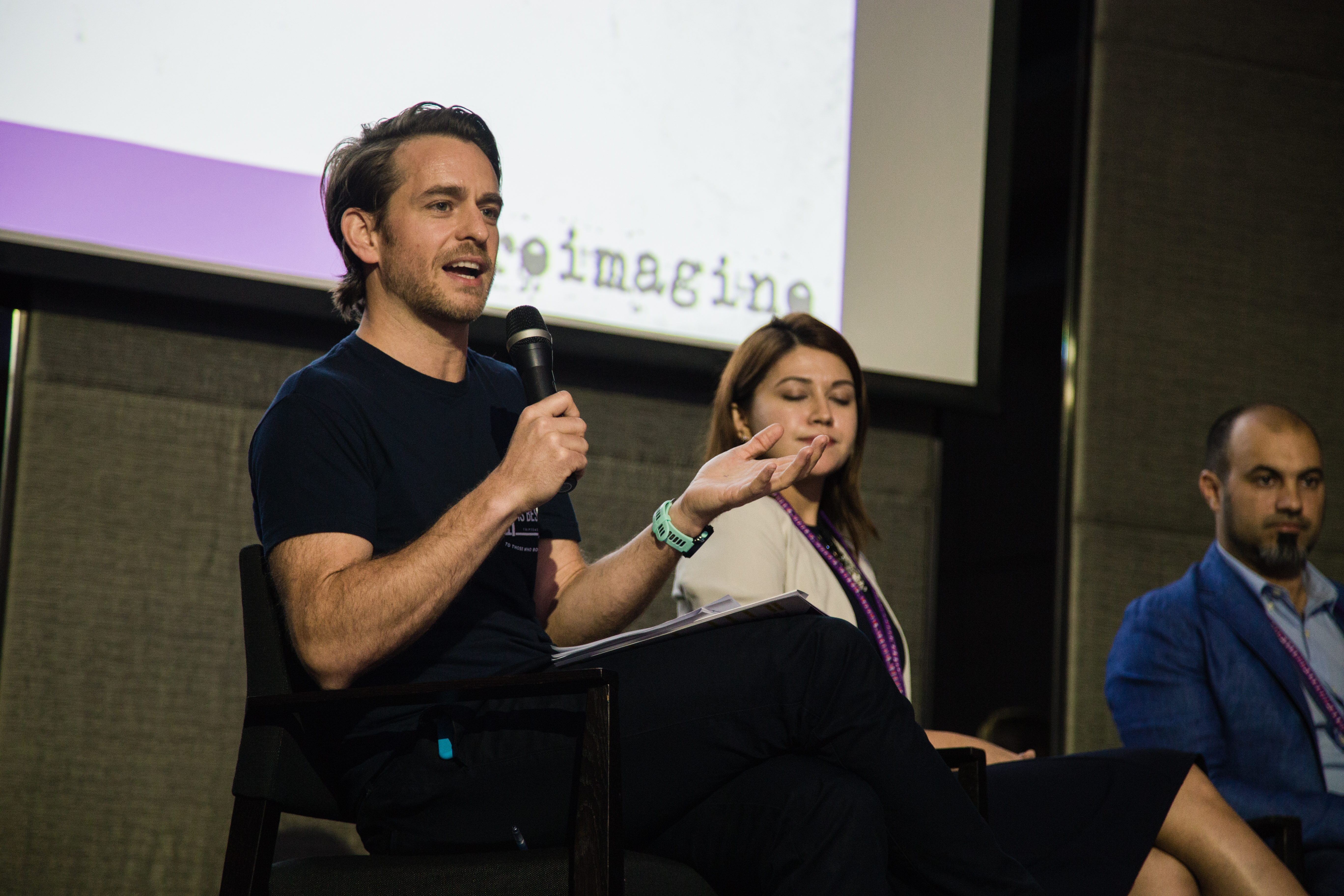
Charlie Osmond (Chief Tease, Triptease) at WIT Hospitality 2017
2) Trust and transparency are key to any successful relationship between hotels and their partners
Driving direct bookings being a key priority hasn’t changed for hoteliers but better effort needs to be made regarding maintaining healthy and mutually beneficial relationships with their partners.
The bickering about ‘who owns the customer’ must come to an end. It is not just about rate or occupancy, but rather addressing customer value from different markets and segments, and how best to target them. The primary focus should rest on how best to leverage each other’s strengths to reach these travellers, meaning forming customer-centric partnerships is a top priority.
There needs to be openness about clarifying what information each promises to exchange, the benefits each partner brings to the table and how it offers mutual growth.
That being said, both sides must exercise a level of ruthlessness when cutting ties with ineffective partners. Developing measurement tools to find out how each contributes would be a handy way to evaluate this.
Widhadh Waheed (Director of eBusiness, Shangri-La Hotels and Resorts) pointed out that hotels must also foster better communication and partnerships within hotel companies too. More effective collaboration between office and property levels, and better integrating services to build a 360º view of the customer.
3) Embracing data and analytics should be a top priority when optimising distribution
The hospitality industry must become savvier and more analytical when using data to refine marketing and distribution strategies. Puneet Mahindroo (Corporate Director of Revenue Management, Four Seasons) campaigned for the development of stronger performance measures that are better able to capture the different factors involved when calculating hotel revenue.
Hotels typically look at RevPAR but by instead calculating net RevPAR, industry players would be far better able to identify different cost elements and measure performance overall. Creating a standard measure would allow an “apples to apples” comparison to identifying which channels generate the most value for hotels, said Mieke De Schepper (VP APAC, Expedia Lodging Partner Services).
Therefore, by having a more holistic view, hoteliers will be better positioned to optimise distribution and marketing strategies, and identify whether a hotel company’s efforts and methods actually yield significant positive results. It also better positions hotels to evaluate their economic relationships with distribution partners more critically.
Hotel companies must first agree on a universal formula for how to calculate net RevPAR. These set guidelines must then be shared industry wide, to introduce the measure as a new standard practice.
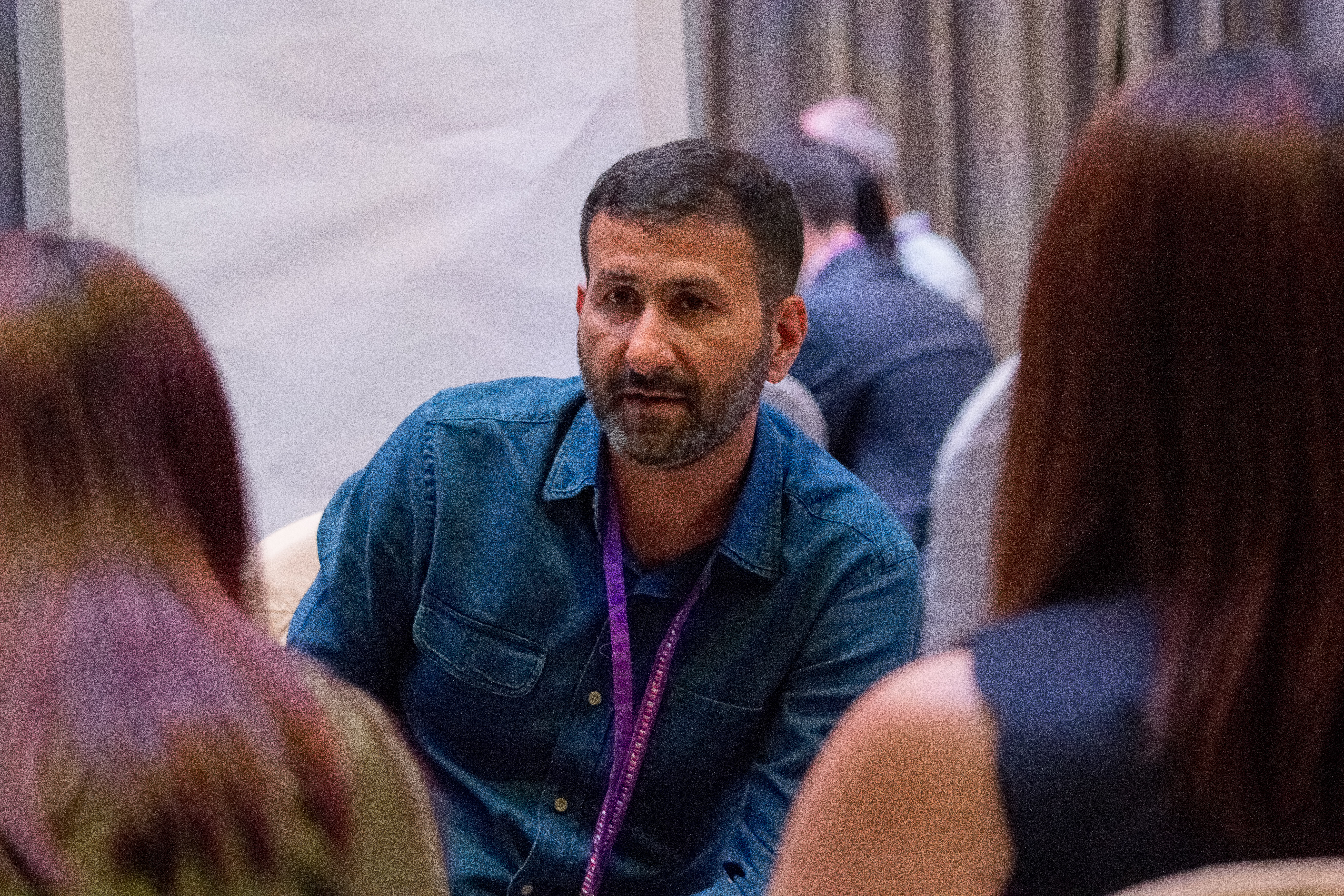
Puneet Mahindroo (Four Seasons) also coached a deep dive session, likening mountaineering to performance marketing
4) Optimise absolutely everything for mobile
Hoteliers simply can’t escape it; optimising mobile is absolutely fundamental to upping their game in distribution and marketing. Part of the reason OTAs are ahead is simply because of how well they do in the mobile space by providing a seamless booking experience.
Lucy Werner (Head of Performance, Google Hong Kong) cited research demonstrating that in APAC, people plan travel in bite-size chunks, often looking at their mobile and gathering nuggets of plans, but complete transactions at different times. However, Phocuswright’s Sileo pointed out that in South-east Asia, bookings are still typically done via desktop (except in Indonesia).
This suggests that a hotel with a strong mobile presence (through a solid well-optimised website, an app isn’t necessary) has the potential to capture consumers further up in the funnel (such as during the ‘inspiration stage’). Incorporating unique features like customised messaging, one-click confirmations etc. could nudge people in the right direction, upping chances of a direct booking later on.
What hoteliers need to be careful of is that the hotel’s legacy systems are actually capable of keeping up with the new technology and strategies it attempts to adopt. There is simply no logic to having a state-of-the-art mobile experience only to have customers face glitches later on.
5) Hoteliers need to adopt an entrepreneurial mindset, if they want to get ahead
The hospitality industry is notoriously slow to adapt and evolve, despite how necessary it has become in the digital age. Hotels are arguably just catching onto data analytics while digital players have moved into higher-level tech like voice and AI, said Assi.
Blanca Menchaca (COO and co-founder, BeMyGuest) said hotels have so much to learn. “You have the funds, capacity, data… [but] you won’t use it in a way that disrupts.” She was quick to emphasise that hotels should hire expertise rather than attempt to learn and ‘do it’ themselves. “Stop trying to learn and hire people that already understand what’s happening because the digital space is changing so fast.”
Eric Gnock Fah (Co-founder, Klook) concurred, saying that there is nothing more critical than the team you build. Expanding in Asia for example, comes down to building a team with strong local knowledge but a global mindset.
Admittedly, ‘innovation’ is difficult unless you understand how to identify where the opportunities to innovate actually are. Roland Yau (Managing Partner, Cocoon Ignite Ventures Hong Kong) suggested looking at how entrepreneurs interpret the hospitality industry. Once you know what the existing models are, how to you improve upon those methods? Pick systems apart and see what can be changed. Otherwise, identify “green field areas in existing industries” that can now be built upon because of technology.
Crucially, hoteliers must also adopt a strategic method to measure successes and failures. Patrick Sin (Director of Marketing, Sales and Revenue, Hotel ICON) outlined how different experiments should be tracked online through channels like guest feedback before and after a change is implemented. It must be monitored and evaluated in a systematic way.
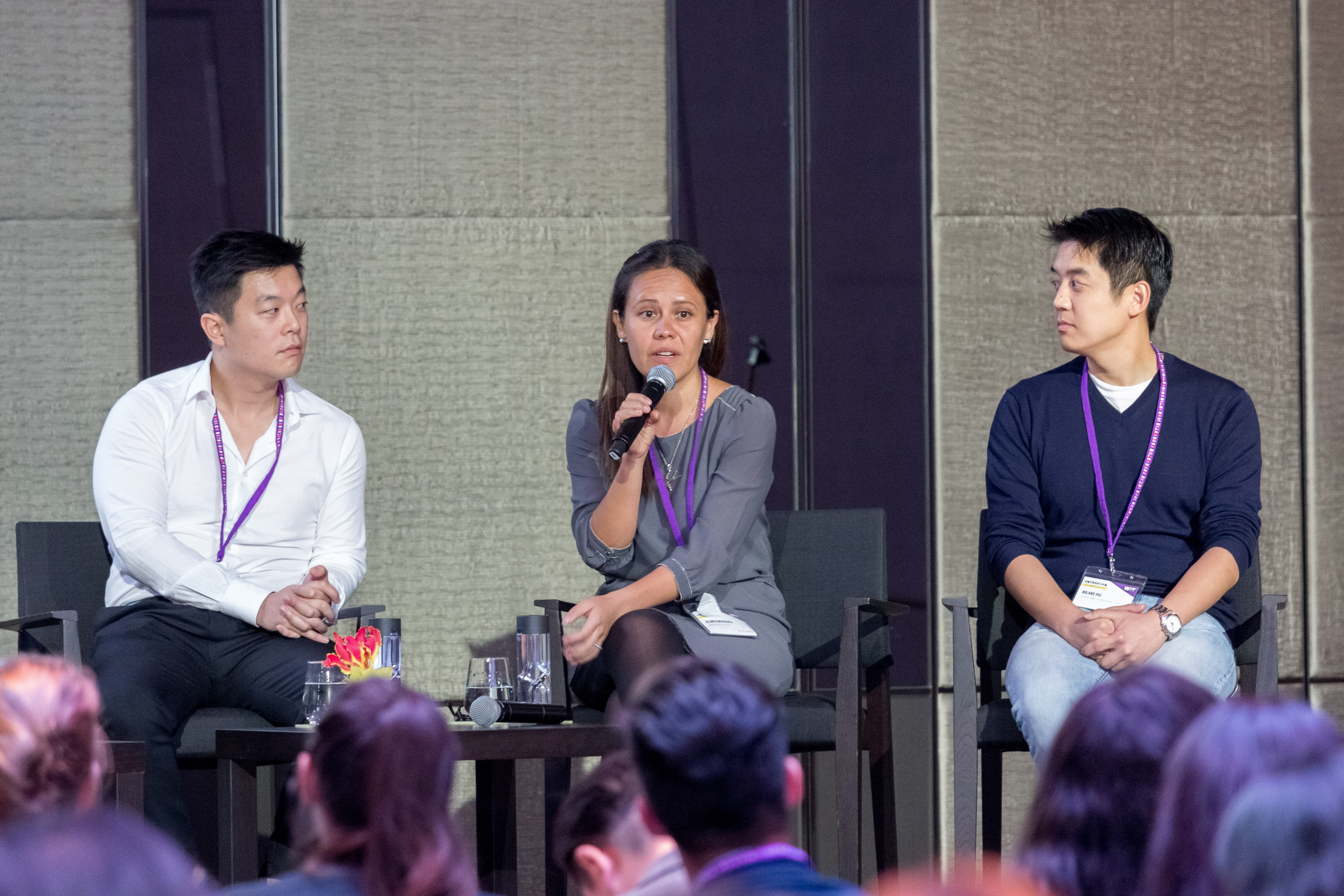
Blanca Menchaca (BeMyGuest) argued hotels have all the resources, but don’t put them to good use
6) Hotels must think beyond the bedroom and build their ancillary offerings
Eric Gnock Fah (Co-founder, Klook) predicted that given the rise of alternative and private accommodation, RevPAR inevitably faces a downturn. Hoteliers must therefore prepare to adapt and seek alternative sources of revenue, to prevent too grave a loss. Incorporating technology into ancillaries could be one way for hotels to build their reach beyond just hotel guests.
Wesley Tang (General Manager, Chope Hong Kong) talked about including the Chope widget onto hotel restaurant websites to assist with dining reservations, to expand and share each other’s reach. However, Tang also argued that hotels are too slow to adapt.
Jennifer Cronin (President, Marco Polo Hotels) also suggested delivering the ‘room-service’ experience by partnering with players like Uber Eats. These opportunities to build on ancillary products will only come if hotels understand trends and embrace changes at a much faster rate.
Hotels can also partner with tours and activities companies rather than sourcing from each individually, offering guests ‘unique experiences’ that are directly bookable through the hotel. A specific example is in The Ascott Limited’s partnership with BeMyGuest to launch Ascott Lifestyle, to provide experiential tours aligned with themes like “Culture Connect”, “Gastro Savvy” and “Community”.
Building new and developing old ancillary products could therefore prevent future losses through any anticipated dips in RevPAR… or simply just boost hotels’ offerings, beyond selling beds.
7) Remember that innovation is not all about technology, humanise the experience
As pointed out by Giovanni Angelini (Chairman, Angelini Hospitality), innovation is not just about technology. It is too easy to get bogged down by the assumption that being ‘cutting-edge’ means investing in every new gadget or technology that gets a moment in the spotlight. It is simply about “finding clever ways to deliver services to guests that create unique experiences,” said Jason Pang (Director of Innovation & Technology, Hotel ICON).
Getting creative can be as simple as re-arranging the breakfast buffet layout, said Pang. Kittisak Pattamasaevi (Chief Commercial Officer, Montara Hospitality Group, Thailand) revealed how the hotel group incorporated a dedicated digital studio on the property, with photographers and videographers that can help guests document their experience in-destination.
Lucy Werner (Head of Performance, Google Hong Kong) also stressed how hotels must think beyond the borders of their own property and ‘accompanying’ guests in-destination through accessible content. For example, Tink Labs’ Handy device that acts as a free local smartphone could act as an ideal channel for hotels to stay connected with their guests throughout their stay both within and beyond hotel walls.
The most important consideration is how this ‘innovation’ is measured. Hoteliers must boost the use of data and analytics, making it the default procedure behind testing and adopting new ways of doing things.
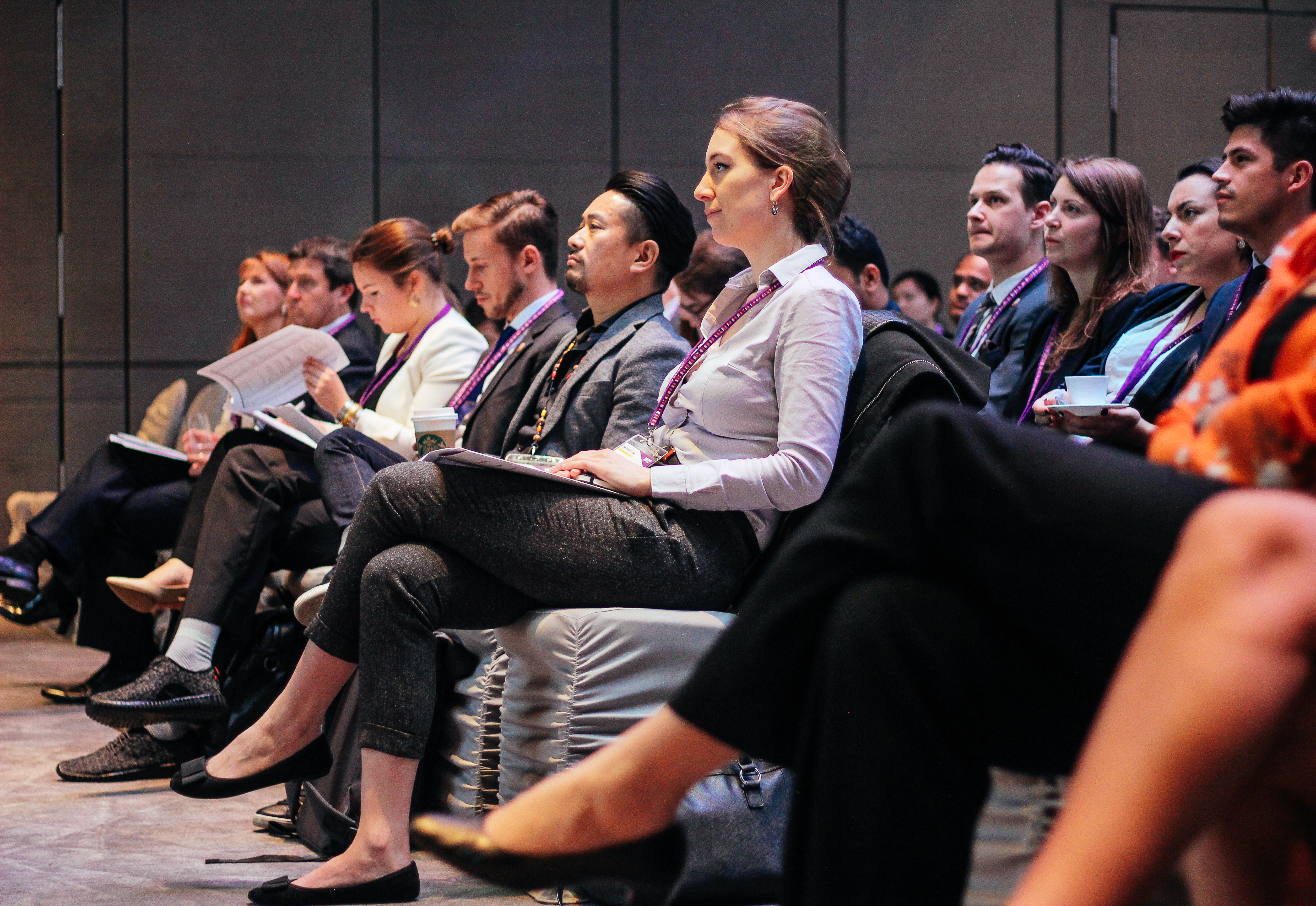
Attracting and retaining talent is a key issue within hospitality
8) Cultivate a modern working culture, fit for the digital age
Attracting and retaining talent is tricky; especially in a ‘traditionally’ run industry like hospitality. Hotels are hierarchical and excessively bureaucratic, running contrary to what young executives in the new economy typically seek when looking to get their careers started.
People are a hotel’s biggest asset, said Lim Boon Kwee (COO, Dusit International) meaning the industry is riddled with roles that can simply be taken by robots.
Young people are seeking quick career progression, opportunities for international travel, and the ability to experience a variety of roles within a company. More than that, individuals are seeking a work culture that thrives on encouraging creativity and expression amongst its employees.
A company that dares to let its employees experiment with new ideas, empowers them and openly recognises each individual’s unique value is inherently attractive. Though the solution isn’t as simple as giving young employees a high-five and a pat on the back. Companies within hospitality must keep up with the changing demands of the new working economy and disrupt their own status quo.
To do this, motivation requires a top-down approach. Without upper management of even hotel property owners expressing a clear and sincere faith in the potential within their own team, progress will be minimal. Patrick Sin (Director of Marketing, Sales and Revenue, Hotel ICON) and Jason Pang (Director of Innovation & Technology, Hotel ICON) both agreed on this front, remarking, “ an innovation initiative has to be driven from the top” and “top management support is critical.”
The hospitality workforce therefore cannot change unless those that run it are willing to change with it.