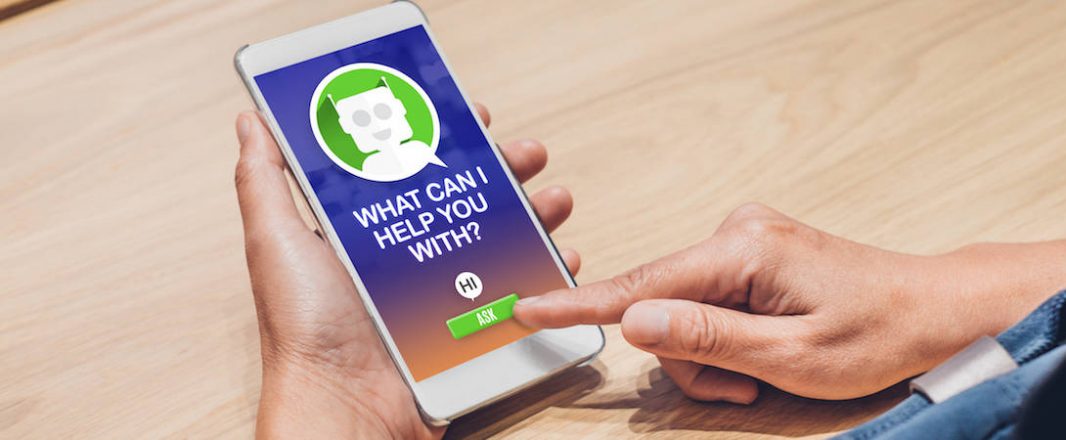
This year’s buzzwords might be blockchain and (still) mobile, but it hasn’t been so long since ‘chatbots’ were the mot du jour. Buzzword no more, chatbots have now worked their way across industries, automating and often augmenting the customer service experience.
In hospitality, chatbots have had similar effect as the traditional concierge can now be embodied in an in-room smart device, letting guests communicate their needs and requests with a few quick taps on a screen. However, the value of chatbot technology extends beyond improved customer service.
At the HSMAI Revenue Optimisation Conference that took place in Singapore this week, CEO and co-founder of chatbot provider Bespoke Inc., Akemi Tsunagawa, shared how the lucrative but often misunderstood technology could be used to boost revenue in hotels.
Tsunagawa, who will also be speaking at WIT Japan & North Asia this June, described chatbots as “like a super hard working colleague that works 24/7, doesn’t need a bathroom break and is even happy to deal with complaints”. It is instant, multi-language and requires an iota of the manpower required if operated by actual staff.
“It’s definitely not for everyone, but if you know what you want to get out of chatbots, it could be a very profitable solution.”
Bespoke Inc offers Bebot, an AI-powered chatbot concierge for travellers, geared towards hotels and airports. When it first launched, Tsunagawa regarded it as “a failure, because no one was using it. Hotel guests were chatting but only very few and for a very limited amount of time.”
After re-assessing the assumptions upon which the product was built and conducting extensive user interviews (focusing on most common requests, and when travellers felt they’d interact with the service), Tsunagawa took aways some key lessons.
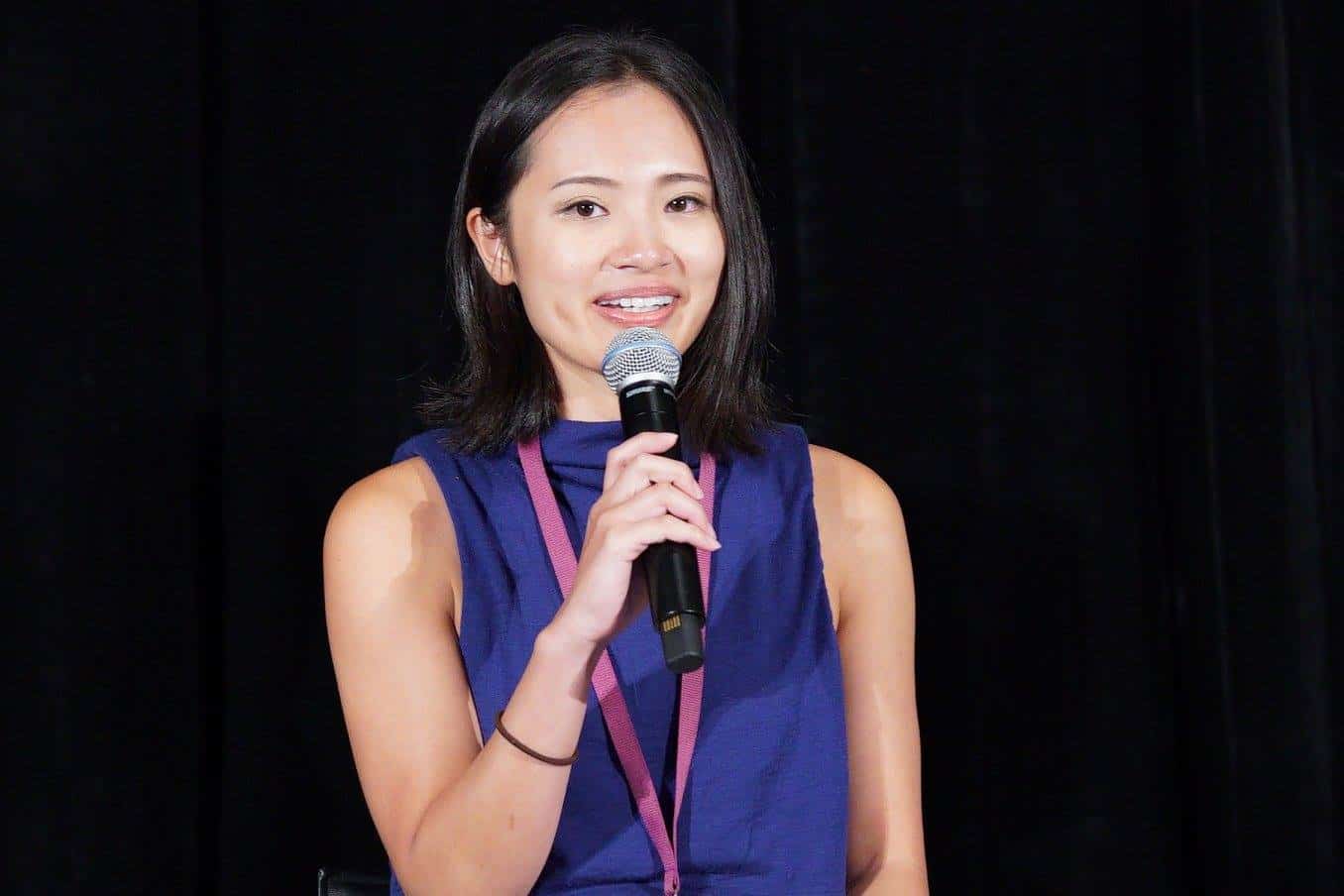
Akemi Tsunagawa will be speaking at WIT Japan & North Asia on June 28-29 in Tokyo
- Simple questions need quick answers
Tsunagawa started off by saying that “a part of the hotel experience that is fundamentally broke is when a simple question needs an answer quickly,” but guests are unable to get it.
Chatbots are most valuable during a guest’s actual stay, as it boosted the efficiency of processing simple requests and elevated perceptions of customer service. Financially, Tsunagawa estimated that $300,000 could be saved annually, just by automating simple requests.
For example, while FAQs are very easy to automate, case uses of Bebot revealed that guests would begin to ask questions they might normally be too embarrassed to ask at the front desk or over the phone (e.g. asking if mineral water is free).
The medium of chat therefore creates opportunities for guests to feel more comfortable with opening up about their needs, helping them to feel closer to the brand and its ability to act on those needs.
It also grants hotels with the opportunity to upsell, pointing their guests to other products within a hotel that a customer might be interested in. The software can pull keywords that can distribute specific information to benefit hotels. For example, if a guest uses phrases like ‘tired’, it could recommend the hotel spa in
“a non-pushy way”.
Yet, there is a technique to upselling through chat, if it is to be truly effective. Tsungawa observed that guests often wouldn’t tolerate more than three lines per chat and responded well to the use of emojis, which were seen to boost perceptions of friendliness.
Also, recommendations were most likely to be trusted if the conversation included an explanation of what makes it special. This would ultimately serve to boost customers’ trust and level of confidence in the brand in being able to serve their needs and interests.
(Photo credit: Getty images)
- Reading between the lines
Running conversations with guests can also teach hotels a lot about how guests feel about the hotel’s facilities, service and offerings, even when opinions are stated implicitly.
As chatbots become more sophisticated, Tsunagawa said that the technology would better be able to pick up on cues that help hotels to understand guests’ priorities, preferred activities and commonalities across traveler profiles.
For example, while a guest may not directly say, “breakfast sucks”, they might instead ask for nearby breakfast options. Chatbots can be used to tease more information about how the guest feels through the correct question prompts like ‘what food would you like’, asking for a price range, or even if they have dined in the hotel.
The answers to these could help staff assess the hotel’s own offerings and how it measures up to guest expectations and satisfaction.
This naturally lends itself to implementing damage control measures in an intelligent way. Chatbots can be used to identify cues when guests are unsatisfied, notifying staff to take quick action.
This, Tsunagawa said, is where there is a perfect combination between “automation and the human touch.” While we might be some time away from anger dissolving if a robot apologises to you, hotels can at least be on better guard and manage situations more effectively.
- Bots = online reviews = more revenue
Tsunagawa also argued that chatbots could also give an indication about whether guests were more or less likely to post reviews. Based on user data, she said that these were customers that used at least three “happy words”, made a reservation via the hotel or interacted with the bot for more than 22 minutes.
If chatbots give travellers reason to post reviews online about the hotel, boosting its reputation, it can have a direct impact on revenue. In fact, 76% of people are willing to pay more to stay at hotels with better reviews.
This logic was consolidated an earlier presentation, Kamesh Sukla, Senior VP Sales – APAC, Middle East & Africa, RateGain, explained that a 1% increase in a hotel’s reputation score could lead to a 1.4% increase in occupancy and 11% in rate. The underlying argument being that a hotel’s reputation score directly correlated with an increase in ADR.
“Better reviews only come from happy guests… we pay extra attention when we design customer conversations [and their impact on bookings],” Tsunagawa said.
Lead image: Getty images