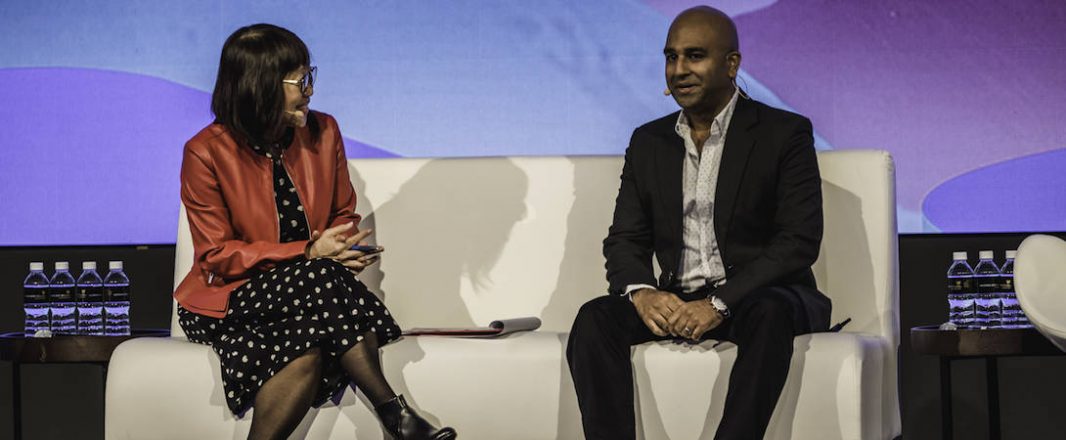
It had only been a year since WiT’s last catch up with Airbnb’s Regional Director of Experiences in APAC, Parin Mehta, before he sat on stage once more at WiT Singapore 2018 to give an update on how the travel giant is growing in the tours and activities space.
But ‘growing’ doesn’t quite capture the perhaps unprecedented level of growth Airbnb has seen in the course of a year. In the last year alone, it has gone from a global inventory of about 3,000 to 16,000 experiences, operating in about 1,000 markets, as compared to just 40 a year ago. In Asia, it has expanded from 13 markets to 200 now.
Despite the quite impressive numbers, Mehta was challenged on why the number of experiences isn’t larger, when taking into account the vast number of in-destination experiences that exist in the market. To that, he explained that Airbnb maintains a vetting procedure, which means that only 30% of experiences actually go live on the platform.
Nevertheless, Airbnb’s strategy in its Experiences arm was all about “rapid scale” as the company amassed its inventory as efficiently as possible. In doing so, Mehta remarked on how many offline passion groups are now coming online, which are inevitably helping Airbnb achieve that goal.
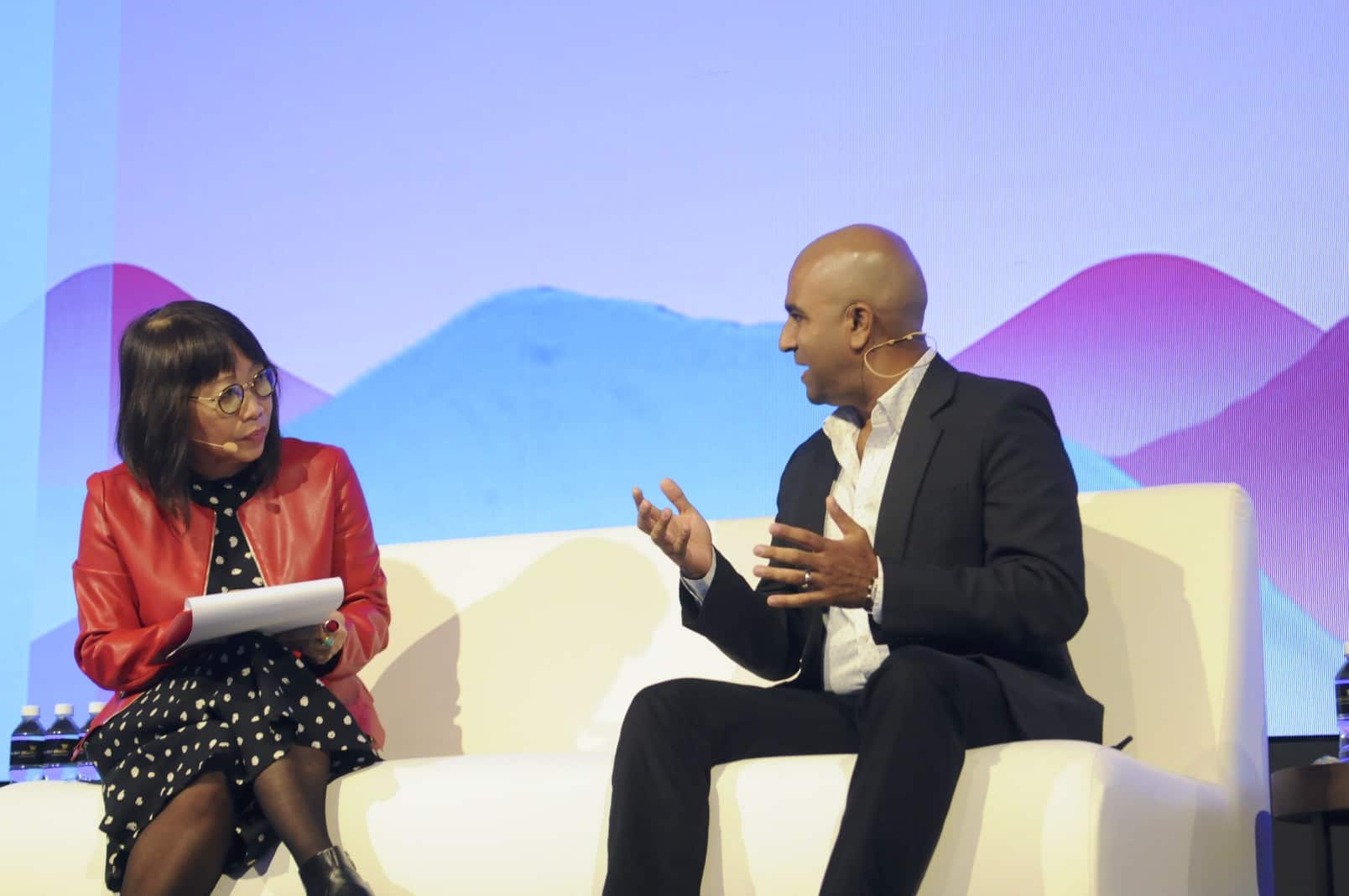
Parin Mehta said that two of his favourite Airbnb Experiences are One Kind House in Singapore, and visiting a wolf sanctuary in Seattle.
Airbnb has naturally stumbled upon a solution to the struggle faced by many tours and activities platforms – scaling peer-to-peer ‘niche experiences’ that are gaining in popularity, instead of relying on the dependable traffic generated by mass attractions that will eventually lose their novelty.
Airbnb’s strength lies in its ability to play into a “community angle”. “We’re not trying to sell commoditised things to people… the difference is we benefit hugely from the experience business on top of the host platform.”
“[The] low-hanging fruit are regular hosts who also want to become experience hosts,” said Mehta. Mehta himself is an experience host, offering coaching services to “dog food” the product, by identifying and teasing out the current kinks in the system that still need improvement.
In an earlier interview on stage at WiT Singapore 2018, Klook’s co-founder and COO, Eric Gnock Fah, also touched on this point, saying that it was Airbnb’s community-based approach that would be key to how tours and activities providers would eventually be able to scale one-of-a-kind experiences on their own platforms too.
Airbnb has also created categories for its experiences, ranging from surfing to social impact initiatives that allow charities to build awareness and keeping 100% of any funds raised. It feeds into the company’s broader mission of inching closer to a fair share economy, instead of letting power remain in the hands of the industry’s ‘monsters’.
“It all goes back to how you build a community and please all the stakeholders in that community,” said Mehta. Technology won’t create this utopian ideal however, but it will be instrumental in enabling it.
“Airbnb is not the product, the actual magic is offline… interesting innovation is how you use technology to connect people offline.”