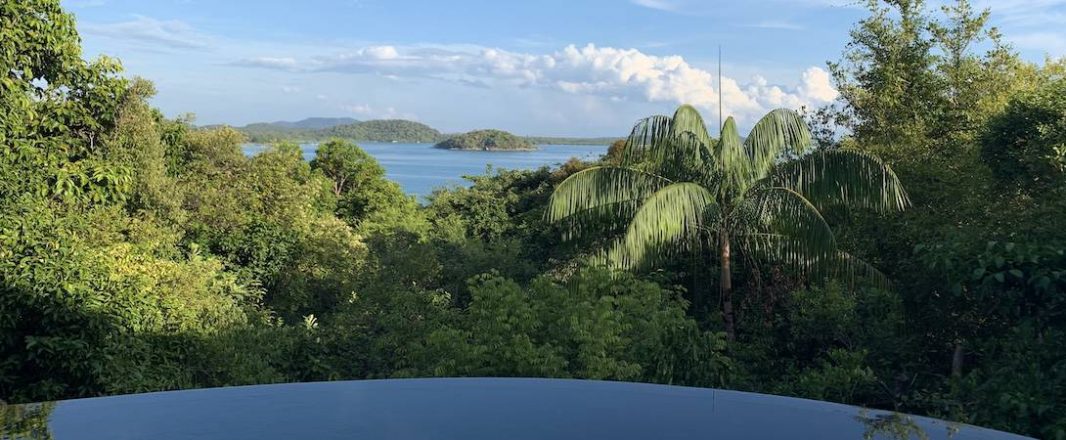
Yeoh Siew Hoon gets stranded on a coral reef off Cempedak and ponders the secrets of the travel universe as they were revealed at last week’s WiT Singapore 2019.
The sun was about to call it a day when we set out on a boat from Cempedak Island off Bintan, Indonesia. Our destination was a coral seabed that only appears at low tide. Waiting for us was a crew who had prepared deck chairs and a bucket of chilled champagne.
In the dusk, we clinked glasses, sipped champagne and took in the stillness of the vast South China Sea we were in the middle of. Suddenly, fireworks lit up the night sky. I can safely say this was the first time I’ve ever had fireworks for my birthday, and also the first time I’ve celebrated a coming of age on a coral reef that isn’t there most of the time.

Truly an ephemeral moment but isn’t that what life is made of – a series of unrepeatable, ephemeral moments?
It was with this thought that we marked our theme this year – it’s 2019, a turn of a decade, a pivotal moment as we enter the next decade. At no other moment will we have this opportunity to take a bird’s eye view, review the travel timeline, connect the dots and project into the future. Think about all the changes that have happened in the last decade and imagine those to come – and how do we prepare ourselves and our businesses for 2020 and beyond?
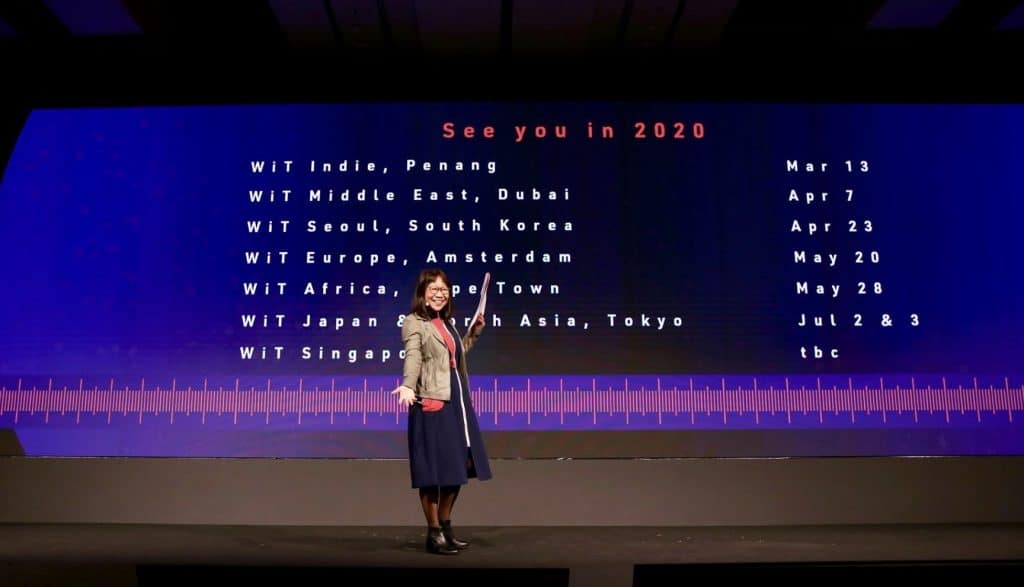
Here are my key takeaways from WiT Singapore 2019.
1. No more business as usual in unusual times
Stephan Ekbergh, CEO of Travelstart, came with the message that “looking into a new decade, we know our current life is unsustainable. It will not be more of the same and not business as usual,” and said we would have to address big issues such as environment, energy, food, crypto, robots, space travel and data integrity.
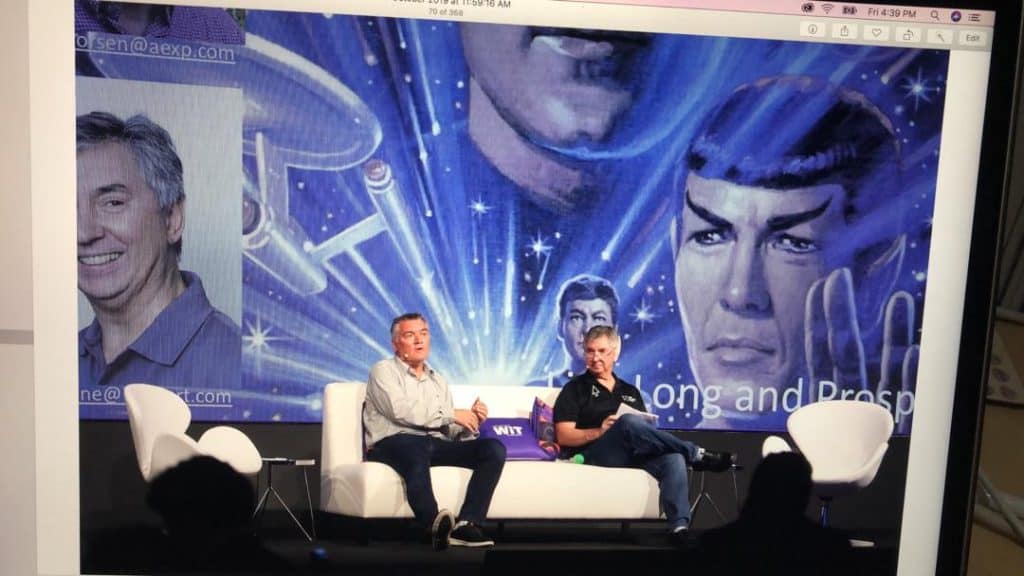
And indeed all these themes were covered at WiT. Fritz Demopoulos, founder of Melon Sci Fi & Fantasy conference, took us on a fascinating tour of tourist attractions in space, Professor Adrian David Cheok laid out his case for why human-robot marriages will be legal by 2050 and travel tech evangelists Timothy O’Neil-Dunne and Johnny Thorsen painted a future where user interfaces will disappear, thanks to AI; where we will own our identity (can’t wait for that day); and “space tourism is normal and costs the price of a cruise and sleep on demand technology eases the burden of ultra longhaul flights”. (I am saving data integrity for last)
Addressing the issue of social activism, Louise Daley, deputy CEO of Accor, Asia Pacific, argued that “due to increasing digital connectivity, this has the potential to bring disparate individuals together en masse to support and drive a cause. It is particularly relevant at the moment as a method to attack government institutions, however it has the potential to spread to any brand, anywhere. Examples are Gilets Jaune (yellow vest in Paris), Hong Kong pro-democracy activists, climate change activist Greta Thunberg. It can be “anonymous” in leadership of a movement, but particularly quick to gather momentum”.
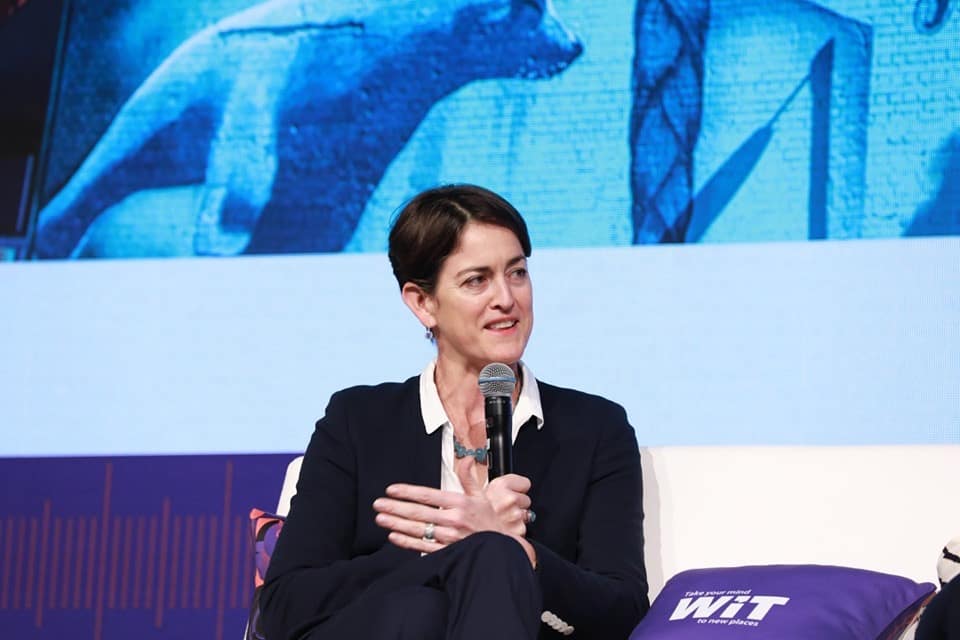
As such, she argued that it was time for companies to really care about what our customers care about and not just be purveyors of goods and services.
Melissa Maher, vice president, marketing and innovation of Expedia Group, also singled out “purpose” as a key trend for the future. “More companies are placing an increasing importance on purpose and this encapsulates sustainability, corporate social responsibility/community impact as well as diversity and inclusion.”
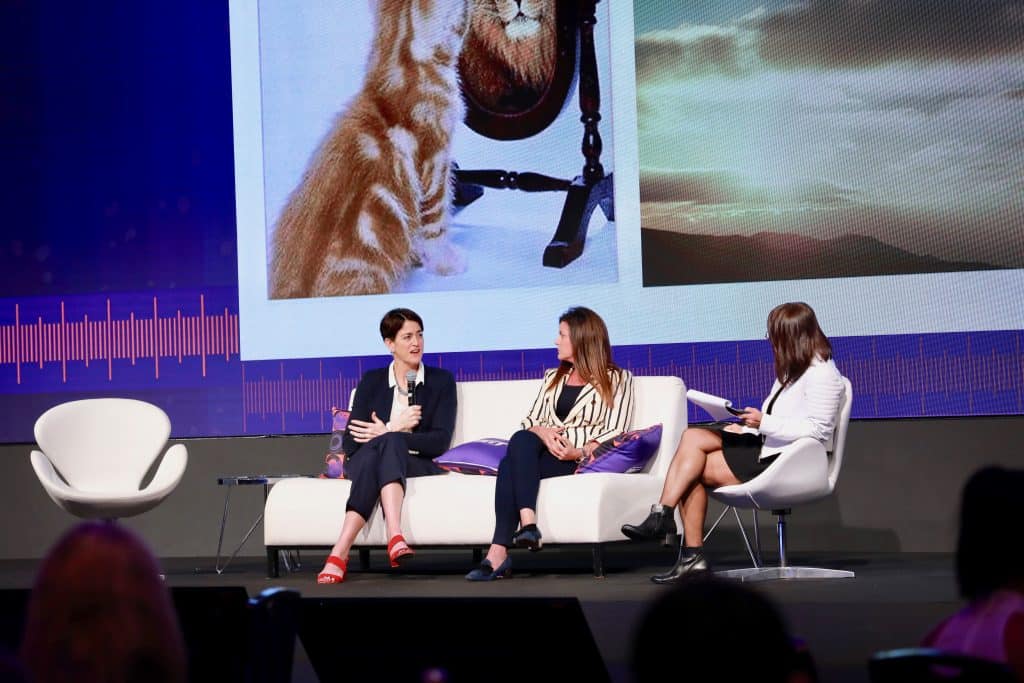
Indeed, most speakers, when asked to pick pivotal events this year that would impact on travel in 2020 and beyond, chose climate change and social activism as trends that the industry needs to respond to.
John Wroughton Brown, CEO of Agoda, picking “sustainability”, said, “It’s an old idea, but one that gets more airplay because the problems are becoming very real. Global warming, plastic pollution, and back to travel – over traveling in key destinations. Travel patterns will have to change. In the same way that consumption patterns, eating patterns, will change.”
Angel Llull Mancas, managing director of Booking.com, APAC, spoke of the company’s AB testing of adding a “Sustainability” tag on its hotels to see if consumers would pick those hotels over others. Unfortunately, they didn’t but that doesn’t mean the company will stop pushing this feature on its website, he said.
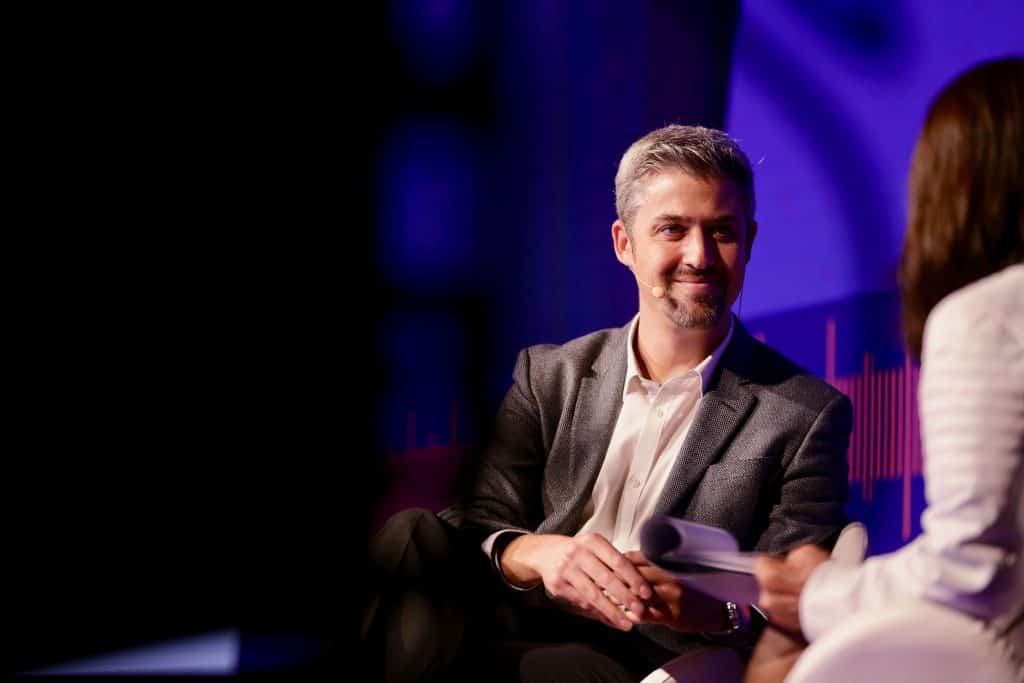
Another indication that it cannot be business as usual was also pointed out by Mancas, who took on the role in APAC a year ago, “In 2018 alone, 112 million people in Asia logged onto the Internet for the first time. Between 2019 and 2022, another 365 million new Internet users – in countries ranging from Korea to India –will join them. As Internet penetration rates climb to match those found in Western markets, another one billion people will come online. This explosion of connectivity is changing how Asians relate to each other, their governments and the world, re-shaping everything from economic aspirations to gender norms.”
2. The Rise of Super Everything & Connected Everything
It is clear that everyone is trying to connect everything to create a super something. Booking.com building out its connected trip, Agoda adding flights, and tours and activities, and ride-hailing with its partnership with Grab, Alipay integrating Fliggy and Tmall, Traveloka building out a platform, Trip.com creating a travel superapp, LINE Travel adding Loyalty and Pay, Luxury Escapes adding flights, cruises, experiences – the list goes on and on.
Said Mancas, “The rise of the super app is definitely a key development in travel, as it is becoming a mainstay in consumers’ daily lives. Whether that’s WeChat in China or Grab in South-east Asia, people are increasingly looking to super apps as a single point of entry for everything in their lives, including travel. That’s why we’re working continuously to connect all the various elements of the trip for consumers as well as striking partnerships with companies like Grab, Didi and WeChat to help drive awareness and connect consumers with more and more amazing travel experiences of all kinds through Booking.com.”
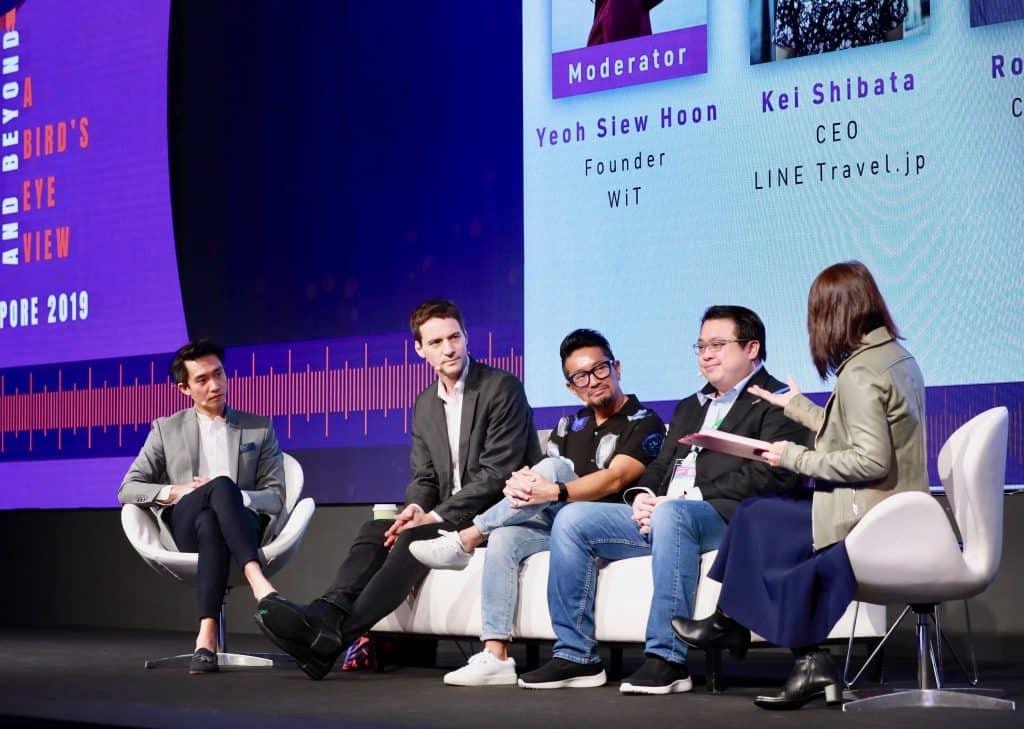
Shawn Heng, regional head of business development and Grab for Business, said it was seeing good traction of its hotels business on the app and that it would be adding flights shortly. Kei Shibata, CEO, LINE TRAVEL jp, said its partnership with the app “monster” had opened up the floodgates on customer acquisition. Spencer Lee, CEO of AirAsia BIG, spoke of how the airline is building out an Exchange with its 22m members and 200 partners, and did not dismiss the notion of it selling other airlines’ tickets in that marketplace. “Why not?” was his answer when asked, “Would you sell other airlines’ tickets?”
All agreed that consumers would, in future, buy travel wherever they wanted – and it would be from companies they trusted.
3. The full force of Alibaba to the fore in travel
The most interesting integration is within the Alibaba Group when global travel head for South-east Asia, Cherry Huang, spoke of how it is creating the “Alibaba travel ecosystem” with Alipay, Fliggy and Tmall which “now connects pre-trip, in-destination and post-trip user experiences together”.
“The thinking and business driver is very straight forward – for the benefits of both consumers and merchants. In the past, my Alipay merchants always ask, how can we reach users early? And how can we do our marketing early? On the other hand, after booking flights and accommodations, Fliggy users are also searching for information of what to do, where to shop and dine in the destination. I would say Fliggy and Alipay complement each other to create a holistic travel experience.
“Alipay as an in-destination app has a high opening rate of 85-95%. Pre-trip is always more challenging for travellers because of limited information available as travel is not a high frequency purchase. It makes sense to therefore make pre-trip and in-destination experience more seamless.”
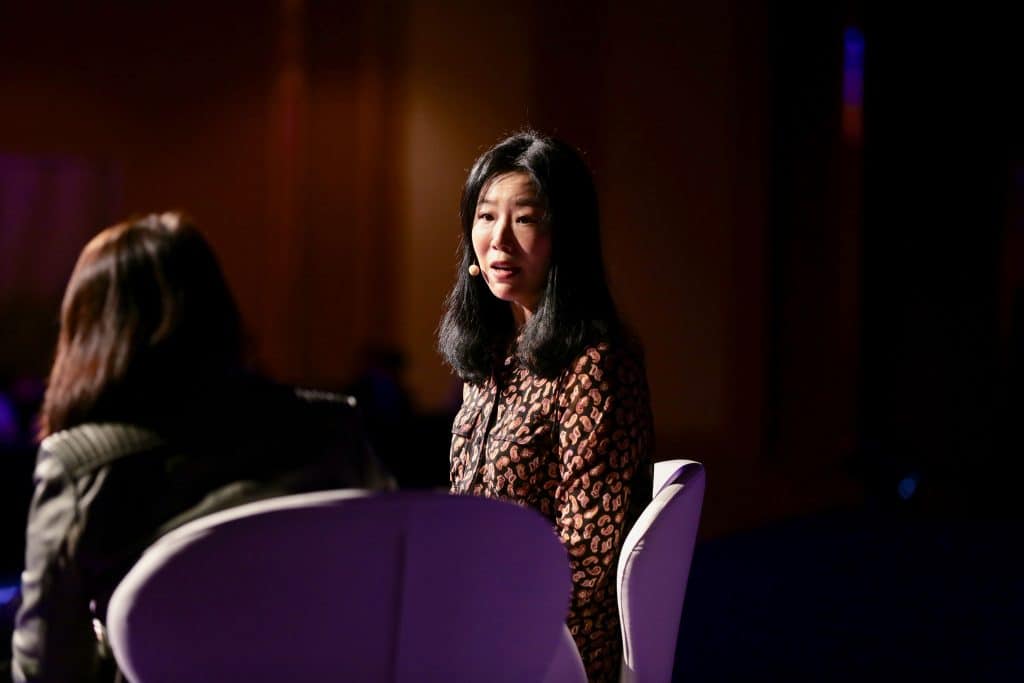
Adding Tmall is a natural extension of the entire travel experience, she said. “Often, tourists miss unique products they bought during a trip and would like to buy again after they are back in China. Charles & Keith for example – many tourists become fans of the brand after making the purchase in Singapore, and continue shopping for it through its official store on Tmall.”
Asked what was its unfair disadvantage, that is, weakness versus its competitors, Huang said, “Both pre-trip and in-destination stages present their unique set of challenges, and as an industry player that strives to cover both stages, we need to have the ability to address different types of challenges. For example, when we launched Alipay as in-destination payment service, it wasn’t easy. We had to persuade merchants who had no idea of Alipay’s popularity to sign up. And we have to face other challenges when dealing with other stages of travel.
“Being at the forefront of technology sometimes makes us lonely. The markets may not fully understand us immediately. What keeps us going is our strong commitment to the mission of “making it easy to do business anywhere”
4. Payments is the new king
Step aside, content. Three predictions were made at WiT by Filip Filipov, vice president, strategy, Skyscanner. Whoever integrates payments, wins. Payments will integrate travel. Big travel companies will behave like banks.
In his presentation, Filipov showed that Asia was moving the fastest towards ewallets and that by 2022, ewallets would form 66% of payment methods, up from 52% in 2018, and he pointed to startups like Revolut which allowed you to open a bank account in minutes and it offered services from credit card, bank account, multi-currency, cross-border transfer, investing, insurance, concierge, savings, analytics.
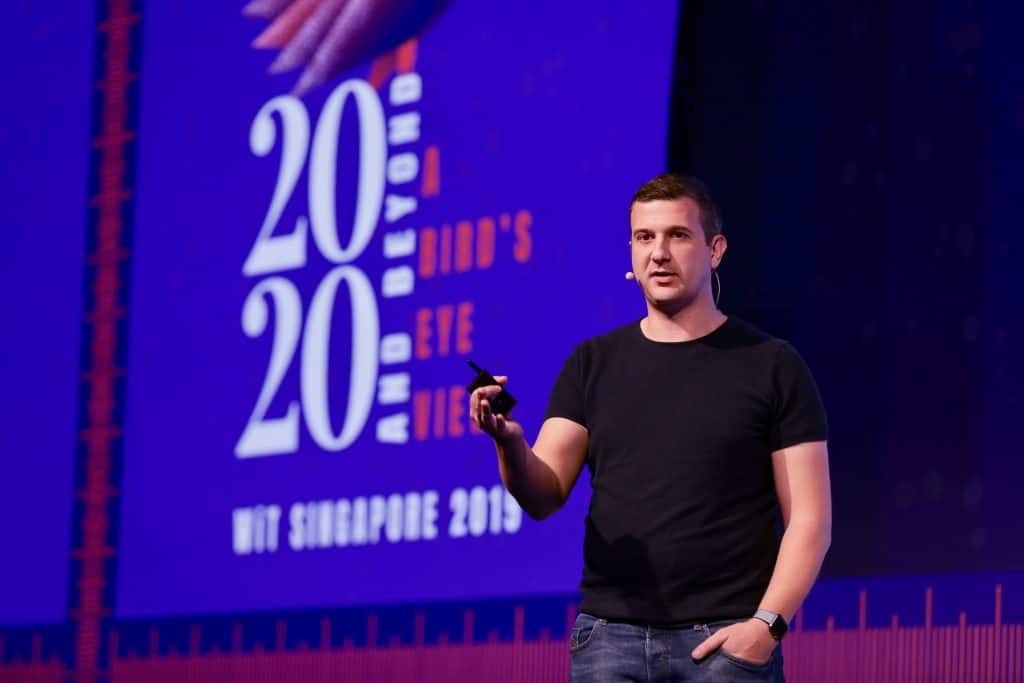
To compete, he said, global companies needed all payment solutions in all markets (through partnerships). To compete regionally, you needed one solution in regional markets (for example, Grab or Traveloka) and to compete locally, you needed to offer the major payment method.
O’Neil-Dunne and Thorsen also covered payments in their predictions, calling out that payment moves beyond crypto but virtual currencies are the norm, settlement moves to real time, cost of financial fulfilment moves to zero, and common frameworks enable all forms of transaction: peer to peer, many to one, one to many and many to many.
5. New models emerging, with airlines like Volaris leading the charge
There is certainly more appetite to try new models, especially among airlines. Volaris, the ultra low cost airline in Mexico, introduced subscription fees two years ago and Juliana Ramirez, business development senior manager, said it was seeing good results. (The V.Pass service gives the airline predictable cash flow as well as the ability to introduce cluster pricing and offload distressed inventory.)

“We are completely price-driven. There is no loyalty. If you want loyalty, buy a dog,” she said. Volaris customers fly 2.2 times a year compared with the average Mexican who flies 0.3 times a year. “We wanted repeat business and so we looked at a subscription model, we want to be the Spotify of aviation.”
Since V.pass was introduced – for $15 per month, users can fly anywhere on the domestic network, or pay $30 for a guaranteed return ticket – it’s seen double digit growth. “We are careful who we sell this product to, it’s our loyalty programme on steroids, we target frequently flown routes,” said Ramirez.
6. Time to earn your money, not burn it
Profitability has become the new black as public and private markets become disenchanted with business models that chase unprofitable growth for high valuations. Agoda’s Brown pointed to two headlines – “WeWork’s woes and South-east Asia’s startup scene” or “The fall of Adam Neumann is the logical endpoint of Silicon Valley’s unicorn bubble” – as pivotal moments in 2019.
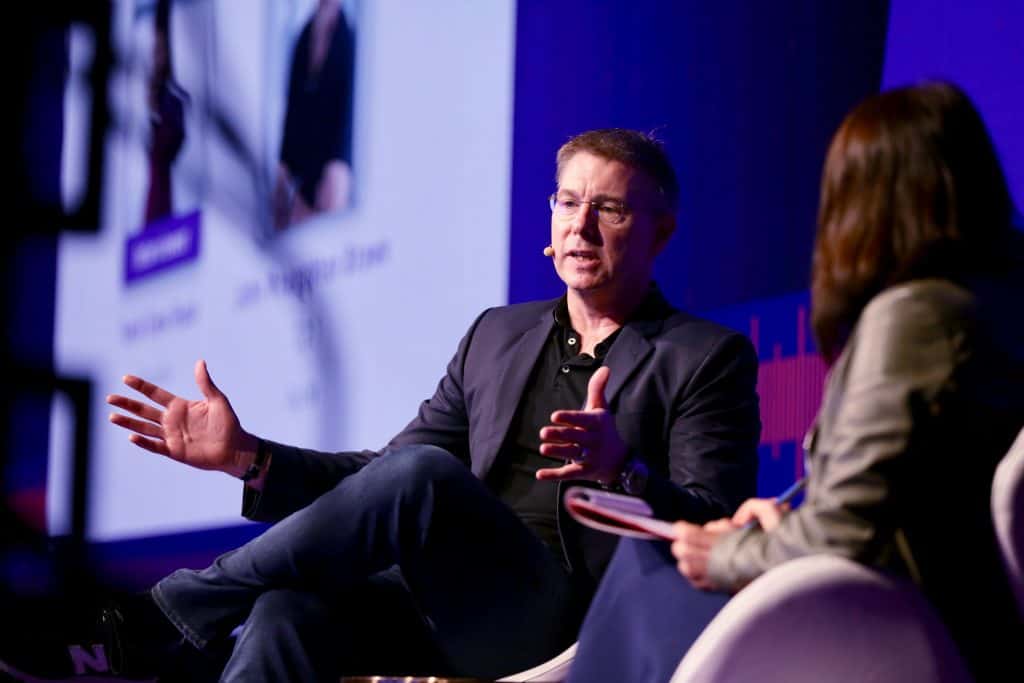
“These are just two of many such headlines. It’s impactful for travel because so much money has flowed into travel companies in South-east Asia and beyond, and not all that money is going toward addressing particular customer needs. Sure, we need VC money in the world, and some startups and unicorns will succeed, but looking ahead, there will be less following a “vision” and more following the models that solve real problems.”
On the Innovation Stage, Stephen Joyce, CEO of Rezgo, pointed out that of the $1.8b invested in tours & activities, 99.3% went towards OTAs and marketplaces and yet only 5% of gross sales was attributed to online intermediaries. He argued for more attention and focus be given to those who create the experiences on the ground.
Meanwhile, companies such as MakeMyTrip, celebrating 20 years in 2020, and Traveloka and Grab, founded 2012, all spoke of eyeing profitability with the common message being that certain segments of their businesses were profitable on their own, but were being used to underwrite expansion plans into other categories.
7. Nurture unorthodox partnerships
Travelstart’s Ekbergh, using the movie “Back To The Future” as a canvas for his talk, said, “Inventions are born in the intersection between fields, disciplines and cultures, because then you can combine existing concepts into a large numbers of extraordinary ideas. Frans Johansson, the author, calls this the Medici Effect. In short our future lives where there is diversity.”
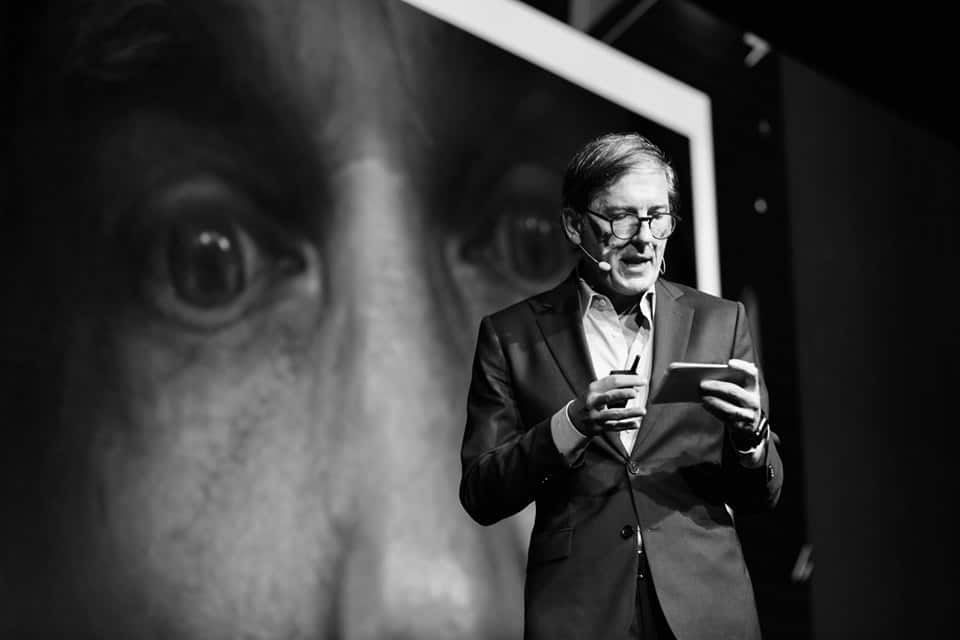
Citing the partnership between Mac Davis and Avicii, he said, “Mac Davis is a legendary country/folk singer who used to perform Elvis songs and Avicii of course the late great DJ/producer. Davis was instrumental in the creation of the mega hit “Wake Me Up”, so if you want to create the future find someone who is exactly not like you.”
Listen to the unorthodox partnership that produced “Wake Me Up” here.
8. Social media are the atomic weapons of today, only we can stop them
Finding “someone who is exactly not like you” is increasingly hard in a world driven by social networks and my final takeaway from WiT came from Morris Sim, the former CEO of Brand Karma who, 10 years ago on the WiT stage spoke of the rise of social media and the triumph of human empathy over algorithm-driven search.
Well, guess what, 10 years on, the pendulum has swung the other way where data and machine learning has squeezed human empathy out of social networks.
In his talk, Sim compared social networks that have swung elections, manipulated masses and helped the spread of fake news to today’s atomic bomb. He said he was using political campaigns as an example because it’s a glimpse into how extreme it could get. “Propaganda techniques like Bandwagon, Testimonials, Transfer, Name Calling, Glittering Generalities, Card Stacking, and Plain Folks, are all in social media in order for us to get views, likes, subscriptions, and advocacy. It is the gift of social media.
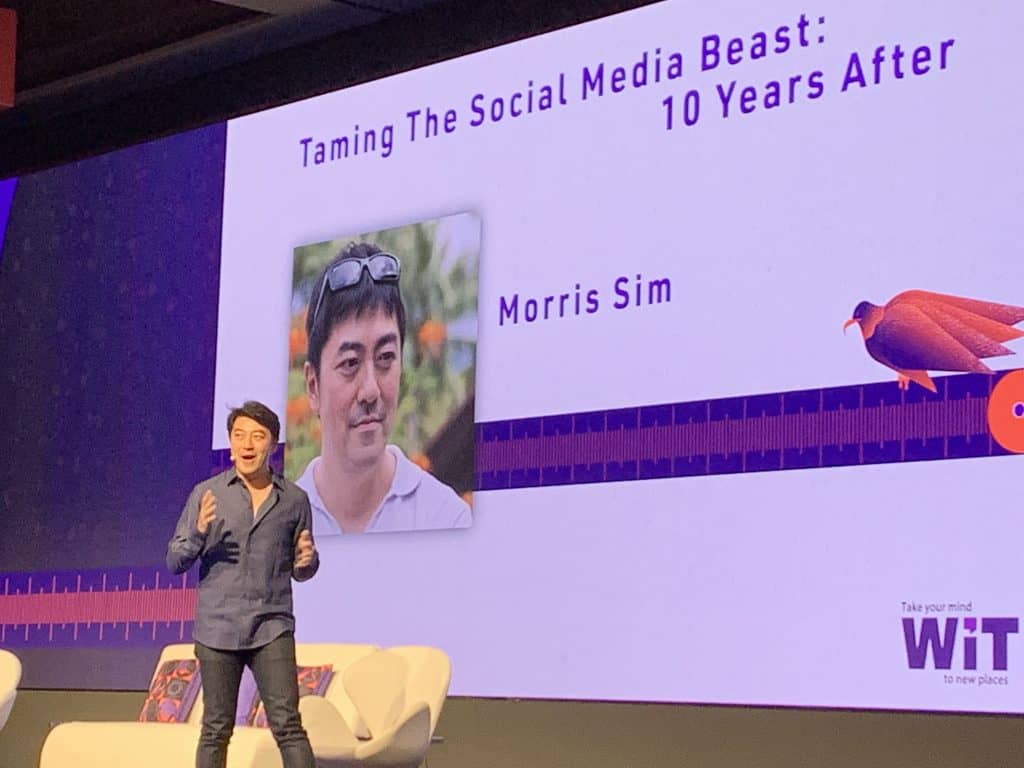
“But when weapons-grade data modeling techniques are applied to identify target audience AND large sums of money used to buy increased exposures and repetitions of the propaganda, the result can be swift chaos.
“The platforms have grown so big that the platform makers can no longer manage what they created. We are the ones that need to step up, starting with using these tools responsibly and truthfully. This is a matter of principle that cannot be compromised, even on a platform like TripAdvisor, where a recent study of nearly 250,000 reviews by a British consumer organisation showed 1 in 7 have “blatant hallmarks” of fake reviews. Many of the offending hotels were ranked in the Top 10 of their respective destinations.
“These fake reviews didn’t help travellers. They helped some hotels’ bottomline until they were caught but took away from all of us the trustworthiness of a valuable travel resource.”
Quoting J Robert Oppenheimer, inventor of the atomic bomb, “If atomic bombs are to be added as new weapons to the arsenals of a warring world, or to the arsenals of nations preparing for war, then the time will come when mankind will curse the names of Los Alamos and of Hiroshima”, Sim said that “as leaders, we have to be black and white in our guidance. No matter which technology, what each of us decides to be OK in our pursuit of money, power, and fame, collectively, will determine whether that technology is a blessing or a curse.”

So on that thoughtful note, back to the ephemeral moment on Cempedak when fireworks lit up the night sky over the South China Sea, I swear I saw a black naped Tern swooping by. I wonder what was its bird’s eye view when it saw three men and a woman sitting on a rock in the middle of the ocean? Humanity gone mad? Or Humanity wondering about a future where human and machine will become increasingly fused?
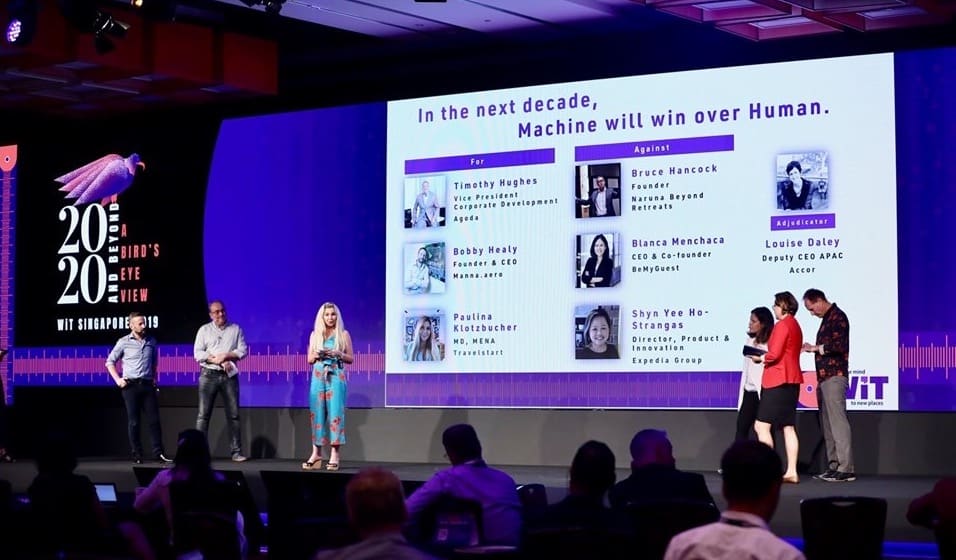
The winner was Humanity during the WiT Great Debate on Human vs Machine. I fear that’s just wishful thinking but then that’s Humanity’s greatest strength – hope.
Have a bountiful and prosperous flight into 2020.