Travelling straight from the private island of Cempedak to the mass tourism island of Bali is one thing, but going on from Bali to Shanghai the day after, well, that’s another. The contrasts are marked but there’s a common thread that weaves through them – the story of travel – as Yeoh Siew Hoon discovers on her 14-day, back-to-back trip covering the three destinations.
Of bamboo, sand and dugong tears in Cempedak
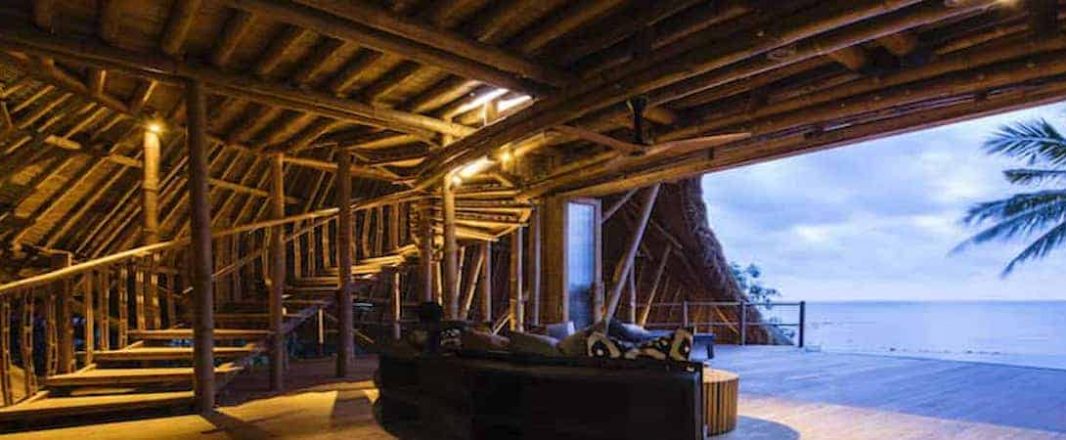
The Cempedak experience starts the moment you step off the ferry from Singapore, and are whisked into your private car for the 30-minute boat ride to the island. From that moment on, you are pretty much ensconced in solitude.
This is a private island with 20 all-bamboo villas, maximum adult population say 40 at any time (no under-16s allowed), a handful of monitor lizards and definitely a lot of birds which you hear rather than see although occasionally if your eyesight is keen, you will spot a black-naped tern or two.
You live among bamboo and sand and eat food (most of it grown on its own farm) prepared creatively and deliciously by local chefs. The only decision you have to make is whether to get out of your villa to snorkel, dive, kayak, walk or spa.

With your bare feet in the sand, you are aware of the environment and our human impact –you don’t use the hairdryer, don’t drink from plastic bottles and appreciate the behind-the-scenes work in managing energy and waste on the island. This island, owned and run by a former Australian banker, Andrew Dixon, and friends, prides itself on sustainability practices and is part of The Long Run, a membership organization of nature-based tourism businesses committed to driving sustainability.
You visit a local fishing village and speak to the last dugong hunter who’s been “incentivised” to stop hunting the marine mammal with alternative income from tourism. He speaks of plentiful fishing in the past and how the dugong is prized for its teeth and tears. Only humans could turn an animal’s sorrow into profit.
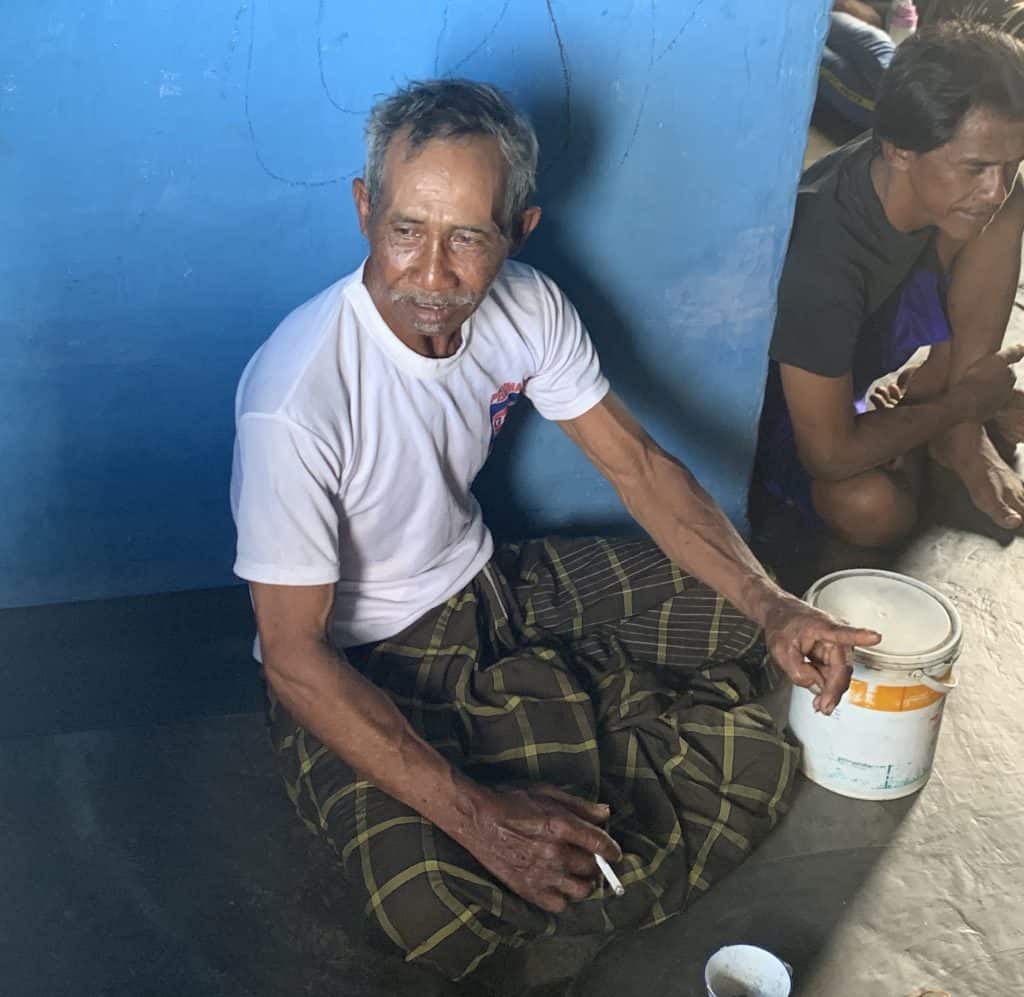
Today, Pak “Dugong Hunter” welcomes tourists like us into his home and regales them with tales of his exploits. Asked how he feels about having to stop hunting for dugong, he says, “Long as I am paid, I am okay.”
In Cempedak, you see the tangible good that limited, high quality tourism has done – it’s created quality jobs and education for local communities, raised awareness of the environment among visitors and locals, and enabled travellers to snatch moments of tranquility amid their busy lives.
Bali, the island of mass tourism and GoJek, the hopes of a nation’s education
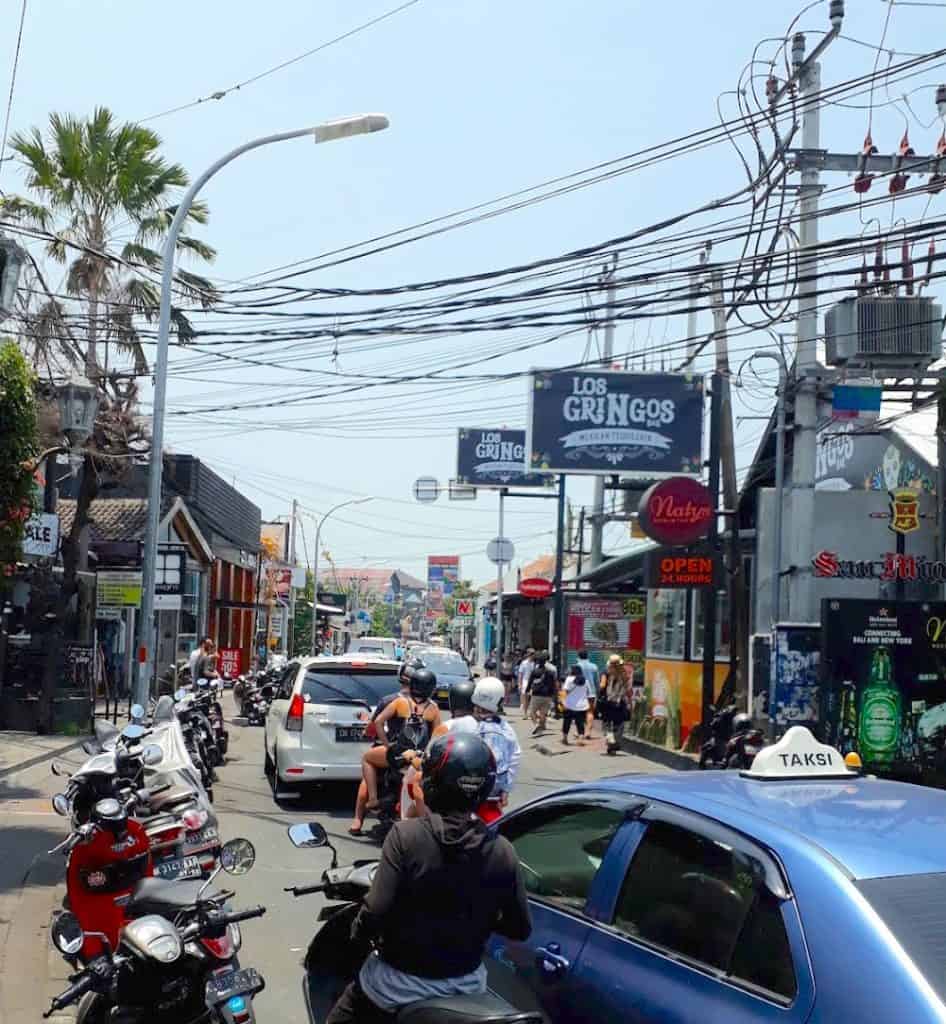
After the solitude of Cempedak, arriving in Bali is like being plunged right into a raging waterfall. The airport is packed, it’s the Diwali weekend, the Hindu festival of lights, and Bali is heaving with people seeking to escape their urban jungles for island pleasures.
Amid the hordes of greeters waiting to pick up their customers, I cannot find my transfer anywhere. I resort to GoJek, this is their home after all, and after several texts determining my exact location, the driver and I find each other.
That very day, the co-founder of GoJek Nadiem Makarim had just been appointed the country’s education minister. Made, who’s been driving GoJek for four years, is beaming with pride. “Pandai, dia,” he said. Clever boy, Makarim.
I think the government is clever too – they need to refresh the country’s education system and the 35-year-old Harvard alumni who’s built his business into a valuation of approximately US$10 billion will hopefully be able to bring fresh energy and break through the bureaucracy to deliver on the promise.
Bali needs fresh energy too to reimagine its tourism path the next 10 years. Staying at Westin Nusa Dua, I feel transported back to the ‘80s when tourism meant staying in designated and landscaped enclaves, fighting for your space by the pool and buffet lines, and occasionally venturing out on day tours, until the traffic got so bad you might as well not move.
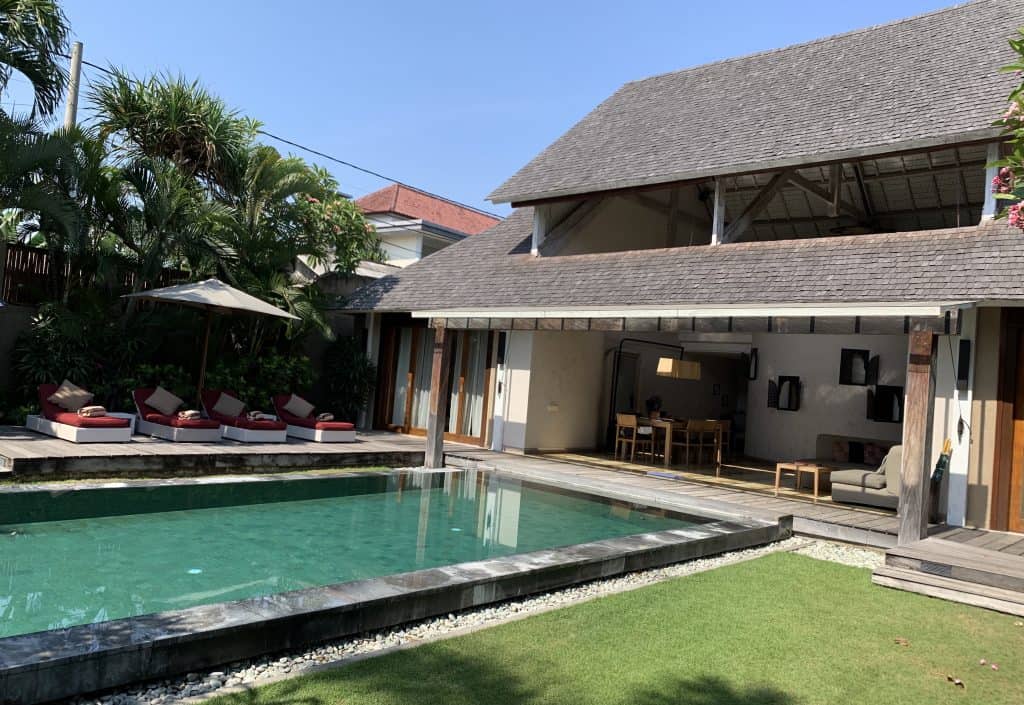
Then it evolved into staying in private villas (I moved to Space the day after) and occasionally walking out for food and drinks in cafes and restaurants of which there is no lack.
Tourism is both Bali’s blessing and burden. Without it, there would be no livelihoods. With it, you hardly see and feel the Bali you know is still there unless you make the effort. Sitting in traffic jams, you occasionally catch a glimpse of a Balinese woman carrying her prayer offerings to the temples, as she weaves her way in and out among tourists.
In the last 20 years, visitor profiles have changed, stays are getting shorter and, instead of spreading out, tourism (as well as traffic) has become concentrated in the main tourist circuits of Kuta, Nusa, Seminyak and Ubud.
Our Balinese driver says Bali has also changed for him. “Now we also feel very stressed, so maybe we don’t smile as much,” he said.
Don’t get me wrong. Bali is still the perfect short getaway for folks living in Asia – it is the instant fix for urban stress. But you have to wonder what the next 10 years will bring this beautiful island which straddles that fine balance between deep traditions and mass tourism.
Is there a different way of thinking about growth for Bali? How can Indonesia spread tourism beyond Bali? If technology can help scale, can it help spread? These questions were on my mind as I left Bali to catch my connecting flight to Shanghai.
Shanghai, 20 years on: Welcome to the Great App Wall of China
Landing in Shanghai, well, this latest visit was evidence of what the last 20 years has meant to this city, and China, and what the next 20 years could well mean for the world. Shanghai is The Future on Steroids.
Staying at Pudong Shangri-La (I first stayed here in 1998, when it opened), I recall how I had first been told of this hotel project by Shangri-La executives – they painted a picture of a tower that would be built on farmland, and how this Lujiazui district of Pudong would be redeveloped. Today, the hotel, with nearly 1,000 rooms and massive convention spaces, works like an efficient factory, churning people in, through their restaurants and out the revolving door.
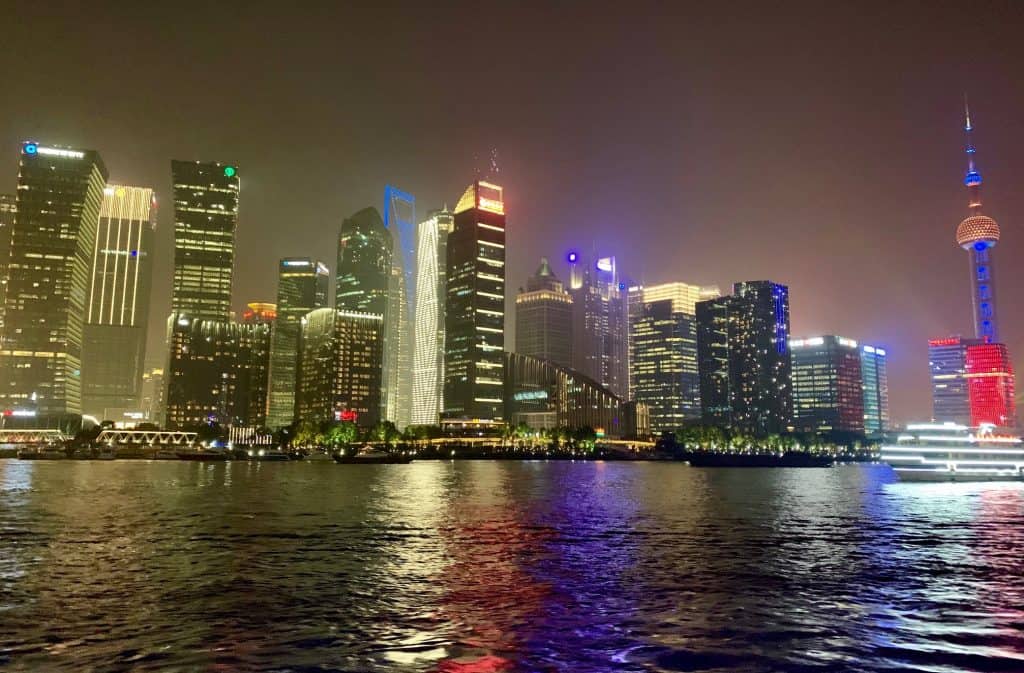
I could never have imagined what stands here today in Lujiazui (which, by the way, I am told is eight times the size of London’s new financial district). Skyscrapers after skyscrapers, malls after malls, highways after highways, neon lights after neon lights – it’s a never-ending assault on the senses and a constant reminder of how far China’s come and how far more it wants to go.
Attending Ctrip’s 20th anniversary (now Trip.com Group) at the Shanghai Expo, which was attended by more than 3,000 delegates, you’re reminded of the market scale that’s brought this company to where it is today, and you marvel at its imagination and ambition to step outside its home.
As for innovation, well, China clearly leads the way in mobile tech. While the rest of the world is still testing facial and product recognition, Chinese consumers are already using it everyday. The Chinese short video app Duoyin has introduced a reverse-image search tool that enables some users to find in-video products such as clothing, which they can then purchase directly within the app. On the Trip.com event app for its Airline Partner Conference, facial recognition helps you pick out your images from the rest.
As a tourist in China, you are literally blocked by the Great App Wall of China if you want to do anything – order a cab, order food, pay or chat. If they want inbound tourism, which Trip.com Group’s chairman James Liang has declared they must, then this is something they have to address.
(No sooner has he said this came the news this week that Chinese payment giants Alipay and WeChat Pay plan to open their platforms to foreigners visiting China as regulators ease restrictions. That’s how fast China moves.)
Moving across from Pudong to Puxi the next day, my eyes were opened to the evolution of the traveller experience within Shanghai itself.
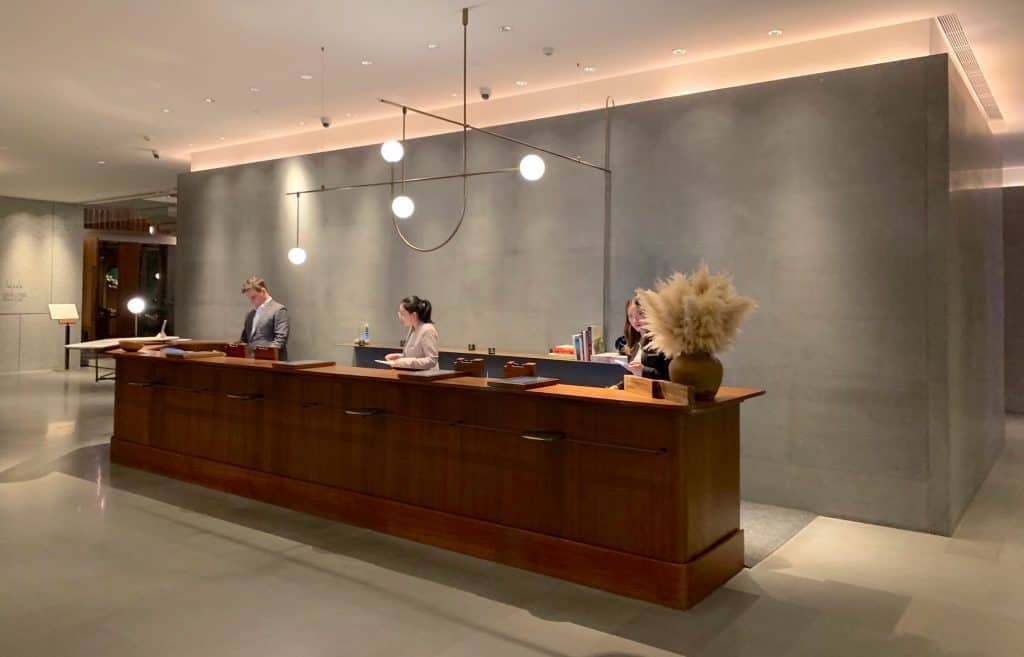
It’s no longer all about size and lots of gold fittings when it comes to architecture and design. The Sukhothai Shanghai feels like it’s brought the Thai design and feel of its flagship hotel in Bangkok into the heart of Shanghai. Minimalist and warm, its walls and spaces are lined with art and its Urban restaurant specialises in South-east Asian cuisine, with an accent on Thai, with herbs and vegetables grown on its own farm in the city. It runs complimentary art and culinary tours for guests.
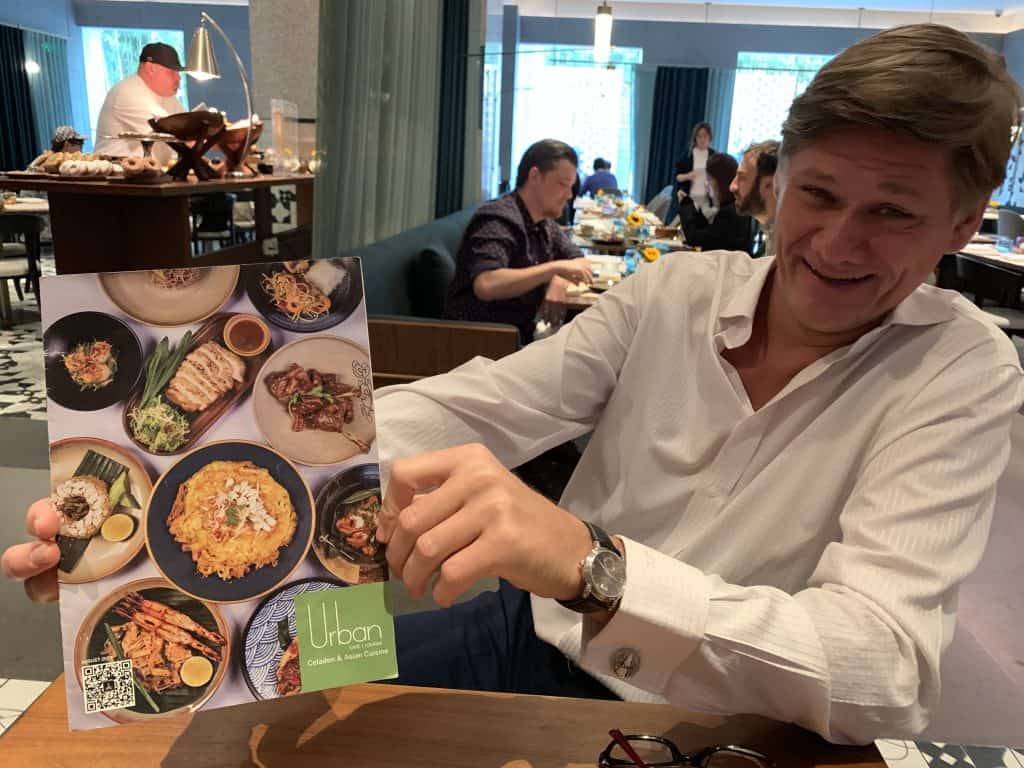
Marcel Holman, general manager, told me that increasingly guests were looking for neighbourhood things to do “and we try and make it easy for them to explore the immediate area”. With the intense competition in the city, Holman said it has to differentiate itself in other ways, beyond the product – which happens to also include a well-stocked gin bar.
In other words, it ticks all the boxes of an urban, lifestyle hotel in tune with the times. It could be anywhere, yet you know it is unmistakably in Shanghai.
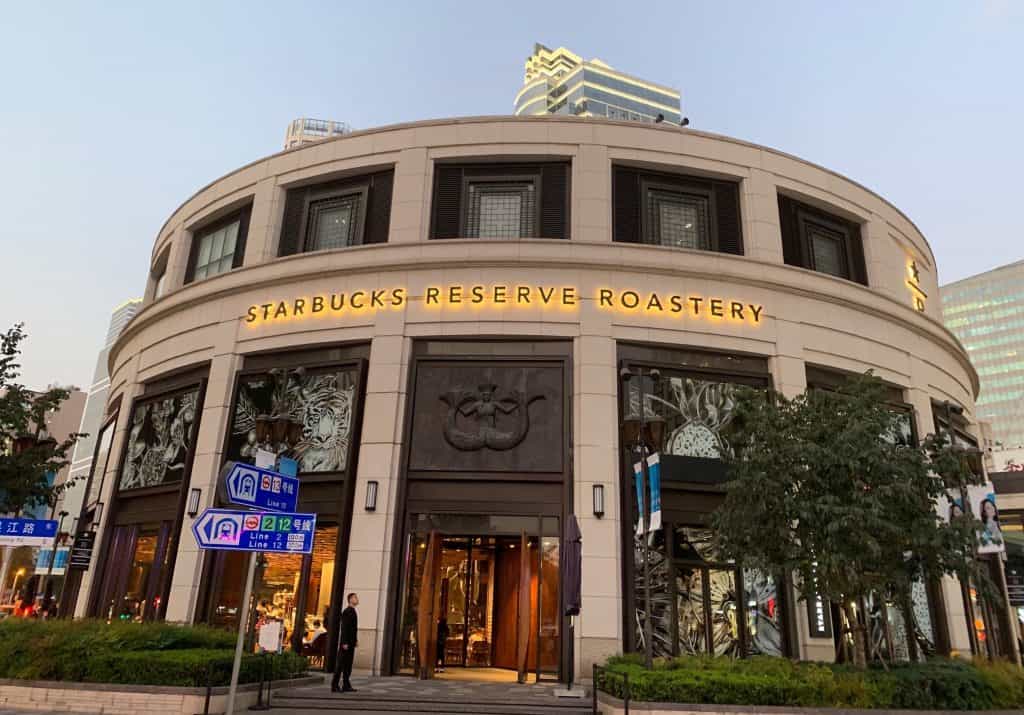
Ultimately though, size still matters. A walk away is the Starbucks Reserve Roastery, which used to be the largest Starbucks in the world (until the one in Tokyo opened this spring). Go inside and it’s no longer just a café with a few cakes and desserts. This is lifestyle wrapped around coffee – only in this city of the future could the humble coffee bean grow to such lofty and exalted heights. Nearby a historic cha (tea) house sits empty.
On my flight back to Singapore, I realised I couldn’t have picked a more unorthodox trio of places to visit in one whirlwind trip. Cempedak, Bali and Shanghai couldn’t be more different but then that’s the beauty of travelling in Asia – these days, you can mix it up anyway and anyhow you want, from island tranquility to instant gratification to urban awesomeness, all in one hit.