Like most of humanity during lockdown, Anchalika Kijkanakorn became really good at baking sourdough bread. Each morning, she’d wake up at 6am to “go and feed the beast”, the beast being the starter needed to make sourdough, as the non-baker me learnt.
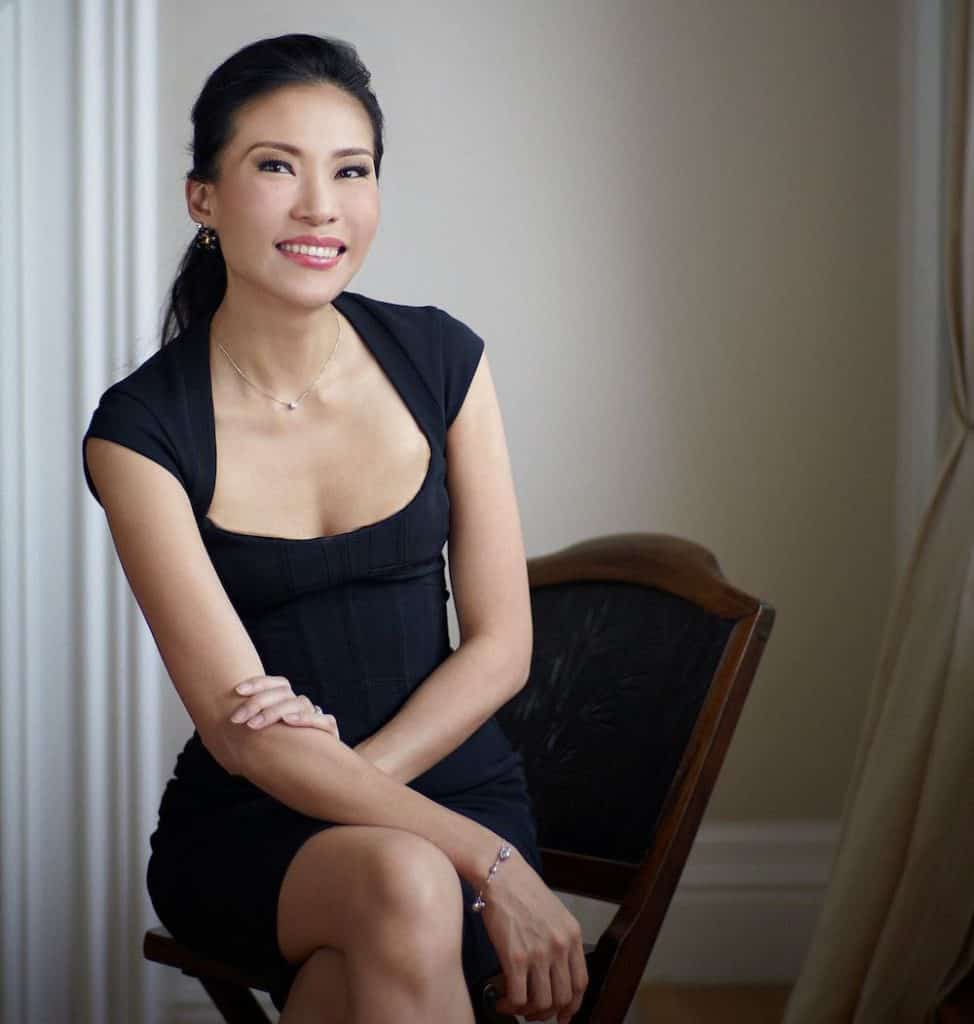
And if she could, she said, she’d spend her whole life baking. “I love it so much, it’s so relaxing,” she said.
Unfortunately, she has a business to rescue and run – the AKARYN Hotel Group, which she founded in 2003 after a 10-year career with GE Capital – and now she’s back at the office, leading the troops to put the business back on track.
You could say she went into the hotel business with eyes wide open. With her finance and investment background, she was well aware of the challenging economics of running a group of five boutique hotels. “It is really hard because to do the work for 20, 100 or 500 rooms, that is still the same amount of work but you get a lot less money for it.”
Yet she has no regrets about leaving the investment world, even now when travel has taken such a battering.
“This is fun. It’s more interesting. You know, I could make a loaf of bread with yeast as well, it’s easier but I’d rather do sourdough. It takes me 24 hours to make a loaf of sourdough. Besides, sourdough’s better for you,” she laughed.
AKARYN specialises in the management of small luxury resorts in South-east Asia and is the owning and management company for Aleenta Phuket-PhangNga and Aleenta HuaHin-Pranburi. It also operates the akyra Manor Chiang Mai, akyra Thonglor Bangkok and akyra TAS Sukhumvit Bangkok.
From the start, Anchalika set out to build a group based on the promise of “sustainable luxury”.
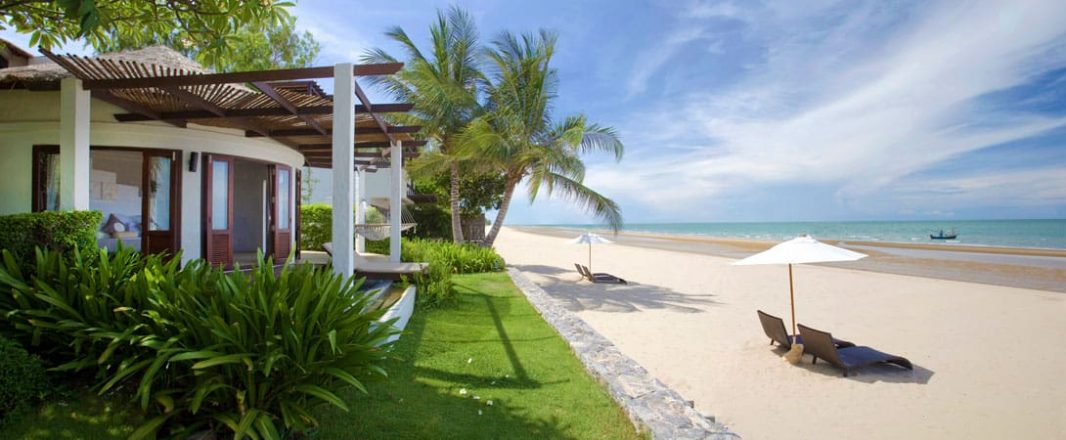
Her first hotel was the Aleenta HuaHin-Pranburi, a conversion of her family beach house. “I didn’t know what an agent or wholesaler was, I didn’t know about the whole contracting season. It was the beginning of the Internet and I had worked on the launch of an e-commerce business in Cologne, Germany, with GE. So I launched my hotel purely on the Internet. I sold direct only and people were amazed at the kind of rate I could get.”
Of course, times have changed. Today, depending on the hotel, between 30% and 60% of her business comes direct. “It’s harder and harder now, it wasn’t as hard to ward off the wholesalers but it’s harder with the OTAs. It’s just how the Internet has changed the industry,” she said in her pragmatic fashion.
Getting ready to catch the first wave of recovery – the question is when
With life in Bangkok back to normal and domestic travel restarting, Anchalika said her Hua Hin property has been particularly busy and in fact, right after lockdown, was overbooked most days. “But demand is coming down because schools have opened again.”
She hopes to re-open her hotel in Phuket in November. “We’re refurbishing and cleaning it up to make sure that it’s ready for reopening.”
As happy as she is with the fact that Thailand has done a good job with containing the coronavirus, she lamented, “It’s just the rest of the world is not there yet.”
And that is Thailand’s biggest challenge because as much as the government is encouraging Thais to travel – it created a new national holiday in September and is giving subsides for holidays (3,000 baht per night and 500 baht per meal per person) – Anchalika said Phuket is highly reliant on foreign travellers.
“It’s 12 hours’ drive from Bangkok, so it’s not driving distance, plus people are back at work. You really do need flights to operate. Our hotel in Chiang Mai is not doing that great; it’s 11 hours drive from Bangkok.”
Although she said that wealth had spread to the rest of the country in the last decade, she estimated that Bangkok still accounted for up to 70% of the domestic market.
Watching the hollowing out of an industry she loves has been tough. “A lot of people were furloughed, a lot had to go on part-time, and a lot of people have lost their jobs.”
In her group, she’s had to take similar measures. “We are still on reduced time and salary. We had a central team doing sales and reservations for five hotels, and now we are basically doing three hotels and these hotels are not very busy.
“But it doesn’t mean that we sit here and wait until it’s over because we need to figure out what’s going to happen, how are we going to position ourselves so that we catch the first wave of the return?”
The group is launching a new wellness programme, which she describes as “wellness that is sustainable so that it’s a way of life and not something you do only when you are with us”.
Here’s how she describes it further: “It’s a middle path, so you don’t have to go and run 10 marathons a year and you don’t have to eat grass. My dad is 98, he swims every day and he still drinks a glass of wine before he goes to bed, and he’s walking around and he still goes to the market and buy mushrooms for lunch. I want to be able to offer people a path for a healthy, long life, that is sustainable, without going too far one way or the other.”
Her belief is people are going to be needing more wellness programmes than ever before and I am betting, she’d be right.
How doing community work at GE led to Pure Blue Foundation
Her experience at GE Capital has also come in handy during this period. “The thing I learned most at GE is that change is inevitable and you need to be prepared. I really learnt the basics of business there.
“The other thing I learned is the relationship with the community. When I was with the audit staff at GE, we did a lot of community projects and that was something I really enjoyed.”
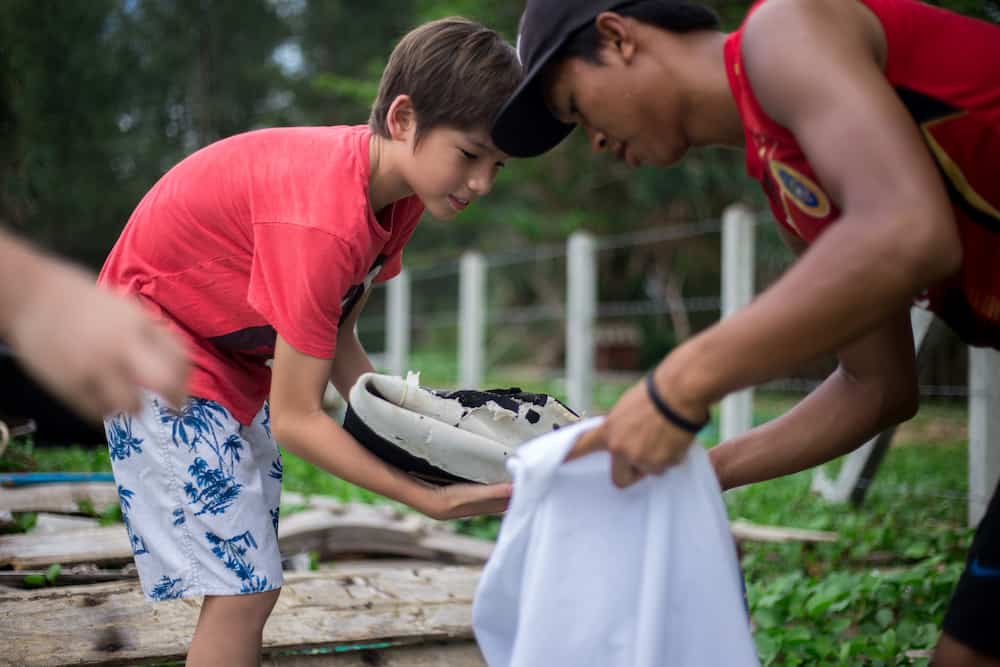
This experience was the reason why when she started AKARYN, she established the Pure Blue Foundation at the same time. “I wanted to make sure we’re not part of the problem when we encroach upon these beautiful locations where we open our hotels but we’re part of the solution, whether it be working with the local community to create more jobs, or working with kids to teach them the importance of environment.
“When you’re a good part of the community, you have a stronger survival rate.”
Anchalika wanted sustainability to be embedded into everything the company did. It set out to become Thailand’s first single-use plastic-free hotel group by this year, a goal she said was achieved a year ahead of time.
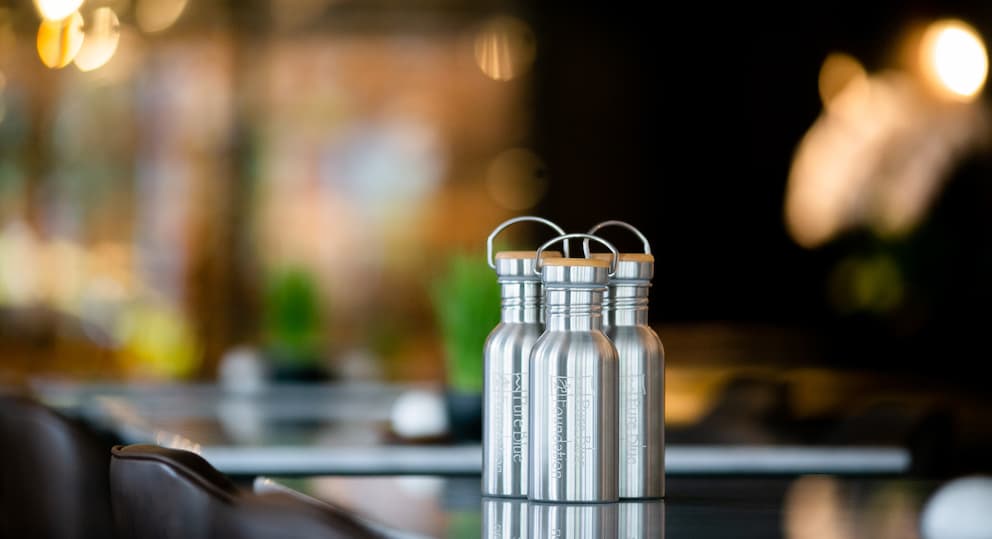
“When we opened our first hotel as a single-use plastic free hotel in 2018, it caught the imagination of my team, so they went all out to achieve that goal. But let me clarify, when I say we’re plastic-free, we’re, say, 98% plastic-free. I can’t stop people sending stuff to us still in plastic, right? But we can do what we can to make sure it gets better.”
And she believes sustainability is not going to take a back seat in light of the economic plight Covid has plunged the world into.
“The two goes hand in hand. It’s almost like you got to eat but you also got to sleep. You can’t say, I am not going to eat, I’m going to sleep. Take a look at the stock market right now – we would have expected it to be destroyed right now but no, it’s going sky high.
“And guess which company is the biggest gainer? Tesla. Tesla is the biggest car company in the world by market value now. Why is that? They actually don’t produce as many cars but because they’re producing electric cars and people are rooting for an electric future.”
She is realistic enough though to acknowledge that consumers “are not always going to check the carbon footprint of a hotel company before they choose it”.
“But once they have chosen someone, and when they see that it’s being done, it’s a feelgood factor and it’s that feeling they bring home and then they don’t feel so bad. It’s not a choice maker, but it’s a satisfaction maker.”
She also believes that people are not going to stop flying despite all the talk about carbon emissions. “When the sky opens again, it’s going to be a floodgate because people are so fed up of staying at home. They want to be traveling again, so don’t worry about those planes. The only thing is they probably going to be looking for a more remote places to go to rather than big cities.”
Plans to expand outside Thailand have also been delayed due to Covid. It had two hotels under construction in Bali and Hoi An, Vietnam. “They’re probably a little bit further down the road now but it’s happening. Expansion will come. I just need to make sure that my core is taken care of first,” said Anchalika.
That, and her sourdough bread.
Note: Anchalika Kijkanakorn will be speaking during WiT Experience Week, September 28-October 1. Sign up here.
• All images credit (featured image is one of the properties, Aleenta HuaHin-Pranburi): AKARYN Hotel Group.