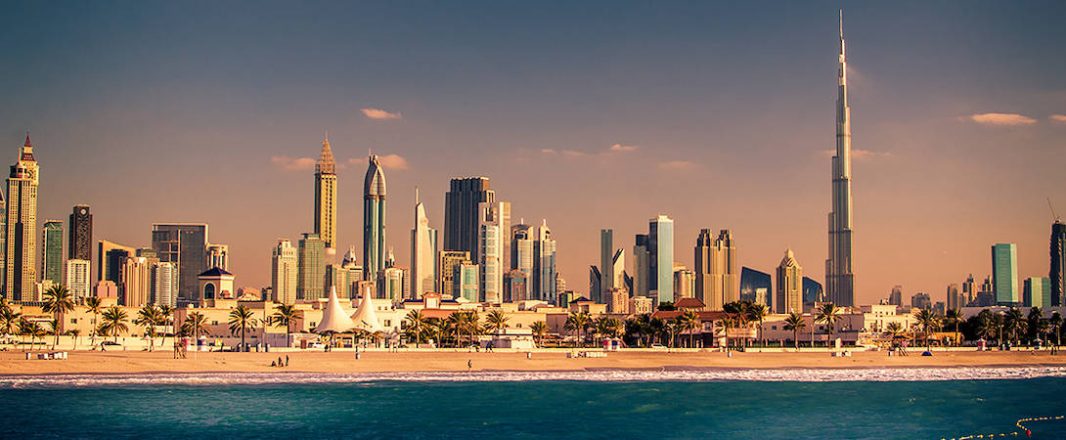
WHILE the raging pandemic has practically rendered international leisure travel off the table for much of 2020, the desire to pack our bags and indulge in the passion of discovery is far from being extinguished. This desire is most apparent when we take note of the domestic travel boom in many regions.
The Middle East has seen a similar trend in travel behaviour, apparent in the rising hotel searches among the locals. We’ve taken a look at our data here at Wego and discovered the following top cities dominating the domestic tourism queries in the Middle East during the pandemic.
- Dubai
- Riyadh
- Jeddah
- Istanbul
- Abu Dhabi
- Cairo
- Al Khobar
- Al Madinah
- Makkah
- Ras al Khaimah
Countries see domestic tourism taking off

With governments across the globe looking to revive their battered tourism industry, safety measures and somewhat relaxed entry requirements have been introduced in a bid to attract international visitors.
However, for countries where international tourism remains banned governments have turned their focus inward by encouraging residents to opt for domestic tourism instead.
Over the course of the pandemic Middle Eastern countries have attempted to entice would-be holidaymakers to forgo international travel by introducing attractive campaigns and programmes aimed to spur domestic tourism. Poring through recent travel news and Arabic travel insights we’ve seen countries such as Saudi Arabia, United Arab Emirates and Egypt experiencing a surge in domestic tourism as people are keen to explore their own backyard and take advantage of the available offerings.
United Arab Emirates
Following the relaxing of entry requirements international travel to and from the UAE has been largely restored. The emirates of Dubai, Abu Dhabi and Ras al Khaimah are currently accepting domestic and international visitors, albeit with their own unique restrictions.
On the domestic front, the pandemic has paved the way for a strong trend. Hotel occupancy rates soared with nine out of 10 guests being UAE nationals as opposed to just one in five during the pre-Covid days.
Weekend staycations seem to be the norm as hotels and resorts reported full occupancy in Abu Dhabi, Ras al Khaimah and also Dubai. Additionally, Emiratis also tend to gravitate towards desert resorts, glamping facilities and beach resorts.
Saudi Arabia
The Kingdom of Saudi Arabia is currently closing its borders to all international arrivals. The restrictions similarly apply to Saudis looking to travel overseas—apart from those in the ‘exceptional categories’—until at least 1 January 2021.
The Saudi Government has launched and completed its Saudi Summer campaign aimed to encourage residents to rediscover their homeland. The campaign ran from 25 June to 30 September and saw domestic tourists flock to Al Khobar, Al Taif, Jeddah, Makkah, Madinah and Riyadh among other cities.
With the success of the campaign the subsequent Saudi Winter campaign is set to follow. The programme will focus on several highlights, including Winter of the Sun, Winter Season and Umrah programmes.
Turkey
With weekend lockdown imposed for the first time since June movement restrictions are in place for residents and citizens of Turkey, effectively preventing them from leaving their homes and embarking on trips. Consequently, Turkey’s domestic tourism has inevitably taken a back seat again to its international counterpart.
The lockdown does not seem to affect the inflow of international tourists to Istanbul as foreign tourists are exempted from the weekend curfew. All entry restrictions to the country also remain lifted; no PCR test or quarantine measures are required except for those exhibiting symptoms.
Egypt
The pandemic notwithstanding Egypt’s reopening on 1 July saw international arrivals remain at about 6,600 daily. The figure significantly dropped by about 60% when the Egyptian government introduced a negative PCR test as a prerequisite for entry in August. Since then, the number of international visitors to the country has gradually increased to about 3,000 daily arrivals in the month of October.
Conversely, Egypt saw a 26% uptick in domestic tourism related queries and searches over the summer. There has also been a 53% increase in the search term “domestic flights” along with its derivatives, indicative of Egyptian travellers’ collective desire to spend the remainder of 2020 travelling within the country.
• Featured image credit (Dubai’s skyline at sunset): Krivinis/Getty Images