STB’s “Global Conversations” sheds light on new traveller types and how to woo them
AS part of its SingapoReimagine Global Conversations series, launched last week, the Singapore Tourism Board (STB) is preparing the industry for the emergence of three types of travellers – Wander Must, the Mindful Explorer, and the Slow Pacer – post-pandemic.
In Episode 1, aired last week, “Understanding The New Traveller” shared the results of a study by trend forecaster WGSN which unpacked data-driven insights on the needs and desires of each of these personas. The episode, first of four, also shared examples of companies that had catered to these personas, and ideas on how travel suppliers can adapt their products and services.
Here’s our summary of the episode.
The Wander Must: Looking for community-centric platforms
As the name suggests, Wander Musts are chafing at the bit to get back on the road. Visa’s Green Shoots Radar Survey (2021) revealed 42% of millennials believe they will travel for leisure within the next year, while The Travel Company survey of American Gen-Z found 100% of them saying they are motivated to travel, and 63% already having travel plans in spite of challenging travel restrictions.
Fuelled by the macro-contextual driver of “Post-Pandemic Yolo”, this persona feels the futility of long-term planning in a world that could change in an instant and experiences a desire to live in the moment.
Not all digital natives, but close, the Wander Must will expect the flexibility to work remotely adopting the life of a digital nomad and plunging into the Metaverse – “a shared digital realm where new forms of expression and experiences can be shared”, a “third space” where they will consume travel experiences in new ways.
Tiago Correia, Director of New Business and Ventures at Warner Music gives the example of collaborating with Singapore online game developer, Garena, on Free Fire (a battle-royale mobile game), to integrate a playable character of their artiste DJ KSHMR in the game. An exclusive song was also recorded for the collaboration, which Correia calls “a tremendous success”.
Per the study, Wander Musts travel to find a fresh outlook in life, having been ‘trapped’ in one country throughout the course of the pandemic. The Wander Must is looking for happiness after almost two years of uncertainty and fear, seeking travel experiences that reinvigorate their joie de vivre and give them a dopamine rush.
But it’s not all about rushing headlong into experiences. The study also found a key trend around the emergence of Intentional Communities for this persona, reporting “As Covid-19 has accelerated the shift of communities from offline to online, consumers and the newness-seeking Wander Must will look increasingly to community-centric platforms that enable novel ways to connect.”
Industry stakeholders hoping to target the Wander Must should start thinking about how they will leverage virtual spaces to create immersive innovative campaigns while also being the space, physical or virtual, for communities to make meaningful connections and conversations.
The Mindful Explorer: Hyper-local and getting away from it all
The Mindful Explorer is also ready to travel, but this persona’s return to travel will be a cautious re-engaging of our newly travel enabled world. Adjusting during the pandemic to domestic travel, one of this persona’s macro-contextual drivers is the move “From Jet-setting to Trekking”. That is, the move away from air-travel to alternatives like trains, boats, road-trips and even trekking, which is also motivated by a new-found appreciation for nearby destinations.
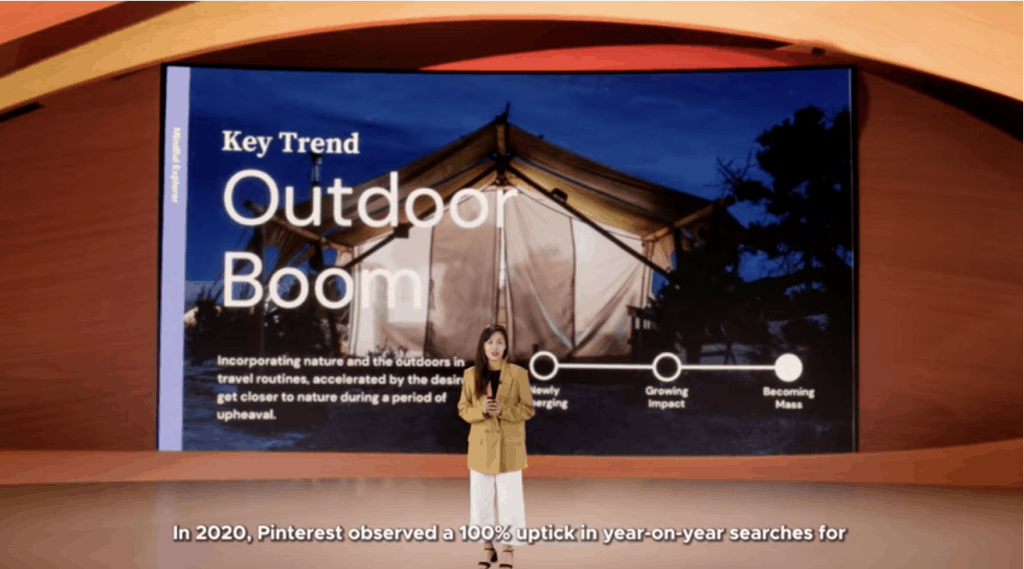
Mindful Explorers are also driven by “The Great Migration”, the desire to get away from urban epicentres and into the great outdoors. In 2020, cities such as San Francisco and New York reported that 80% more people left the cities than moved into them. Future travel itineraries and destinations of the Mindful Explorer are likely to reflect this aspiration to get closer to nature.
This persona is hyper aware that the effects of the pandemic were not felt equally, and that it exposed systemic gaps and fragility. Where institutions seemed to be falling short, local and micro-local communities stepped in to fill the void, and Mindful Explorers want to support local supply networks and celebrate local businesses.
For travel providers, creating hyper-local experiences does not mean being irrelevant in a re-opened world, as Jason Loe, the founder of Tribe shares in the forum. During the pandemic, he says “locals gravitated towards these hyper localised experiences, in part because the content was interesting to them, but also in part to support these local businesses… what is currently appealing to the domestic market will appeal in similar measure to tourists when they can travel to Singapore”.
With a newfound love for nature, Mindful Explorers are looking to incorporate nature into both daily and weekend travel routines, and they are more conscientious about how they do it, demanding greener and more sustainable options to effect change at the micro-level as regenerative tourism gains traction.
In China, for example 73% of the population support a green recovery post-pandemic. Sustainability is also becoming a key consideration for the MICE sector. The Status of Sustainability in the Exhibition Industry Report 2, released in July 2021 by the Global Association of the Exhibition Industry (UFI), found that 58% of both exhibitors and visitors consider improving their environmental impact to be increasingly crucial to the sector’s long-term success.
Service providers who want to be attractive to Mindful Explorers must seek to enable local prosperity and get involved with the local community. They should develop an outdoor product and experience ecosystem, while keeping sustainability at the forefront of their offerings.
The Slow Pacer: Health and wellness top of mind
The final persona identified in the study, the Slow Pacer, is the consumer who has “slowly and sensibly adapted to their pandemic lifestyle”. They are cautious around safety and hygiene and are looking for transformational journeys that emphasise mental well-being, allowing them to become better versions of themselves as they travel in a post pandemic world.
Set against the macro contextual driver of “Normalised Downtime”, Slow Pacers carve out time for relaxation as they have rediscovered the benefits of getting proper rest. According to an Airtasker study, remote workers save an average of 34 hours of leisure time per week compared to office workers. As so many enjoyed this benefit during the pandemic, rest is now a normalised way of life, and Slow Pacers want to enjoy their travels at a leisurely pace too.
The downtime in pandemic slowdowns created space for introspection, leading Slow Pacers to reassess what they really value, including what they want to get out of travel and adventure. This, set against the macro contextual driver of an accelerating mental health crisis leads Slow Pacers to seek travel experiences that enhance physical and emotional health.
The Slow Pacer persona will seek out wellness destinations that provide innovative healing experiences such as those provided by Blue Sky Escapes. Founder Krystal Tan says “with everyone grounded and unable to travel, we’ve been putting our energy towards helping others travel inwards to explore and discover their inner landscapes”, explaining why she launched “An Emergence of Self” a 3D2N retreat for holistic renewal.
This persona is also leading the way demanding ‘soft adventures’ or experiences that balance safety and comfort without sacrificing the adrenaline rush of an adventure.
Experience providers who want to capture the imagination of Slow Pacers, should remember that the Slow Pacer’s favourite adventure is a journey inward. Focus on designing journeys of wellbeing that create the space for moments of clarity and inspiration, and tailor them where possible to the specific physiological and emotional life-stages of the Slow Pacer customer.
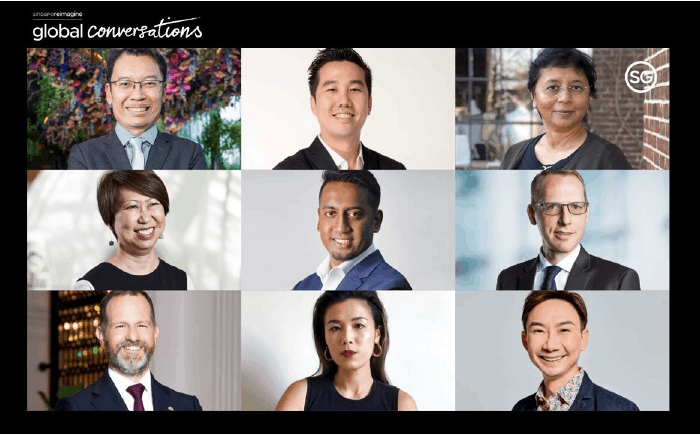
The deep dive into new traveller personas was the first of four episodes in the SingapoReimagine Global Conversations series. Episode 2, “A Whole New (Phygital) World”, aired this week.
The second and third forums, Reimagine Travel Journeys, and Reimagine Sustainability and Wellness will air subsequent weeks.
Referring to the forum, STB chief executive Keith Tan said, “The needs and expectations of travellers are changing significantly. As borders gradually reopen around the world, the tourism industry must work together to innovate, develop solutions and reimagine what the new travel experience can and should be. With SingapoReimagine Global Conversations, we hope to provide a platform for such innovation, and a voice for leaders in the tourism sector and beyond.”