Arthur Kiong comes full circle to showcase “Singapore-inspired hospitality” at The Clan Hotel
ONE of the very first interviews I did with Arthur Kiong, CEO of Far East Hospitality, was headlined “Chinaman in New York”.
Kiong, then working for Ritz-Carlton, had been posted to New York, which was considered a big deal in those days because, then, the flow of hospitality talent was more West to East than the other way round.
It was thus fitting that almost two decades on, I caught up with him at The Clan Hotel, the group’s newest property that wants to bring the neighbourhood (Chinatown) into the hotel as well as bring the hotel into the community.
“The Chinaman returns to Chinatown,” I quipped.
Kiong laughed. “I guess so. We really want The Clan Hotel to be as part of Chinatown as Chinatown is part of the hotel.”
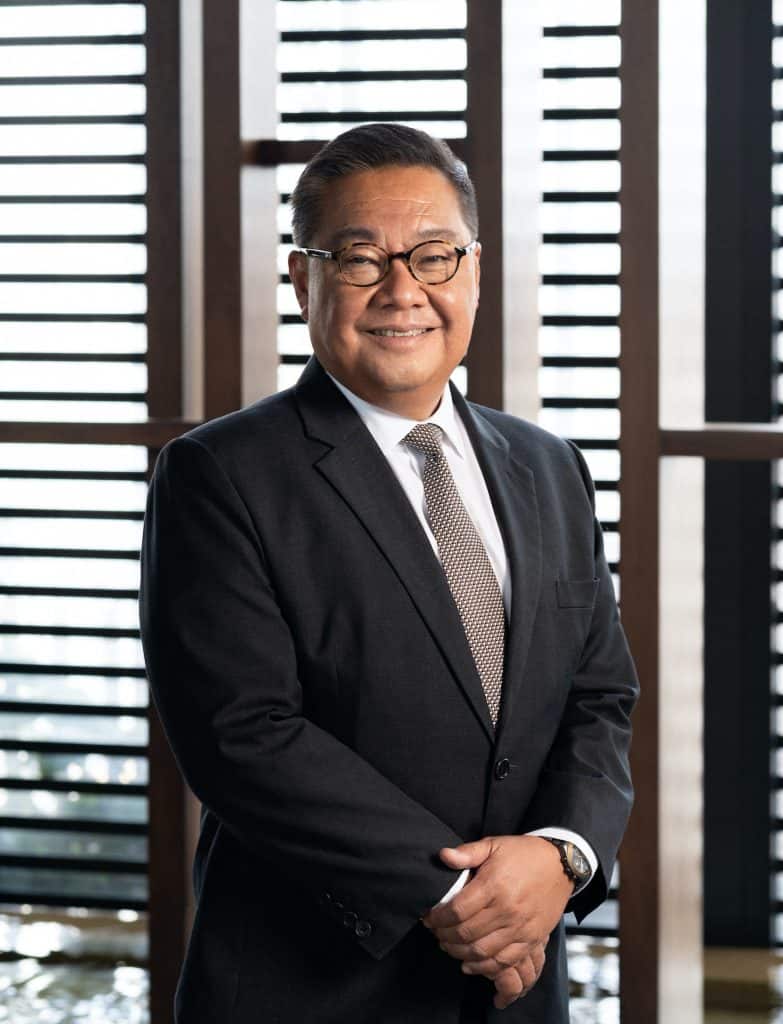
He is as deliberate as I recall him. In speaking to him then, he spoke about “architecting my career” and appeared to have a clear vision of where he wanted to be and wanted to achieve. And it appears he’s found his home at Far East Hospitality which has given him the opportunity to architect what he calls “Singapore-inspired hospitality” at The Clan Hotel.
You arrive and the staff greet you with a Chinese-style greeting (perfect for the socially distanced times, the hand greeting also the logo of the Hotel). You walk through a narrow corridor – the intention is deliberate, to make you feel like you’re walking into someone’s home – and the space opens up into a lobby, that’s small, yet feels spacious because of the tall glass windows which bring the neighbourhood right into the lobby.
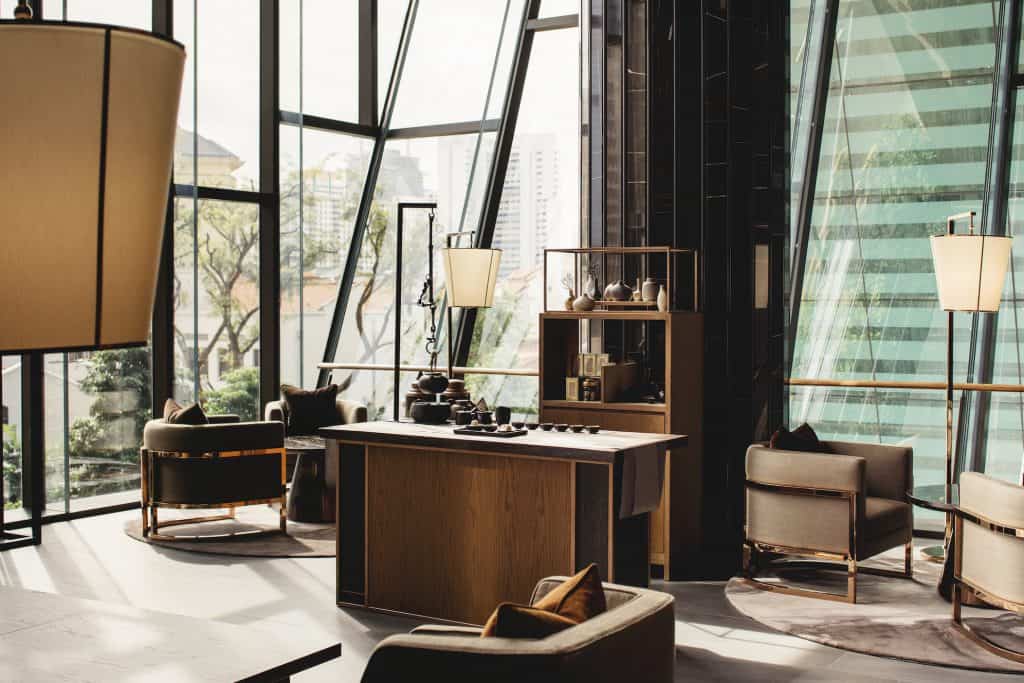
In the lobby is a tea master station where a tea master brews a special blend of locally-sourced tea for you. You have tea with “tau sar piah”, a local biscuit delicacy bought from a family business in the hood. The staff uniforms have been made by a second generation tailor, called Q Menswear, in the neighbourhood. They are individual, yet have a commonality.
“We do everything we can to pull the local community into the hotel, like a clan house would,” said Kiong. The hotel offers daily walking tours of the precinct and its staff act as guides, bringing out hidden secrets and gems of Chinatown.
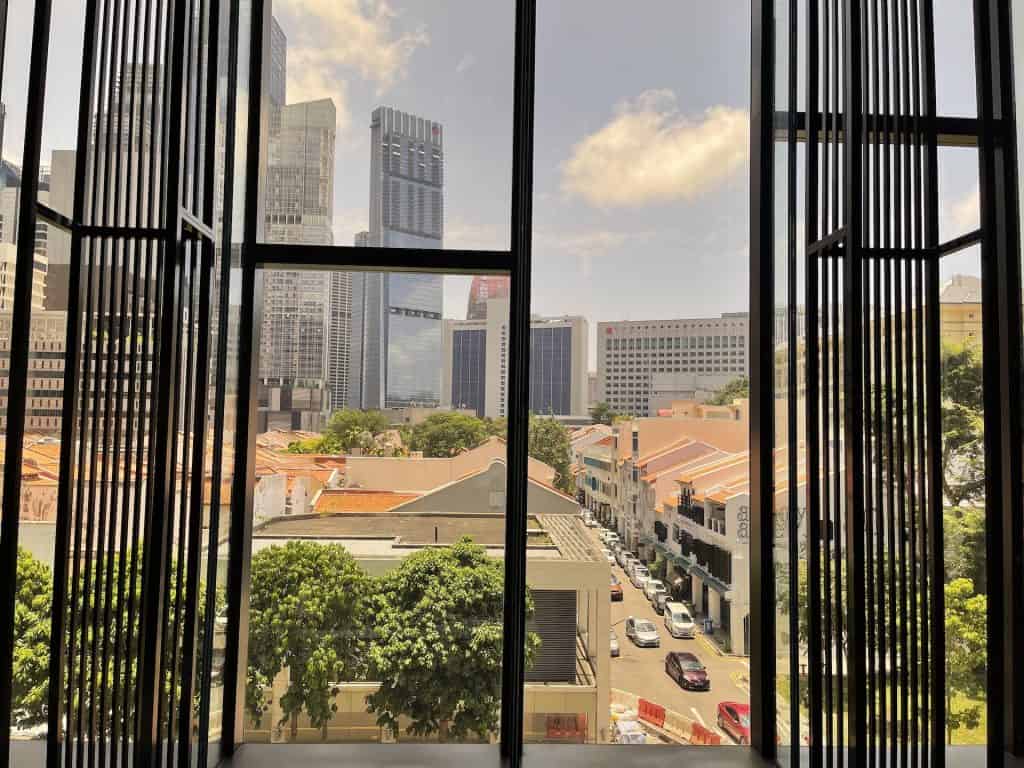
Opened on March 1 this year, amid the pandemic, Kiong said there couldn’t be a better time to start. It gave the 324-room hotel a chance to, in a way, test for one market segment – the local market which also happens to be the most demanding.
“We want to offer curated experiences for guests and it would have been challenging to curate for varied segments from the start so this focus on the local market allows us to learn, a bit like target practice, what works and what doesn’t. And Singaporeans’ expectations are very high as we know,” he said.
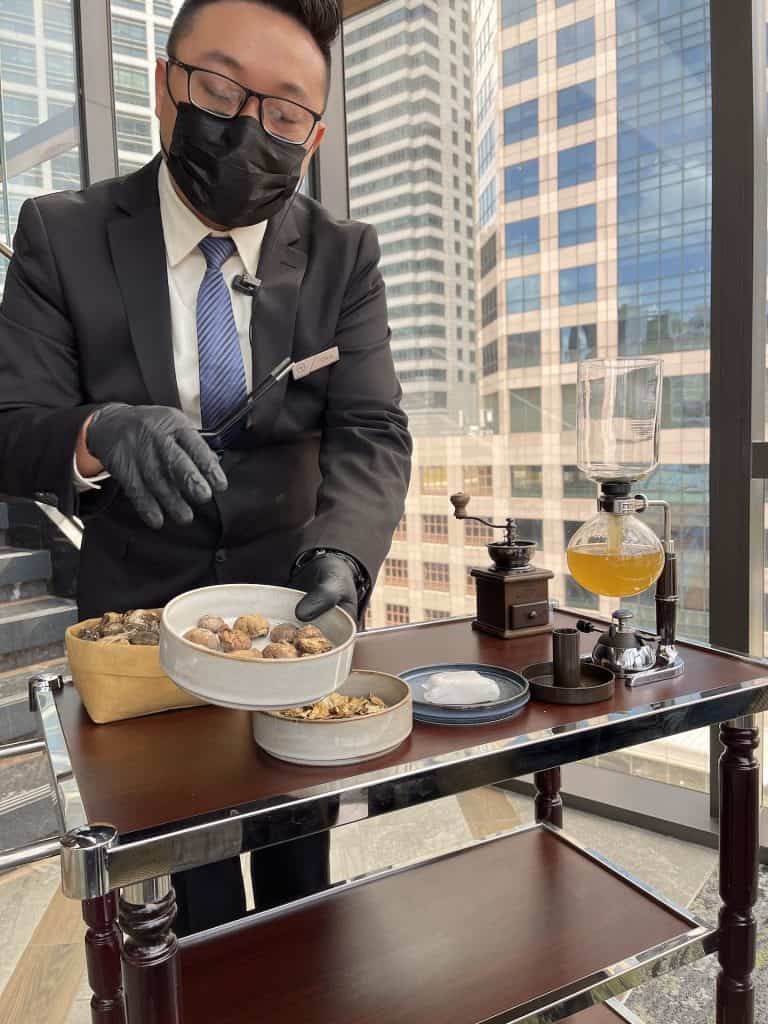
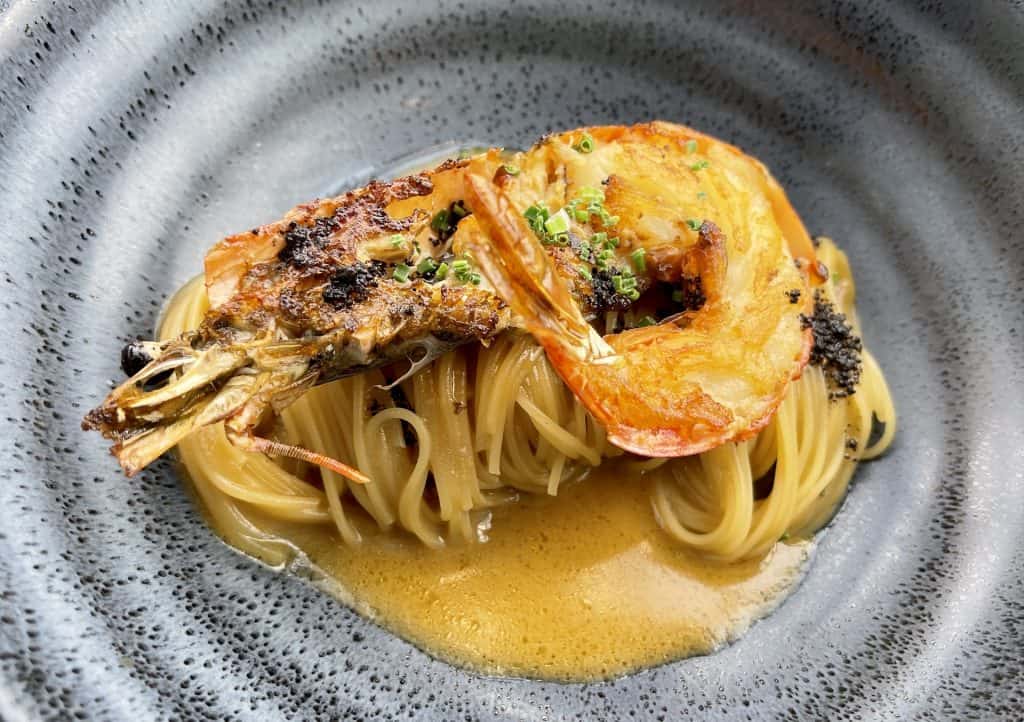
Kiong said it had always been his aspiration to create “Singapore-inspired hospitality”, something that doesn’t copy from Western brands and is distinctly Singaporean. “Hotel brands in general, we tend to ape the West – why should international hospitality be defined by Western standards? Why should the standard bearer be American breakfast?
“And there is no such thing as Asian hospitality – Japanese is as different from Thai as is Indonesian. So we wanted to create our own brand of hospitality, inspired by who and what we are, and where we are.”
Kiong said, “The pandemic gave us the opportunity to do a proof of concept. A hotel must offer an experience and unlock the value of the precinct, not just the real estate. This is modern with nostalgia, comfort without excess, relevant yet elegant and we in Singapore are masters of ‘cheap and good’.
“All these funnels down to profitability to deliver the rightful return to the owner,” he said.
As to whether Singapore-inspired hospitality can scale, Kiong said, “Why not? It’s about clansmanship and individual luxury, where the hotel is like a club. We can export the Singaporean-ness of our hospitality that is different from the colonial interpretations of it.”
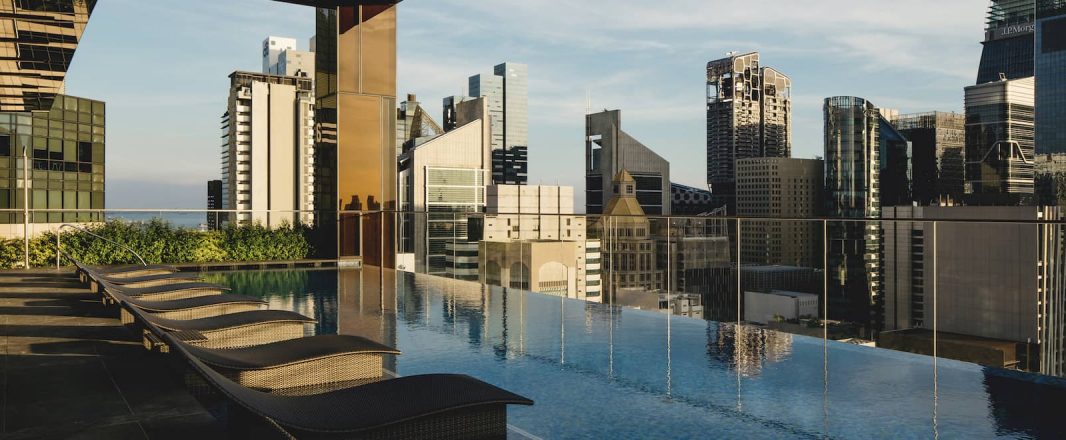
Featured image credit – Rooftop pool of The Clan Hotel: The Clan Hotel