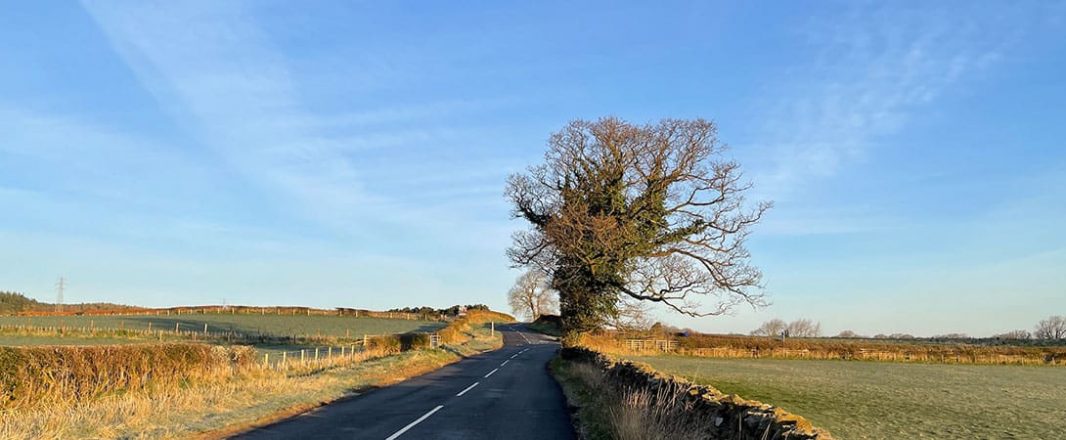
“WHAT’s life like in Singapore? Is it expensive?” asked my Albanian driver on the way from Manchester to Newcastle, roughly a three-hour car ride. He was complaining about the high costs of living, and rising fuel prices, in this land which he moved to almost 15 years ago.
I told him Singapore isn’t the cheapest city and anyway, he’d have a tough time entering the country to work because it isn’t exactly welcoming of foreign talent right now.
“Shame, I thought I could move there, do something else,” he said, promptly losing interest in the conversation and instead started telling me about this neck of the English woods “where people speak funny because it’s so close to (northern) Wales”.
Other than being in the same car, he and I have something in common – we both fit what is being touted as the new post-Covid profile of humans. He, a so-called digital nomad, looking for greener pastures, and me, a so-called endemic traveller, looking for new pastures to explore.
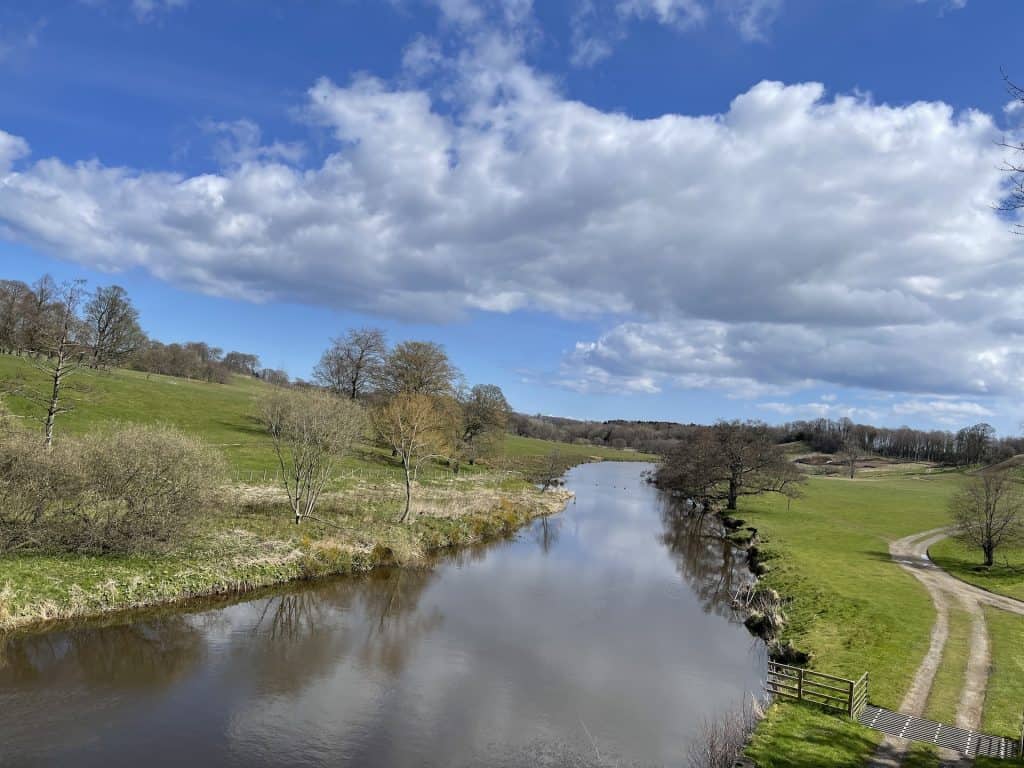
Nothing like the Northumbria countryside on a beautiful spring day.
I am headed to Northumberland, a region I had never thought of visiting ever. But after two years of being deprived, I am definitely more adventurous, more impulsive, more you-only-live-once thinking. Why not, when the idea of visiting this piece of northern England, bordering Scotland, was first suggested to me. A friend had moved there, had been asking me to visit and if not now, then when?
Nestled between the North Pennines and the North Sea, Northumberland is a region of contrast and diversity in a compact space. In the distance, snow-capped mountains and by the shore, seaside villages where people take brisk walks with their dogs, all huddled up against the cold, strong winds. I believe I saw more dogs than children in my four days travelling in the area.
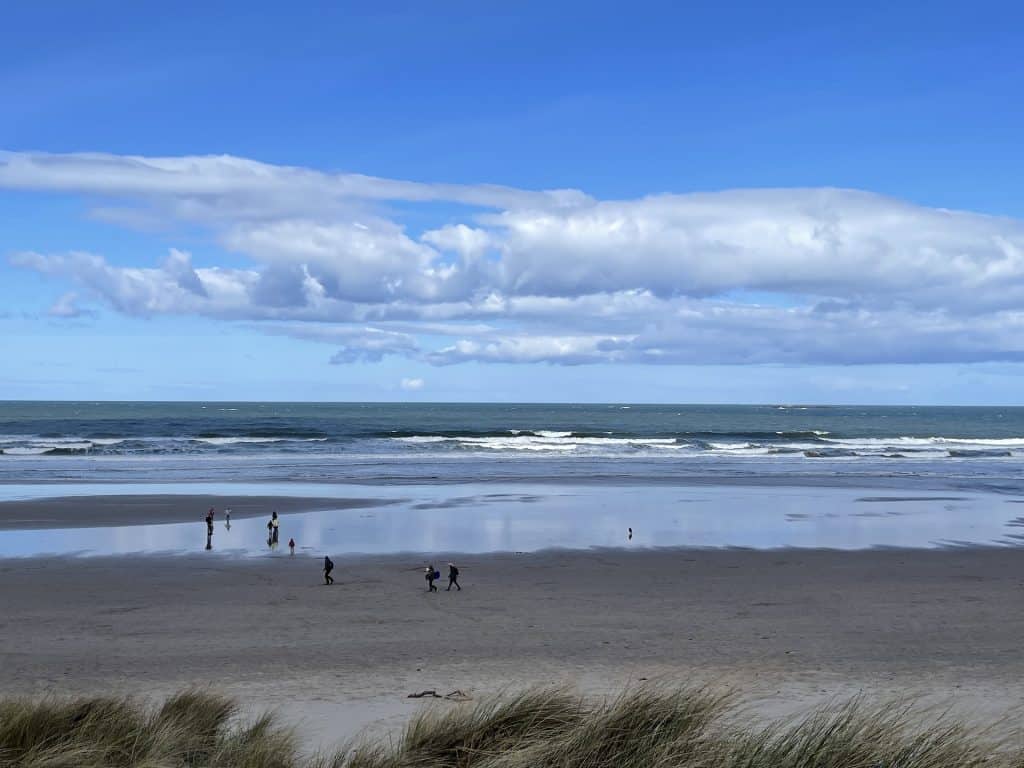
The coastal scenery of Northumberland.
There are lots of trails to walk – no fear of getting lost, friendly locals are always willing to help and if that fails, there’s always you-know-what. There are lots of places to eat – fish and chips at Spanish City (although there’s nothing remotely Spanish about it) in Whitley Bay while being serenaded by a jazz band or high tea in the 14th century Langley Castle at Hexham where the staff told me they were having problems hiring staff to handle the returning crowds.
“Where have they gone?” asked the manager, shaking his head. A common refrain I am hearing from hoteliers everywhere.
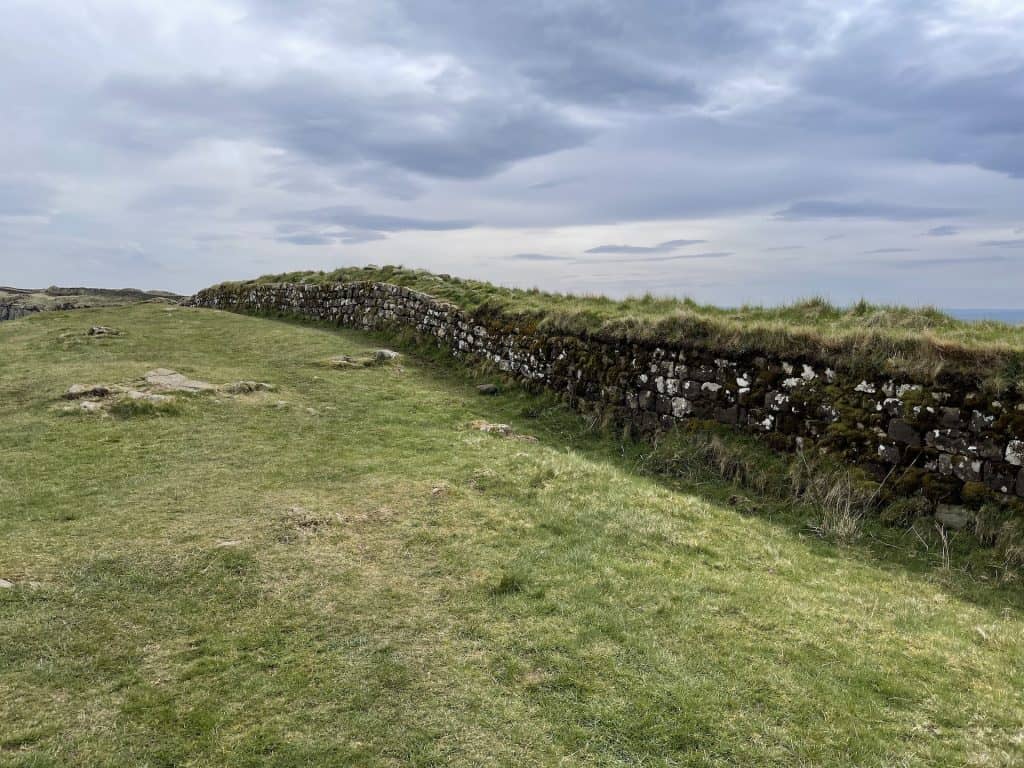
Hadrian’s Wall, built in AD122, to guard the northern frontier of the Roman Empire.
There are lots of historic sites to explore. Against the strong winds threatening to blow me away, I walked along Hadrian’s Wall and wondered what it must have been like for those men who had to build this almost 129-km long wall to guard the northern frontier of the Roman Empire in AD122.
Imagine, this year, it celebrates 1,900 years. I can’t imagine anything built in the metaverse lasting that long, can you?
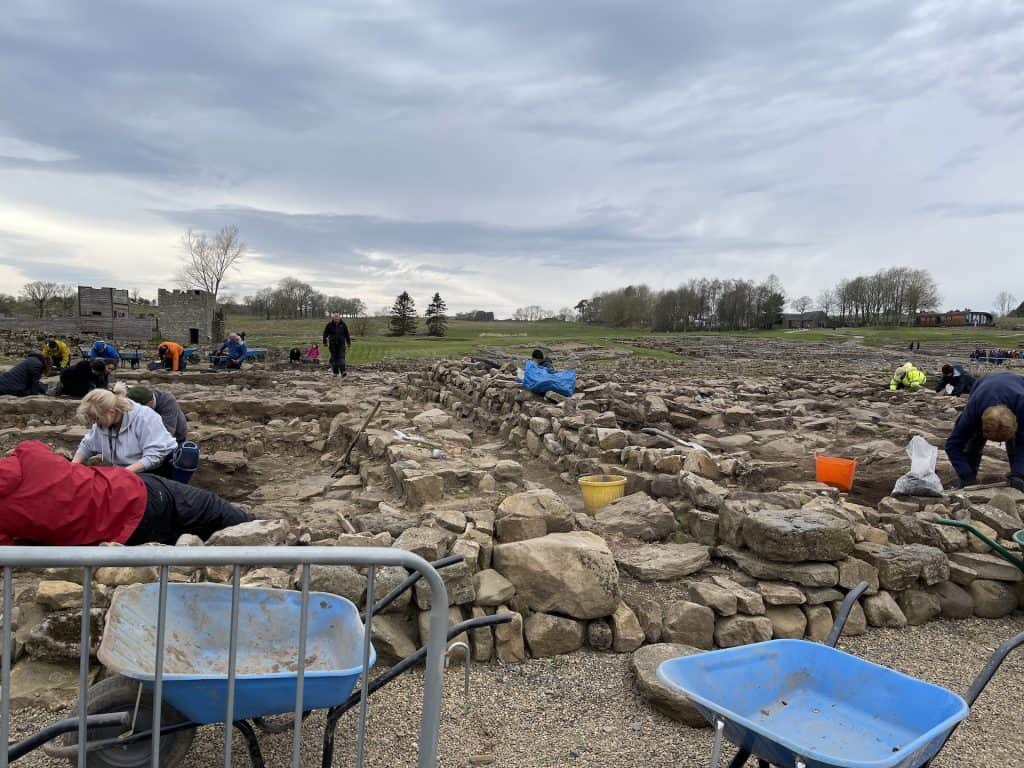
Each year, hundreds of volunteers sign up to excavate at the Vindolando site.
Nearby is Vindolanda, the Roman archaeological site, where excavations take place every year and attracts hundreds of volunteers from all over the world. I met an Englishman Tom, who told me he and his wife had been volunteers for the last 20 years. “We come here every year to dig,” he said, with wheelbarrow in hand. I asked if he had ever found anything significant, he laughed and said, “Not really”, and promptly told me a story of how one woman showed up for the first time and within the first five minutes, dug up something significant. “Luck of the draw,” he said good-naturedly. I suspect that for Tom and his wife, it’s more about being part of something rather than finding something.
Within the site which was full of volunteers digging away, there’s a museum that displays the range of objects found during the excavations – coins, shoes, military equipment, tools, jewellery, pottery, religious artefacts – a fascinating insight into the lives of those who lived here for nearly 500 years, people from all over the Roman Empire, including Belgium, Germany and France.
Think of them as the original remote worker.
Emperor Hadrian who, by all accounts, was a strong and noble emperor was also quite the traveller. There’s a map showing his travels – he visited almost every place in his empire, except Corsica and Sardinia. Perhaps they had bad reviews?
Think of him as the original nomad.
Standing at Hadrian’s Wall, I thought about how the Roman emperor must have felt when he first landed on the Northumbrian coast and what he thought of the new world he had found.
For me, Northumberland was a new world – a window into a new part of England. It is said to be England’s best-kept secret. Because it is deemed a tad remote, few foreign or even local visitors make their way there. When I tell my English friends I was headed for Newcastle, they look at me, baffled, and ask, why. It has the quintessential elements of what makes England such a delight to visit – pretty little villages, rolling hills, lots of farmland with sheep, horses and cows, ancient castles and the ruggedness of the coast and mountains.
It was also at Hadrian’s Wall that the theme of WiT Singapore 2022, “Hello, New World” came to mind. For most of us in Asia, this is the first year we were able to say hello to the world again and we are discovering a new and different world, and that is the world we will excavate at our gathering from October 3-5. (See theme here)
Imagine all the interesting discoveries we could make together. Imagine you could be that woman who just showed up and found something significant after just five minutes into her dig.
Hello, new world.