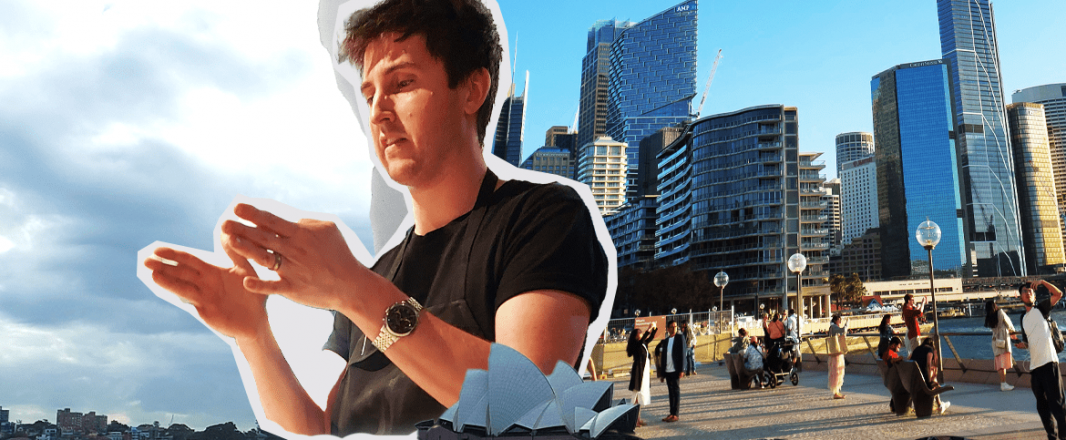
Like the rest of the world, Australia is gearing up for an interesting year in travel and hospitality. The Australian Tourism Exchange or ATE23 is back in full force for the first time since 2019, welcoming travellers both international and domestic to an array of new attractions in the colossal country.
While ATE23 hails from the Gold Coast, Queensland this year, I decided to spend some time in Sydney (a part of Tourism Australia’s familiarisation offering, in collaboration with Destination NSW) before transitioning to the official festivities. As it was my first time there, Sydney surprised me, to say the least.
I’ve always believed that Australia was ahead of the curve when it came to ecotourism and sustainable travel options. The continent has long championed experiences that are environmentally immersive in iconic locations such as Uluru-Kata Tjuta National Park, Wineglass Bay, or The Great Barrier Reef. But why is it that no one talks about Sydney’s pristine waters when describing Australia’s most popular city?
Sydney’s iconography usually consists of the Sydney Opera House, the Sydney Harbour Bridge, and a beautiful metropolitan skyline. Although a quick Google image search for “Sydney” will show you a city surrounded by water in almost every single picture, very rarely do travellers think of Sydney as a sustainable travel option when running their finger (or cursor) over the Australian map.
That, to me, is the city’s best-kept secret.
It’s the stuff you don’t see on postcards. Granted, no one sends postcards in 2023 but the metaphor remains. Sydney is a booming, bustling, growing business, retail and tech hub that’s equally rich with opportunities for eco-friendly travel options.
Think about the geography of Sydney for a second; it’s a coastal city bordered by the Pacific Ocean to the east, the Blue Mountains to the west, the Hawkesbury River to the north and the Woronora Plateau to the south. I’m not sure if the agenda of the trip that I was on was to highlight Sydney’s natural offerings, but that was my takeaway.
For example, we enjoyed a breakfast cruise with Lifestyle Charters, owners of boats Felix and Enigma, while taking in the stunning sights and sounds of Sydney Harbour.
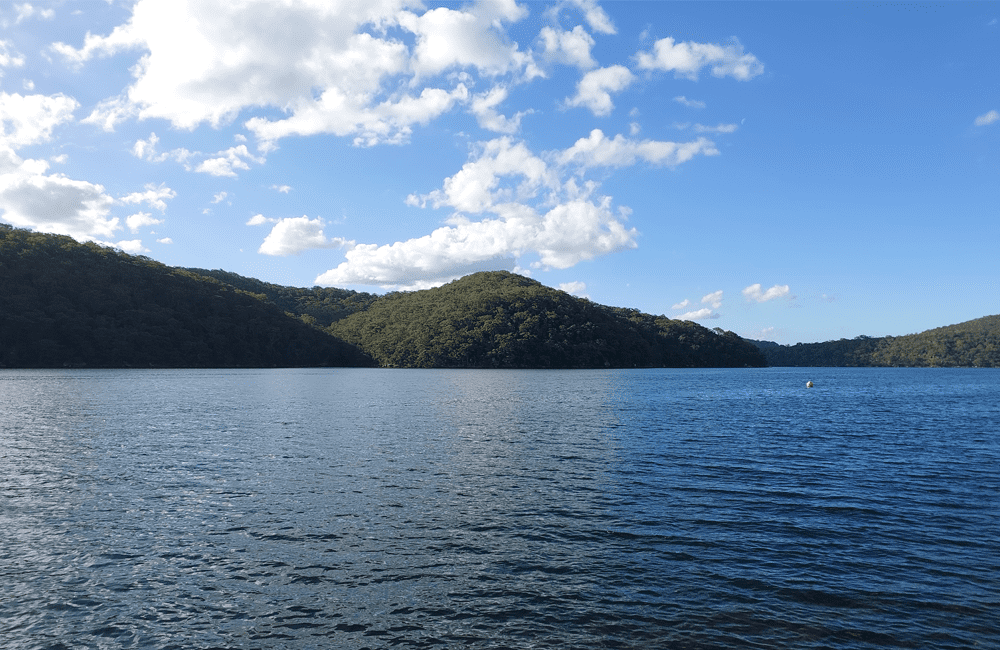
Then, we followed an Aboriginal Bush Tucker Tour at the Royal Botanic Gardens. Our guide showed us which plants were edible and which ones were medicinal… as well as which ones weren’t. We even sampled some of the handpicked fruits and shoots.
At the crack of dawn, we hopped on kayaks owned by OzPaddle to take in the Sydney Harbour at sunrise. The serenity of paddling past the Opera House amidst Australia’s busiest city creates a split personality, in a good way, for both Sydney and the traveller in it.
I could go on.
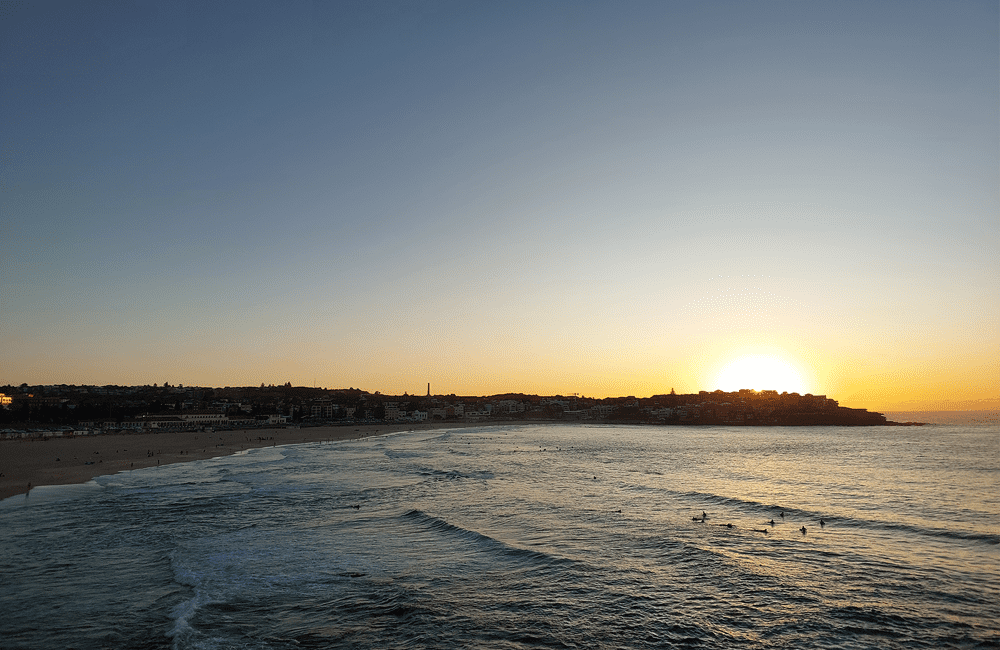
Being a cityslicker myself, doing the Downward Dog during a sunrise yoga session on Bondi beach made me daydream about living along the coast. Maybe I could get good at surfing… if I first knew how to get good at swimming.
And there’s nothing like flying over to the Hawksbury region on a seaplane for a quiet lunch at Cottage Inn Point along the crystal clear blue (cyan?) waters.
Trust me, my life isn’t this Boujee.
But let’s address the giant kangaroo in the room. You could argue against every one of my so-called sustainable experiences. Everything leaves a carbon footprint. Nevertheless, Australia’s geographical gifts seem to bleed into its most developed regions… even those not marketed as being particularly eco-friendly.
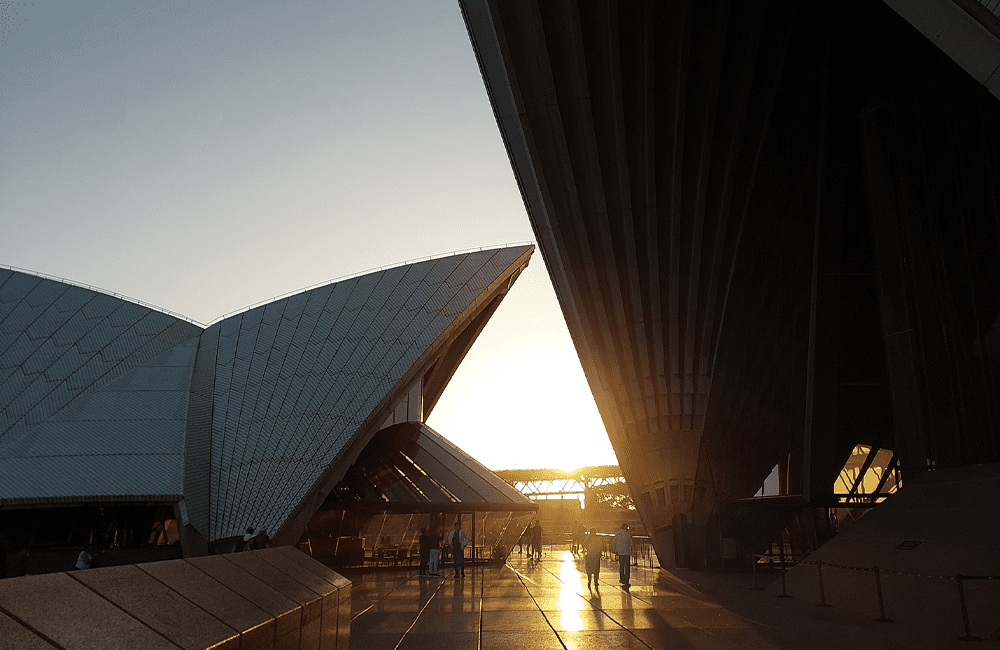
Of course, we also visited the iconic Sydney Opera House and learned of its own secrets. Everything from its design to the tiles that give it that signature off-white shimmer have their own stories – some inspiring, some complicated, and some more expensive than others.
However, a perfect microcosm of Sydney’s duality and hidden gems would be The Fish Butchery, owned by chef Josh Niland and tucked away on Bourke Street, Waterloo.
Josh advocates a zero-waste philosophy when it comes to handling fish and is famous for his ethical and sustainable methods of cooking, transporting, aging and storing the product in his restaurants (he also owns the Saint Peter restaurant in Sydney).
He treats fish like any other meat, meaning he uses them to make cheeseburger patties that emulate beef and bacon that tastes like pork but also, uniquely, different. To reduce wastage, Josh uses fats and certain “discardable” parts of the fish to produce novel products like ice cream, soaps, and candles. And no, not a single one of them smelled or tasted like fish.
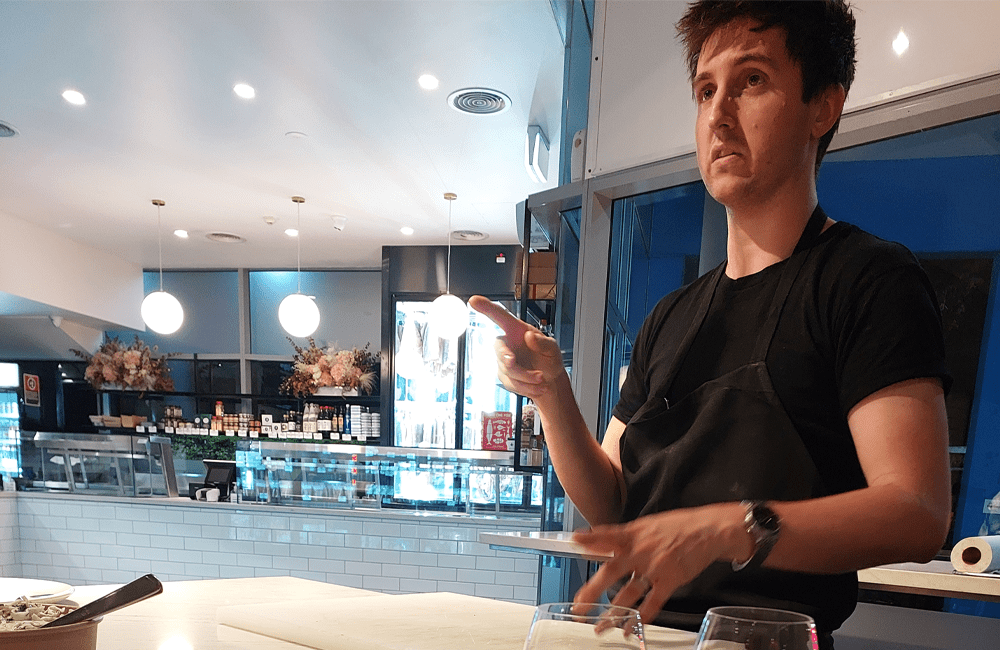
Maybe I’m dazed from all the travel or high on wanderlust, but Josh’s butchery in Sydney encompassed what sustainable travel could be for us – bold, unconventional, innovative, and as rewarding as any other kind of travel. There’s a whole other conversation about meat and fishing and how they impact the environment, and if we’re all better off as vegetarians, but let’s tackle one major ecological crisis at a time, shall we?
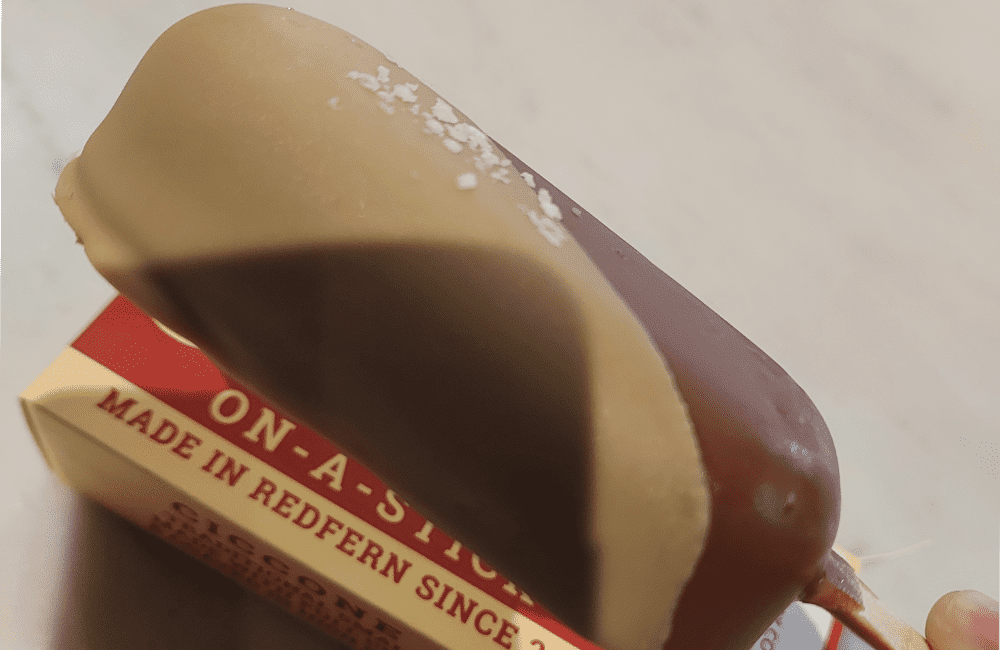
This ice cream has fish in it.
At the moment, Sydney’s biggest international markets are the US, UK, India, New Zealand, and China, with the latter poised to climb the ranks as its outbound traffic increases. China was, after all, Australia’s first largest inbound market for visitor arrivals and largest market for total spend and visitor nights in 2019. All these markets have shown an uptick in demand for sustainable travel.
It’ll be interesting to see if ecotourism is a major proposition for Sydney on not just the ATE23 floor but also in its marketing campaigns moving forward, on par with big events like Vivid Sydney and the city’s buffet of arts and cultural attractions, food and music festivals, and wide-ranging live entertainment.
All in all, I wholeheartedly thank Sydney for surprising me. It showed me more than a city. That’s what travel is for. And I’ll take pleasant surprises like these over years of restricted travel in a heartbeat.