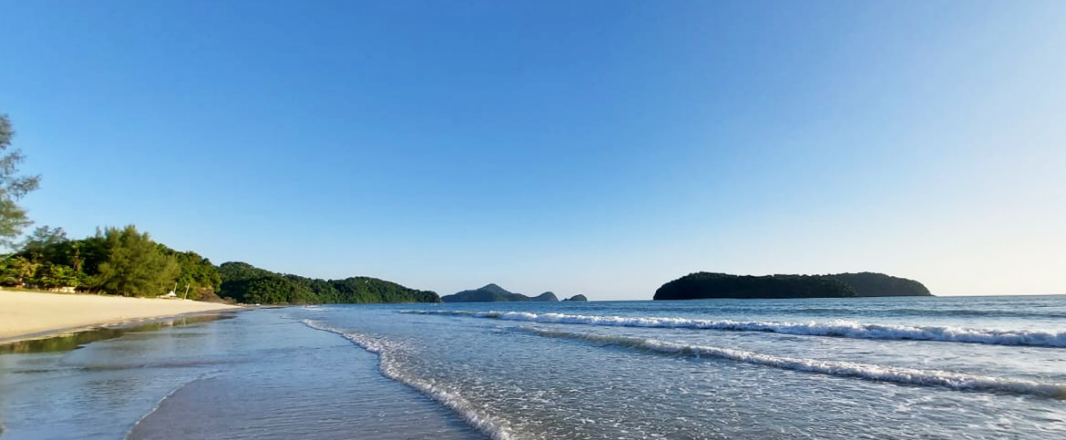
The last time I was in Langkawi, it was for a year-end trip with fifty friends and (ex) colleagues from a previous company. We wined and dined, soaked in the sun, and celebrated a good financial year for the brand. We partied. The holidays were upon us and the new year seemed pretty exciting.
Goodbye, 2019! You’ve been wonderful. Hello… 2020?
Uh-oh.
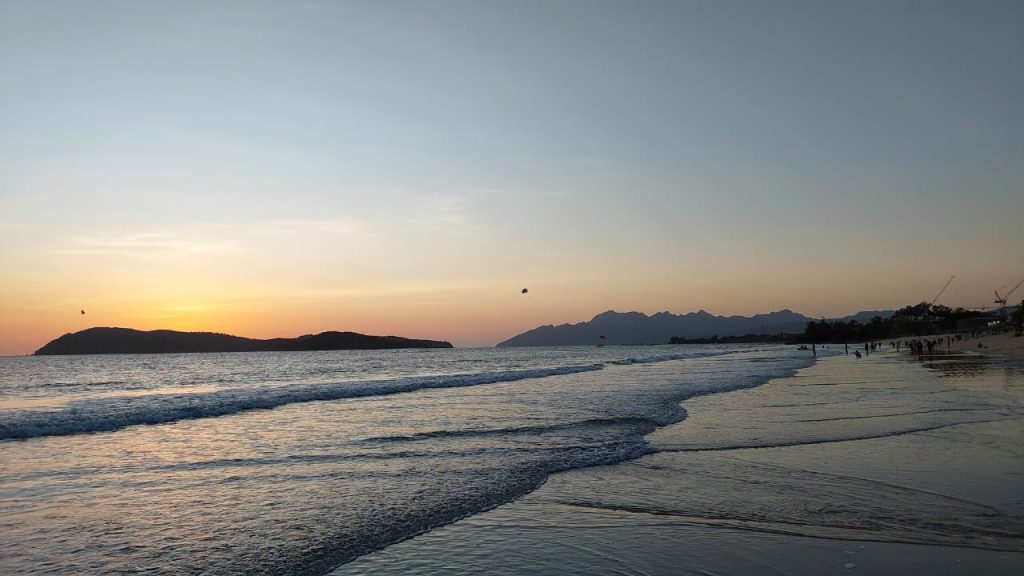
Needless to say, a lot has changed since my last trip to Langkawi. For better or worse, the world is different now, and Langkawi is so much quieter these days. There’s practically no traffic congestion even in the busiest of areas. Restaurants are rarely full, stores are far from crowded, and beaches are surprisingly spotty with people.
At times, I barely recognised the island.
It’s no secret that Malaysia has failed to recapture its tourism glory days in spite of lifting pandemic restrictions. According to Tourism Malaysia, its shores welcomed about 3 million visitors last year, up from 134,728 visitors in 2021. The intake was just 12% of the number that arrived in 2019.
In March, Datuk Noorazly Rosly, the chairman of the Langkawi branch of the Malaysia Budget and Business Hotel Association (MyBHA), said the number of guests had plummeted by a staggering 70% in comparison to the same period before the pandemic. This pattern was an echo of the Chinese New Year holidays in January, which also did not drive the targeted number of guests to the island.

Travel analysts and social media pundits blame Langkawi’s sluggishness on a series of political upheavals in Malaysia, a fragile economy and the state’s increasingly conservative public image. Meanwhile, neighbouring countries like Thailand, with similarly scenic offerings, have embraced an open, tourist-friendly approach of late. Domestically, Penang seems to be a more relaxed go-to for many travellers.
Anthony Wong, owner of Frangipani Resort & Spa, the hotel that I stayed in, recently told Al Jazeera, “From mid-December to mid-March, I used to have 80-90% of clients from Europe, and now I only have about 60%.”
This island – the pride, joy, and former hometurf of two-time ex-Prime Minister, Tun Mahathir – used to be a microcosm of Malaysia’s obsession with shopping. Because of its duty-free status, local and foreign tourists used to flock to hotspots like Chenang and Kuah to stock up on dirt-cheap imported chocolates, branded goods, and booze. I suspect shifts in traveller behavior and wanting more experience-based trips have put some retail holidays on the backburner.
So, there’s no sugarcoating it.
Langkawi, a once proud tourist magnet, had lost its luster during the pandemic. However, it’s not all doom and gloom. I also noticed that Langkawi was evolving in interesting ways.
Idyllic mom-and-pop artisan cafes and businesses were surfacing around the island, providing an alternative experience that was previously overshadowed by the hustle and bustle of mega tourist traps and the perpetual duty-free shopping frenzy.
The Fat Frog, for example, is a family-owned vegetarian and vegan-friendly restaurant on a small golf course. I had samplings of delicious stuffed portobello with pumpkin puree, celery and leek soup, a peculiar plant-based shepherd’s pie and freshly squeezed juices all around. The good food, coupled with breezy green surroundings, made for an unexpectedly simplistic yet enjoyable afternoon.
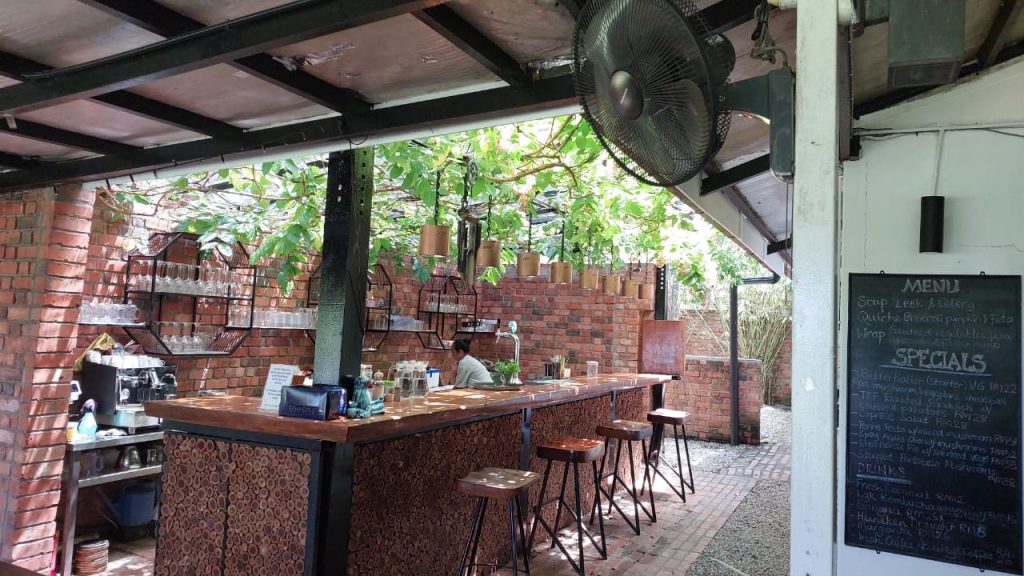
The Fat Frog’s cozy albeit open interior
After savoring Fat Frog’s uniquely vegetarian menu, I decided to change the nature of my trip; instead of seeking out the usual hotspots, I was going to let my tummy guide me. Malaysia may be struggling to find its footing, but there’s one thing this country will never get wrong – food.
The next day, after hopping in Langkawi’s famous SkyCab gondolas like a tropey tourist, I drove to a little seaside shack called Scarborough Fish & Chip along Tanjung Rhu for some of the tastiest, crunchiest fish and chips I’ve had in a while. The fish filets were battered to perfection and the atmosphere was a curation of good music, friendly faces and foamy waves sloshing not 10ft away, all under the warmth (blazing heat) of the island’s afternoon sun.
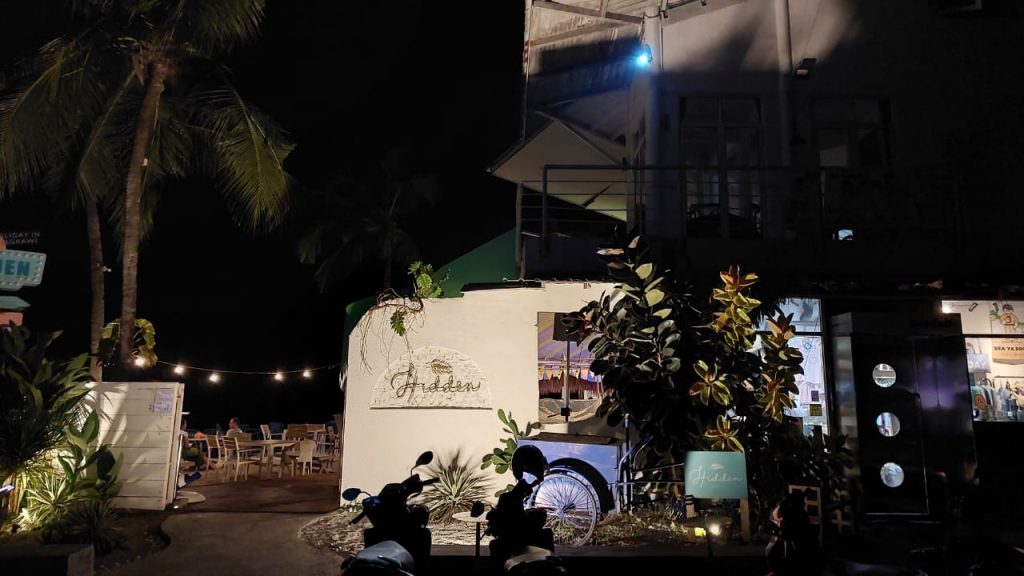
That night, I drove to a buzzy beach bar called Hidden Langkawi for ice-blended cocktails and some light snacks. The tables were plonked in the sand, which made for a cozy setting of watching waves in the moonlight. Also, Hidden’s mushroom tacos are *chef’s kiss*.
My favourite find, however, is a spot called fatCupid – tucked away inside a homestay called La Pari Pari, just two minutes from my accommodation. The founders, Jacky, Jeremy, and Keith, who aren’t Langkawi or Kedah natives, prepare the dishes using their Nyonya grandmother’s recipes, and the results are truly delectable.
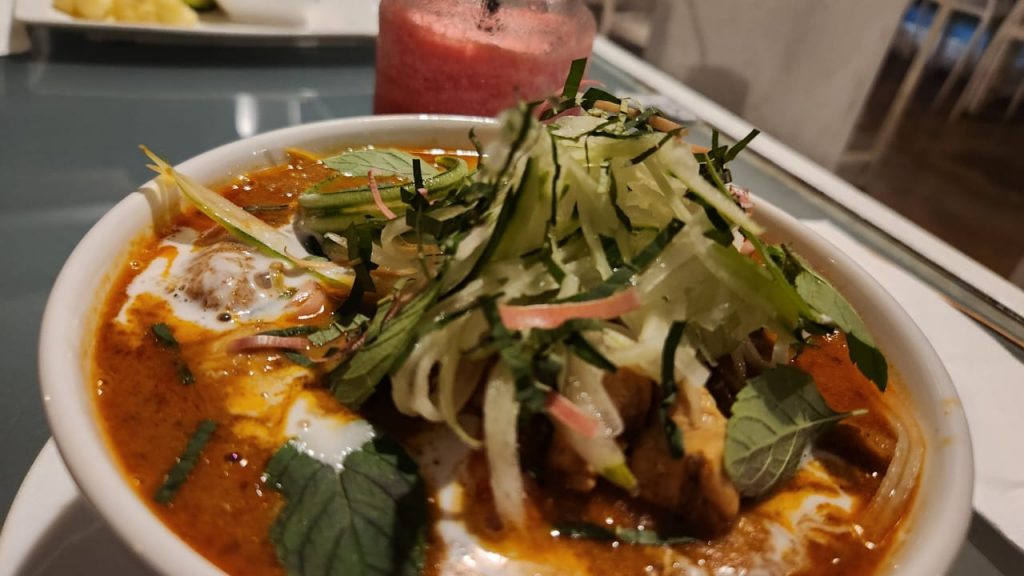
We tried the unorthodox Rendang Tempeh with rice and mouth-watering Asam Pedas fish, but the true show-stealer was fatCupid’s signature, aromatic Nyonya Laksa with some of the best broth I’ve ever tasted. Pair that with a watermelon-lychee freezie, and you have yourself the perfect meal.
The food in Langkawi is genuinely heartwarming and, all hyperbole aside, like soup for the soul.
All of this to say, I think there’s an untapped version of Langkawi waiting to be re-discovered. It may not be as busy as classic Langkawi, but maybe it doesn’t have to be. I warmed up to Quiet Langkawi in no time at all. I appreciated the intimacy, the slow life on the island, the freedom to move around, and the people who were finding new ways to make Langkawi unique. Tropical tourist hotspots don’t have to be loud or bustling; sometimes all anyone wants is a patch of paradise to help them unwind.
Langkawi could be that.
It’s not a glamorous persona, but it’s a hearty, authentic approach – just like the food on the island.
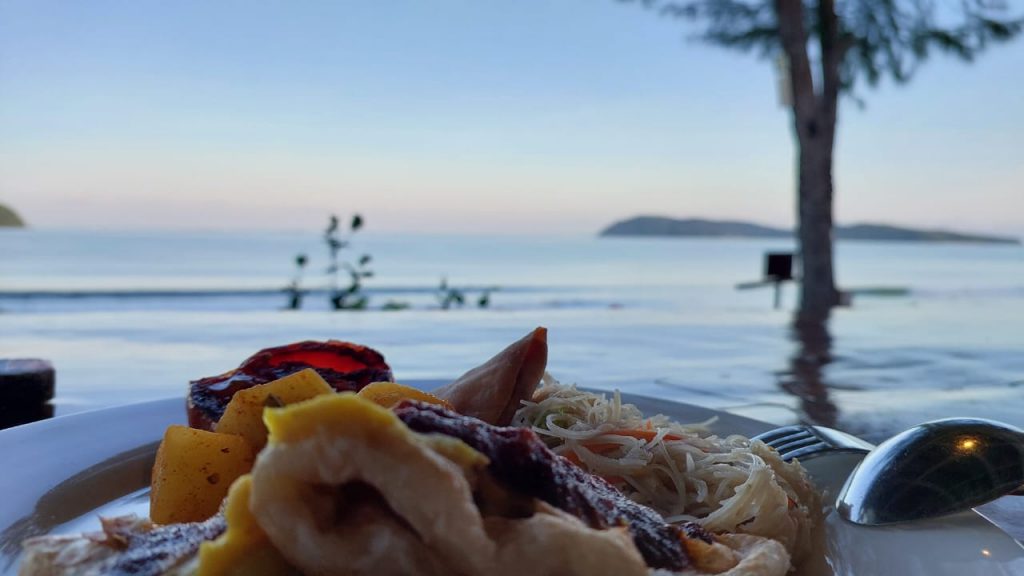
Langkawi has only ever had one reputation, but my recent trip revealed a layer underneath all that. A quaint, relaxing escape from the craziness of everyday routines. And hey, who’s to say it can’t be a haven for digital nomads as well.
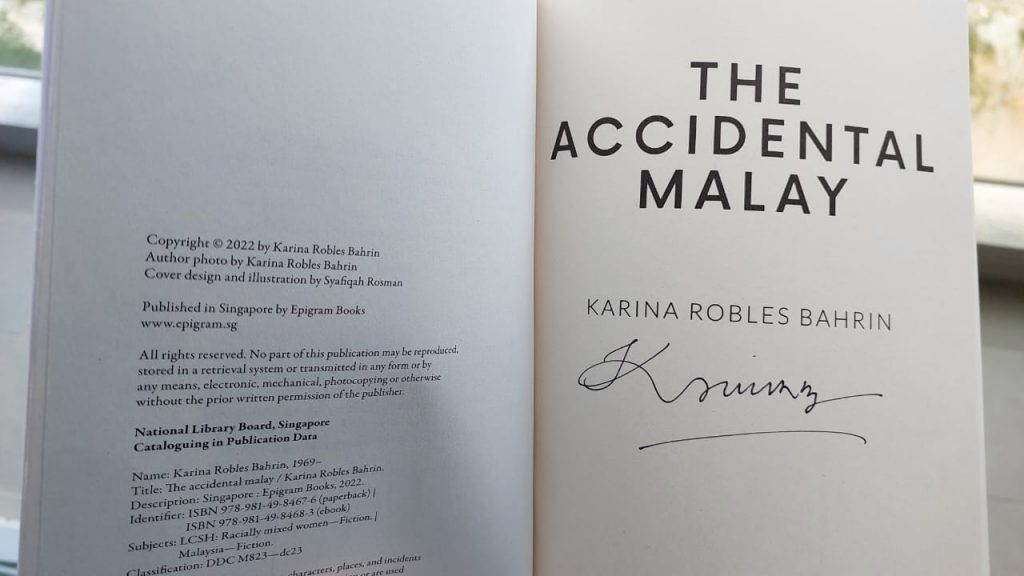
Coincidentally, I bought a book at fatCupid called The Accidental Malay by author Karina Robles Bahrin. The book won the Epigram Books Fiction Prize last year. As it turns out, Karina also founded La Pari Pari, the accommodation that houses fatCupid, and she was busy attending to a large group of diners when I was there. She was cool enough to give me a signed copy.
In true six degrees of separation, Karina knew a couple of friends from my old workplace, ones who were also in Langkawi with me in 2019. And that’s when I realised that younger me, in old Langkawi, would have probably been too busy being a “tourist” to spend a whole afternoon with great company, a watermelon-lychee freezie, and a perfect bowl of Nyonya Laksa.