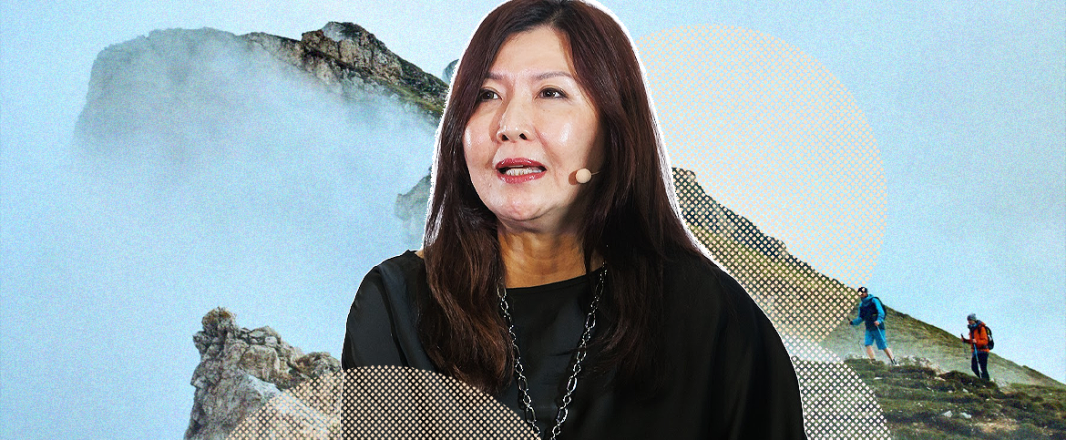
From truffle hunting in Tuscany to charting weather ships in the Arctic, COMO’s commercial head shares why the future of luxury isn’t about opulence, it’s about intention.
When Doris Goh talks about luxury, it’s not about chandeliers or thread counts – it’s about truffle grounds in Tuscany, village stories in the Dolomites, and children meeting astronauts at space camps.
The Executive Vice President-Commercial of COMO Hotels & Resorts took the stage at WiT Europe to reflect on how the luxury travel market is shifting – from asset-driven real estate to experience-led storytelling, from big brands to bold curators, and from passive indulgence to purposeful exploration.
“COMO goes where big brands won’t,” said Goh. “We enter remote villages not just to build resorts, but to support traditions and bring deeper meaning to travel.”
The new luxury: Aspirational and experiential
Goh pointed out that while ultra-high-net-worth individuals often dominate the headlines, it’s the aspiring luxury segment – those earning between US$100,000 and US$1 million – that make up 75% of the luxury market today.
“They want experiences that feel exclusive, yet grounded in culture,” she said. “They’re not after free upgrades – they want recognition, better service, access to leadership. They want to feel seen.”
This cohort is younger, upwardly mobile, and values-driven. And they are shifting the axis of luxury travel, from ownership to access, from static luxury to dynamic personalisation.
Asia at the epicentre of growth
The global luxury hospitality pipeline is surging, and Asia is at the centre, accounting for 41% of all luxury developments globally, with China alone making up 43% of that.
But Goh pointed out the caveat: “Most of those are being driven by big chains and franchises. For independent brands like COMO, the opportunity lies in the margins – unexplored destinations and nuanced stories.”
From Bhutan to Burgundy, COMO’s approach favours small footprints, meaningful narratives, and properties that blend with, not dominate, their surroundings.
The rise of values-based travel
Goh observed a growing desire for specialty trips among high-end travellers: skiing, sailing, safaris, activities that push people beyond their everyday context. And the drivers behind these trips are evolving too.
“Luxury travellers still want novelty, but they also crave the ordinary done exceptionally,” she said. “Think mass experiences with micro personalisation.”
Her example: Chinese and South-east Asian travellers flocking to snow resorts in Europe, despite living in tropical climates. “They’re sophisticated, informed, and driven by tech-fuelled aspiration,” she said. “They want to experience what their social networks are buzzing about.”
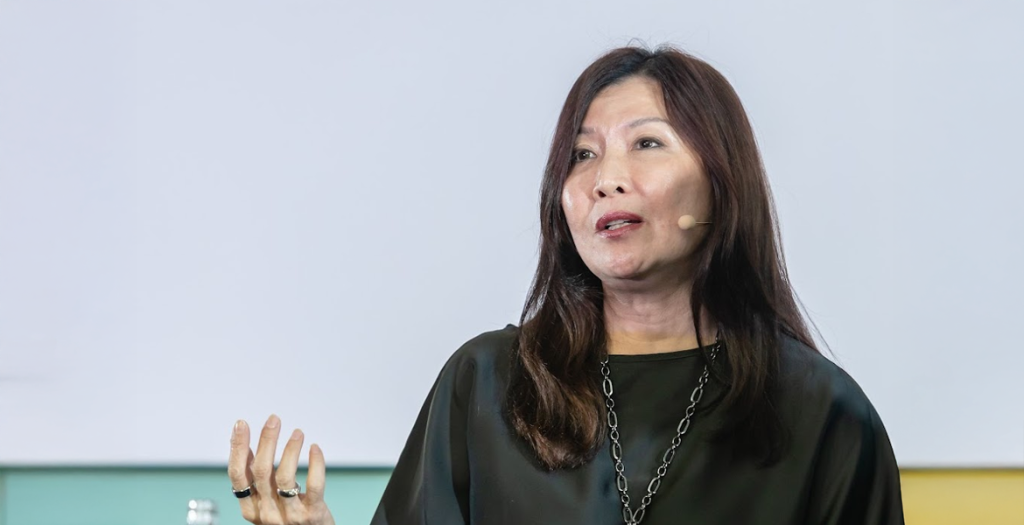
For independent brands like COMO, the opportunity lies in the margins – unexplored destinations and nuanced stories,” said Doris Goh, Executive Vice President-Commercial of COMO Hotels & Resorts
The inheritance shift: Second Summit Seekers and SKI travellers
Goh noted that 40% of luxury travellers today are aged 40–60 – a segment she dubbed Second Summit Seekers. “They’ve done the family vacations, the bucket list. Now they’re travelling for themselves,” she said.
And they’re ready to spend. As trillions in intergenerational wealth shift hands, a new breed of luxury travellers is emerging – some even embracing the SKI lifestyle: Spend the Kids’ Inheritance.
“They want deeper meaning, not just Instagram moments,” said Goh.
Creating cult experiences: From space camps to arctic expeditions
Under Goh’s leadership, COMO has embraced bold, unexpected experiences, from launching space camps for children featuring real astronauts to chartering a Norwegian weather ship for private Arctic expeditions. “These aren’t revenue generators in the traditional sense,” she said. “But they build brand stories, create unforgettable memories, and bring joy. That’s luxury.”
She even shared that the brand became so well known for its space camps that they received a cease-and-desist from the U.S. Space & Rocket Center over the term “Space Camp”—a sure sign they were making waves.
Distribution and Influence in a Blurred World
COMO gets 35% of its bookings direct, but Goh says the repeat rate is even more telling up to 50% at some properties.
“Our loyalty comes from emotional connection, not points,” she said.
On the influencer front, COMO works with a new breed: food writers, lifestyle curators, and travel designers. “Many of them are now functioning as specialised agents,” she said. “They blur the line between influence and commerce and they’re some of our most effective partners.”
Human-first in a tech-enabled world
Asked to choose between an AI concierge or a human butler, Goh didn’t hesitate.
“Human butler, every time,” she said. “The more tech-enabled the world becomes, the more we crave real human touch. That’s what defines true luxury.”