


A joint WiT × SocialSeal study explores how social search is influencing traveller decision-making and content consumption for three key Asian destinations: China, Vietnam and Japan.
Ahead of the WiT Singapore conference taking place October 6-8, WiT asked SocialSeal, a platform making social search easy and powerful for brands, to shed light on social search trends for three key Asian destinations – Vietnam, Japan and China.
“We hope these insights will help marketers better understand the new traveller behaviour that’s driving new travel patterns in the region and what content they find most useful and actionable,” said Yeoh Siew Hoon, founder, WiT.
As the inbound travel landscape shifts in 2025, this report by SocialSeal offers a snapshot of evolving traveller behavior and content preferences across some of Asia’s top destinations: China, Vietnam, and Japan. The most significant finding?
Travel content consumption is shifting from pure entertainment to utility-driven, checklist-style information. Travellers today want to do more than just dream; they want practical, bite-sized insights to plan their trips.

The rise of China’s “cliff destinations”
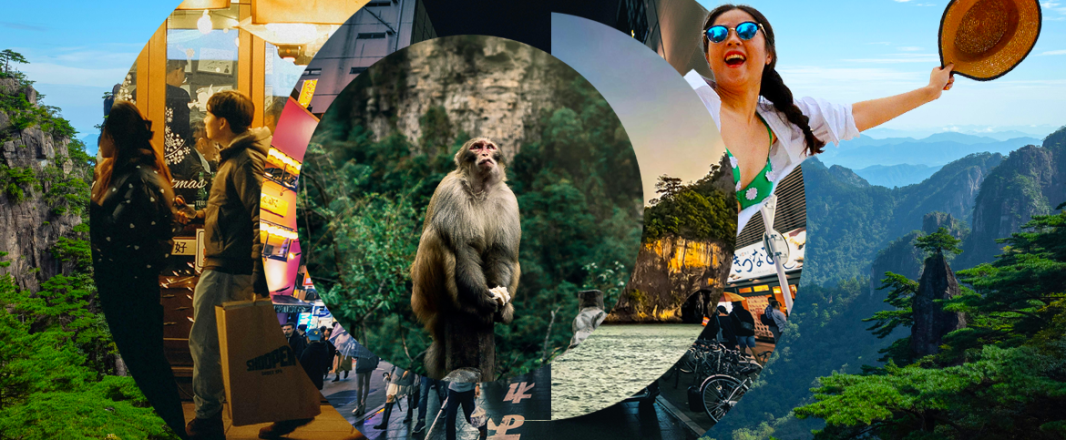
A fascinating trend emerging is the growing international interest in China’s scenic cliff destinations, with Wangxian Valley and Zhangjiajie (the famed “Avatar Mountains”) leading the charge. What began as domestic tourist staples are now attracting Southeast Asian travellers- particularly from Malaysia, Singapore, Thailand, and more recently, Vietnam. This shift signals a desire to explore beyond the traditional big cities like Shanghai and Beijing.

The newly launched high-speed rail from Chongqing to Zhangjiajie has been a game-changer, slashing travel time and making this stunning, otherworldly landscape accessible to a broader audience. Iconic social media magnets like the glass bridge and the giant Bailong Elevator perfectly marry awe-inspiring scenery with accessible adventure, highlighting a growing yearning for immersive experiences.
A mosaic of traveller psychologies
The report details how different nationalities approach their travel research:
- South Korean travellers are pragmatic and shopping-focused. They prioritize a blend of practical planning, beauty and healthcare shopping, and bilingual content that includes tax refund hacks, transport tips, and packing lists.
- Russian tourists have a commerce-first mindset. Their search behavior is highly transactional, emphasizing bargain hunting, gift sourcing, and logistics over inspirational storytelling.
- Vietnamese travellers lean on vlogs, snack culture, and budget guides. They seek a balance of aspirational content and actionable travel hacks for efficient trip planning.

- Taiwanese tourists are food lovers and itinerary strategists. They seek deep cultural immersion through food-centric guides, and they prefer structured, listicle-style advice for planning their trips.
- American travellers are independent and budget-savvy. They gravitate towards DIY travel guides, backpacking routes, and quirky local experiences that offer autonomy, control, and cost efficiency.
- Thai travellers are organized and practical. They prioritize clear, step-by-step guides on everything from visa processes and budgets to immigration tips, seeking content that builds travel confidence.

The bottom line for marketers
The findings are a clear call for brands to move beyond one-size-fits-all content. To succeed in these diverse markets, travel marketers must create tailored, culturally nuanced content that aligns with specific traveller psychologies. The most effective content is practical, actionable, and formatted for a “checklist mindset”: budget breakdowns, multi-day itineraries, shopping hacks, and localized tips, ideally delivered by relatable creators or in bilingual formats.
There is a maturation in travel content consumption- moving past fleeting viral fads toward formats that travellers bookmark, trust, and use to help them plan, not just dream.
For a deeper dive into these social search trends, download the complete report here.
Get tickets for WiT Singapore: The Next 20 here.


