



Putting travellers’ interests first is in our best interests.
It’s a long story how our motley crew of five travellers, spanning three generations, ended up in Phuket instead of Vietnam. Let’s just say visas were involved.
But as I sit here in the lap of luxury at Trisara, one of the island’s most enduring icons, I’m reminded of something: travellers still make mistakes, but they now have the power to fix them instantly.
In today’s hyper-connected world, both physically and digitally, we can rebook flights, switch destinations, and change plans in moments. The traveller has never been more empowered.
The age of traveller power
And now there’s AI, amplifying that power. We can dream up scenarios and AI instantly responds with itineraries, recommendations, and ideas and soon, it may even book on our behalf.
As Timothy O’Neil-Dunne said in the Great Debate that opened WiT Singapore, “Now AI can do what no unaided human could: spot patterns, expose tricks. The edge sellers once had? GONE. So, who wins? Humans do. Because for the first time in travel, knowledge moves faster than power.”
That’s where we are today, 20 years after WiT’s founding – at a moment where AI is putting unprecedented power into travellers’ hands.
And it’s a call to all of us in travel to respond, sincerely and collaboratively, to deliver what travellers need and deserve.
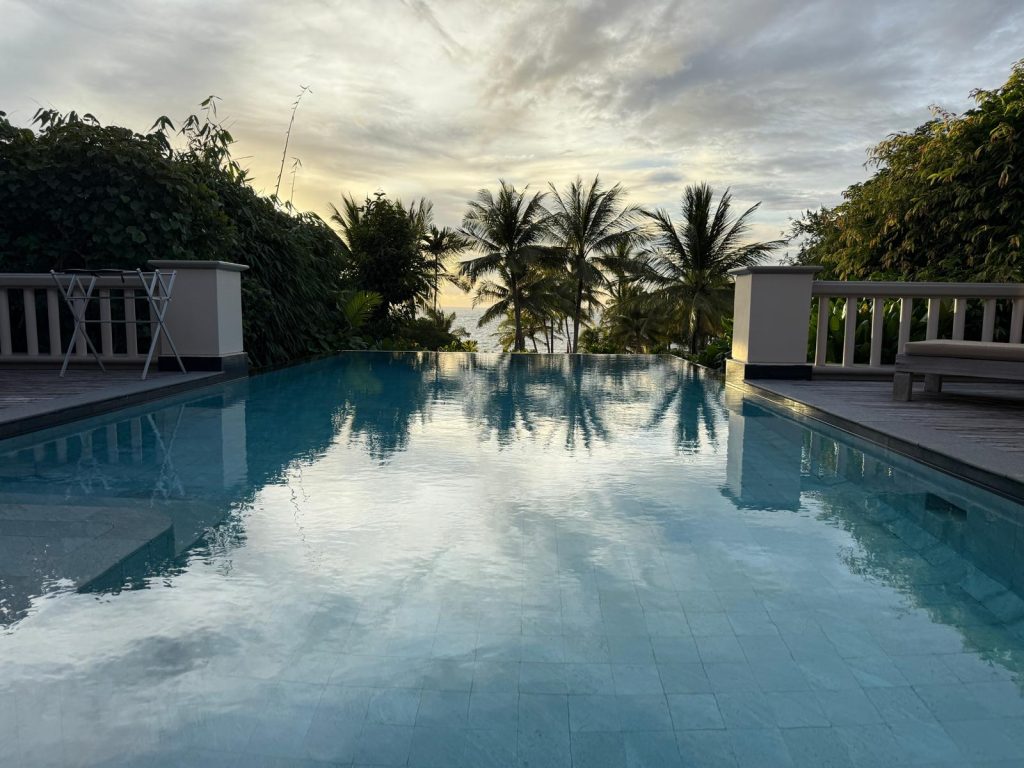
The view from Trisara – new vistas beckon in The Next 20.
From extraction to creation
That starts with a mindset change. Before we talk about data synchronicity or personalization, we need to break down our silos.
It’s not about extracting value – it’s about creating it. Not about selling more “stuff,” but about crafting experiences so meaningful that we create more travellers who explore more places, spend more, and help local communities thrive.
Because putting travellers’ interests first isn’t altruism. It’s smart business.
At WiT Singapore: A defining moment
That theme – traveller-centric, collaborative, value-driven – echoed throughout WiT Singapore this year. The ground has shifted, the rules are rewritten, and everyone, from the giants to the startups, is on a new journey together.
“How will people plan and book in future?” we asked. “How do we meet the needs of tomorrow while protecting what we’ve built today?”
The message was clear: disrupt yourself or be disrupted.
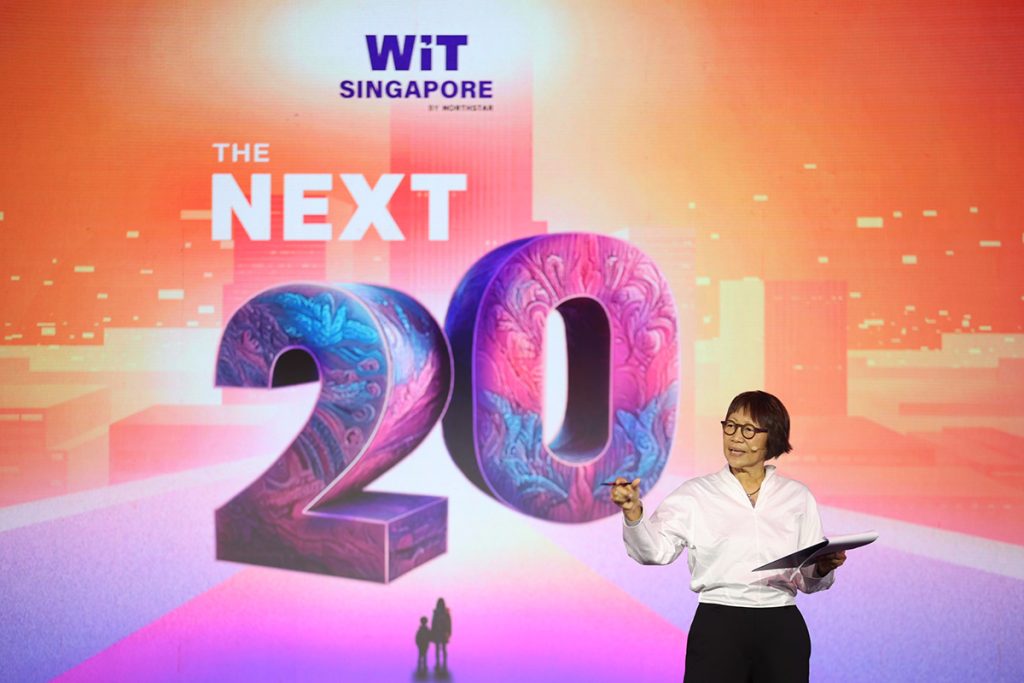
Yeoh Siew Hoon closing WiT Singapore
“We are investing in disrupting ourselves and in things we normally wouldn’t have done,” said Omri Morgenshtern, CEO of Agoda.
Even Xing Xiong, COO of Trip.com Group, acknowledged the uncertainty. “It’s an exciting time,” he said. “But nobody really knows where it will lead us. Trillions are being invested because people are afraid. But resources are limited. We must make safe decisions — focus our energy on what has long-term value.”
This dilemma – innovating at the edges while protecting the core – is universal. Whether you’re an OTA or an independent hotel, it’s the same balancing act.

Floral harmony
Harmony in hospitality
Back in Phuket, watching the ocean shimmer from my pool villa, I found myself wondering how Trisara, which opened in 2004 (a year before WiT, incidentally), has stayed relevant in a sea of new luxury.
When it opened, private pool villas were rare. Now they’re everywhere. Travellers are fickle. Competition fierce. How does a property remain timeless?
“By staying true to our principles – harmony,” said Morris Sim, Executive Director of Montara Hospitality, as I sipped a mango sticky rice cocktail at sunset. “Harmony for guests, harmony with our local community, and harmony with the planet.”
That harmony runs deep: 90% of Trisara’s 400 staff are locals, many with over a decade of service. “Why stay so long?” I asked Tor, a manager who’s been here since opening. His answer was simple: “Joy and happiness,” he said, smiling.
Tech, meanwhile, stays invisible, humming quietly behind the scenes.
“We use digital to get customers,” said Morris, “but humans serve our guests.”
As Trisara turns 21, it’s entering its own reset. “The past 20 years were about growth,” Morris reflected. “Now we want to focus on what matters – our core purpose. It’s a new beginning, with a new mindset.”

Sunsets that only Phuket can produce.
The new beginning
Whether it’s a global OTA wrestling with AI disruption or a resort in Phuket refining its purpose, the question is the same: how do we adapt yet stay true to our core values?
The next era of travel will belong to those who create value, not extract it. To those who put travellers first.
Because when travellers thrive, so does travel.
Here’s to a new beginning, my friends.


