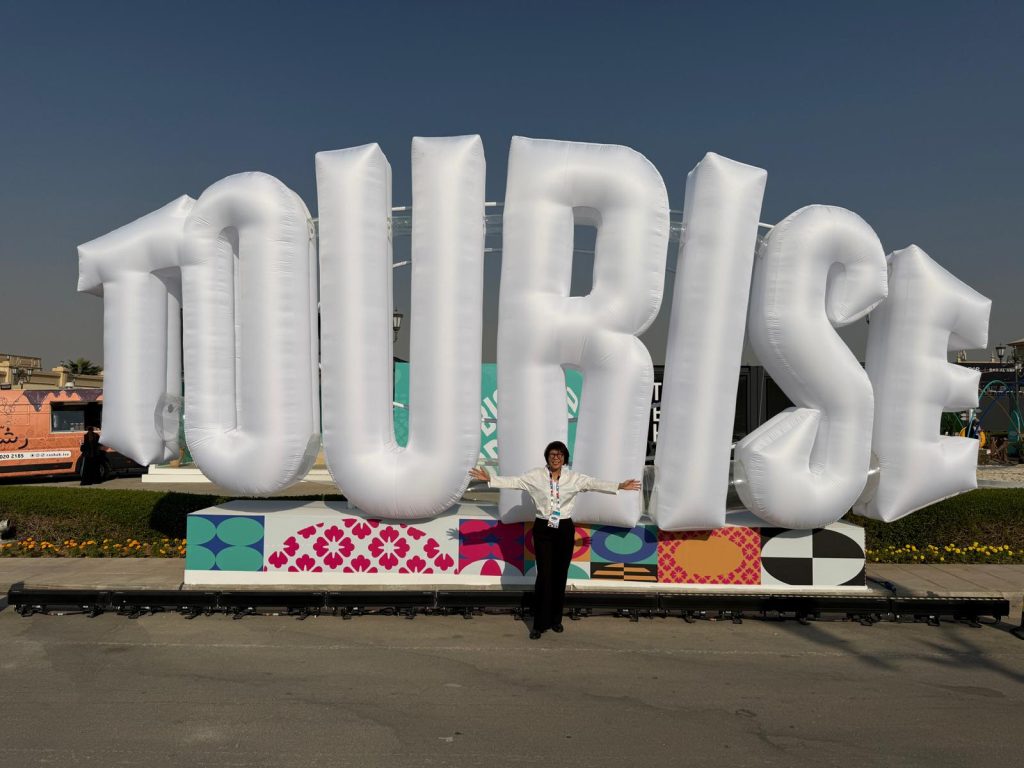
You name it, it had it – the opening of TOURISE 2025, the new global travel platform powered by the Ministry of Tourism of Saudi Arabia which kicked off in Riyadh this week.
Poetry, dancers, a rock band, a singer mimicking animal sounds – all against a backdrop of stunning visuals on the most gigantic LED screens I’d ever seen, as well as revolving stages – a first even for CNN’s Richard Quest in his career as television and event host.
It felt more like a concert than a travel conference – and that was its intent.
In pulling off this three-day event, which gathered more than 140 speakers from 10 industries and 8,000 delegates from around the world, including 50 tourism ministers, and mayors, Saudi’s Minister of Tourism, Ahmed Al Khateeb says the Kingdom is building something that is “not just a conference” but a year-round platform where private sector-across-industries-meet-governments-and-NGOs to solve “travel ecosystem” problems on a global level.
In his opening, he said, “Back in 2020/2021, we started to think about bringing travel ecosystem players together to discuss and plan how to serve the 1.5 billion people who travelled. Last year, only 20% of the global population travelled –imagine if this number goes to 2.5b and 3b, which it is expected to by 2035 …”
He then urged delegates to “have a vacation” and “have fun”. Outside the massive conference centre, the foyer was decked with massive, curved LED walls promising, “Your Story Starts Here”, drinks and food stands, and in the grounds, a “Nikki Beach” area had been set up where you could sit and sip cool cocktails against a beach backdrop, while a DJ spun music to set the mood for a party.
As I said, more concert/festival vibe than conference.
Unfortunately, I didn’t have time to check out the beach the first day but here are the key takeaways I spun out of the sessions from TOURISE 2025 on November 11.
1. Travel must keep creating jobs, even in the Age of AI
Saudi Minister of Tourism Ahmed Al Khateeb opened the summit with a call to action: “AI can digitalise the whole service end to end… but in an industry where people are the most important, where human-to-human touch is very important, we don’t want to digitise this service. We want to keep the jobs.”
He reminded delegates that travel employs 357 million people worldwide, 40% of them women and 80% youth – and that even with 90 million new jobs expected to be created by 2034, there’s still a looming 40-million-person shortfall.
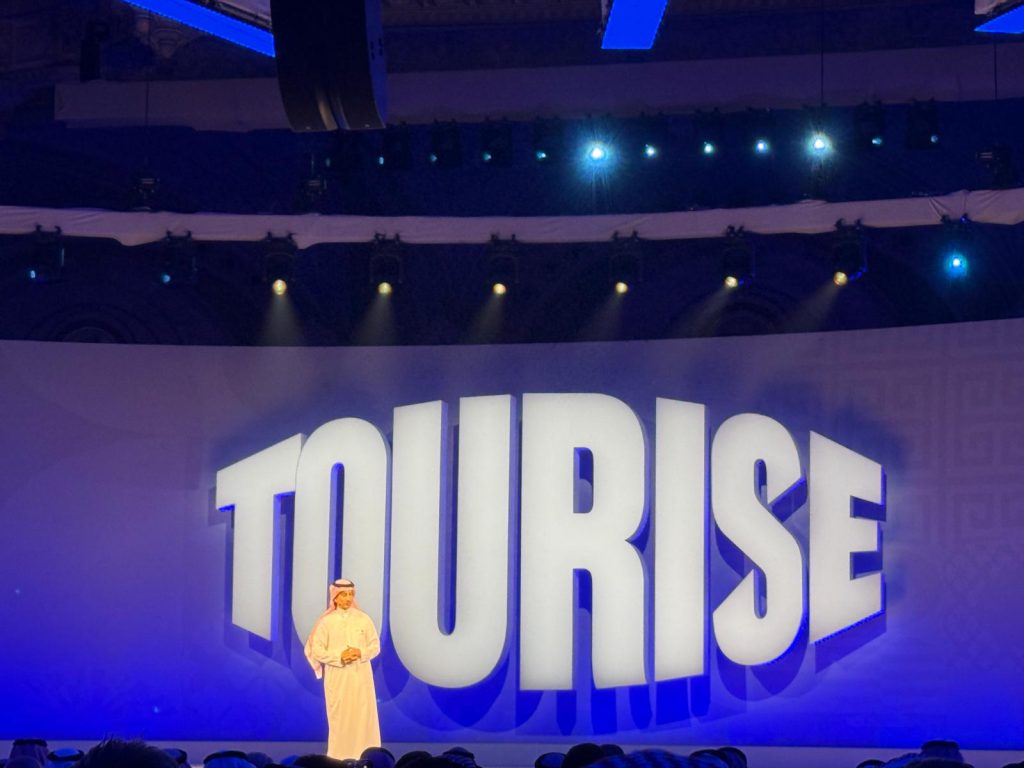
Ahmed Al Khateeb, Saudi Minister of Tourism
The message was clear: AI should empower, not erase.
This message was particularly pertinent in Saudi Arabia in which tourism has been singled out as the most powerful social and economic force to shape the Kingdom’s future in a post-oil future.
At later AI-related sessions, speakers described technology as “human enablers” or “a PhD in your ear” – a co-pilot that helps frontline staff serve better, faster, and more personally.
The future, they agreed, belongs to AI-assisted humans, not human-assisted AI – and so humans will still be needed in this most human of industries.
2. Women at the forefront of tourism’s transformation
If any moment captured Saudi Arabia’s transformation, it was Lubna Olayan, Chair of the Corporate Board, The Olayan Group Chair, Saudi Awwal Bank (SAB), recalling her 2004 speech in Jeddah when she urged the nation to abandon “progress without change”.
“A country cannot progress unless there is a real and holistic change,” she recalled when she was preparing for the speech. “And being a female working in a company for 18 years as the only female, I couldn’t see how the country could progress and could move forward …”
She said Vision 2030 finally made that change all-encompassing, social and economic. “We had great things going for us then, but they were not publicly known. The West knew very little about all the good things we have. What we have now is transparency.”
Two decades later, her vision is reality. Saudi women now lead in business, investment and tourism – and they played a starring role at TOURISE. From co-hosts to moderators and speakers across the three days, feminine power shone bright.
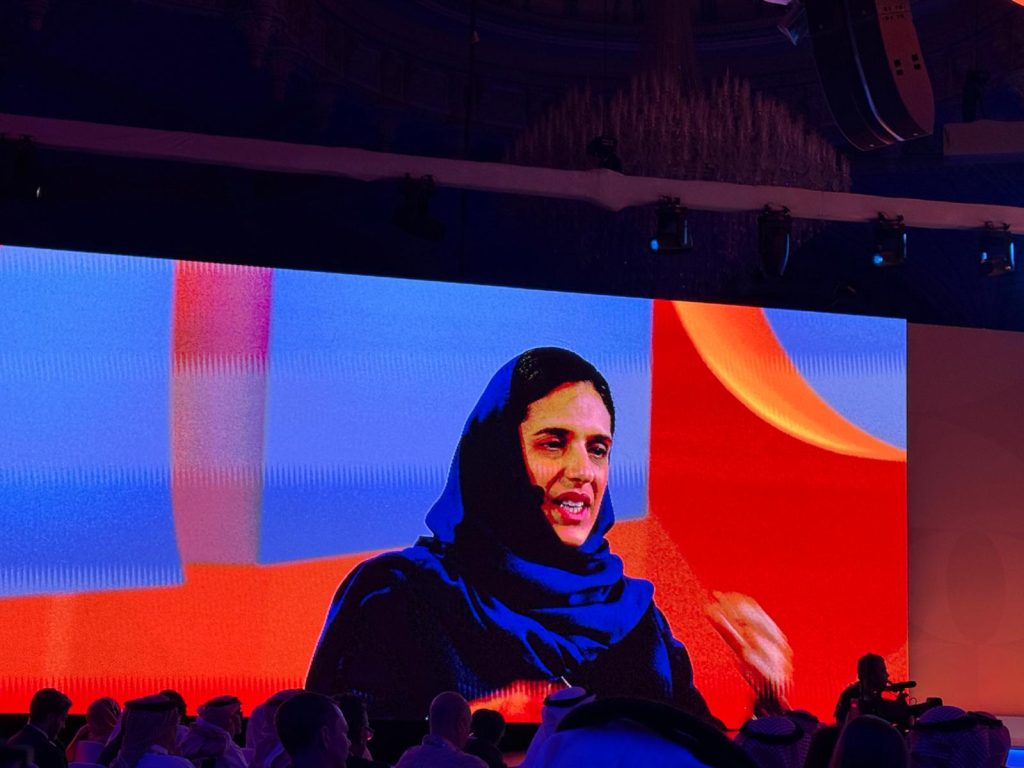
Princess Haifa al Saud, Vice Minister of Tourism, Saudi Arabia: Madinah safest city for solo female travellers.
Becky Anderson, managing director, CNN, moderating “From Clicks to Take-Offs: The Data Driven Reinvention”, featuring Ariane Gorin, CEO, Expedia Group and Princess Haifa al Saud, Vice Minister of Tourism, Saudi Arabia, said there was no better illustration of women leadership than her “female powerhouse” panel.
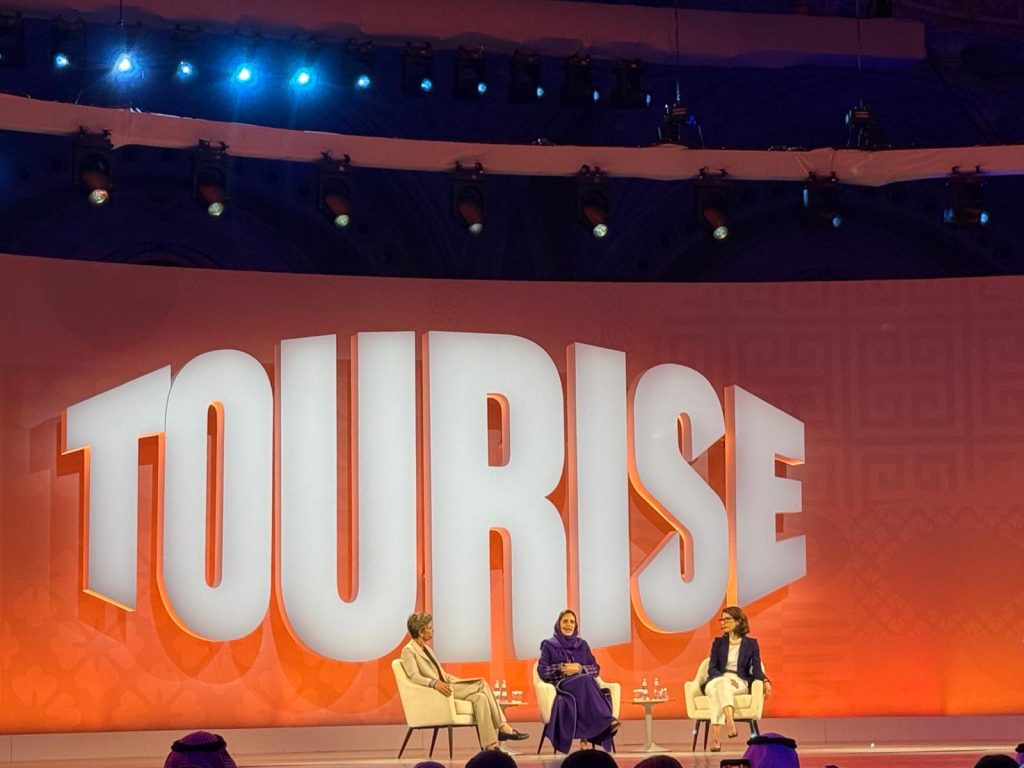
Princess Haifa celebrated how far Saudi Arabia had come – “from being known for the Two Holy Mosques to becoming one of the world’s top 10 destinations in international arrivals.” She also pointed out that Madinah (Medina) has been voted the safest city in the world for solo female travellers for two consecutive years.
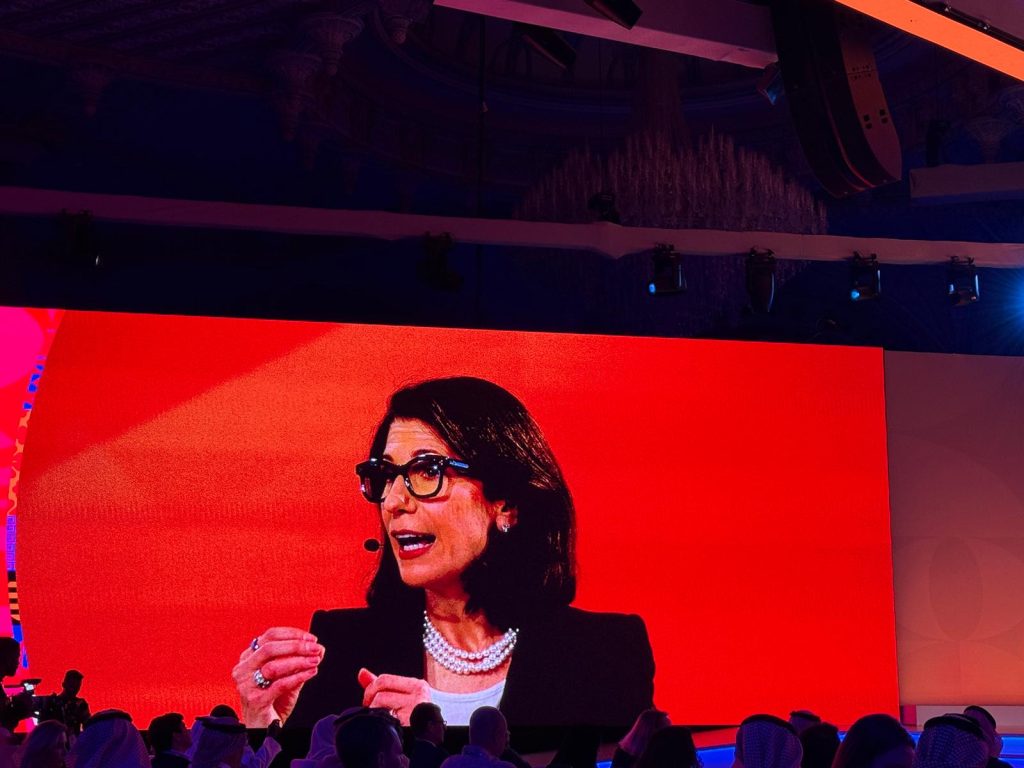
Ariane Gorin, CEO, Expedia Group: Predictive, Proactive, Personalise
Expedia’s Gorin echoed that transformation from the corporate side: With Brand Expedia celebrating its 30th anniversary soon, she said, “We’re entering the third chapter of travel – AI-powered personalization built on data and empathy.”
Saying Expedia now runs 900 billion AI predictions a year, she added, “We think in threes. Predictive, proactive, personalised. Predict the right moment, step in when plans wobble, and tailor the experience based on who you are and what you value.”
3. AI can make airports like Formula 1 cars
Paul Griffiths, CEO of Dubai Airports, used a Formula 1 analogy to demonstrate how AI could improve efficiency and customer experience at airports.
“In the 1970s, a pit stop took 47 seconds. Today it takes three,” he said. “If we can bring that same data-driven precision to airports, we can make travel faster, smoother, and infinitely more customer-friendly.”
He described how AI and automation are helping one of the world’s busiest aviation hubs orchestrate thousands of moving parts – from flight arrivals and refueling to passenger flow and contingency management – in real time. The goal isn’t just efficiency; it’s resilience under disruption.
“When things go wrong, we can now serve customers better, minimize delays, and make smarter decisions,” he said.
But for Griffiths, AI’s true value lies not behind the scenes, but in the ears of his people. “If I can empower our frontline staff with AI in their ear – so when a traveller asks a question, they can get an instant answer while still delivering it in a human way, that’s the future,” he said.
His fellow panelists agreed, calling this the rise of the “AI-informed human avatar” — employees trained both formally and in real time, blending machine intelligence with empathy.
Griffiths believes investment must be split evenly between technology and people: “You can’t have one without the other. Technology enables humans to do their jobs better.”
4. Investing in tourism is investing in nations
Saudi’s Minister of Investment Khalid Al-Falih drew a straight line between tourism and capital formation. Since Vision 2030’s launch, Saudi’s tourism GDP has surged to over SAR 200 billion, foreign investment in hospitality has multiplied eightfold, and 180,000 hotel rooms have been added
“Tourism brings investment, and investment brings tourism,” he said. “A country that’s good to visit is good to invest in.”
From Brussels, Commissioner Apostolos Tzitzikostas shared that the European Union will launch its first-ever comprehensive tourism strategy in 2026. Europe, he said, accounts for 40% of global travel, 20 million jobs, and 12% of GDP – but faces mounting challenges: overtourism, seasonal imbalance, skills shortages, and the need for digital and sustainable transformation.
“We are not just protecting the environment,” said Tzitzikostas. “We are protecting societies, heritage, and economies. Sustainability is not only green – it’s social, digital, and cultural.”
His plan calls for investment in resilient infrastructure, reskilling workers, and rebalancing flows toward lesser-known regions.
5. The Global South is where the money is
Greg O’Hara, founder of Certares and a veteran in travel investments, offered a macro lens: “Tourism is on fire (in the Middle East) – in the best way possible,” he said. “Margins are strong, cash flows are healthy, and the regional story is unstoppable.”
O’Hara announced a US$250 million joint fund between Certares, BPI France, and Kingdom Holding Company to support Saudi tourism – focused not on giga-projects, but on the “boring but essential” layer: DMCs, ground transport, and distribution infrastructure.
He also revealed a US$200 million initiative with Oman’s Investment Authority. “We’re betting on the middle layer of travel – the pipes and rails that make everything work,” he said.
O’Hara noted a decisive shift in global demand: 82% of Indians and 88% of Chinese now express interest in travelling to the Middle East, reversing historic northbound travel trends. “The next decade belongs to the Global South,” he said. “It’s where the growth, the curiosity, and the capital all converge.”
6. Bridging the skies and secondary connectivity: The South-South Story takes flight
Another panel on “Bridging The Skies: Unlocking Global Connectivity” called attention to the South-South corridor – that the future of air travel is being written in those connections, from Riyadh to Cape Town, Dubai to Kuala Lumpur.
Abdulla Bin Touq Al Marri, Minister of Economy & Tourism of the UAE, urged the industry to look beyond the obvious. “Everyone wants to fly to Riyadh or Dubai 10 times a year but the real opportunity lies in secondary cities,” he said. “We need to market these places, open secondary airports, and make them economically viable.”
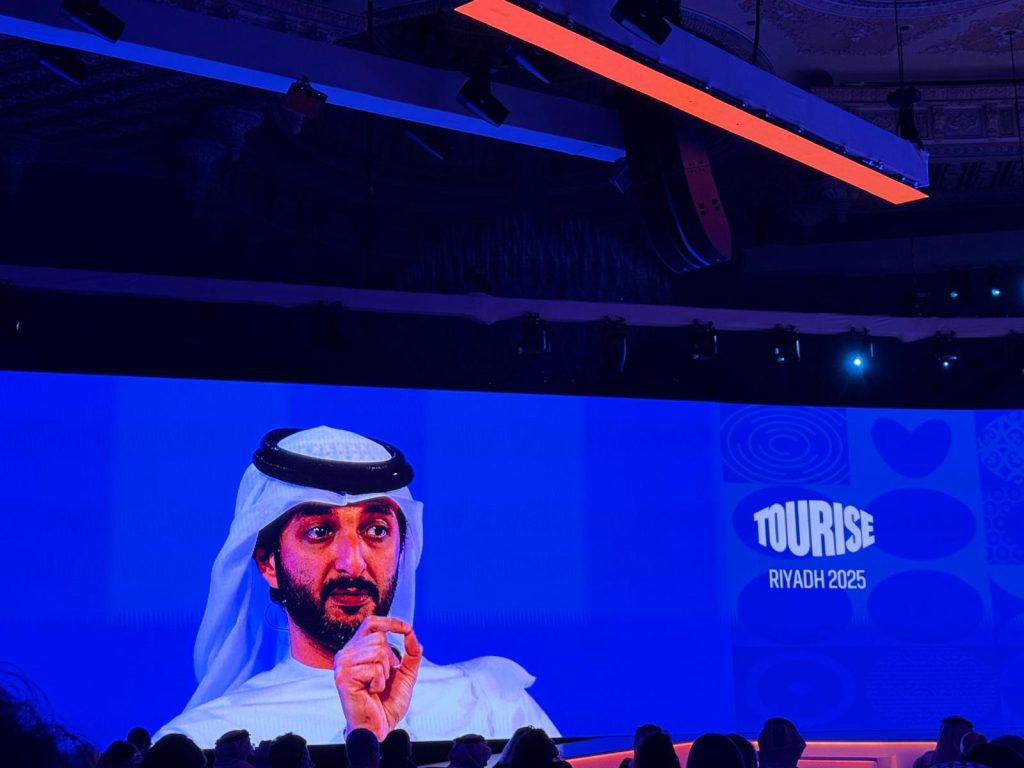
Abdulla Bin Touq Al Marri, Minister of Economy & Tourism of the UAE: “Connectivity is not just about planes. It’s about connecting people.”
His call was echoed by panelists from across Africa and Asia, who argued that dispersing tourism away from major hubs could unlock new jobs, rebalance economies, and reduce the strain on overcrowded gateways.
Abdullah said, “Connectivity is not just about planes. It’s about connecting people – and people bring three things: ideas, technology, and money.”
South Africa’s Minister of Tourism, Patrica de Lille, was candid: “We’ve been talking about policies for years. Now we need to invest in implementation – in special-purpose vehicles that market the continent, develop new routes, and build the business case for airlines.”
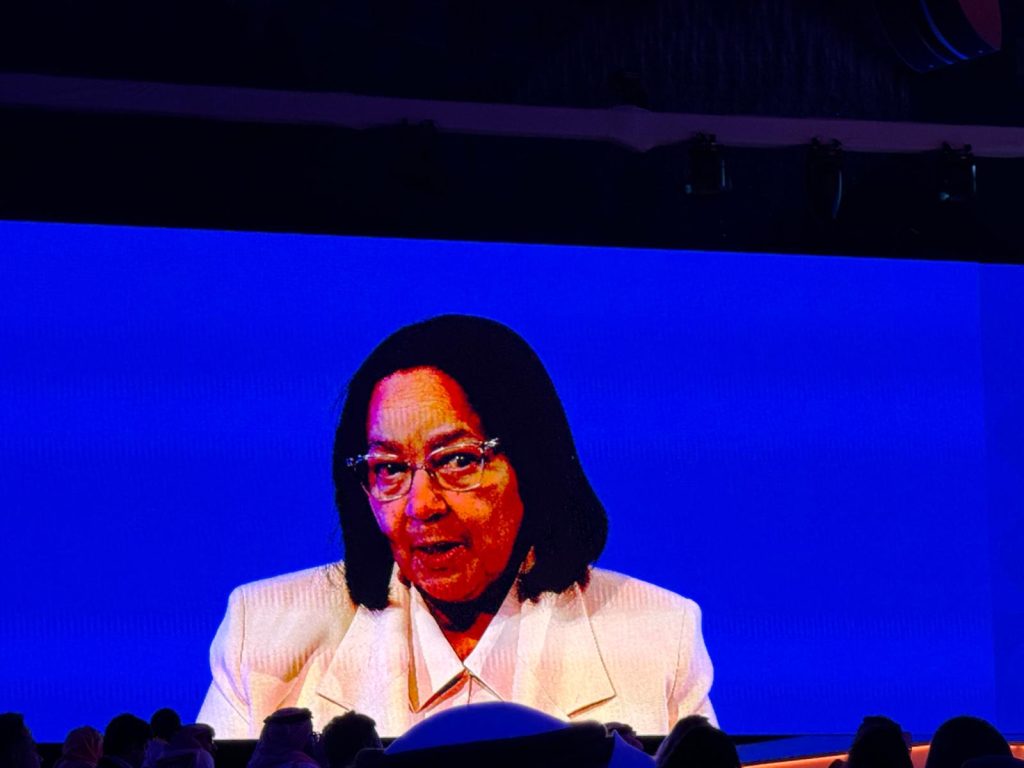
Patrica de Lille, South Africa’s Minister of Tourism: “We need to invest in implementation.”
She revealed that South Africa’s collaboration with the UAE on route-sharing – splitting income to ensure mutual benefit – was a pragmatic step forward. “We can’t keep talking past each other. We need to collaborate – public and private – to make air travel truly work for Africa.”
Speakers agreed that the next decade will belong to South-South connectivity between Asia, Africa, and Latin America.
7. The Great Asian Power Shift
Yet another shift is taking place. In the session on “The Asian Powerhouse”, the message was clear – the centre of gravity in global travel has shifted to the region.
“Millennials are turning 40, Gen Zs are entering their peak earning years,” said Trip.com’s COO Schubert Lou. “Together, they’ll account for 50% of purchasing power in Asia. That’s the demographic force that will reshape global tourism.”
Oceanlink’s CEO & Co-founder Tony Jiang, an investor in tech startups, called it a “perfect storm of Asia’s capital, technology, and creativity.”
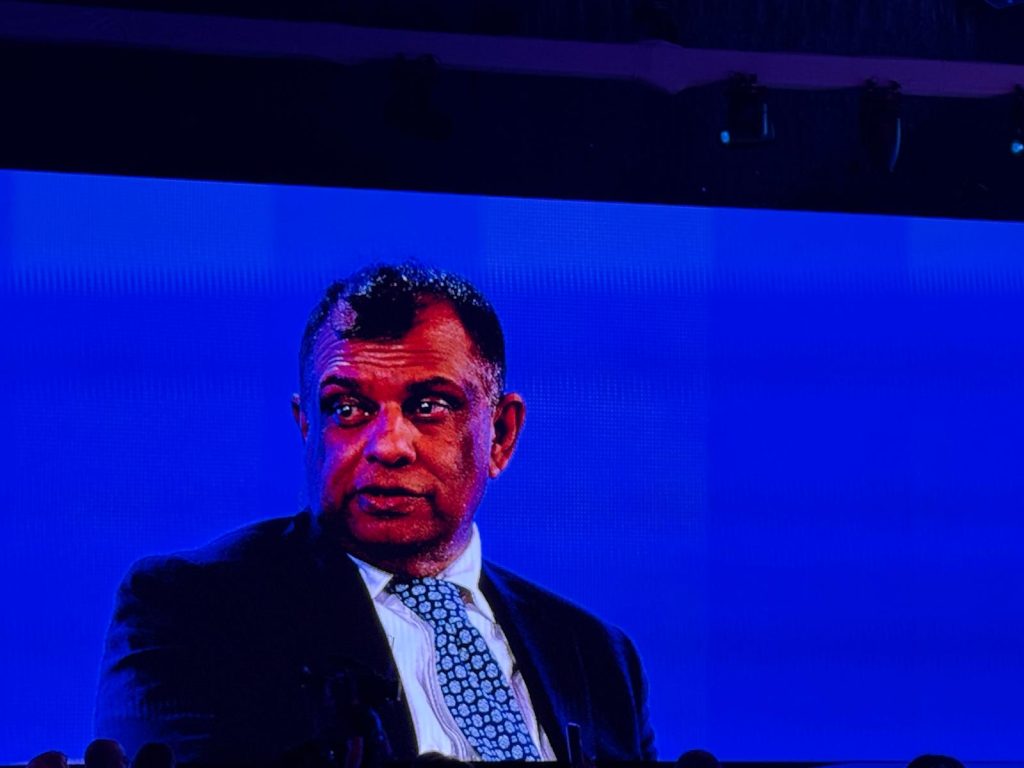
Tony Fernandes, Chairman, AirAsia: “Rising GDP, rising curiosity.”
Ritesh Agarwal, CEO of Prism Hotels & OYO, pointed to India’s rise as the next travel juggernaut. “If you’re a destination not paying attention to Indian travellers, you’re already behind,” he warned.
AirAsia’s chairman Tony Fernandes closed with a reminder that Asia’s momentum benefits the world: “Rising GDP, rising curiosity – this region will drive the next decade of global tourism. We’re not following anyone’s playbook anymore. We’re writing our own.”
8. Destinations must build for the people
In the “Creating Destinations, Catalysing Economies” came the clarion cry; from painful lessons learnt come the wisdom – community first, before property.
The best lesson came from Costa Rica, which has long been hailed as a global model for regenerative and human-centred tourism, but what stood out was how deliberate and data-driven that model has become.
“The most important value Costa Rica has is its people,” said William Rodriguez Lopez, Minister of Tourism. “Any destination can build attractions, but if its people don’t feel part of the development, it will never succeed.”
Costa Rica’s government has pioneered a social and cultural sustainability survey that measures 60 indicators – not just environmental ones like water quality or biodiversity, but education, wellbeing, and community satisfaction.
“Every two years, we measure how people in tourism zones feel compared to those in non-tourism areas,” he explained. “And so far, the results show that communities engaged in tourism report the highest quality of life in the country.”
This social index acts as a “compass” for policymakers. If the data slips, new investments are paused until social balance is restored – a rare practice in a world chasing visitor numbers.
“The key to success,” said Ahmed Bin Abdulaziz Al Sulaim, CEO, Jeddah Central, “is ensuring that development begins with locals. We design for them first. Even the international visitor wants a genuine local experience – not something that mimics Los Angeles.”
He added, “Developing destinations is not romantic. It’s tough, disruptive work. You sacrifice, you make noise, and at first, people doubt you. But if they believe in your vision, they’ll fight for it with you.”
The panel agreed that successful destinations are built on belief before bricks. “Sometimes,” one speaker said, “you don’t need to start with huge buildings. Start with your artists. Start with your stories.”
9. Tourism opens minds – and hearts
Saudi Tourism Authority’s CEO Fahd Hamidaddin reminded the audience that 80% of the world has never travelled. For him, the barriers to travel are not just visas and flights but perceptions. “Saudi Arabia was long a victim of prejudice,” he said. “And the more people came, the more they realised how different the reality is.”
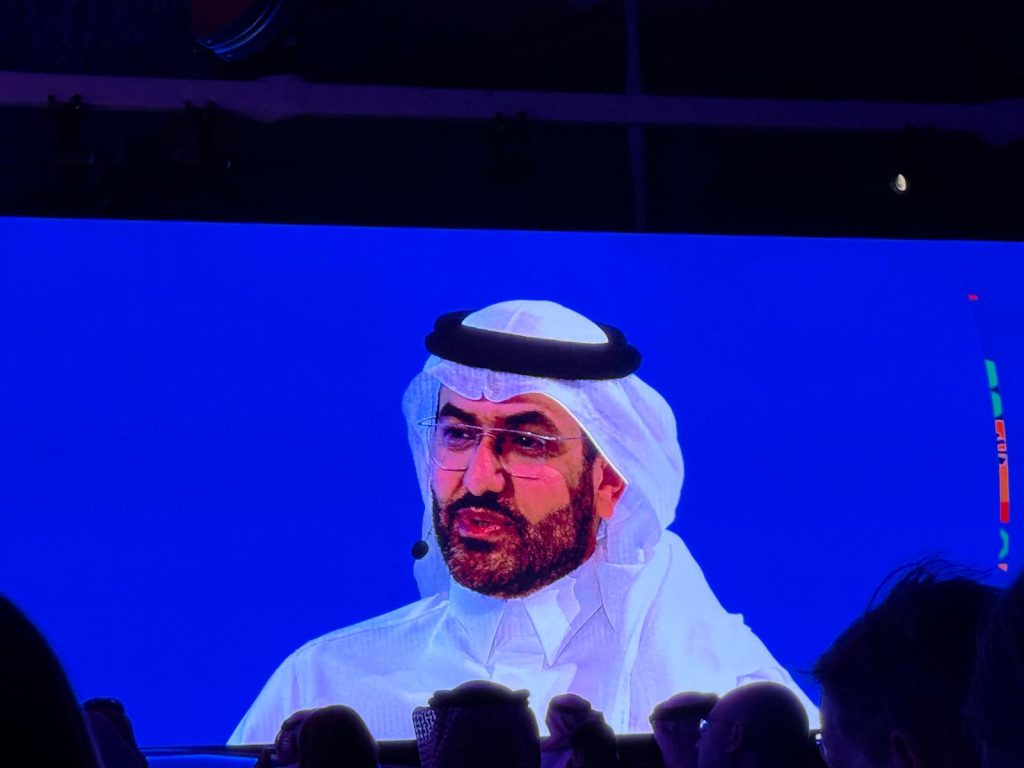
Fahd Hamidaddin, CEO, Saudi Tourism Authority: “Travellers are agents of good.”
He recounted the story of how a female travel editor who had resisted his invitations to visit, finally did, and after her trip, hugged him in tears, saying her perception of the Kingdom had been “completely changed”.
“Travellers are agents of good,” he said. “They carry their hearts in their hands, extending them to others – and return home transformed.”
Rwanda was another destination, encumbered by negative perceptions and prejudices. Irene Murerwa, Chief Tourism Officer of the Rwanda Development Board, spoke with disarming honesty about her country once defined by tragedy. “We lost a million lives. We had no hope for the future. So we had to open up and redefine ourselves,” she said.
Rwanda began with its mountain gorillas, turning what was once a symbol of fragility into one of resilience. From there, it grew into a business and MICE tourism hub, and later a cultural and sporting brand, partnering with Arsenal, PSG, and the NBA Clippers to tell the world: Rwanda is back.
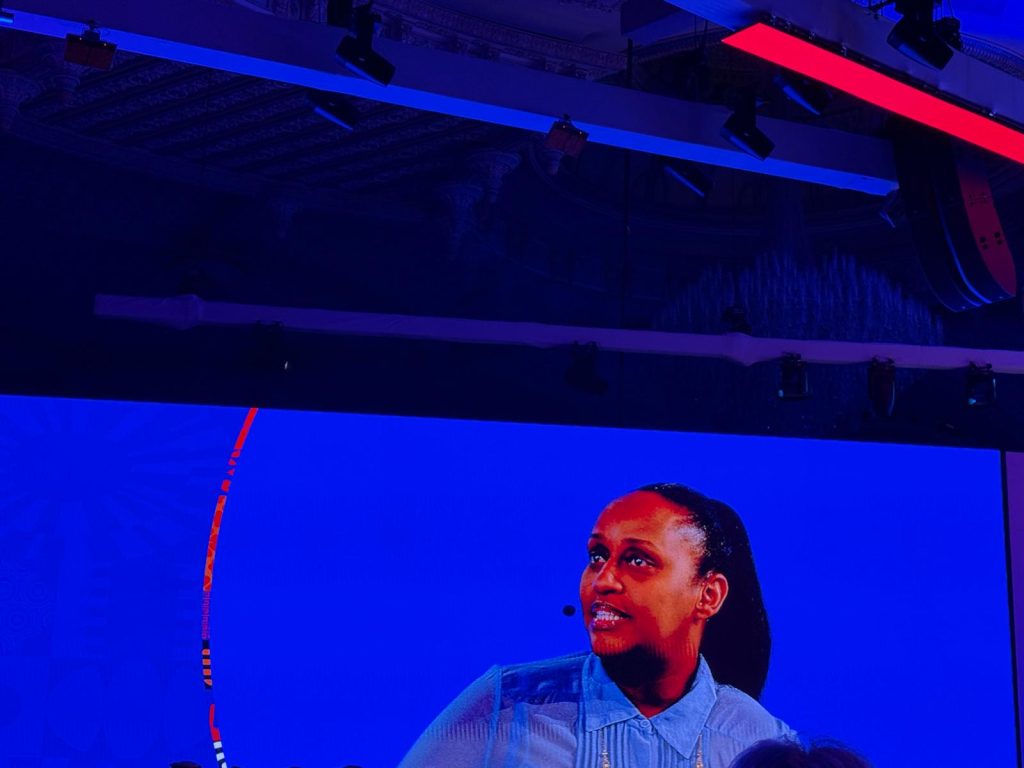
Irene Murerwa, Chief Tourism Officer of the Rwanda Development Board: “Every visitor becomes an ambassador.”
“Every visitor becomes an ambassador,” she said. “They return home with our dances, our food, our warmth – and they tell the story better than any ad campaign could.”
But the biggest influence in shaping perceptions is the media and Daniel Alegre, CEO of TelevisaUnivision, whose company produces the popular Mexican telenovelas, said, “Content is tourism. Every drama, every story we export can either reinforce stereotypes or dismantle them.”
He recalled meeting Hamidaddin and realising the power of representation. “When people see Mexico through our telenovelas, they think we’re chaotic but passionate. When they see Saudi Arabia through Western news, they think it’s closed. That’s why I’m committing to film one of our dramas here – so the world can see what this place truly is.”
So, watch out for a telenovela coming to a Saudi location near you soon.
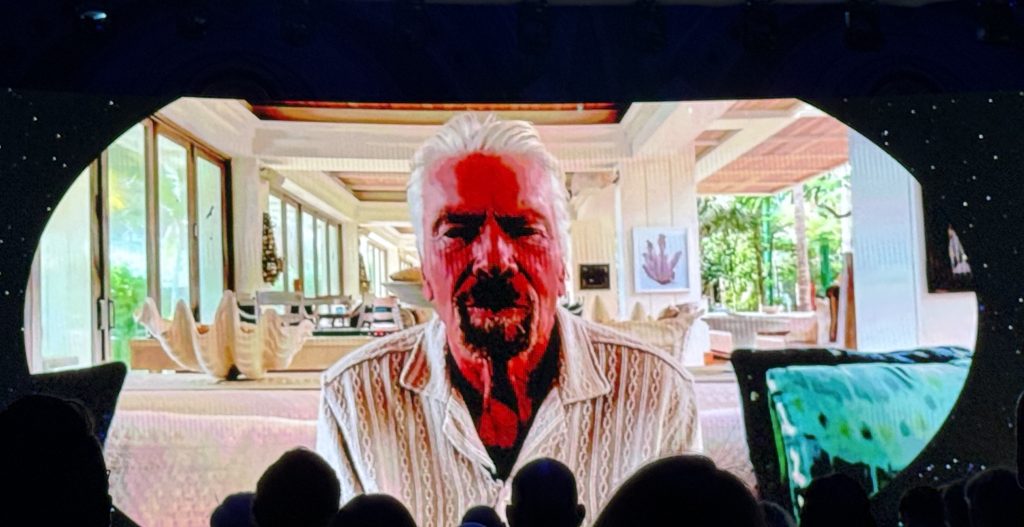
Sir Richard Branson, beaming in from space figuratively.
10. Space tourism and the next frontier
Sir Richard Branson, closing the first day of TOURISE, reflected on his decades-long mission to make space accessible through Virgin Galactic, and on the deeper meaning of space tourism beyond the technology and spectacle.
Branson said his entrepreneurial decisions have always been “instinctive and purpose-driven” – born out of frustration with the status quo and guided by the desire to “make people’s lives better.” He described Virgin Galactic as the next logical step in that philosophy: “People want to go to space themselves, to look back at this incredible Earth and marvel at it.”
He revealed Virgin Galactic’s goal to fly up to 800 people a year, more than the total number of astronauts in the entire history of spaceflight. The company is now designing its spacecraft to be “turned around in 24 to 48 hours” – more like airplanes than rockets – to make space travel more frequent and affordable.
He concluded, “Space should be for everyone. It’s not about the destination – it’s about the journey. Travel expands imagination, even to the stars.”
The first day of TOURISE 2025 certainly expanded the mind – taking us from travel’s responsibility to create jobs in the face of AI, to the power of women taking centrestage in travel and to new markets and frontiers of promise and possibility.
Now, to check out the beach and “have fun”. After all, isn’t it all about the experience?