
What happens to travel when so much of what we see online – destinations, experiences, even people – may have been created by AI? That was the question at the heart of the “Me, My Avatar and I” session at TOURISE 2025, which I moderated.
How do we keep it real online and manage traveller expectations when they finally arrive at the destination? Given that Generative AI tools are already being used by millions of travellers, these are questions worth asking.
Jeremy Jauncey, Founder and CEO, Beautiful Destinations described what he’s seeing in his network. Travellers use LLMs to get written, structured ideas of where to go, then they go to social platforms to see what those places look and feel like in video.
“It’s a phenomenally different way for a traveller to discover a destination,” he said. “For 20 years, Google dominated. Now discovery is split between AI search and social search.”
In an audience poll, social platforms were voted as the one that will have the biggest impact on how we discover and choose destinations in the next five years.
Blake Chandlee, former President, Global Business Solutions, TikTok pointed out that 84% of millennials and Gen Z use social media to make travel decisions. That alone makes it the dominant discovery layer for years to come.
“Social sits on top,” he said. “AI, virtual experiences, creators – they all plug into that environment.”
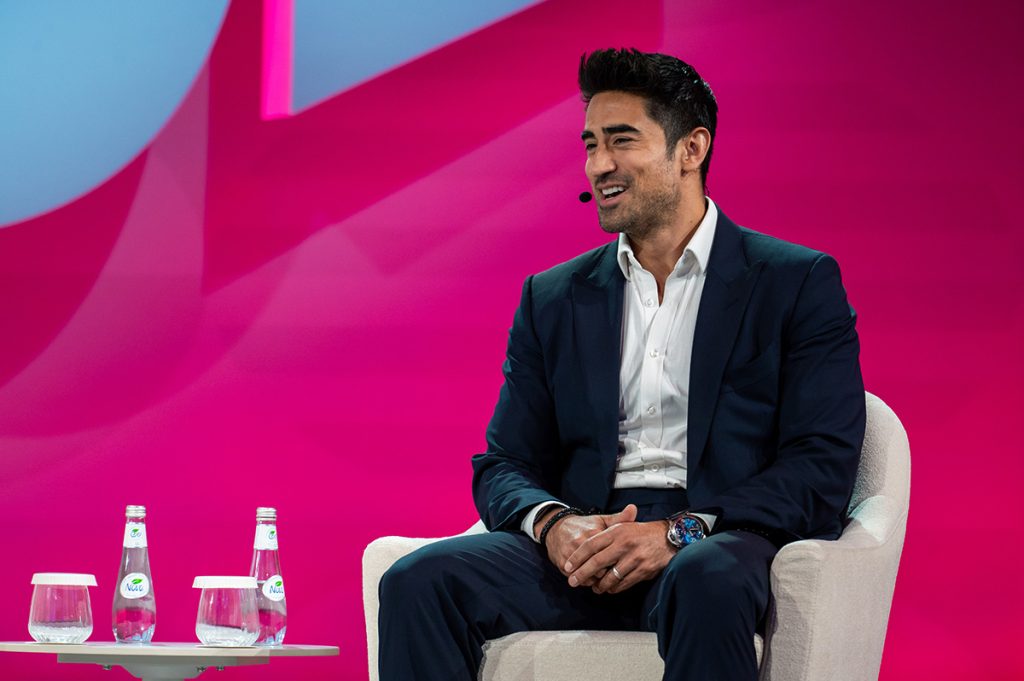
Jeremy Jauncey, Founder and CEO, Beautiful Destinations: “It’s a phenomenally different way for a traveller to discover a destination. For 20 years, Google dominated. Now discovery is split between AI search and social search.”
From scroll to book: What actually converts?
The next question: Are we actually moving from scrolls to clicks and buys?
Jauncey shared insights from Beautiful Destinations’ work with partners such as Expedia.
Yes, you can post a piece of content and drive real bookings, but travel isn’t shampoo. “It’s a considered purchase with multiple touchpoints,” he said. “What social is doing now is playing multiple roles along the journey – from inspiration all the way through to planning and sometimes booking.”

Blake Chandlee, former President, Global Business Solutions, TikTok: “Social sits on top. AI, virtual experiences, creators, they all plug into that environment.”
What’s converting best?
- Shorter, near-term experiences – day tours, activities, things to do once you’re already in a city.
- Content that’s not just “beautiful” but practical: what to do, where to eat, how to move.
- Away from overly polished, cinematic content
- Towards bite-sized, practical, context-rich “blends” — mini-itineraries, neighbourhood guides, “here’s exactly how to spend 24 hours” type content
“The shift is from purely beautiful, aspirational imagery to content that helps people do something,” Jauncey said.
Muzzammil Ahussain, CEO, Almosafer, sees a similar pattern from the OTA side.
People no longer search just by destination and dates. They search by “why”:
- Trips tied to themes
- Context-first queries
- Flexible, open-ended exploration
“We’re trying to create more flexible ways for people to explore,” he said. “Our searches and recommendations need to match the reasons they travel, not just the filters they click.”
That’s where influencers and creators come in – but not in the old way. “It’s less about mega-influencers now and more about authentic creators,” he added. “Micro and nano creators who really know a place, a community, a niche.”
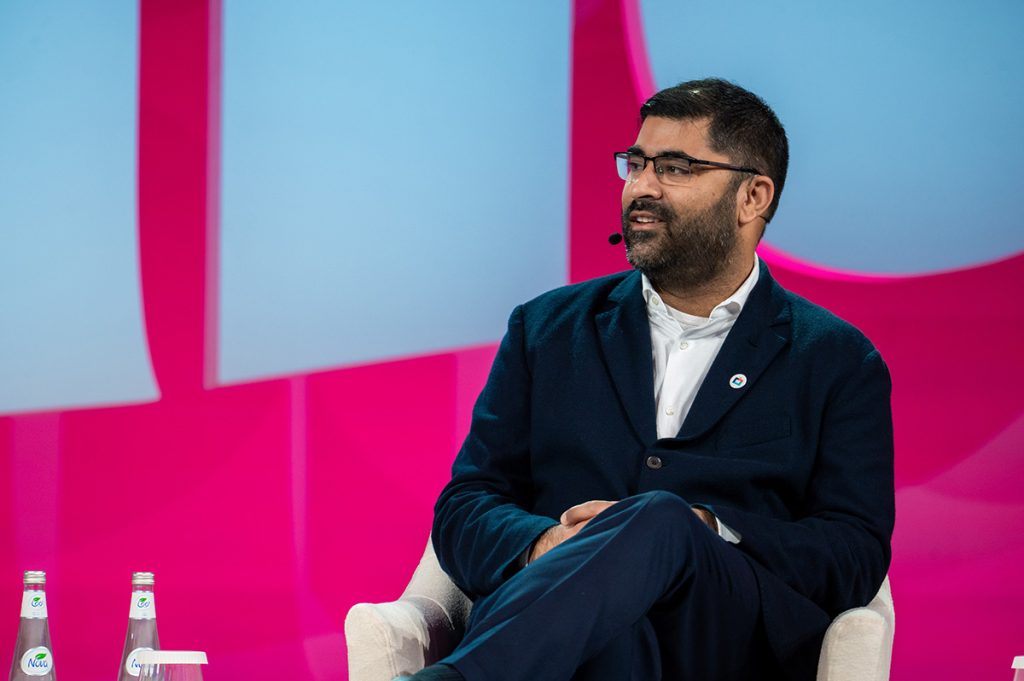
Muzzammil Ahussain, CEO, Almosafer: “We’re trying to create more flexible ways for people to explore. Our searches and recommendations need to match the reasons they travel, not just the filters they click.”
AI fatigue, avatars and the battle for trust
However, could this become harder given the proliferation of AI-generated content and is AI fatigue settling in, I asked? People are starting to say, “I can see this is AI, and I don’t trust it.”
Chandlee acknowledged that all major platforms are building AI tools for creators, TikTok included: AI avatars, voice and language tools, creative assistance “We’ve built tools that let creators use avatars or likenesses of themselves to expand reach,” he said. “But we know the key is transparency.”
He believes the industry is moving toward a norm where AI-made content is clearly labelled – whether that’s a TikTok video, a movie, or a destination clip.
“The biggest challenge is when you don’t know if something is AI or not,” he said. “As long as we’re authentic and disclose it, we can build trust.”
So how does travel avoid “drowning in AI stuff”?
Muzzammil said that AI should be used to make content more relevant, not just more prolific: “It has to be useful. It has to help someone make a better decision. Otherwise, it’s just noise.”
Jauncey said, “In a world where you can’t always tell what’s real, you have to show people content they can trust.”
He said Beautiful Destinations’ own model is still built on real content, filmed in real destinations. But AI is now used to scale and adapt that content – to repurpose it faster, tailor it to specific audiences and respond to data signals in near real-time
“AI helps us move faster,” Jeremy said. “But the core of our business is still human-created content.”
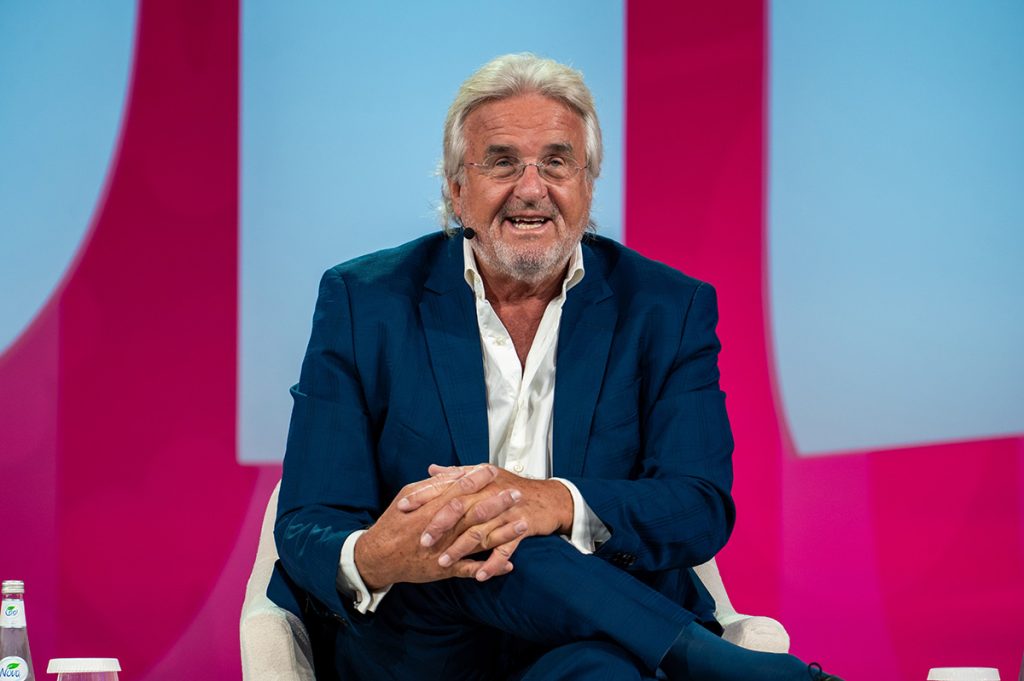
Mario Enzesberger, CEO & Founder, Liberty International Tourism Group: “Everyone wants an ‘instant’ experience now. But on our side, we have to understand who’s coming, what they really want, and what is actually possible.”
On the ground: When expectations hit reality
For Mario Enzesberger, CEO & Founder, Liberty International Tourism Group, who’s running a global DMC network, the conversation isn’t theoretical. He sees what happens when expectations created online collide with reality on the ground.
“Everyone wants an ‘instant’ experience now,” he said. “But on our side, we have to understand who’s coming, what they really want, and what is actually possible.”
He talked about the need to blend the always-on, always-beautiful world of online content and the messy, human world of real travel: weather, traffic, culture, infrastructure
“We need platforms and DMCs to work together,” Enzesberger said. “Because there’s nothing worse than a traveller arriving with super-high expectations and not getting what was promised.”
“We need to work together. Talk to each other. Share real information.”
Liberty has started experimenting with live cameras and more transparent previews, so travellers can see things as they really are – not just in their most polished form.
The panel agreed that it’s a shared responsibility – platforms inspire, DMCs deliver, but both must help manage expectations.