


Even as we charge pell-mell into the future, it’s good, necessary, even, to take a walk back into the past to understand how we got to where we are today.
This week, I did exactly that. I visited The Albatross File: Singapore’s Independence Declassified, a permanent (actually it’s five years) exhibition at the National Library Board that retraces the events leading up to August 9, 1965, the day Singapore separated from Malaysia.
I was too young to remember it (yes, I was around back then, probably catching frogs in a drain nearby). And I don’t recall my parents even talking about it or perhaps they wanted to shield me from the trauma of that moment – which, in many ways, is like a family breaking apart. Siblings to be separated, forever.
To make this visit even more meaningful, I arranged to go with Jennie Chua, my legendary hotelier friend of Raffles Hotel fame (I know, I can feel her eyes roll at this label). She has a personal interest in this exhibition.
Dr Goh Keng Swee was the chief negotiator of the separation, and it is his documents, handwritten notes and Cabinet papers that form the heart of the exhibition, made available to the public for the first time.
Who better to get a personal insight into this moment in history than from her. And yes, as any journalist worth her salt would admit, I was also hoping for some side story that would add spice to the tale. What can I say, human curiosity trumps AI anytime.
We were met by Geraldine Seah, the exhibition’s curator, who has spent the better part of nine months with her team bringing this story to life. Since opening in December, the exhibition has drawn close to 100,000 visitors – Singaporeans and curious foreigners alike.
Which is encouraging – it shows that this story still matters and that people care about history, especially when told and relived in an informative, engaging and entertaining manner as this was – particularly important when people are seeking more from experiences than just to know, but to feel.
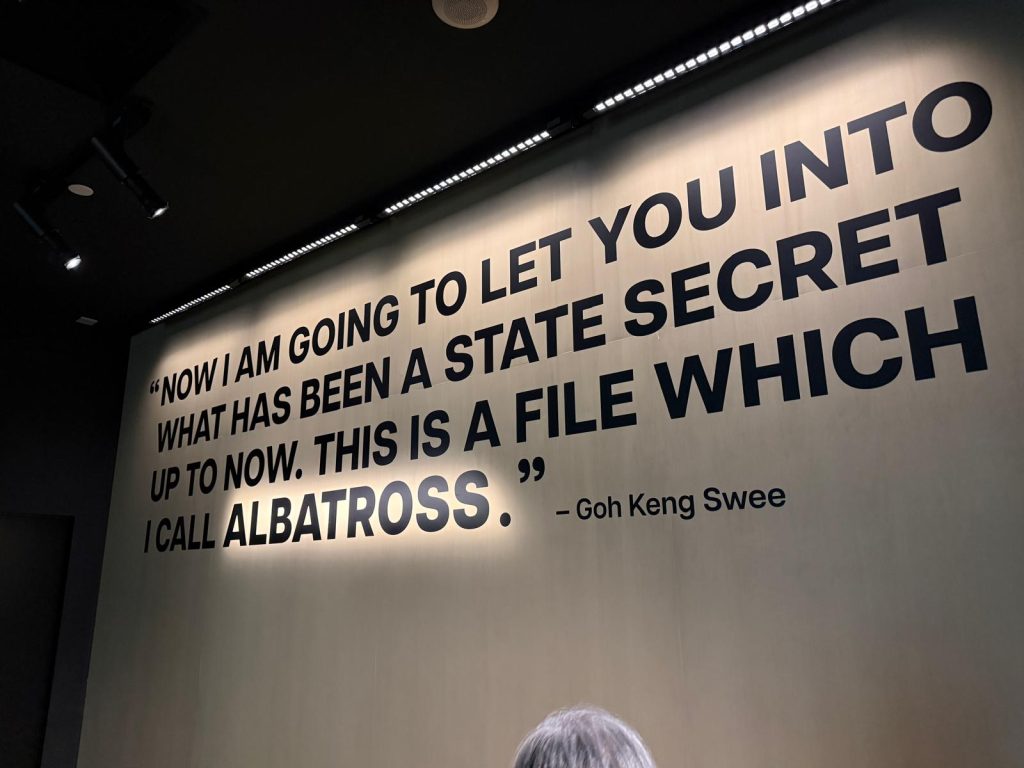
Dr Goh’s words, emblazoned at the entrance, sets the stage for the high drama to follow: “Now I am going to let you into what has been a state secret up to now. This is a file which I call Albatross.”
Geraldine told me that the exhibition’s intent was for people to feel the moment, and not just for you to know the facts – what happened when, who said what – although I found the process and events leading up to the separately super interesting as well.
And so, the exhibition takes you on a journey through the years, tensions, heated disagreements, riots that culminated in separation. If you have time, three to four hours would not be indulgent. We had about an hour, which means I will definitely be back – to read all those handwritten documents (people had really good handwriting in those days) and to listen to all the audio recordings.
I like the clever use of technology, you know it’s there, but you don’t see it. It’s there to support the story.
Original, yellowed, handwritten documents sit safely behind glass, while interactive screens allow you to explore their contents in detail – zooming in, clicking deeper if you wish. Geraldine told me the team drew inspiration from Chinese technology, where similar tools are used to animate ancient dynastic records. Here, it works beautifully.
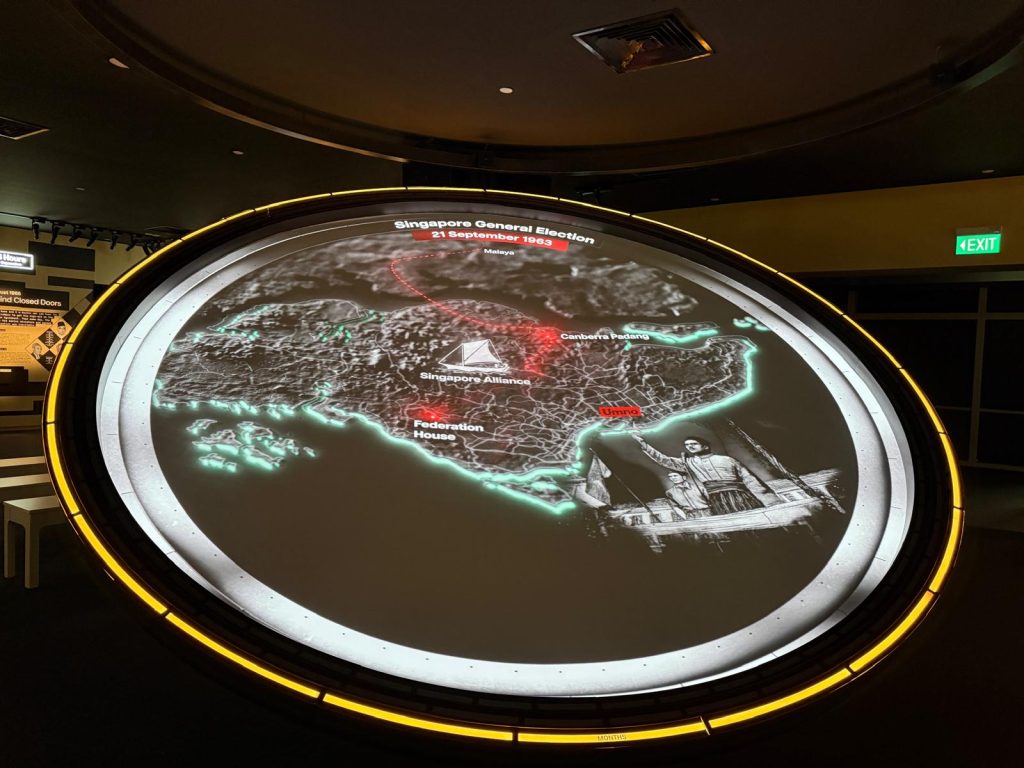
At the heart of the exhibition is a portal – almost Harry Potter-like– that synchronises with the timelines on the surrounding walls, pulling text and images into motion. It feels like stepping into a time capsule.
We sat through the 22-minute film – essential viewing, especially if you’re short on time. As “Dr Goh” appeared on screen, I heard Jennie whisper beside me, “That’s not him. That’s not his voice.”
Geraldine laughed. “We had to use actors,” she explained. They could have used AI, I guess, to reenact the scenes but I am glad they used humans. The actor that played Lee Kuan Yew was an uncanny look-alike.
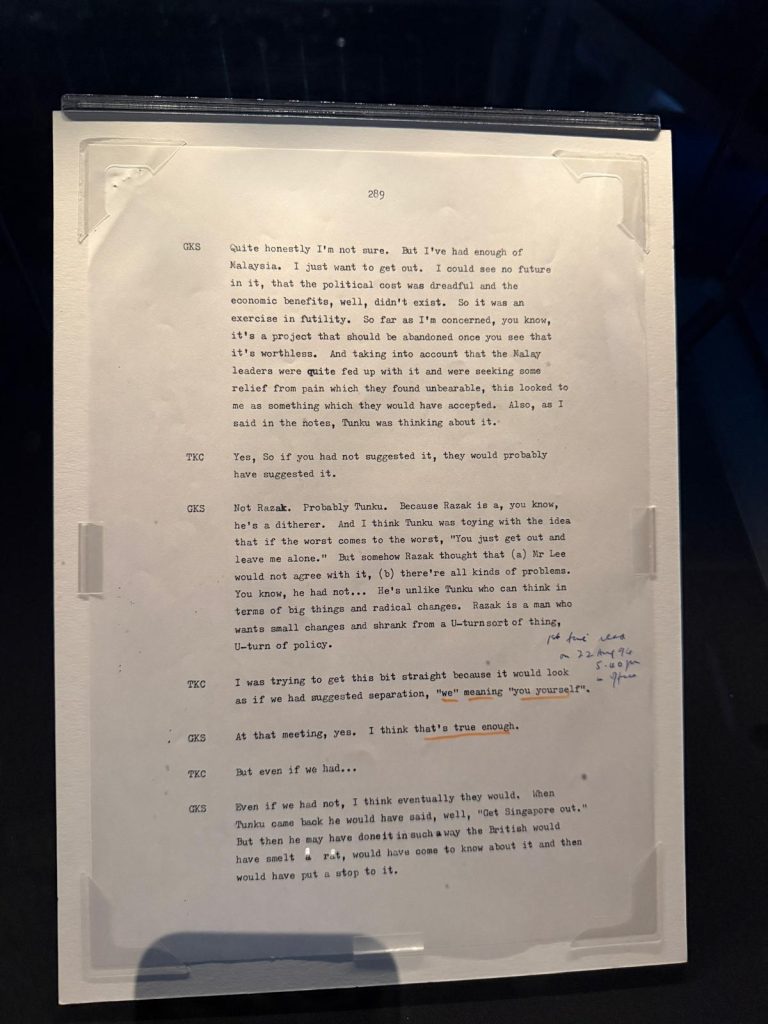
One of the most powerful moments for me was seeing the document drafted by Dr Goh, where he took it upon himself to go straight to separation, skipping other options for several reasons, one of which was the fear of further unrest after the violence of 1964 and 1965, which Jennie remembers vividly.
He annotated the document himself, for the good of history, and probably prepared to bear responsibility especially if things went wrong. Lee Kuan Yew, the story goes, only discovered this years later – and noted that fact in the margins – “first time read on 22 Aug 94 5.00pm in office”. (see image)
High drama, indeed.
I also enjoyed the after-part where the key players were interviewed years after about whether they had regrets. I was struck by the grace of reluctant founding leaders such as S. Rajaratnam, who acknowledged that while he had doubted Singapore’s ability to survive alone, it had proven him wrong. “There are no eternal truths,” he said.
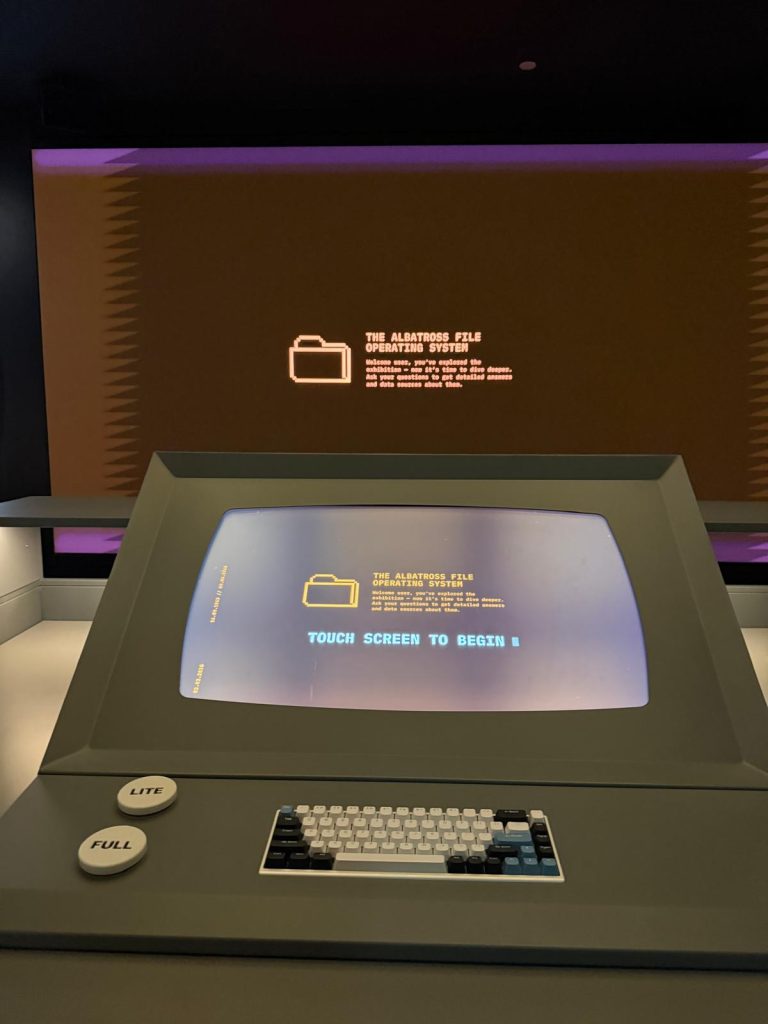
At the very end is a room called The Chatbook. Inside, you’ll find two old-fashioned keyboards – deliberately retro, almost symbolic – where you can type any question you want about the exhibition – and have a conversation with the machine.
Naturally, I asked Geraldine the question everyone asks these days: Is this powered by ChatGPT?
She said no – it’s built using Amazon’s large language models.
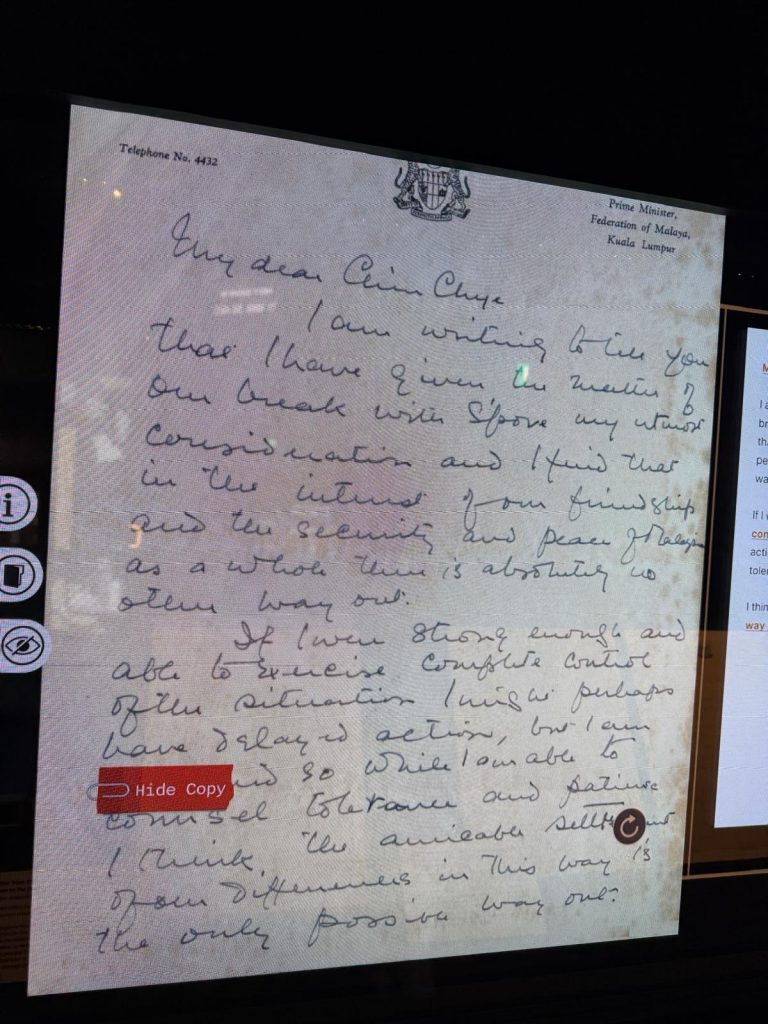
The letter written by Tunku Abdul Rahman, first Prime Minister of Malaysia, to a reluctant Toh Chin Chye, encouraging him to accept it and sign the separation agreement
The exhibition even leaves us with an unresolved mystery: the original copy of the Separation Agreement has never been found. History, it seems, always keeps a few secrets.
Afterwards, I asked Jennie how she felt. “Did it make you tear up?” I asked. Jennie, being Jennie, said stoically, “No. But it’s very interesting, and a very important story for everyone to know and remember. In the end, it worked out for everyone. We were both albatrosses around each other’s necks.”
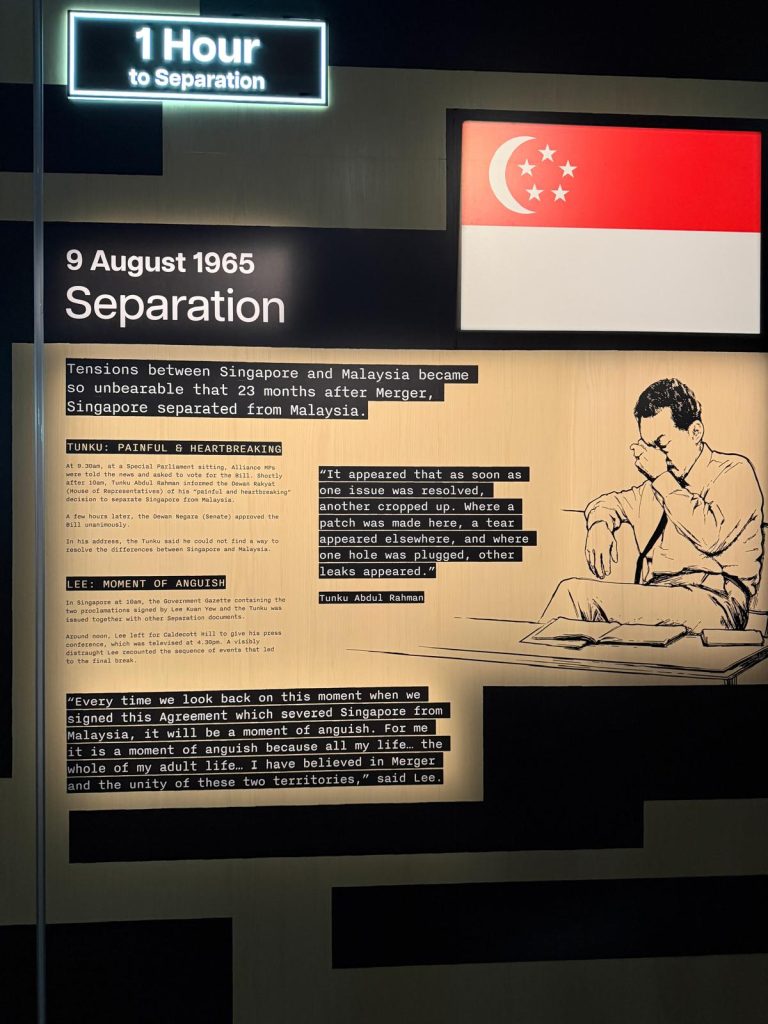
I left feeling enriched but also moved. Not just by the anguish of Lee Kuan Yew – evident in that famous press conference – but by the pragmatism and courage of Dr Goh, who recognised reality and chose the best path forward.
The story resonates with me, as a Malaysian living in Singapore. We come from the same roots, but our parents chose different destinies. Separated as siblings, yet still friends. Today, Singaporeans cross the Causeway for shopping and food; Malaysians cross back for concerts – Taylor Swift, BTS, and everything in between.
Long may both albatrosses fly – high and free.
I recommend this exhibition to anyone visiting Singapore over the next five years.


