
Early top-line results from the exclusive WiT and Phocuswright research into Booking Anxiety show that anxiety is widespread but unique to each market.
When I asked the audience at the WiT Japan event in Tokyo whether they had ever hesitated at the point of booking because of a “what if”, it felt like I had struck a nerve. It’s a feeling that all of us, regardless of whether we are avid travellers or first-time vacationers, have likely experienced, especially if it’s our own hard-earned money on the line. The fear and anxiety that comes with making a major purchase, especially one for something as intangible as travel, can be overwhelming for some.
But why? What causes it? When does it happen during the booking process? What can we do to help relieve it?
Those are the questions that I, and Protect Group, wanted to answer in order to better understand how we can collectively make the booking process less stressful for travellers and hopefully increase the number of people who book travel. That’s a good thing for the whole industry after all.
So we worked with WiT and Phocuswright to do research into Booking Anxiety, and the early results are interesting to say the least. Although the research spans the globe, including six markets in Asia, three in Europe, and the U.S., the top-line results for Japan, South Korea, and China paint an interesting picture of what might be revealed in the other markets.
Booking Anxiety is not regional; it’s market-specific
The first thing we discovered is that every market is different. Japanese travellers, for example, seem to have a higher anxiety around booking travel, whereas Chinese travellers are much more anxious about booking events. South Korean travellers, for some unknown reason, don’t seem to be anxious about booking at all, which would indicate either a comfort and trust with local brands or a generally stress-free booking experience. In either case, it seems that any solutions to address anxiety would need to take these regional differences into account.
Flights are big driver of anxiety
Maybe not too surprisingly, flights were one of the biggest drivers for anxiety amongst travellers, followed closely by political instability. I suspect that we will see this be one of the few consistent elements across markets as more detail is revealed. Flights are a critical component of the journey, and if something goes wrong, it can ruin the entire trip. To that end, airlines should aim to reduce the stress that travellers experience as much as possible by simplifying rather than overcomplicating processes (i.e., unbundling). A constant refrain from travellers is that they don’t really know what they are buying when they book a flight; that’s a clear area of improvement for airlines.
Half of travellers have experienced a disruption
To get a better sense of just how frequently disruptions actually happen, we asked respondents to tell us whether or not they had experienced a disruption in the last 12 months. Shockingly, or perhaps not, half of travellers indicated that they had experienced some kind of disruption in their trip. Many were unable to attend due to personal reasons or unforeseen circumstances, while 27% of Japanese travellers who experienced a disruption did not feel safe attending an event or trip. This highlights how important perceived safety is when travelling. For travellers who identify as a part of a visible minority, this may be heightened when travelling to destinations that are perceived to be unfriendly to those minorities.
Checkout is a source of anxiety
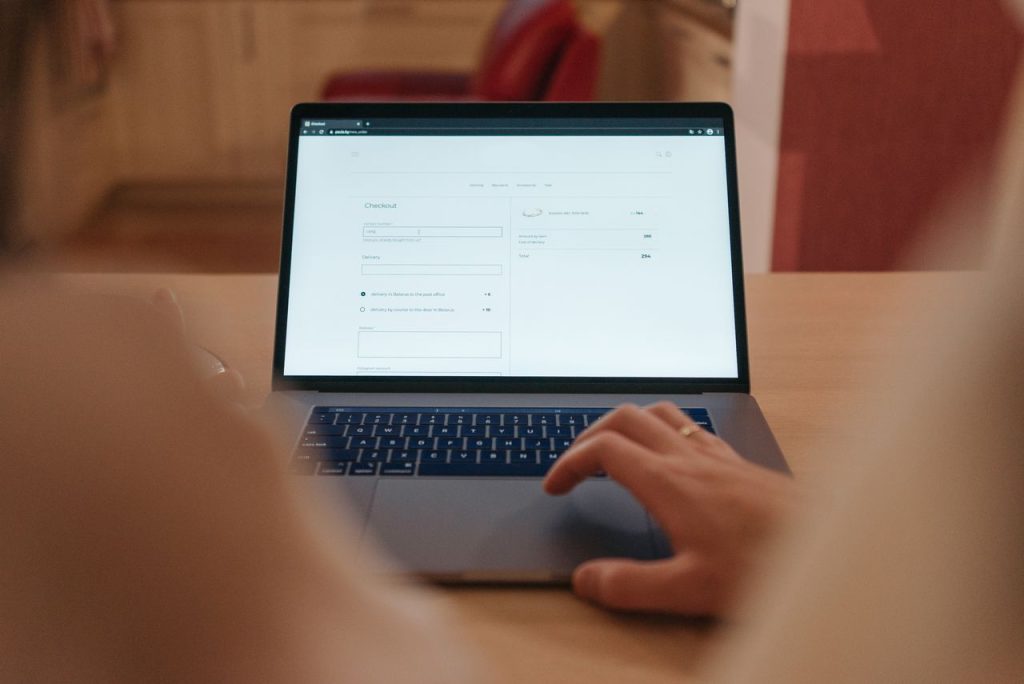
As I suspected, the checkout is a big source of anxiety for most travellers. Although Chinese travellers tend to experience peak anxiety during the comparison stage, the checkout seems to be where most of the anxiety exists during booking. Why comparison peaks for Chinese travellers and not South Korean or Japanese is still a bit of a mystery, but it might have to do with the channels these travellers use to do their booking. For meta-search and OTAs, anxiety at the comparison stage could be an indication that the interface needs to be simplified and more informative. For anxiety at checkout, ancillaries such as refund protection and insurance products.
Booking Anxiety is shaping how people book
As a result of increased anxiety during the booking process, travellers are booking closer to the travel date, buying travel insurance, and picking more flexible options or refundable products. Chinese travellers in particular indicated that flexibility was critical for them, while South Korean and Japanese travellers tend to book closer to the date of travel to avoid unforeseen issues.
Lower priced options with refund protection are preferred
Given that the cost of living and affordability rank very highly in terms of stressors, it’s probably not a surprise that lower priced non-refundable options with refund protection seem to be the preferred product for the majority of travellers across Japan, China, and South Korea. Again, this may be related to the fact that many customers simply don’t understand what they are purchasing when they buy a more expensive fare. Will they get a cash refund or is it going to be a credit voucher? With a refundable protection offering, the customer has a better understanding of what they are buying and more confidence that if something unexpected happens, they will get their money back.

Flexibility and guaranteed refunds are major confidence boosters
Not surprisingly, offering flexibility in terms of date changes and guaranteed refunds when something happens makes the customer feel protected in the event of an unforeseen circumstance. When provided with these options at checkout, the traveller is much more likely to make the purchase.
In addition, travellers are much more likely to book if they trust the brand they are buying from and if they feel like they are being supported by people rather than AI.
What does this mean for travel sellers?
As online travel sellers have pushed to scale their revenues, the traveller has been left to navigate the complexities of booking the various components of their travel through a variety of different websites and platforms. Although there has been a lot of talk about the connected trip and unified bookings that include multi-part itineraries, the reality is that most travellers are booking components of their trips through many sites, and those sites all have very different checkout experiences. This fragmentation of the overall booking process and the further fragmentation and unbundling of essential components such as flights is only adding to the anxiety that travellers are feeling as they go through the booking process. Across North Asia, what is clear is that flexibility and the ability to add refundability to an otherwise non-refundable travel booking is essential to relieving the stress and anxiety that comes with the checkout process.

When I asked the audience at the WiT Japan event in Tokyo whether they had ever hesitated at the point of booking because of a “what if”, it felt like I had struck a nerve. The fear and anxiety that comes with making a major purchase, especially one for something as intangible as travel, can be overwhelming for some. Image: Stephen Joyce at WiT Japan 2026
That being said, it’s important to note that anxiety is market-based and not regional. Not everyone in North Asia experiences the same level of anxiety or in the same way during the booking process. Travel sellers need to be mindful of the fact that who they sell to has a huge impact on what they prefer when it comes to flexibility and refundability. No two markets are identical, so a market-driven approach to addressing booking anxiety and providing solutions to reduce that anxiety should be a critical part of any product strategy moving forward.
Stephen Joyce has been a founder and entrepreneur in tech since 1995, currently serving as Global Strategy Lead – Travel & Tours at Protect Group. This article was proudly written without any assistance from AI.
This is a sponsored post.