For much of the last two decades, success in travel technology was defined by connectivity. If a business could access the right inventory, integrate booking capabilities, and connect supply with travelers, it had the foundations to compete. Today, that is no longer enough. Travelers are discovering trips through new channels, engaging with brands in different ways, and increasingly expecting experiences that feel personalized, intuitive, and seamless.
At the same time, AI is changing how people research, plan, and book travel. In APAC, that shift is especially urgent. Our recent regional research found that while 65% of travel professionals expect demand to grow over the next two to three years, businesses are also navigating fragmented markets, rising expectations around local payments, and growing pressure to deliver content and booking experiences that feel relevant. This is why businesses need infrastructure that helps them adapt, innovate, and grow as well as access travel supply. That is why we see B2B infrastructure as a growth engine, both for the businesses that build on it and for the industry around them.
That shift was front and center at EXPLORE 26, where we outlined our vision for an intelligent travel marketplace built for the AI era. The clearest message we heard from our partners at the event is they want travel infrastructure to be the chief driver of growth across their business. At Expedia Group, that means playing our part in going beyond connecting our partners with travel inventory. It means providing the technology, intelligence, and ecosystem needed to create new revenue opportunities and deliver better experiences.
From connectivity platform to business platform
The strongest evidence of this evolution can be seen in the growth of our B2B business itself. As shared in our “Powered by B2B Q3 highlights,” B2B gross bookings grew 19% year-over-year. That growth reflects a wider trend across the travel industry, where businesses are embedding travel into their existing products, loyalty programs, and customer ecosystems rather than building travel infrastructure from scratch. Our Q3 partnerships demonstrate the breadth of this opportunity, from Qantas using our technology to power AI-enabled travel platforms to National Australia Bank launching NAB Travel, an all-in-one travel service for its customers. The breadth of organizations doing this is what makes the opportunity so compelling, with financial institutions, transport providers, loyalty programs, OTAs, and digital platforms all finding new ways to offer travel to their customers. Each puts travel in front of people in places it has not traditionally been sold, which grows the opportunity for the whole industry. Our recent partnership with Uber shows how this works in practice. Through our Rapid Lodging API, travelers can now book accommodation directly within the Uber app. Rather than redirecting users elsewhere, travel becomes part of an existing customer journey, creating value for both the traveler and the business providing the experience.

This is what we mean when we talk about B2B as a growth engine. Travel has moved beyond a standalone transaction, now becoming a capability that helps partners acquire customers, increase engagement, and unlock additional value across their ecosystems. In APAC, where demand is expected to grow across luxury leisure, budget-focused leisure, bleisure, business travel, and regional trips, partners also need the flexibility to respond to growth that looks different from one market to the next.
Building travel for the AI era
AI is the fuel accelerating this transformation by fundamentally changing how people discover, plan, and experience travel. This is particularly important in APAC, where 79% of travel professionals say they already use AI in at least one area of their business, and 97% plan to use it going forward. We are embedding it throughout our marketplace and creating new opportunities for partners to do the same, so that they can actively grow with the technology.
Trust remains a critical part of that AI journey, too. Our own research found that while travelers are increasingly using AI tools for inspiration and trip planning, 68% still prefer to book with trusted travel brands. This suggests that AI may help travelers decide where to go while trusted brands continue to play a vital role in conversion and booking confidence, so the opportunity for partners lies in combining the power of AI with the credibility of established brands to create experiences that feel both intelligent and trustworthy.
For example, we now have an AI toolkit for B2B partners. Designed to simplify integration of our travel capabilities into AI-powered experiences, the toolkit intends to reduce complexity and speed up innovation across partner ecosystems. It reflects the broader strategy of making travel capabilities available as modular AI building blocks, so that partners can integrate travel functionality into conversational interfaces, agent workflows, and emerging AI experiences using our technology and travel data, without the need for major development projects.

Expanding the travel ecosystem
Growth also depends on breadth, because travelers increasingly want to plan and book more of the trip in one place. Our Full Trip Planning research found that 77% of travelers are likely to book multiple parts of their trip on the same platform, while 76% say that once they have booked one element on a website or app, they are at least somewhat likely to book additional elements there. That first booking can become a gateway to a deeper relationship, giving partners more opportunities to increase revenue, strengthen loyalty, and stay part of the traveler journey beyond a single transaction.
That is why we are continuing to build a more comprehensive platform that supports a wider range of traveler needs throughout the journey. In September, we acquired CarTrawler, adding car rental, ground transportation, and InsurTech capabilities. Together with the earlier acquisition of Tiqets, this reflects a broader ambition to support more of the end-to-end travel experience through a single platform.

That ambition is now taking shape. We recently launched Rapid Activities API, which extends the Rapid ecosystem into activity discovery, shopping, booking and management for selected beta partners. It gives partners a way to surface attractions, museums, tours, and local experiences within their own booking journeys, rather than sending travelers elsewhere. With Tiqets adding depth in curated attractions and tours, Rapid Activities API helps partners make the full trip more tangible: not just where travelers stay, but what they do when they get there. For partners, this creates more reasons for travelers to stay on platform, attach additional trip elements, and build loyalty around a richer end-to-end experience.
That breadth matters in APAC because the traveller experience is becoming more localised and more demanding. Our global research report found that local and diverse payment options have risen most in importance to APAC travellers, while lack of localised content remains one of the biggest challenges businesses face. For partners, the opportunity is not just to offer more inventory, but to create booking experiences that feel familiar, flexible, and relevant across different markets.
Connectivity got the industry this far, but the industry has evolved. It is now prioritising platforms that help businesses launch faster, personalise better, support local preferences, and stay resilient when demand spikes or traveller needs change. That is what we are building – a place where infrastructure becomes the engine room for our partners, helping them grow in a region where opportunity is accelerating, but where relevance, trust, and adaptability increasingly define success.
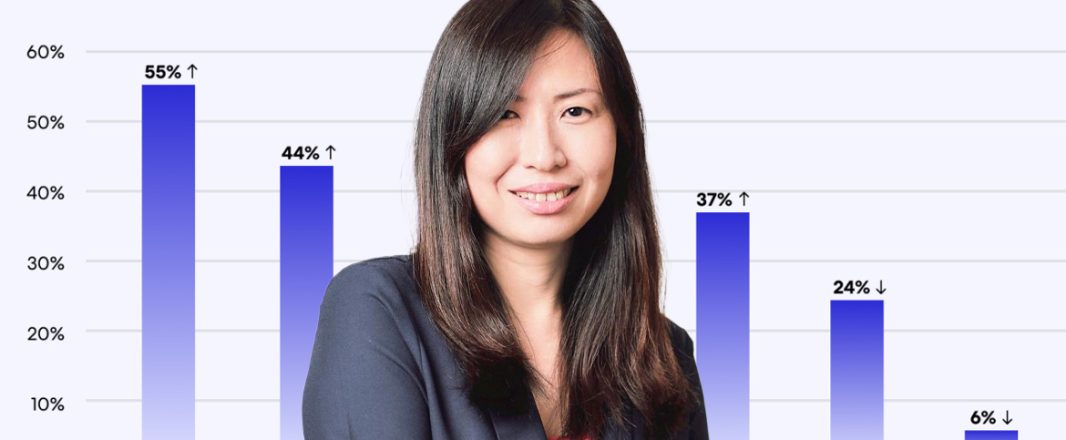
About the author: Aileen Chan is VP of APAC Sales at Expedia Group
This is a sponsored post.