



When Leah Lee, CEO of Trinity D&C, sat down for our conversation, she was just about to celebrate her birthday. A small party was about to start at her home – a dozen friends gathering for food, laughter and music. But this year, she had more than cake and candles to celebrate.
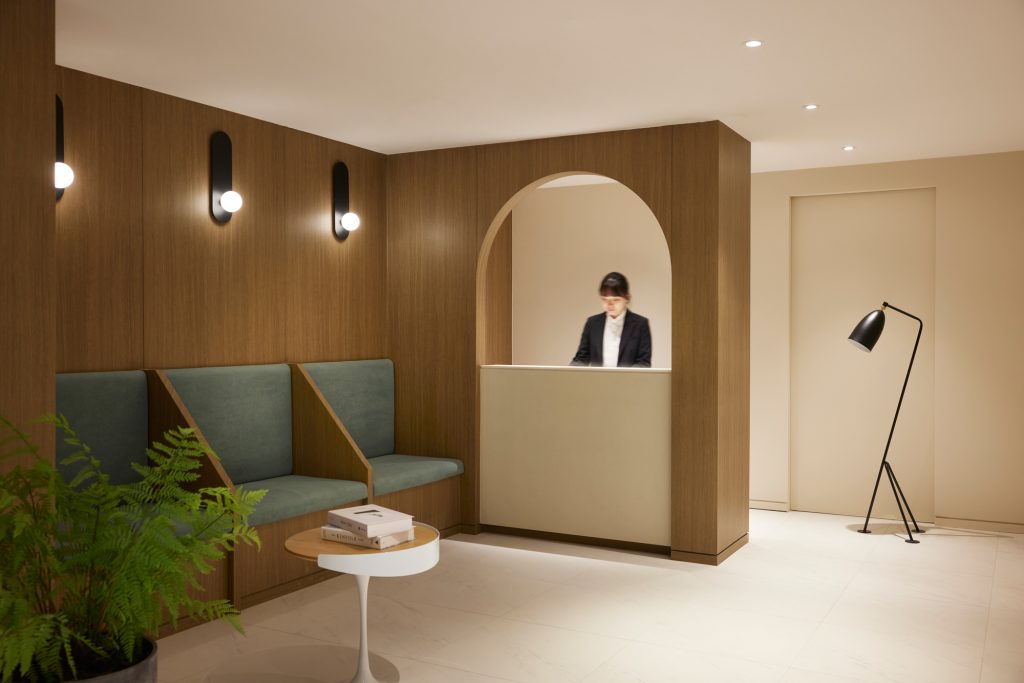
On October 1, the Korean hotelier had closed a deal that few in the country’s real estate and hospitality industry thought possible: the sale of her Yeouido property, The Connoisseur Residence Hotel in Seoul to Singapore’s CapitaLand Investment Limited, whose wholly-owned subsidiary is The Ascott Limited, a leading global lodging operator specializing in serviced residences, hotels, and resorts.
“It really feels like the best birthday present,” she laughed.
Pulling off the impossible
The transaction sent ripples through Korea’s real estate and hospitality circles. For Korea’s hotel market, which has been chilled by interest rate hikes and stalled transactions, this was an unexpected breakthrough – and for Lee, it was the culmination of a four-year plan.
“This was our game plan from the very beginning,” she told WiT in an interview. “From the moment we acquired the building, we knew we wanted to exit successfully. But in order to get sufficient returns, we had to sell more than 100 units to individual owners first. That was the risk – but operating it myself gave them trust.”
As such, Connoisseur was not a straightforward asset – it had more than 100 individual strata title owners. “Nobody expected it to be sold. The market was shocked we managed to make it happen,” Lee said
Negotiating with so many owners was no easy feat. But she and her family’s company pulled it off. The result: CapitaLand has acquired an asset that will soon be rebranded under Ascott’s Oakwood portfolio.
A different kind of operator
When Lee and her father’s company first acquired the building, they resisted the quick-exit strategy typical of Korean developers. “Most construction companies here sell 100% of the building immediately and walk away, leaving operations to chance,” she explained.
In the Korean media, analysts have credited the success to Lee’s operations-led model. Instead of following the Korean norm of developers selling a building outright and leaving operations to third parties, she embedded herself as both operator and stakeholder.
She secured a whole basement floor, ensuring operational control regardless of strata owners’ decisions. “Even if they wanted to replace me, no operator could run the building without my floor,” Lee explained. “By investing myself, I gained the power to stay, and my vote counted.”
Behind the numbers lies Lee’s European hospitality education and design-led ethos, covered with WiT recently in this article. A graduate of Lausanne’s EHL, she spent nearly a decade at Design Hotels and Michelberger Hotel in Berlin. She believes hotels should be “spaces that deliver experiences” – a philosophy she brought back to Korea, distinguishing her approach from traditional sales-driven models.
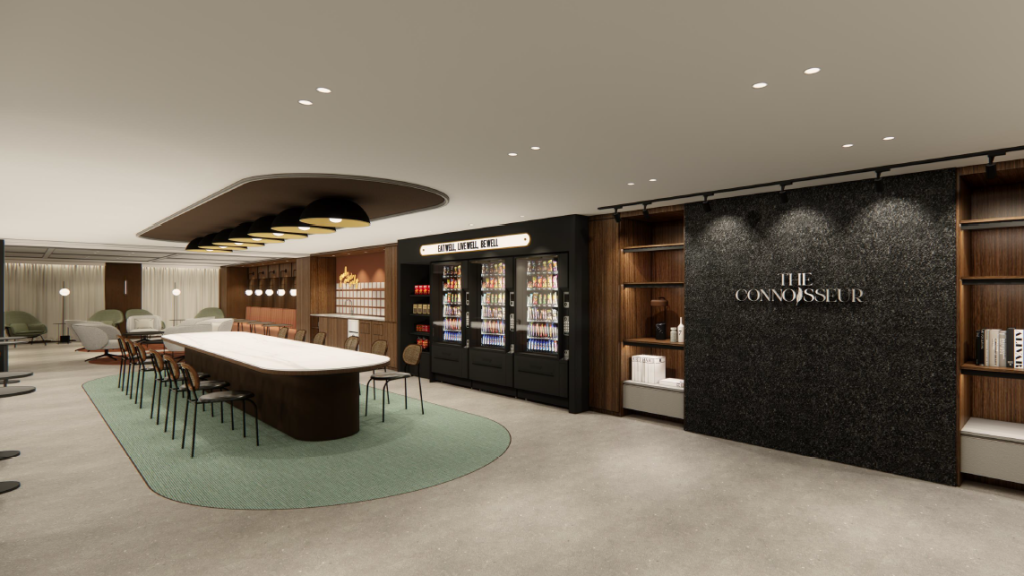
The Connoisseur embodied this mindset: unmanned check-in kiosks, a membership lounge (Salon de Yeouido), cultural programmes co-created with coworking brands, and a vision that stretched beyond “accommodation” to “lifestyle.”
The results showed: Connoisseur delivered between 6-8% returns each month to its owners, far above market averages.
“For buyers like CapitaLand, it was a turnkey asset. They didn’t need to spend millions redoing the furnishing or the infrastructure – only minor tweaks for branding. That made it very attractive and also allowed us to sell at a higher price,” she said.
More than just an exit
For now, Lee will continue operating The Connoisseur during a three-month transition, while expanding her role as a third-party operator. “Operation is my tool to increase real estate value,” she said. “I don’t need to insist on my own brand everywhere. I can run sales and reservations for other properties or be a space creator for projects like this one. The key is not to expand too fast – that’s where others stumble.”
“For me, operations are a tool, not the endgame,” she explained. “I don’t need to plaster my own brand everywhere. I can come in as a third-party operator, or I can just run the reservations and revenue team. What matters is creating value for the real estate.”
She is now centralizing her sales and reservations team so they can manage multiple projects efficiently, without bloating overheads. And she is cautious not to fall into the trap of over-expansion. “In Korea, too many operators grow too fast – 10, 20, 30 properties – and then disappear. I’d rather grow steadily, project by project.”
Industry experts say her story carries lessons for investors in a sluggish market: sustainable value comes from disciplined operations and risk management, not speculative development gains.
Lee herself frames it simply: “This wasn’t just a deal. It’s a new direction for Korea’s real estate and hotel market. It proves that operational planning is the core competitive edge that determines asset value.”


