Poachers face a new enemy in South Africa
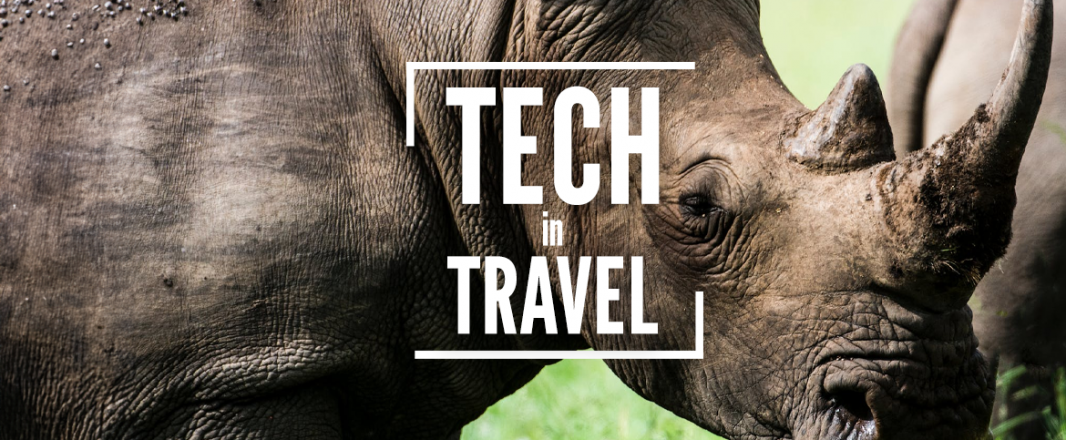
Thanda Safari, a luxury private game reserve in Zululand, KwaZulu-Natal, is using ground-breaking technology in the ongoing fight against rhino poaching.
The game reserve has introduced artificial intelligence-driven collars to monitor its black and white rhino populations.
They replace other tracking devices, including foot collars and horn pods, which have limitations, such as the use of telemetry units requiring line-of-sight.
And with no direct data-recording capabilities or GPS functionality, it meant a more sophisticated solution was needed.
The newly developed AI-enabled collars employ advanced algorithms to continuously observe, learn and analyse the behaviour patterns specific to each rhino.
By recognizing abnormal activities such as potential poaching attempts, fighting, mating, giving birth or illness, the collars instantly trigger alerts sent directly to ranger’s phones with precise GPS coordinates, enabling rapid response and investigation.
The new approach is helping to catch poachers while also generating valuable research and data for tracking rhino movements, monitoring their health, and overall well-being.
Computers and food, a match made at Monash
A Monash University project in Australia which explores the design of food as a material through which computer programmes can be enacted is expected to be of special interest to the hospitality industry.
Interaction, game and play design expert from Monash’s Faculty of IT’s Creative Technologies discipline group, and co-author of the research, Professor Florian ‘Floyd’ Mueller, says the research is a glimpse into the future of food and computing.
“The integration of food and computing will transform how we understand both computing and food as not two very different things, but a new frontier that combines the best of both,” Professor Mueller said.
“This will not only change the hospitality industry, who can create much more engaging experiences by being able to tell new and different stories through interactive food, but also computer science education, where students learn about computing by eating food.”
Food interaction design researcher and lead author of the research Jialin Deng, from Monash University’s Faculty of Information Technology (IT), designed a system encompassing a plate fitted with electrodes that can be programmed to move different food elements like sauces and condiments around on their own, creating new combinations or elements for the diner in a playful manner.
Deng said the project was about exploring the integration of food’s material properties and ‘computational’ capabilities. The aim was to achieve different dining journeys.
“For example, a chef can predefine the locations where they want to put the food droplets and ingredients, and they can programme the dish frame by frame, like you do in animation,” she said.
“We can put solid items and watery items together, we can merge two different flavours, we can transport various things towards the plate, we can play with chemical or physical reactions like in molecular gastronomy.”
The researchers conducted co-design workshops with chefs to give them a chance to experiment with the system by crafting real dishes to create new culinary combinations.
Monash Club head chef Matthew Birley said combining technology with food presents a great new path for chefs in terms of culinary experimentation.
“The project helped to unlock additional dimensions to creating dishes while thinking more keenly about the diner’s interaction with the food,” Birley said.
Saudia gets lift off with AI
Saudi Arabian Airlines (Saudia) is making no secret of its ambition to rank among the world’s leading airlines on the back of billion-dollar tourism sector investments by the kingdom’s rulers
Helping Saudia to reach its lofty goals with digital transformation is an AI generated virtual assistant for passengers, named Saudia.
The new AI service is designed to address all information and travel-related needs and will leverage the capabilities of OpenAI’s ChatGPT 4.
In May this year the World Tourism Organisation (WTO) revealed that Saudi Arabia is the world’s second fastest growing tourism destination. The Kingdom of Saudi Arabia ranked 13th globally, advancing by 12 places since 2019 on the WTO index, as one of the top countries receiving international tourists in 2022.