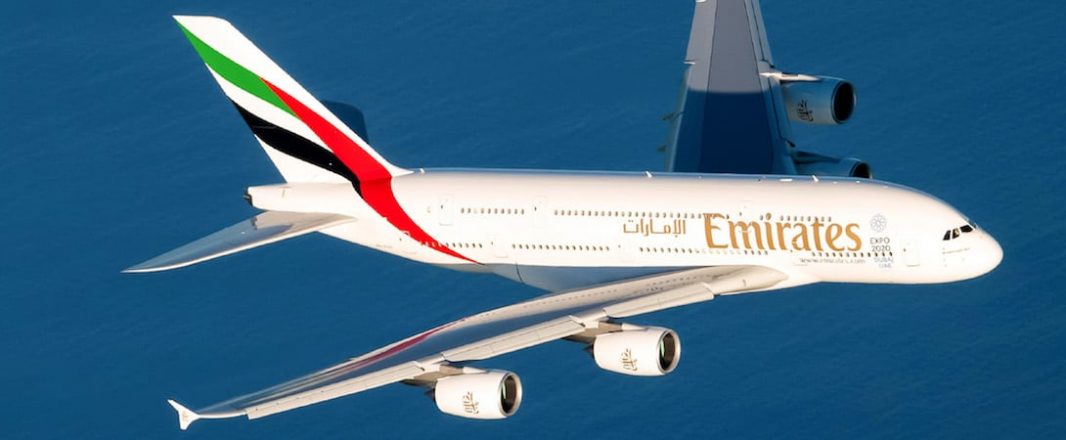
Airbus has made the decision to halt the production of its A380s in a move which could be regarded as a strong marker of air travel’s current state of evolution. The move comes after Emirates, its best customer, dropped its order from 162 to 123 aircraft.
But the drop in Emirates’ A380 order may not be too bad of a hit for Airbus – the airline has also announced an order for 40 A330-900 aircraft, and 30 A350-900 aircraft, a deal estimated to be worth US$21.4 billion. Following that, the latest generation Airbus A330neo and A350 aircraft will be delivered to Emirates starting from 2021 and 2024 respectively.
According to the BBC, the A380 was pitched at the fast-growing Asia and Middle East markets, where airlines were keen to fly more people per flight. However, its size may have been its downfall, as unfilled seats rendered flights unprofitable, not to mention issues such as escalating fuel prices and overall environmental impact.
Nevertheless, Emirates is regarded as one of the few airlines that found success in its A380 operations, consistently filling seats with its most popular long-haul routes and helping to build Dubai into a gateway between Europe and the USA, and Africa and Asia.
Despite the ceasing of production, it is still unlikely that the symbolic aircraft will lose its charm and popularity among passengers. The A380 has been something of a strong selling point from a consumer perspective, ever since its launch back in 2007.
As the largest commercial airplane in the world, flying on the A380 carried a certain novelty, particularly those travelling internationally for the first time. Online articles centered on “Ways You Can Fly the A380” or how to “Hitch a ride on the Airbus A380”, made simply boarding the plane (regardless of destination) a travel experience in and of itself.
Emirates arguably one-upped using the aircraft as a powerful brand builder, by audaciously decking it out with luxurious first class suites, on-board, lounge and spas. Thus, it is unlikely that the A380 will disappear from our skies anytime soon.
Said HH Sheikh Ahmed bin Saeed Al Maktoum, “[The A380] is a differentiator for Emirates. We have shown how people can truly fly better on the A380, and Emirates has set the standards for that by introducing customer experiences that are unique to the A380 like our Shower Spas and Onboard Lounge. The A380 will remain a pillar of our fleet well into the 2030s.”
Changing winds as Emirates prioritises deeper connectivity
The shift in the overall structure of its fleet might also be a sign of Emirates’ own adaptation to changing consumer trends in air travel. The purchase of generally smaller wide-body aircraft with lower passenger capacities may boost Emirates’ agility, letting it become more able to serve smaller airports and add new routes to its global network.
The shift in fleet might also be a sign of Emirates’ adaptation to changing consumer trends in air travel. The purchase of smaller wide-body aircraft with lower passenger capacities will allow it to better serve smaller airports and add new routes to its global network.
Emirates stated that A330neos are to be deployed on regional destinations while its A350s will supplement Emirates’ long-haul operations.
Commenting on the decision on its latest Airbus order, HH Sheikh Ahmed bin Saeed Al Maktoum said, “Emirates’ fleet strategy to operate a young, modern, and efficient all-wide body fleet remains unchanged. The 40 A330neos and 30 A350s that we are ordering today will complement Emirates’ fleet mix, support our network growth, and give us more flexibility to better serve seasonal or opportunistic demand. Both the A330neos and A350s will play an important role in our future fleet and network plans.”
It all fits into Emirates’ continued quest to build its global footprint more extensively. Operating smaller wide-body aircraft will allow the airline to fly to more destinations that are perhaps not as well equipped to handle an A380. Meanwhile the A380 can continue to serve its tried and tested routes.
It may also shine a light on how the airline is addressing the growing demand for more intra-regional travel and accessibility to second-tier cities. Emirates is positioning itself to better address this shift by combining its development of a more agile fleet and expanding its codeshares with other airlines.
For example last September, the airline announced its plan to increase its codeshare partnership with flydubai in 2019, to create boost connectivity with emerging European destinations.
Around the same time in APAC, it announced its new codeshare partnership with Jetstar Pacific, in an effort to reach 14 additional domestic destinations from Ho Chi Minh and six cities from Hanoi. It is intended to complement and act as an extension of its routes to other key regional destinations, namely Singapore, Thailand, Japan, China, Hong Kong and Australia.
Join us at WiT Middle East 2019 in Dubai on April 9 as we dig deeper into the trends that are changing travel in the region. Register here and enjoy early bird rates until February 28.