



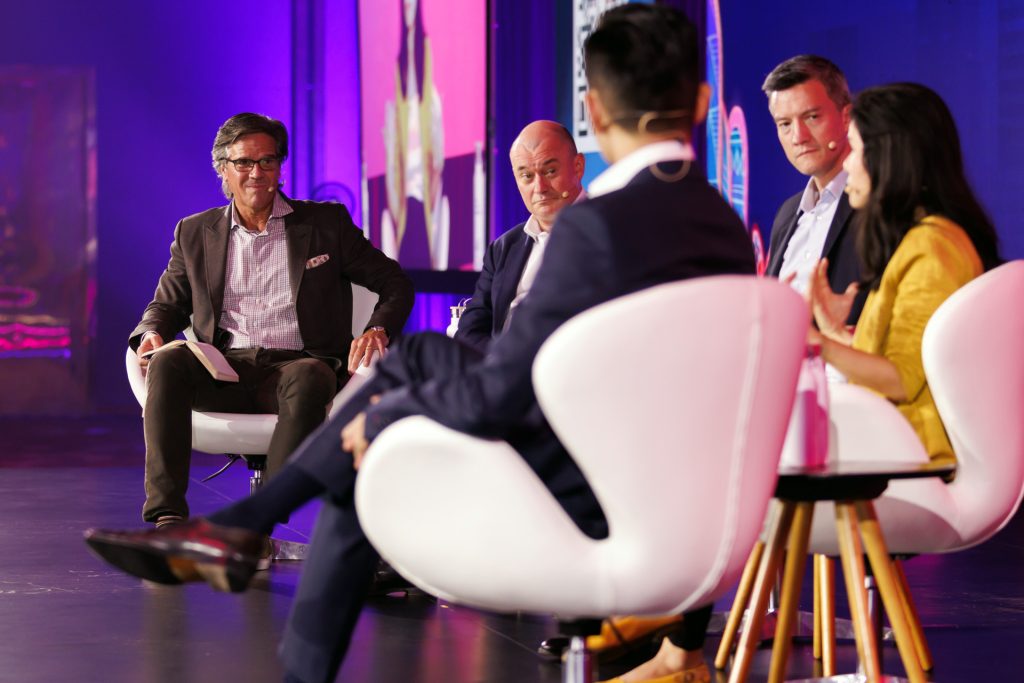
In an age of abundant ideas but cautious money, capital is being redefined – slower, smarter, more selective. That was the message from a powerhouse panel of investors and dealmakers at WiT Singapore’s session “Capital in Action: Flow for the Next Age.”
Moderator Chris Hemmeter, Managing Partner of Thayer Ventures, set the tone early: “We’re not just talking about travel tech today. We’re talking about capital – how it flows, who gets it, and what it takes to earn it in this new age.”
The money map has changed
Oliver Rippel, co-founder of Asia Partners, offered a sobering snapshot of South-east Asia’s investment cycle.
“Growth equity funding has gone back in time roughly to 2014 levels,” he said. “We had an enormous bulge during the cheap capital era around COVID. That’s now subsided. Across Indonesia and the region, funding volumes have normalized to pre-boom levels.”
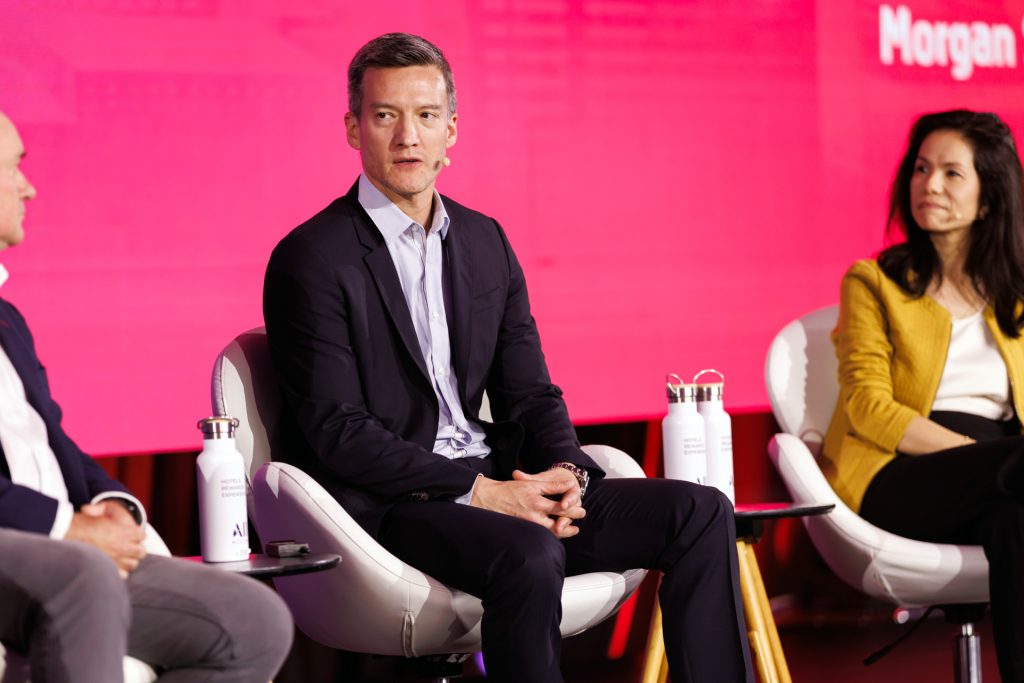
In plain terms: after years of exuberant valuations, the market has corrected.
“It’s not that capital has disappeared,” Rippel clarified. “It’s that it’s become far more discerning. LPs are more cautious. Valuations are being recalibrated to reality.”
He noted that while South-east Asia’s macro story remains strong – GDP growth outpacing inflation, rising FDI, a thriving digital economy – the disconnect lies in exits. “We haven’t seen the IPO wave yet. That’s the missing piece.”
The hangover after the party
Moderator Hemmeter summed it up bluntly: “Is this just a hangover from the days when we were all over our skis – investing too much, teaching founders their companies were worth 100x revenue, and now they can’t come back to earth?”
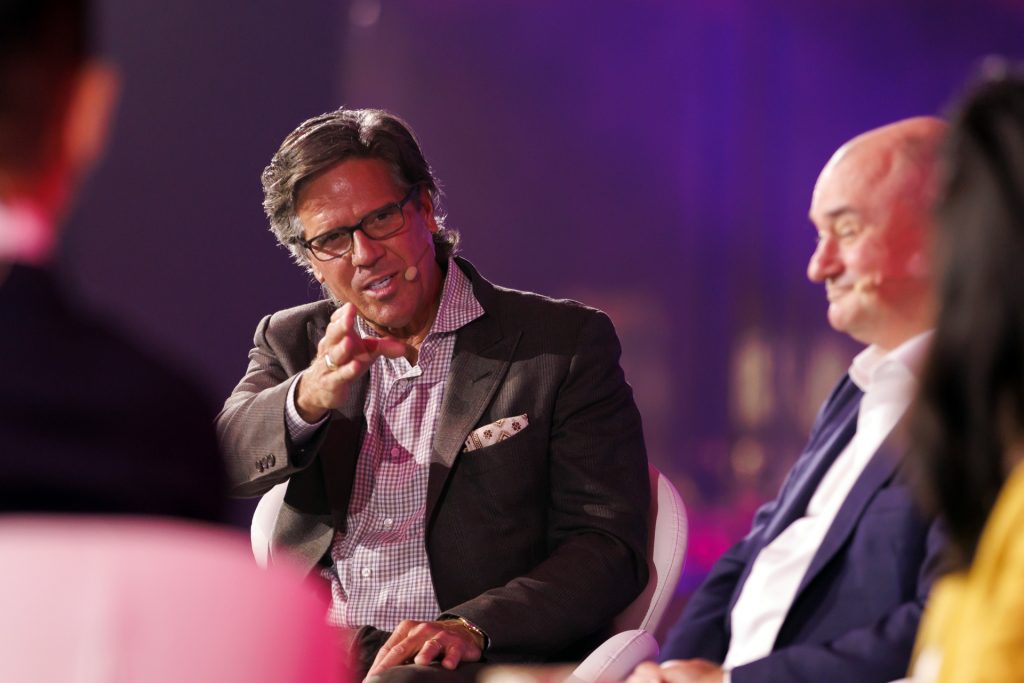
Rippel nodded. “A bit of everything. Many raised at high-watermark valuations in 2021-22. They’ve since become capital efficient, even profitable but now they can’t raise at fair prices without looking like they’ve gone backward.”
The result: a strange paradox where companies are healthier than ever but reluctant to raise, and investors are eager but hesitant.
Profitability: The new power word
John Moore, Head of Asia at Northridge Partners, said the M&A landscape reflects the same caution. “M&A is happening but for better, more mature companies,” he said. “Deals are fewer, diligence is deeper, and buyers are much more selective.”
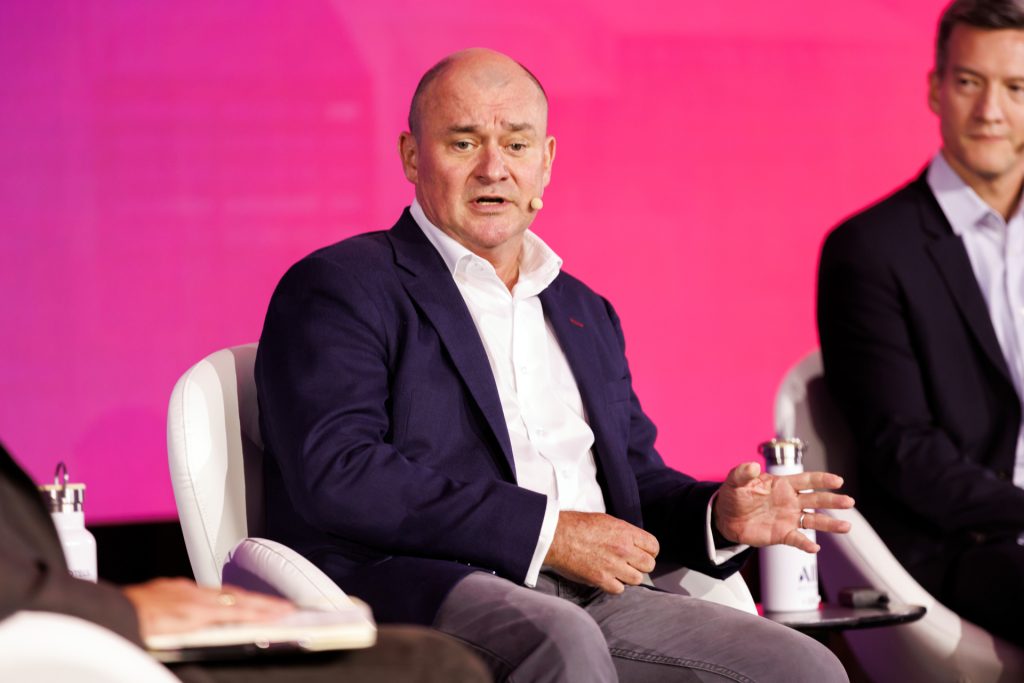
Every founder now pitches the same line, Moore joked: “In my last nine meetings, every company told me they’d be profitable by Q4. It’s the new mantra.”
That pivot to profitability is reshaping deal flow. “It’s no longer about growth at all costs –it’s about sustainable growth. Investors want clear visibility on cash flow, not just market share.”
The IPO freeze and its ripple effect
For David Hoyer, Executive Director, Investment Banking of Morgan Stanley, the problem runs deeper. “Globally, tech IPOs peaked around 2021 and then dried up. In 2023 and 2024, listings dropped to single digits across major markets,” he said.
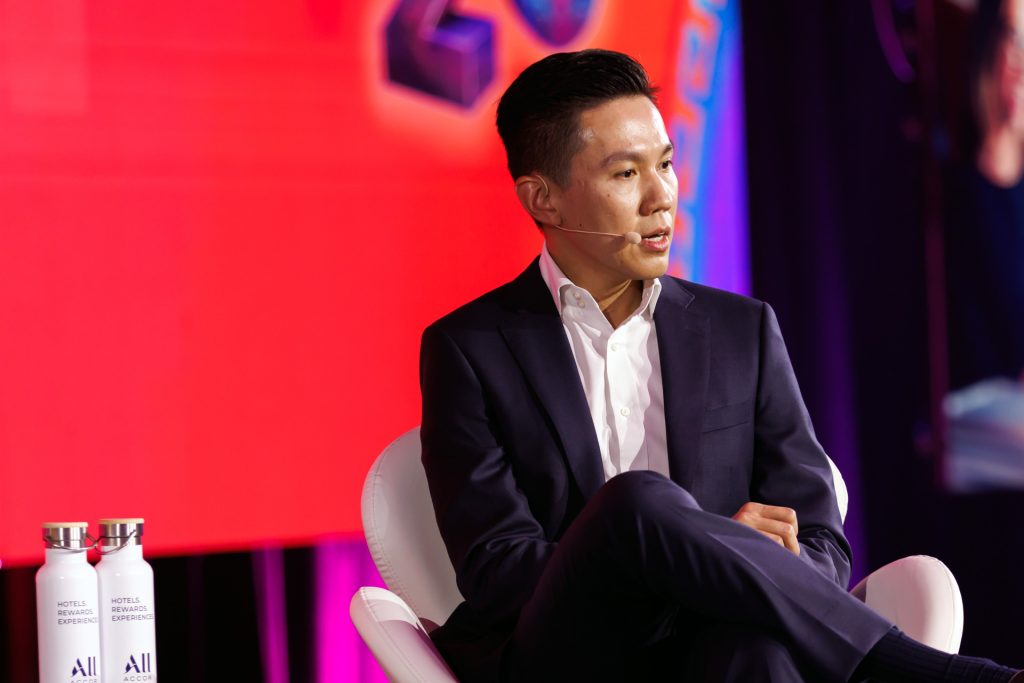
Without exits, capital recycling has stalled. “Companies that should have gone public are still private. They’ve had to slam the brakes – cut burn, chase profitability – but in many cases, they overcorrected and sacrificed growth.”
Still, Hoyer sees a reset underway. “By mid-2025, we’re seeing activity return in select sectors – AI, semiconductors, logistics tech, digital infrastructure. But it’s cautious optimism, not euphoria.”
Early-stage reality check
Representing the venture stage, Susli Lie, Partner of Monks Hill Ventures shared what it feels like from the founder trenches.
“Valuations have come down by half from their 2021 peaks,” she said. “But founders are adjusting. The ones who build sustainably – who focus on fundamentals, who really know their customer – are getting funded.”
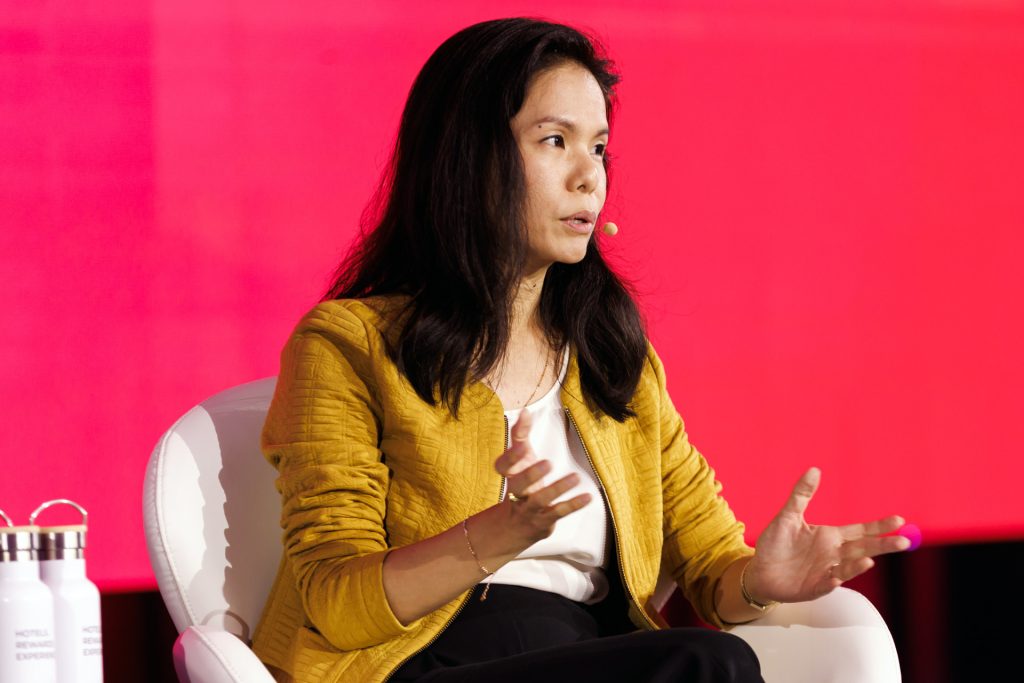
She added that South-east Asia remains fertile ground. “Our demographics, our digital adoption, and our entrepreneurial energy are still unmatched. The capital slowdown is forcing discipline, not decline.”
Merge or move on
Moore said one clear trend is mergers of survival. “Companies can’t raise money, so they merge with competitors. It’s not necessarily defeat – it’s a way to regain momentum and scale efficiently.”
These consolidations, he added, may define the next era of South-east Asia’s tech landscape. “We’ll see fewer players, but stronger ones, with real business models and profitability baked in.”
Dry powder, not dead capital
Despite the slowdown, panelists agreed there’s still plenty of dry powder – unallocated capital waiting for the right opportunities. But it’s staying patient. “Funds haven’t disappeared,” Moore said. “They’re just taking longer to make decisions, demanding more proof.”
Hemmeter quipped, “So basically, money’s still out there — it’s just acting like your cautious uncle now.”
The Next Age: Flow with purpose
The session closed on an unexpectedly hopeful note.
“We’re witnessing the maturing of Southeast Asia’s capital ecosystem,” said Rippel. “The boom years built capacity. Now we’re building resilience.”
Lie added, “This cycle will create better founders. The next wave won’t chase vanity metrics. They’ll build value.”
Hoyer agreed. “Once exits return – and they will – we’ll see a healthier, more balanced market. The next IPO wave will come from companies that survived this test.”
And Moore, ever the banker, left the audience with one line that drew laughter and knowing nods: “In this market, cash is king again. But so is credibility.”
Capital in action – redefined
If the last decade of Southeast Asia’s tech growth was about speed, the next will be about staying power. The investors on stage made it clear: The age of easy money is over, but the age of smart money has begun.


