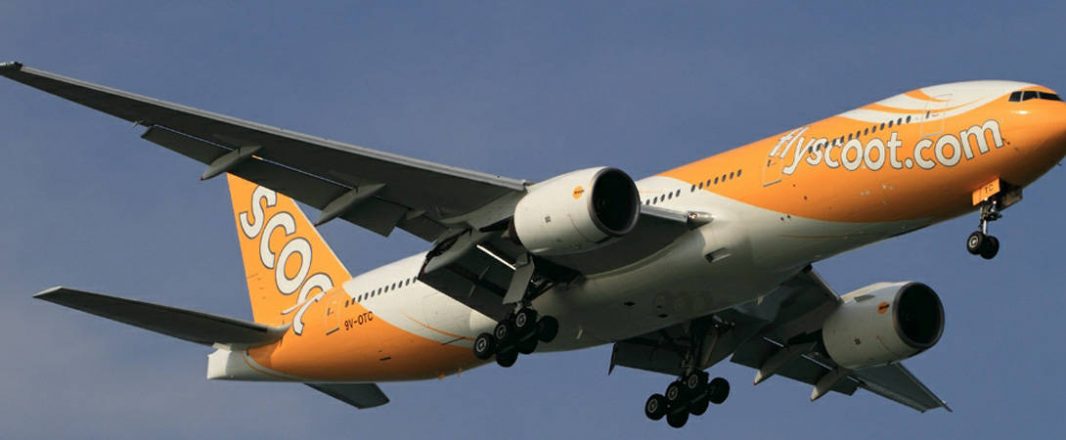
Of those surveyed, four in 10 (42%) cite competition from other LCCs as a “significant challenge”, just behind fuel costs, compared to only 4% who see full service brands as a direct threat.

Differentiate and diversify was a common response among respondents, with only 27% still identifying themselves as low cost “pure-play”. The majority prefer a “new age” or hybrid definition, given moves to broaden their service offering.
As the battleground shifts LCCs are looking to extend their ancillary products and services portfolio even further, moving up the market to capture more of the untapped premium sector. It explains the change in stance on business-to-business distribution.
The majority of respondents are also moving to embrace the travel agent channel instead of just focusing on web-only fares. Over half (54%) of those surveyed have integrated with a Global Distribution System (GDS) to access the trade directly, with another 6% saying they intend to do so.

“These airlines are meeting frustrated demand from corporate travel agents for LCC content so it’s a win-win. We’ve seen related bookings jump 40% just in the first two months of this year,” said Ho Hoong Mau, VP airline distribution for Abacus, which has assimilated the largest portfolio of low cost and hybrid carriers in the region.
“The carriers’ reward is the higher yielding business travellers, governed by policies that can now include low cost options,” he added.
According to the study, LCCs that have integrated acknowledged the GDS as a “valuable distribution channel”, particularly in agent-centric markets, helping them “gain brand recognition” and, for some, to “fill seats on less popular flights”. with the leisure sector.Respondents said travel agents, both on and offline, now delivering an average 24% of their bookings.
.gif) The benefits, however, extend beyond incremental trade business. Travel agents are also adept at complex cost-saving interline and codeshare reservations, which is another area where the LCCs are looking for longer term growth.
The benefits, however, extend beyond incremental trade business. Travel agents are also adept at complex cost-saving interline and codeshare reservations, which is another area where the LCCs are looking for longer term growth.
The survey revealed 37% intend to partner with other airlines to feed their network over the next three to five years. Almost a third (32%) are considering joining or forming an alliance, with 26% admitting they might merge or acquire a smaller LCC at some point in the future.
With 60 budget airlines operating in Asia Pacific by the end of this year there are many partners to choose from at home, and even more outside the region.
“Collaboration is key to step change in this industry. Whether LCCs are looking at major markets like China for potential allies or for links with carriers bringing passengers into Asia’s hubs, they will gain strength from an extended network,” said Ho..
Closer ties are also expected to afford these airlines dividends. Eight in 10 respondents forecast their growth to be between 6%-20% short-term, with another 11% predicting over 20%. The future appears to be bright for those planning to take many more routes to market.

•The Abacus LCC/Hybrid Study, Asia Pacific 2014, which collated in-depth responses from 49 budget airline executives based in Asia Pacific, was conducted in Q3 and Q4, 2013.