Face hard truths, ask tough questions – tourism captain urges industry to “make it so”
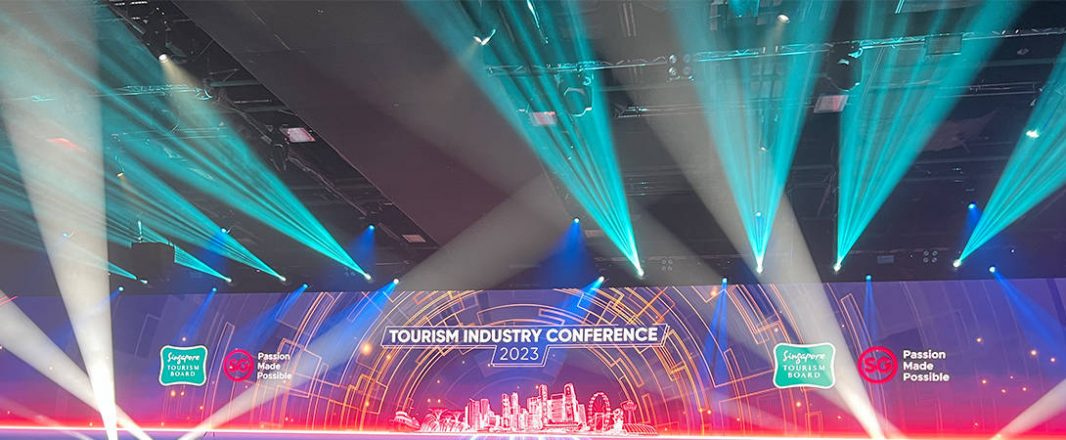
Entertainment content, technology and sustainability are the three key pillars around which Singapore plans to take its “Quality Tourism” strategy to the next level – that takeaway was evident from the messages shared at the Tourism Industry Conference 2023 this week.
A S$10m “Singapore On-Screen Fund”, a Tencent Super QQ Show Pilot in the metaverse, the first tourism partner to work with Google’s AR (Augmented Reality) Core and Partner Innovation teams to develop AR tour guides, taking the lead to develop the Global Sustainable Tourism Council’s first global sustainability standards for the MICE and Attractions industries – these were among the slew of initiatives announced at the Singapore Tourism Board’s annual conference this week.
The On-Screen Fund aims to support content creators to tell stories about or located in Singapore, and follows the success of movies such as “Crazy Rich Asians” and K-dramas such as Little Women, and HBO Food Affair with Mark Wiens.
Its marketing efforts around a refreshed brand campaign “Passion Made Possible” will be amplified through partnerships, a strategy that has served it well. Over the last two years, STB has inked over 50 partnerships with a total value of more than S$108 million, ranging from airlines, financial institutions, online travel agents, digital platforms and lifestyle aggregators.
In addition to the Google AR Core Partnership, it has signed agreements with Klook to “catalyse innovative destination marketing”, and Ant Group where six foreign mobile wallets are now accepted in Singapore, and in the US, it has collaborated with Snap to test its Augmented Reality technology in a tourism context.
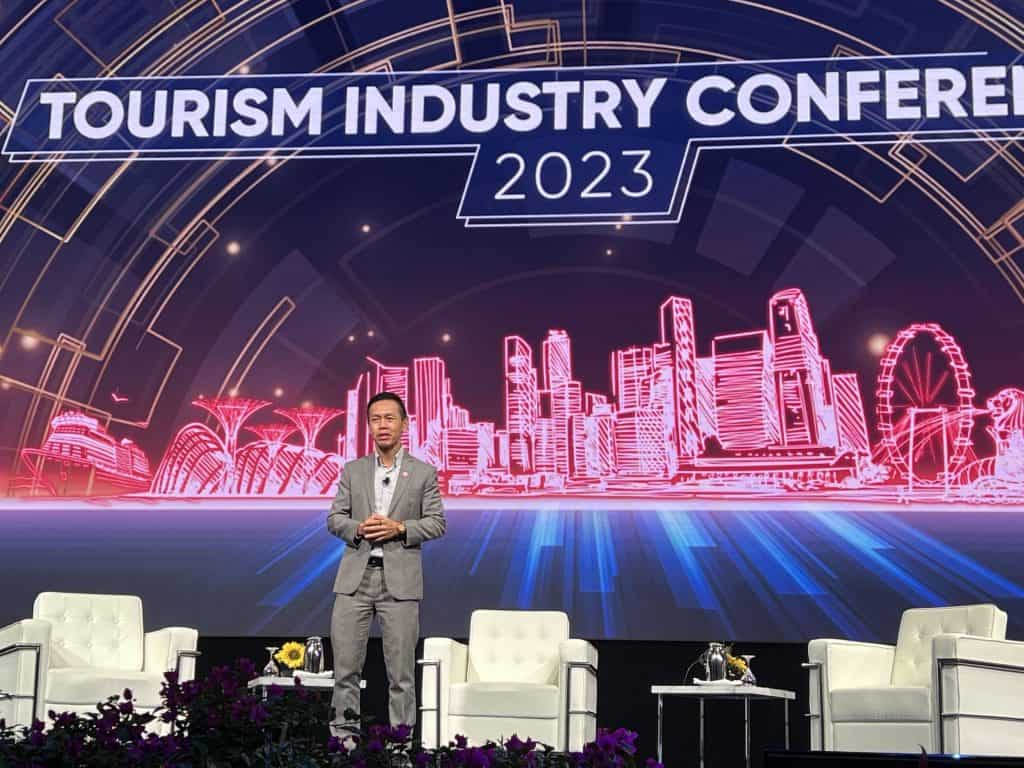
Keith Tan: “Singapore’s fundamental economic realities mean that we will never be a low cost destination for tourism.”
STB chief executive Keith Tan has declared on several occasions Singapore’s desire to be “the living lab for the future of travel”.
On the sustainability front, STB is collaborating with the Ministry of Sustainability and the Environment to curate immersive, sustainable experiences for Go Green SG, previously known as Climate Action Week, to be held in July this year.
It will also embark on a study to measure the baseline carbon footprint of the tourism sector before setting targets in line with Singapore’s enhanced international climate commitment to achieve net zero emissions by 2050.
Such bold moves are deemed necessary to secure a bright future for Singapore tourism, even as it celebrates a robust travel recovery – one million arrivals exceeded in March and first quarter set to reach 2.9 million. This year, Singapore is projected to recover to about 12-14m arrivals, with tourism receipts of S$18 to S$21 billion, and full recovery to 2019 levels is projected by 2024.
Thus, even as he reeled off a whole list of initiatives and product development plans designed to make Singapore an even more exciting and vibrant destination, the STB chief took time out to remind industry players of some hard truths.
Referring to its Quality Tourism strategy, which was launched 10 years ago, Tan urged the audience to think deep about the meaning of “Quality Tourism”.
“The strategy is a logical step for us as Singapore’s fundamental economic realities mean that we will never be a low cost destination for tourism. These realities also mean that we cannot keep on attracting more and more visitors to Singapore, year after year. We face land and manpower limitations. And soon, we will also have to deal with carbon constraints.”
Thus, he said Singapore must consider “how to amplify and step up tourism’s contributions to Singapore’s longterm relevance and success”.
He posed two questions – one, how can tourism strengthen Singapore’s position as the leading Global City in the heart of Asia and two, how can tourism support a steady flow of investments and re-investments into the “lifestyle infrastructure” of Singapore.
Key to Singapore’s continued relevance is connectivity, he said. “Unlike many other destinations, we have a diversified market portfolio which means our visitors come from all over the world – including close to 180,000 visitors from Latin America and Africa in 2019.
“Singapore’s connectivity is our lifeblood. It’s embedded in our economic geography, and is the reason we have grown prosperous as a country. COVID-19 showed us that we should not take our connectivity for granted.
“As we build better for the future, we must consider how tourism can continue to serve as a critical enabler of our connectivity and status as a hub for the flows of goods, capital, talent and ideas.”
The second lens with which to view Quality Tourism is that of investments. For the first time, the STB undertook a study to measure the value of investments and reinvestments into its tourism sector in 2022, and the figure was $2 billion. “This is the first time we have compiled such a figure, and it was not easy, but it is important to signal that investor confidence in Singapore remains high, and that Singapore is a destination of choice for making high-quality investments into tourism and lifestyle infrastructure.”
He called on the tourism sector “to step up, to think about the investments and re-investments you need to make in order to improve the quality of life for our locals, and the quality of experience for our visitors”, to make Singapore “not just a liveable city, but a loveable one too”.
In the Q&A session which followed, Tan was asked if there were other metrics by which to measure “Quality Tourism” other than tourism arrivals and receipts. He said those metrics were still necessary because they contribute to GDP but reiterated that investments could be a good yardstick by which to measure the quality of tourism infrastructure.
And his personal hope for the future of tourism in Singapore? “… that Singaporeans will no longer say that Singapore is “boring, got nothing to do on the weekends”. Instead, Singapore will be buzzing year-round, with an eclectic range of events and experiences for all ages and demographics – but also filled with plenty of blue and green spaces and opportunities to relax and recharge:the world’s most attractive and sustainable city destination for our visitors, and the best home for our people. As Captain Jean Luc Picard on Star Trek used to say, may you “make it so”.”