


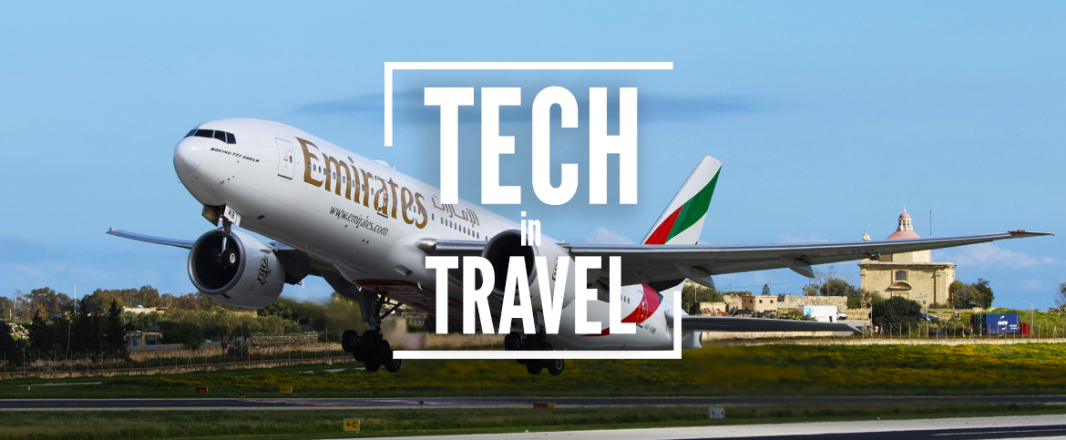
Emirates partners with OpenAI, accelerating airline-wide AI adoption
Emirates has entered a partnership with OpenAI to deploy ChatGPT Enterprise and expand artificial intelligence capabilities across the airline, aiming to strengthen operations, solve complex commercial challenges and elevate the customer experience. The collaboration includes hands-on training, the development of practical AI use cases, and the creation of an AI Centre of Excellence, with both companies identifying new areas to scale AI adoption throughout the organisation. Emirates’ EVP of IT, Ali Serdar Yakut, said the partnership will help the airline innovate and maintain its competitive edge, while OpenAI’s regional director Rod Solaimani highlighted Emirates’ vision to embed intelligence across aviation and enhance the travel experience for millions.
Osaka Group unveils world’s first travel hypermarket and SuperApp
Osaka Group has launched Osaka Connect Dot Com, an AI-powered platform positioned as the world’s first Travel Hypermarket and Travel SuperApp, unifying more than 24 travel products, from flights and hotels to visas, insurance, cruises and activities, under one intelligent ecosystem. Built for B2B and B2E markets, the platform aims to eliminate long-standing fragmentation in the travel industry by enabling agents, enterprises, suppliers and consumers to transact and collaborate seamlessly. Powered by AI automation, real-time global inventory across 120+ countries, dynamic pricing tools, and multi-currency support, Osaka Connect introduces a scalable digital marketplace designed to streamline onboarding, settlements, and user experiences through intelligent recommendations and integrated fintech solutions.
The launch represents a major leap in Osaka Group’s evolution from a traditional travel management company to a global technology-driven travel enabler. Chairman Dr PB Boss said the mission is to revolutionize travel by creating “the world’s most connected, intelligent, and inclusive digital ecosystem,” while Director Athul Boss likened Osaka Connect to an “Amazon.com for the global travel industry,” bringing every workflow and service into one platform.
MOVE adds Vietjet Air flights through GalaxyJoy partnership
AirAsia MOVE has partnered with Vietnam’s GalaxyJoy to integrate Vietjet Air’s full flight inventory into the MOVE platform. The collaboration strengthens MOVE’s regional connectivity and enhances its all-in-one travel experience with Vietjet’s network and ancillary options such as seat selection and baggage add-ons. MOVE CEO Nadia Omer said the partnership brings award-winning Vietjet Air to MOVE’s 15 million monthly active users, while GalaxyJoy CEO Hoa Lan Huong highlighted the opportunity to extend Vietjet’s reach through one of the region’s leading OTAs. This addition builds on MOVE’s growing airline ecosystem, which includes over 70 direct partnerships and access to 700 more carriers, along with hotel bookings, transfers, duty-free shopping, insurance and other travel essentials.
Thailand emerges as Asia’s next digital-first luxury hotspot
Thailand’s luxury sector is accelerating rapidly, with insights from LINE Thailand’s FLAIR BKK ’25 event revealing a shift from ownership-focused buying to experience-led, emotionally driven consumption. Experts highlighted Thailand’s rising global cultural influence – from entertainment to design – as well as its position as Southeast Asia’s fastest-growing luxury fashion market, valued at USD 4.4 billion and projected to expand 5% annually through 2028. With 53% of consumers increasing luxury spending and 59% purchasing online, brands are being urged to embrace a Digital-First Luxury strategy built on personalization, creativity, and integrated technology.
LINE Thailand’s survey with Ipsos underscores how digital engagement is reshaping behavior: 99% of consumers now research online before buying and two-thirds do so within LINE’s ecosystem. Luxury Official Accounts have surged 46%, backed by growing followership from men aged 20–39 and Gen Z buyers. LINE for Business – through tools like Official Accounts, Display Ads, and chat commerce features – is helping brands build seamless online-to-offline journeys. With interactive campaigns, personalized chats, and in-store integrations powered by LINE Beacon, the platform is becoming a key engine behind Thailand’s ascent as Asia’s next premier luxury destination.
Ireckonu warns that global hotel chains are breaking China’s data laws
International hotel groups operating in China may be unknowingly violating strict Chinese data residency rules, according to hotel middleware and guest data platform provider Ireckonu. The company says many global hotel tech vendors still store or process guest data outside China – a direct breach of local regulations that require such data to remain within national borders. With geopolitical tensions rising, Ireckonu warns that a government crackdown could come at any moment, potentially resulting in fines, reputational damage, or even operational disruption.
Ireckonu, which specialises in secure, localised data infrastructure for hotels, says many brands underestimate both the legal and operational exposure tied to non-compliant tech stacks. The company recommends immediate action: auditing data flows, consulting legal experts on Chinese data requirements, and implementing middleware that keeps storage and processing within China. Ireckonu is actively gathering insights from on-the-ground hotel teams and is preparing an industry-wide report on global data security challenges, including how generative AI is adding new complexity to compliance.


