UAE’s flag carrier, Etihad Airways, on August 8 signed the “transaction implementation agreement” with Italy’s Alitalia, which sees it buying a 49% stake in the Rome-based airline.
Image credit: etihad.com
The deal, worth €1,76 billion (US$2.35 billion) in total investment, will extend a lifeline to the loss-making Alitalia, while giving the Abu Dhabi-based Etihad Airways a wider reach in key European markets.
The Italian airline, which was privatised in 2009, is reportedly making losses amounting to almost €2 million a day. The agreement, said Etihad Airways in a media statement, would help “build a reinvigorated Alitalia as a competitive, sustainably profitable business.“
With the injection of fresh capital Alitalia will be able to invest in a comprehensive strategic business plan, which will see new long-haul routes from Rome Fiumicino and Milan Malpensa a revitalised brand, and a greater focus on Italian tourism and trade promotion.
Etihad Airways’ investment is €560 million, complemented by a further equity investment of €300 million from existing core Alitalia shareholders, €598 million in financial restructuring of short and medium term debt provided by financial institutions and existing bank shareholders, and €300 million of new loan facilities extended by Italian financial institutions.
Apart from the 49% shareholding in Alitalia for €387.5, Etihad Airways’ investment also includes €112.5 million to acquire a 75% interest in Alitalia Loyalty Spa, which operates MilleMiglia, the airline’s frequent flier programme, and the purchase of five pairs of slots at London’s Heathrow Airport valued at €60 million. The slot pairs will be leased back to Alitalia on an arm’s length basis.

James Hogan / Image credit: etihad.com
James Hogan, Etihad Airways president and chief executive officer, said the deal was a strategic, long-term commercial investment for the airline.
“On completion, we are committed, with the other shareholders, to build a reinvigorated Alitalia as a competitive, sustainable and profitable business that can operate successfully in the global air travel market.
“We believe in Alitalia. It is great brand with enormous potential. With the right level of capitalisation and a strong, strategic business plan, we have confidence the airline can be turned around and repositioned as a premium global airline once again.”
Hogan added that the winners of the successful strategy would be “Italian and international travellers, who would see better service, new routes and greater competitive choice; Alitalia’s employees, who can look forward to a brighter future over the long term, in a business which will grow again; and the Italian people, who can be proud once again of their national airline.”
Gabriele Del Torchio, Alitalia chief executive officer, acknowledged “there is a long road ahead” to first to complete the transaction and deliver this new vision, adding that the investment “will provide financial stability and enable us to position Alitalia, and the travel and tourism industry in Italy, for long-term growth.”
The comprehensive business plan provides for the revitalisation of Alitalia’s brand, to embody all the things for which Italy is renowned – food, fashion, culture and lifestyle – in a “Made in Italy” premium service concept and guest experience.
This will be accompanied by the implementation of measures to drive increased inbound tourism into Italy and to support the country’s economic growth.
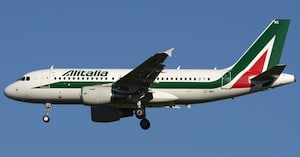 Focus will also be on the profitable growth of long-haul flying from both Rome Fiumicino and Milan Malpensa, while maintaining short haul routes. This will include flights to new destinations, increased frequency in certain existing markets and an enhanced network to Abu Dhabi to capitalise on growing traffic between Italy and the UAE, and provide Alitalia’s passengers with seamless connectivity to Etihad Airways’ global network.
Rome Fiumicino will become a larger European intercontinental hub with up to five new routes over the next four years, while long-haul flights from Milan Malpensa will more than double to 25 flights a week by 2018.
Plans are also to grow Alitalia’s wide-body fleet by a third, while its narrow body fleet will be managed to meet the requirements of the new network plan.
Streamlined hub operations, and joint procurement in the areas of aircraft, engines, maintenance-repair-operations, training, catering, ground handling and fuel will be the added benefits.
The partnership will also pave the way for the redesigning and automating processes and working arrangements in line with best practice, and the adoption of leading IT platforms.
The deal, which is subject to final regulatory approvals, is expected to be completed by December 31, 2014.
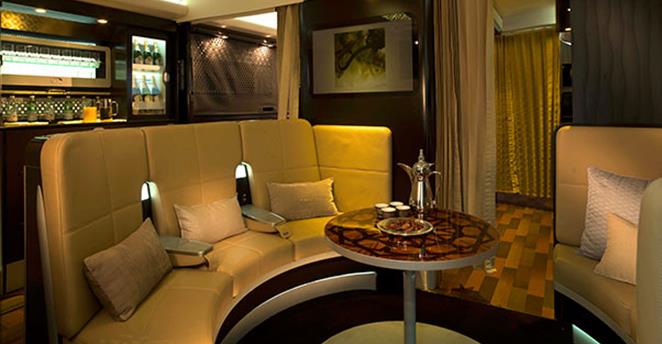
• Featured image (The Residence by Etihad) credit: etihad.com