Want to become one of the village people? Ask the boss
Digital nomads are on the move. From Bali to Monserrat and Malta, destinations are laying out the red carpet to attract overseas talent.
Estonia was the first country to offer a digital nomad visa in 2019; since then, more than 25 countries and territories across Europe, Africa, Asia, and Latin America and the Caribbean – have launched their own programmes.
The most remarkable initiative is in Spain where 27 small municipalities have come together to form the National Network of Host Villages for Teleworking to encourage remote workers to stay in their rural towns and villages.
Booking.com is backing the scheme which aims to revitalise and repopulate rural areas.
The network is organised around an internet platform, www.pueblosacogedores.com, which collects information on the towns and all the possibilities they offer for teleworking and living there.
Each municipality has a detailed fact sheet including a promotional video, with information on accommodation, co-working spaces, internet coverage, public transport connections and whether there is a post office, ATM or bank.
According to the network’s website, the search for the most suitable municipality is carried out using a search engine and filters. Additionally, teleworking preferences can be made and the website itself provides guidance on the most suitable place to settle.
Maybe, Santa Ana la Real, or Madrigal de las Altas Torre (pop. 1,415), or one of the other remote municipalities waiting to welcome digital nomads.
“The rural world offers some teleworking opportunities which probably have not been appreciated until now,” said Antonio Calvo Roy, sustainability director of Red Eléctrica, which owns Spain’s power grid system and is backing the programme.
A recent report from the Migration Policy Institute reveals while some digital nomad and freelance visas predate the pandemic, the pandemic-era combination of travel restrictions, lost tourism revenues, and widespread adoption of remote work practices has helped drive the introduction of more recent programmes.
This report’s authors, Kate Hooper and Meghan Benton, have analysed the impact for countries encouraging remote workers to their shores, what it means for digital nomads hoping to settle in a new country, and the challenges for employers whose workers might be on their laptops poolside in Greece while head office is thousands of kilometres away in Sydney.
“For host countries, the appeal of digital nomads is pretty evident. They can meet a need for in-demand skills, foster entrepreneurship or promote economic development in rural communities,” the Migration Policy Institute reported.
Yet the report’s authors warn, “The hype around these visas and their role as tourism branding exercises makes it hard to assess whether they are living up to this potential—and whether they can help immigration systems navigate longer-term changes in where and how people work.
“All of this suggests that the time is ripe for exploring whether key elements of the policy landscape—most prominently, immigration systems but also tax, pension, and social security policies—are equipped for an era of remote work, and how they can help companies, workers, and countries of origin and destination alike better realise the potential benefits.”
Of one thing the report’s authors are sure: “Failing to address remote work in immigration policies is a missed opportunity for governments.
“Growing remote work practices and norms could help revive declining regions if firms recruit workers living away from company headquarters or assist individuals move to less expensive areas to stretch their salaries further and access more plentiful housing.”
Me? I’m off to look for my old school atlas.
Now, just where is Madrigal de las Altas Torre?
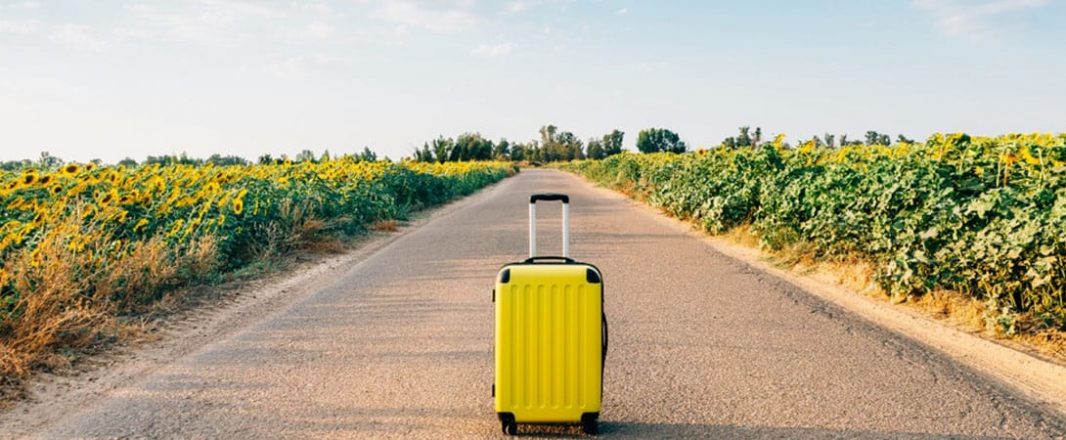
Featured image: Small municipalities in Spain have formed the National Network of Host Villages for Teleworking. Photo Credit: Fotoeventis/iStock/GettyImagsPlus