How an idea born in France spread to create a new category of rural heritage tourism; shophouse programme under study
It started out as an idea in France – to fund the renovation of heritage buildings to revitalise heritage tourism in rural areas – an idea that eventually led to the launch of the “Historical Homes” category on Airbnb in May 2022, and which has spread to Asian markets such as Japan and South Korea.
In November 2021, Airbnb announced it would donate more than 5.6 million euros (approximately US$1 million) to the “Heritage and Local Tourism” programme of the Heritage Foundation dedicated to fund the renovation of heritage buildings in rural France. Under this programme, each home owner would receive around US$50,000 to convert their homes and list them on Airbnb or other short term rental platforms.

Steven Liew: “We studied it, thought it would work in markets in Asia where we are also trying to promote rural tourism.”
“We studied it, thought it would work in markets in Asia where we are also trying to promote rural tourism and take pressure off urban zones and copied the programme in Japan and South Korea,” said Steven Liew, Airbnb’s director of public policy for APAC.
Since then, selected “hanok” (Korean traditional house) and old homes in Japan have come under the programme and are listed in the “Hanok” and “Historical Homes” categories (after conversion), which now has around 45,000 listings, the majority of which are in Europe, across Spain, Germany, Italy, France, the UK, and Belgium.
The South Korea programme, an adaptation of the French idea but without an outright donation, was first to take off, said Liew. “We started a small experiment outside Seoul to test the idea in 2020. It was in the midst of the pandemic and we wanted to see how we could boost domestic tourism and revitalise rural tourism in the country.”
It launched a joint campaign with Hadong-gun, a small village, about four-five hours away from Seoul, to promote local stays and experiences in Hadong, a regional country in Korea, known for its tea plantations, natural beauty and traditional ‘hanok’ homes. “The mayor of the area said he did not need the donation, just our partnership to revive his region,” explained Liew.
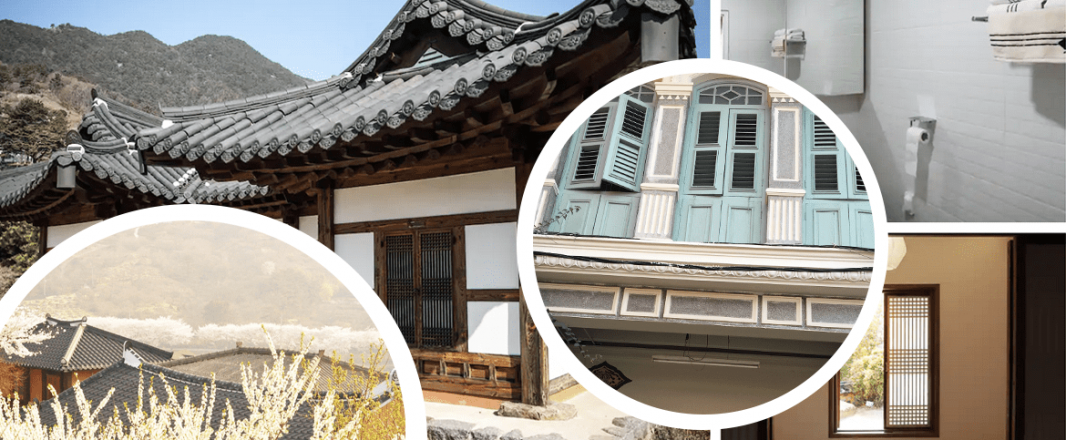
As part of the partnership, Hadong-gun and Airbnb conducted detailed market research and launched a destination marketing campaign which included a new dedicated landing page. Airbnb also worked with Hadong-gun to renovate the historic ‘Choi Cham Pan’ residence into 10 traditionally-styled unique Airbnb listings.
“We got local designers to repurpose the homes,” said Liew. “We actually converted 11 homes but kept one of them for the reception area. We saw a marked increase in tourist traffic to the region, which contributed to increased tourist income for the village.”
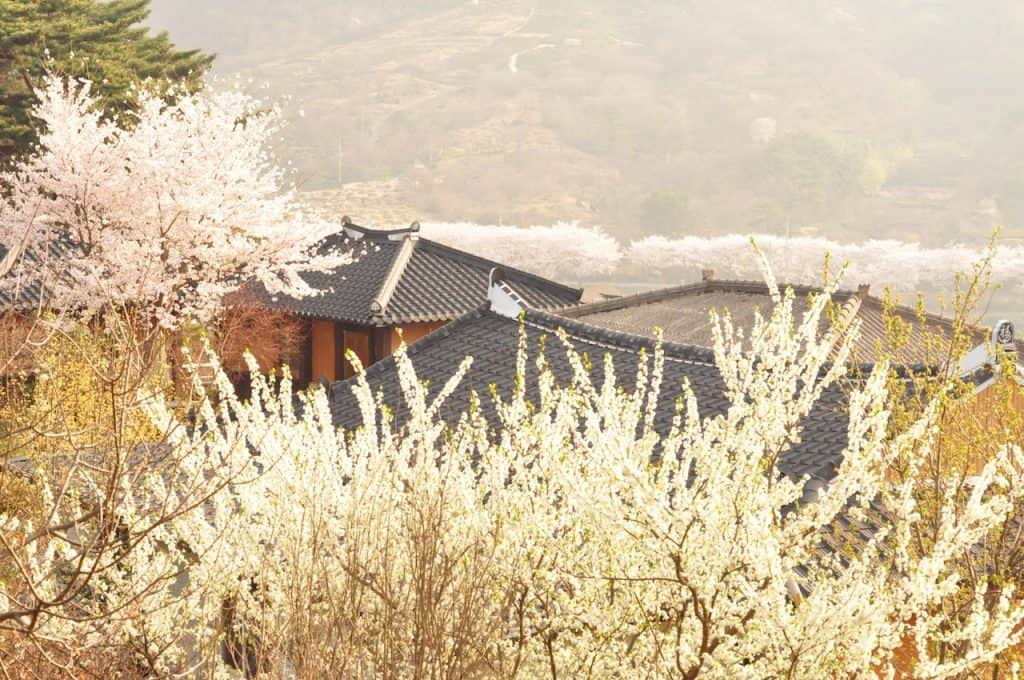
Hadong-gun, the village where Airbnb initiated an experiment to convert Korean traditional houses for listing in the “Hanok” and “Historical Homes” categories.
The joint campaign resulted in an eightfold increase in bookings within three months of the launch. There was also significant local interest with more than 15,000 visits to the dedicated landing page up to August 2020.
Airbnb is also working with the Gangwon Center for Creative Economy & Innovation to revitalise old mining areas such as Jeongseon, Yeongwol, Samcheok, and Taebaek in Gangwon, Korea. As part of the partnership, Gangwon Center and Airbnb will identify and promote hidden gems and unique places to stay.
The programme in Japan is more closely aligned to that of France in which Airbnb donated 150 million yen to Japan Kominka (old Japanese-style house) Association that addresses succession of Japanese-original architecture and local economy revitalisation through renovation of old Japanese-style houses.
Using the donation, the Association plans to support up to five million yen each for renovation of 30 houses nationwide.
According to the Association, vacant houses reach about 10 million nationwide, out of which old Japanese-style houses account for about 10%. The Association will assist owners to renovate those for the current quake-resistance standards and more comfortable living environment.
The donation will be distributed to 20 houses nationwide, eight houses in Shikoku and two houses in Setouchi area. Airbnb expects that renovated houses will be listed as ‘Historical Homes’ on its platform.
Airbnb introduced ‘Airbnb Search Category’ as a new search method in May last year. Among 62 categories, ‘Historical Homes,’ containing castles or villas, is very popular. “We have more users who choose a destination from a viewpoint of homes that they want to stay,” Yasuyuki Tanabe, Airbnb Japan Country Manager, said. “With that, we can help travellers to discover unknown local attractions and contribute to decentralisation of destinations.”
Airbnb Japan opened a special site named ‘Use Kominka on Airbnb.’ and also have plans to organise online seminars for people who are interested in managing Kominka. In collaboration with GLOCAL, a business operator for Kominka, it is supporting Kominka owners to list their Kominka on the platform.
“We have seen a new trend for users to travel to local areas to see local people. It is a trend not only in Japan but also globally,” Tanabe said. “We want to meet such needs that look for ‘traveling like living’ opportunities.”
In the last year during the pandemic, Airbnb Japan has signed with local governments or DMOs for local revitalisations. “Local challenges are different. We are creating case studies of home sharing to solve each of local challenge and then applying for those to different areas,” Tanabe added. The next target is Kansai area, where Osaka Expo will be hosted in 2025.
Liew said he was studying a “Shophouse programme” for South-east Asia given the common heritage of these shophouses in destinations like Malaysia, Singapore, Thailand and Vietnam. “The origins of the shophouse came from southern China, which spread to South-east Asia. We believe converting these heritage shophouses into short-term accommodations will be very exciting.”
In Europe, Airbnb has donated almost 10 million euros to heritage organisations to help boost demand for heritage-related travel. Just under 70% of European historic homes on Airbnb are located in non-urban areas. It also reports a growing demand for heritage-related travel. In the UK, France, Germany, Spain and Italy figures shared by Airbnb indicate that bookings for historical homes increased by over 54 percent in 2021 compared to 2019.
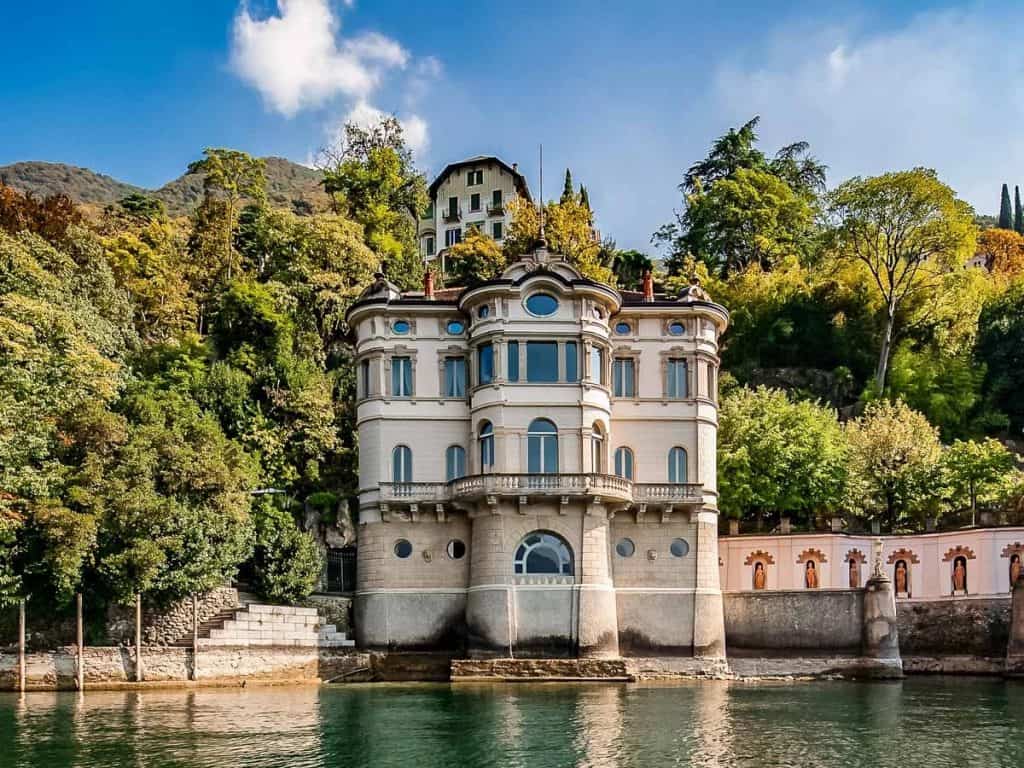
Historical homes like this villa in Italy are seeing a rise in demand – Airbnb says that bookings for historical homes increased by over 54 percent in 2021 compared to 2019.