“OUT of adversity comes opportunity”, so said Benjamin Franklin. This quote best personifies three Asian hoteliers who, through their resourcefulness and creativity, have not only survived the past year of almost no inbound business but placed them in good footing for post-pandemic times.
A YEAR of Covid has led to a drastic change in Japan’s work culture where working for long hours in offices was the norm. Aya Aso, founder work & CEO, SAVVY Collective and co-founder & CEO, PerkUP in Japan, saw the opportunity to convert empty rooms in ryokans and hotels to work spaces and combine that with a vacation offer.
Even Prime Minister Shinzo Abe was talking about remote work in his speeches, she said, adding, “That has actually created a lot of new ways of using our vacant hotels, and also to meet the rapid needs of the market for this space.”
That’s when Aso founded PerkUP, a partnership between SAVVY Collective and former Spacemarket founding team member Iso Saito’s AnyWhere, to focus on the workation market.
“We started creating a platform for remote workers and hotels, but a few months ago we pivoted the business to workation. Now we are preparing to launch a matching platform between corporate and co-workation content (such as hotel, ryokan, villa, team building games, local activities like camping).”

Slated to launch in in July, co-workation.com not only taps into the growing ‘work from home’ (WFH) segment but also aims to establish connections between remote workers.
“Japanese workers have been doing remote work for a long time. When working alone at home people feel less motivated to work and companies lose engagement with their employees. They want to bring people back together through workshops and meetings in spaces that can be anywhere in Japan – could be in a meeting room, in a resort or office, and that’s where co-workation.com can meet this need,” she said.
She said that the “workation” market size, currently estimated at US$699 million, is projected to grow five times more by 2025.
Trisara staying the course in Phuket with wellness and personal touch
While the third wave of infections in Thailand has derailed hopes of luxury resort Trisara closing April on a strong note, the team stays resolute to face the future. The root of its confidence lies in its new wellness resort and residential community project Tri Vananda.

Kittisak Pattamasaevi, CEO of Montara Hospitality Group, said, “Tri Vanada is a powerful vision that the whole team is now working very hard to realise. When we’re stuck in a dark tunnel like during a pandemic it’s very easy to lose sight of who you are, what you’re trying to do.
“But having a very strong vision of what everyone can work towards is something that has helped us to stay the course, and also with the pandemic I believe that now wellness is top of everyone’s mind.”hat
Covid made many people realise that you cannot buy health with wealth, and there’s no cure for it, said Kittisak. “And so really the way to be resilient is to ensure that that you have a strong wellbeing individually.”
Trisara stayed opened through the pandemic. “We came up with new innovative ideas on how to engage with guests even if they weren’t coming to the resort.”
It delivered ingredients and recipes from its Michelin-starred restaurant PRU to customers so that they could cook at home. It created videos of exercise classes done on the resort’s grounds.
The past year has given the group an opportunity to develop the domestic market. “In the past we only had around 10% or less than 10% of customers from Thailand. Going forward, we all recognise that a strong domestic market is critical. Being resilient and staying open throughout this whole time has helped us establish a strong relationship with the customer in Thailand.
“We saw a much larger number of returning guests and some of them now have decided to buy a villa at Trisara and even at our new project at Tri Vananda.”
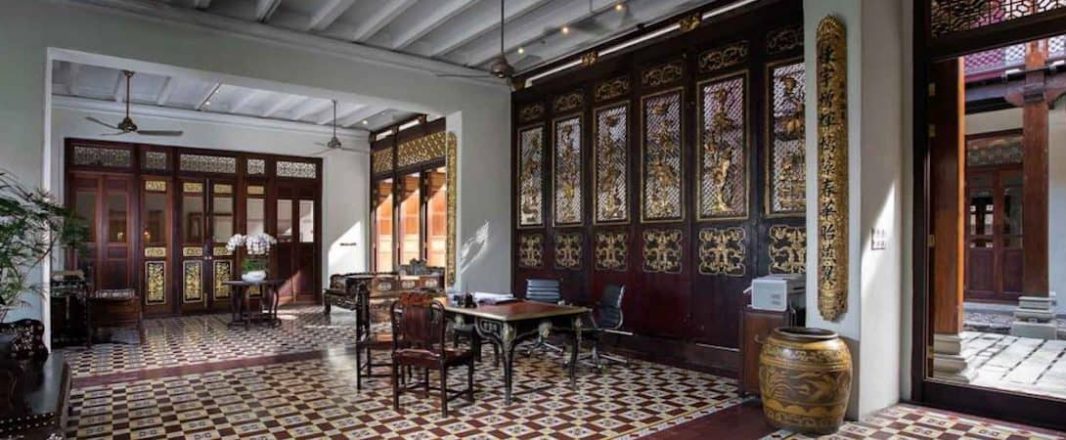
Selling antique furniture, hosting private tours, food delivery in Penang
For Chris Ong, founder of Georgetown Heritage Hotels, employing a 75-year-old cabinet maker turned out to be one of his best decisions. Ong offered master craftsman Chew Kah Pit a fulltime position in 2018 when he wanted to restore and build his own range of antique Peranakan furniture.
The veteran cabinet maker, with 55 years’ experience, proved invaluable during Covid as the hotel group’s retail business of selling antiques and collectibles remained brisk.

His shophouse hotels – Seven Terraces, Muntri Mews, Muntri Grove, Jawi Peranakan Mansion (JPM) – are not performing as well with the ongoing levels of lockdowns in Malaysia – a ban on both inter-state and inter-district travel has more or less killed domestic travel in the country.
To survive, Ong got creative. He turned to the expatriate and MM2H (Malaysia My Second Home) markets to fill rooms, and curated special events and gourmet experiences in its restaurant, Kebaya.
“We also created tours around the hotels to tell stories about the buildings. They have become quite successful in terms of leveraging the local domestic guests into finding out more about the hotel for the first time. This also helps build loyalty with guests.”
The other area Ong turned to is food delivery and catering for special occasions such as ancestor prayers. “We’ve diversified into a lot of different areas that are related to what we’re doing,”, an exercise he described as “challenging but never dull.”
With no sign of Covid going away anytime soon and worrying spikes in infections in a number of countries in Asia, how would they write the closing line to their Covid story?
For Aso, it is “after the rain comes fair weather; for Kittisak, it’s “be your own light”; and for Ong, “failure is not an option”.
• Featured image credit (Seven Terraces, one of Georgetown Heritage Hotels’ shophouse hotel): Georgetown Heritage Hotels