In the next five to seven years the keys drivers for success will be personalised travel experiences, enhanced by technology and artificial intelligence, and seamless travel according to a new Amadeus—A.T. Kearney report.
The study, What if? Imagining the future of the travel industry, outlines four scenarios that travel companies need to prepare for today, if they are to maximise growth and success in the years ahead.
• Picasso – a scenario based on a fragmented world marked by heightened security and the rise of populism, which makes more travel destinations off-limits. Most parts of the world are enjoying economic growth. Companies are reaching out to more customers through mobile channels, and this enables businesses to provide more sophisticated personalised offers.
• Dali – a scenario where both social attitudes and economic prosperity make it more favourable to share data. This leads to more relaxed privacy laws and lighter regulation, which allows for greater personalisation of travel. Travel becomes faster, cheaper and safer. Other benefits for travellers include less security controls at borders and availability of real-time information about events such as flight delays.
• Bosch – a scenario where companies are faced with rising business costs and different legal, tax, labour and data protection laws. This fragmented world based on protectionism and distrust lead leads consumers to book directly with trusted, well-known brands.
• Warhol – a scenario of seamless but not personalised travel as strong economic growth in Asia gives rise to a large middle class with more disposable income. They opt for low cost, mass-market travel instead of personalised options even in a world free of barriers.
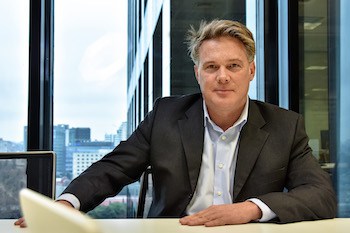
Alex Luzarraga: Issues outlined will continue to disrupt the industry (Image credit: Amadeus)
Alex Luzarraga, vice president corporate strategy of Amadeus IT Group, noted that there is “widespread mistrust and populism” as outlined in the Picasso scenario.
“Things we used to take for granted, such as the right to travel across Europe without passports, for example, may be less likely in the future.”
He added that these issues would continue to confront and disrupt the industry in the years ahead, and the industry must be prepared to deal with them.
Yelena Ageyeva-Furman, principal at A.T.Kearney, added that the paper showed a broad view of the future, which allows companies to uncover their organisational blind spots.
“This paper will provide an interesting perspective to the businesses that wish to prosper in the travel industry in the coming years”.
Download the full report here.
• Featured image credit: olm26250/iStock