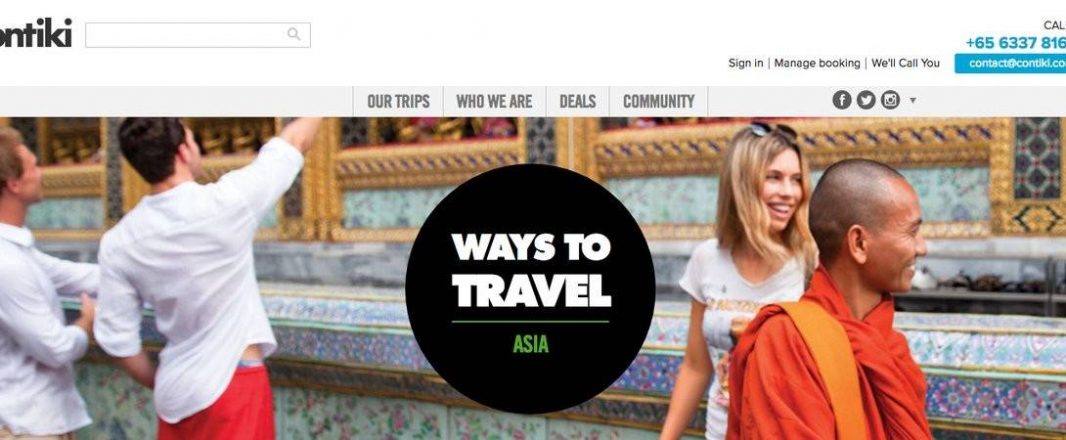
Contiki has been specialising in the business of group travel for 18 to 35 year olds since 1962, well before the advent of the current generation of young travellers. This travel company may be 54 years old, but it still knows how to get down with the kids.
The firm does more than dabble in social media and generate content – today’s currency for attracting the millennial market. Its entire business structure is geared towards getting beneath the skin of the young traveller, from its site to its product; Contiki is speaking the language of the millennials.
Casper Urhammer, Contiki’s CEO, is not resting on his laurels. He thinks the current website is “functional, but dated” and work to replace it with a new site is already underway, with the launch expected in the next few months.
“Digital natives are expecting information that is adapted to them,” he said, which means the new site will be more personalised, feature user-generated content and include rich media. The search function will also be revamped to meet user expectations.
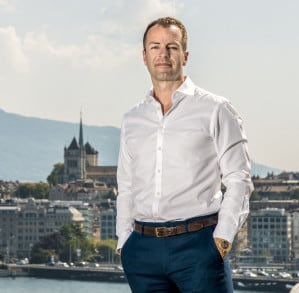
Contiki CEO Casper Urhammer
Since its inception, Contiki’s business has expanded every year. Urhammer attributes this success in part to its “very strong trade business.” The brick and mortar model is still very much part of the company’s future and its digital assets serve to educate consumers about their products – “all with the intention of supporting our trade partners”, he adds, though the brand has also developed a strong consumer-facing business.
Contiki’s singular focus on a narrow segment of the travel market is also its strong suit. “We are unique because we focus [only] on young people,” Urhammer explained.
“Our product is designed exactly for that [segment], so we have to be more on trend in terms of [understanding] consumer behaviour – that approach trickles to our marketing, our technology and our positioning.”
One of these approaches is Contiki’s new ‘freedom guarantee’ policy, which allows travellers to change their trip plans with no fees attached and without any impact on their deposit. The initiative – launched in March – has already resonated with the market, said Urhammer.
Though geared toward the commitment-phobic millennial market, this policy could well be a game changer – especially in Asia, where bookings tend to be last minute.
Another product – termed ‘ ways we travel’ – divides millennial travellers by travel style (for example ‘high energy’ for the younger crowd and ‘discovery plus’ for those seeking to cross major attractions off their bucket list). Urhammer believes travel style matters more than where the traveller comes from.
“We recognise that no two travellers are the same. Trips are geared towards social, energetic style or the pace at which you travel or specific experiences like festivals or sailing. We’ve got something for every traveller aged 18 – 35.”
Given Millennials are also typically FITs, how does Contiki compete with travellers who want to build their own itinerary? Urhammer describes Contiki tours as the “infrastructure” of a journey that covers key attractions or activities, but ‘me time’ is carved out for travellers to explore (or to laze) on their own.
“We don’t want to tell people what to do, we want to give them the option of crafting their own experience,” he added.