Calling Trip.com Group and Agoda ‘industry giants’ would certainly be an understatement. Both companies have expanded rapidly over the last few years, dominating regional demographics and adding more verticals to their platforms while becoming one-stop booking shops for many travellers in the region.
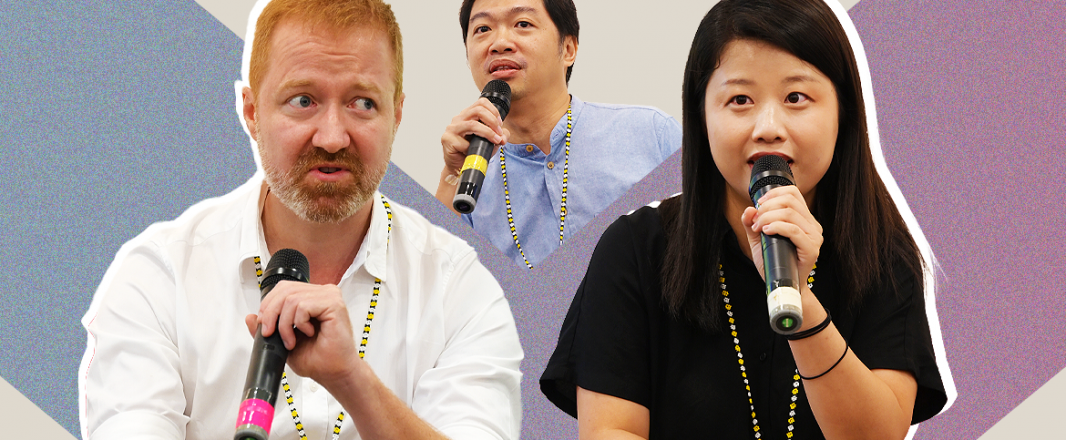
With neither Trip.com nor Agoda showing signs of slowing down, GlobalTix CEO and founder, Chan Chee Chong chatted with Fabian Teja (Country Director, Malaysia & Brunei, Agoda) and Ashley Xie (Country Manager, Tours & Tickets, Malaysia/Brunei, Trip.com Group) at WiT Indie in Penang about the latest developments and trends in the travel industry, the expansion of their respective services, industry competition and strategies for growth in the evolving market.
The art of expansion amid competition
“If you do only hotels, then you capture only one-third of the addressable market. You want, of course, to capture all of it,” said Teja when asked about the rationale behind Agoda’s rapid expansion. Once known primarily for its hotel bookings in Asia, particularly Southeast Asia, the platform added flights in 2019 and a couple of years ago, got into tours and activities.
Teja also highlighted the importance of technology in driving this convergence, referring to the trend towards a “virtual concierge” enabled by connectivity. “I’m not saying that it’s AI-driven necessarily, I think it’s more of a connectivity-driven thing,” added Teja. Referring to fellow panelist Xie, Teja commented that, “Trip.com probably started out as a fully diversified player a long time ago in China and started expanding to new markets. For us, we’ve always been a player across many markets and we’re now expanding into new verticals.”
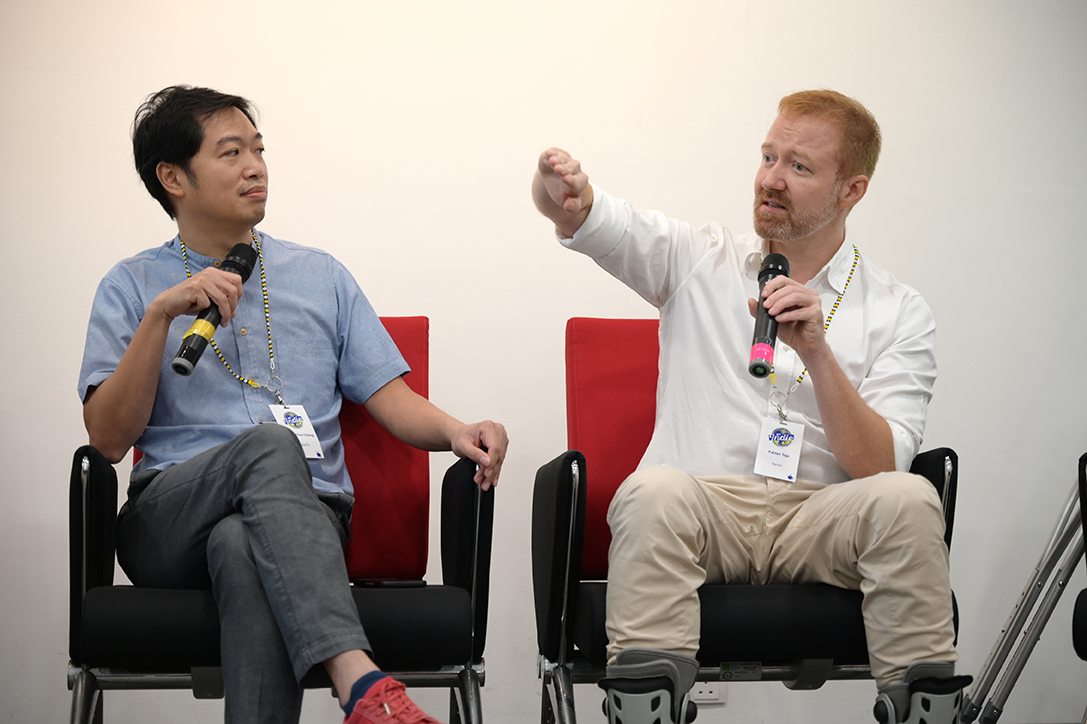
“If you do only hotels, then you capture only one-third of the addressable market. You want, of course, to capture all of it,” said Agoda’s Fabian Teja
Friendly as their banter may be, it’s no secret that both companies are watching the other closely as their respective footprints increase in the region. Agoda’s flight offerings directly encroaches on Trip.com’s territory, while the latter’s growing popularity in Southeast Asia could potentially shrink the size of Agoda’s pie.
However, Xie explains that Trip.com’s core strength isn’t always in tickets, but the data derived from flight bookings.
“We have all the numbers and the results in our database that we can use for surveys. We analyze everything from our flight department to understand what’s trending over the next few months. This is where we can help our partners.”
This data-driven approach helps Trip.com tailor its services to meet market demands.
“I do think it is amazing when we have industry players wanting to join us,” added Xie. “That means the industry is profitable.” She also emphasised the limitless potential of the travel industry, even during challenging times like the pandemic, and welcomed more participants to help grow the market.
Teja echoed this sentiment, citing an old German saying, “Competition is good for business.” He acknowledged that Trip.com’s active presence in Southeast Asia indicates the region’s importance and growth potential. “Together, we’re driving this trend,” he added, noting that both companies are contributing to the expansion of the online travel market.
Supporting integration and innovation
When asked about the surge of external players entering the travel sector, such as airlines and banks, Teja addressed the challenges posed by this complex industry and emphasised the importance of partnerships and trust. “Our partners make our success, without our partners, we’re just a piece of technology that is, in the end, super replaceable.” He underscored the significance of maintaining strong relationships with partners to sustain business growth.
Teja also hinted at the importance of not just incentivising innovation, but the importance of recognising the benefits of constantly pushing the envelope. “If innovation was not rewarded by profits, there would be a lot less innovation in the world,” Teja added. He noted the exponential growth in Agoda’s flight bookings over the past two years, attributing this success to hard work and building customer trust.
“Am I worried about airlines experimenting with the hotel business? No, not at all. Again, competition is good for the business. Fast is more important. The other way around, that we build good relationships with airlines as we treat all our partners, develop and building over that experience by the customer.”
Supporting local operators and indie players
When asked about working with local operators, Xie recalled a shift in Trip.com’s approach to local players in a post-pandemic landscape. “When the company sent me here, I was only expected to manage tours and tickets, and products in terms of Malaysia as a destination for the China market only, that means having exclusive packages for the China market,” explained Xie. “After Covid, we had our thinking points – how are you going to attract other markets, other than just domestic and China?
“We ask our partners and tour operators – which market you are focusing on and which markets are you seeing as having more potential? Other than [Malaysian] school holidays, what are you going to do to to grow your business, to fulfill your inventory? Which OTAs can help you to attract more travellers from other markets as well.”
Meanwhile, Teja advised independent hotels on growing their sales on Agoda. “Work on providing a great experience and make that visible, make it known, make it seen,” he recommended.
Teja also acknowledged the complexity of technology but emphasized the essentials of competitive pricing, quality content, and positive reviews.
Navigating technology
Moderating the panel, Chan brought up an important point of discussion – when does technology become too much of a good thing? Saying, “I heard from a couple of operators that they think platforms are becoming too complicated. Sometimes there are so many promotions that they don’t even know where to begin.”
Addressing these concerns, Teja acknowledged the challenge but reassured operators of Agoda’s support. “We want to engage. We want to help,” he said, encouraging operators to reach out for assistance. He also advised focusing on competitive pricing, content, and reviews as key factors for success.
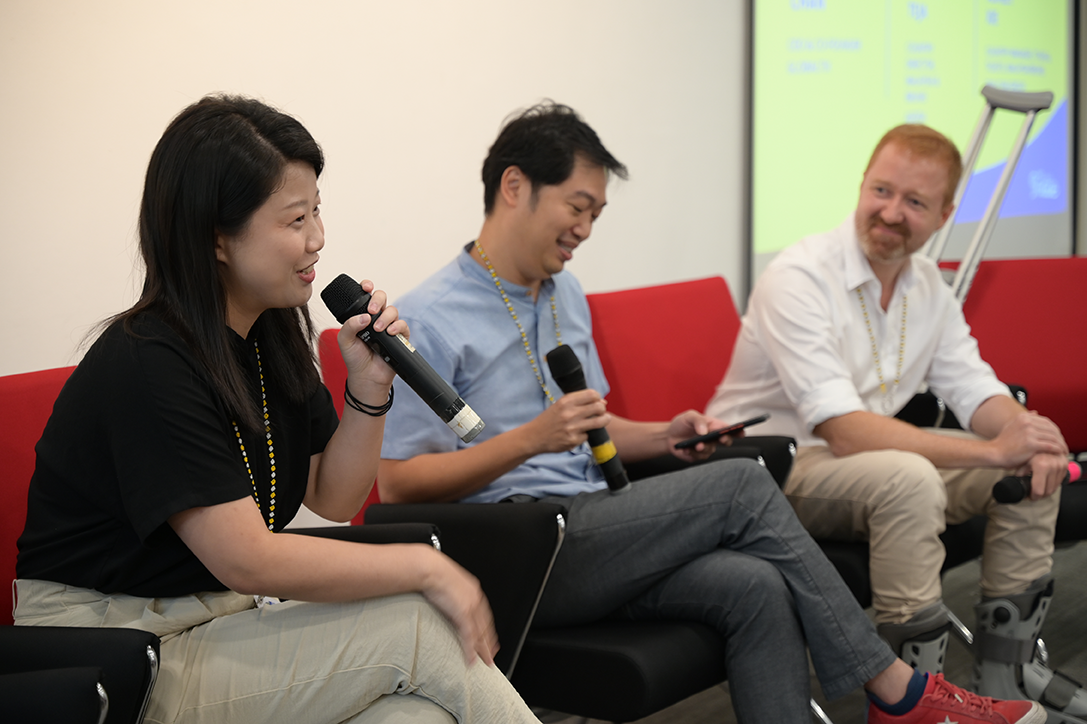
“I do think it is amazing when we have industry players wanting to join us,” said Ashley Xie. “That means the industry is profitable.”
“Yes, technology makes the space fluid and complex,” emphasised Teja.
“My advise would be if all of that, for some reason, fails, always go back to the essentials. Look at your competitors, look at the price, look at your content and the reviews. If you get this mix right, then a lot of it will start working by itself.
“The demand is there, coming back locally and internationally. So the customers are, in principle, there. It’s about capturing them.”