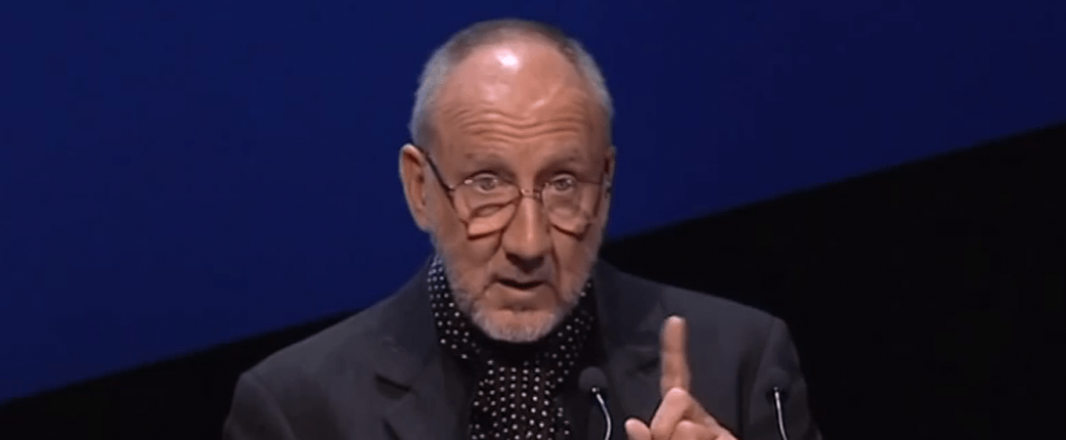
In his John Peel Lecture of 2011, Pete Townshend of The Who called iTunes a “digital vampire”, saying it was bleeding artists with its enormous 30% commission.
He then went on to give some tips as to how iTunes could create a better world for all – unearth new, good music through editorial guidance, give them financial support, nurture them, market them actively, publish them and distribute.
When I heard his lecture through a podcast, I couldn’t help but think how similar that is to travel specifically hotel distribution. Could the giant OTAs – Booking, Hotels.com, Expedia – be considered “digital vampires” as well? Charging enormous commissions for rooms sold.
Of course, their argument – and I am sure it’s iTunes’ as well – is their power of distribution. We help you reach more customers than you possibly could on your own and we spend a lot of money – billions – making sure that happens, and so the commissions you pay are worthwhile.
But I wonder if we could move the discussion beyond commissions and if there could be a bigger, more guided, more benevolent role these giant distributors could play in the industries they’ve aggregated and now dominate?
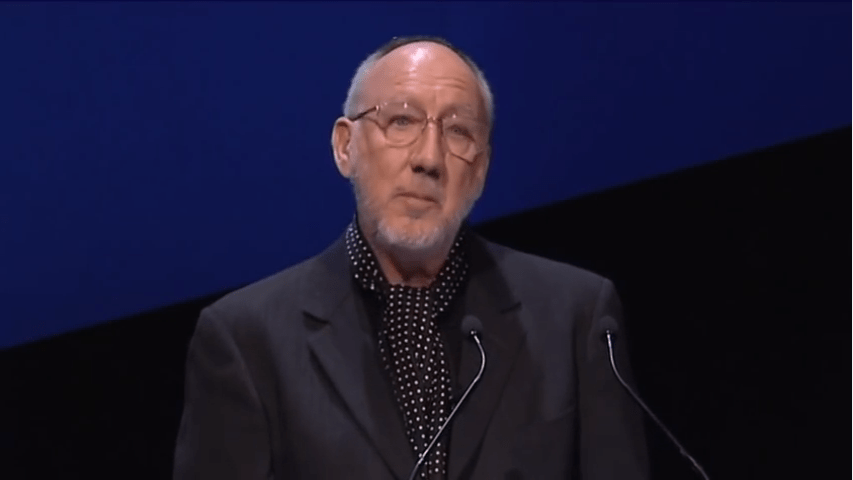
Townshend: “What creative people want is to know their music has been heard. They would prefer a response that was constructive than a positive or negative review. They would prefer expertise to opinion. They would like to know the public if they had a chance to hear the music, also had a chance to make up their own minds. They would prefer that in the long term the public were willing to pay for their music.”
Townshend’s argument is that music publishing should be like the music industry banking system from which active artists received these things – editorial guidance, financial support, creative nurture, manufacturing, publishing, marketing, distribution and payment of royalties (banking).
iTunes offers only the last two items as a guarantee, distribution and banking, with some marketing thrown in, he said.
For me, his most powerful point was on editorial guidance. He asked iTunes to “employ 20 A&R people from the dying record business”.
“Have them respond to tracks sent in from new artists. If they feel the artists are bad, or aren’t ready, say so. But have them tell the truth, kindly and constructively. Guide them to other helpful resources, don’t just send them to the wolves of Blogland where it seems to me a lot of the vilest bile comes from people who could be drunk, or just nuts.
“20 John Peels inside Apple – imagine it.”
The late John Peel, a BBC 1 radio deejay, was revered for his talent in discovering new music and playing them even if initial public feedback was bad – “an almost unconditional conduit between creative musicians to the radio audience”.
What he was suggesting was a blend of human intelligence with machine learning. So work that’s not only measured by algorithms but also by expert, trusted and “unconditional” human tastes. So hotels that are not only listed on OTA websites by analysing TripAdvisor and Google data but by human experts on the ground who have a good feel for what consumers may want.
Imagine then if these giant OTAs picked a handful of new, hidden gems “with editorial guidance” and took the time to support, nurture, market and distribute them actively – not just list them along with everyone else.
I guess you could argue that’s the job of the curated OTAs – to uncover hidden gems – but again they seem to be more passive distributors than unconditional, active nurturers of new voices. You could also argue music is a commodity, but so is a hotel room these days.
What I liked best about Townshend’s idea was the blend of human and machines – 20 John Peels in iTunes – and I believe that as we move farther and farther into the outer reaches of where technology could take us – including crazy valuations of tech companies – we need more of that human touch to temper us, to keep us real.
So take a look at what Facebook is trying to do with its Messenger app and its AI application, M.
According to this article, “M isn’t just artificial intelligence. Facebook has contracted real people to help M answer people’s requests while teaching the technology how to handle them automatically in the future.
“M is still in early beta testing, so it’s hard to assess just how well it accomplishes this grand ambition. But if it works, Facebook may have developed a product so useful yet so complex and resource-intensive that it could differentiate Facebook Messenger in a way its competitors can’t or won’t follow.”
M, the writer says, “combines the power of a world-leading artificial intelligence lab with the dexterity of humans Facebook can afford to hire and the scale of its 700 million user Messenger app.”
I don’t know if this is just more hyperbole but I’m glad to know there is a role of us humans still in this new tech-driven world. It’d be good to know that some form of John Peelism can survive on the Internet.