According to JWT Intelligence’s annual The Future 100: 2020 report released this week, the year will see ten key trends unfold in travel. Many of the trends identified seem to combat the less desirable aspects of the industry – namely over-tourism and its negative environmental impact – highlighting the growing consciousness of the consumer and the pressure on travel companies to reform age-old practices.
“Biocontributive travel” – working towards zero impact travel
Firstly, the report identifies the rise of “biocontributive travel”, referring to how the industry is gaining momentum in seeking out carbon-positive initiatives. It cites Norway’s success with its creation of an “energy positive airport” by powering Oslo Airport City with renewable energy (and selling surplus energy to surrounding buildings and communities). The airport also plans to transition to all-electric vehicles by 2025 and conduct all short-haul flights in and out of the country on electric aircrafts by 2040. Another example is Scandinavian Airlines, which has stated plans to invest in biofuels and emerging technologies that will help it reach carbon neutrality.
It demonstrates how travel companies are not just under pressure to reduce their impact but to eliminate it altogether. They must develop new and alternative business practices that enable them to still operate successfully, without it coming at the expense of the planet.
Gated tourism paves the way for luxury travel
With the aim of mitigating over-tourism as well as protecting significant natural and cultural sites, new regulations are taking hold that either control the volume of visitors or even ban them from entering entirely.
Last year, Australia permanently closed Uluru out of respect for the Anangu people who regard it as a sacred site. However, its impending closure resulted in a tourism spike (an increase of 70,000 visitors in the year following the ban announcement). At the end of 2018, Amsterdam removed the “I Amsterdam” sign to reduce overcrowding. During the Netherlands tulip festival, areas are now fenced off to reduce the trampling of flowers, and local tourist offices have begun using ambassadors to teach visitors about the history of the fields and how to respect them properly.
It reflects how consumers still have a long way to go in fully comprehending the gravity of their impact when travelling, and behaving accordingly.
This has paved the way for a rising form of luxury tourism, wherein destinations are setting “high-end hurdles for entry” to prevent unmanageable crowds. For example, last October, Indonesia announced a paid membership scheme that would grant tourists access to Komodo National Park for US$1000. Other areas are making sites accessible for limited time periods throughout the year, or issuing stricter ticketing policies that restrict access.
Luxury travel meets scientific expeditions
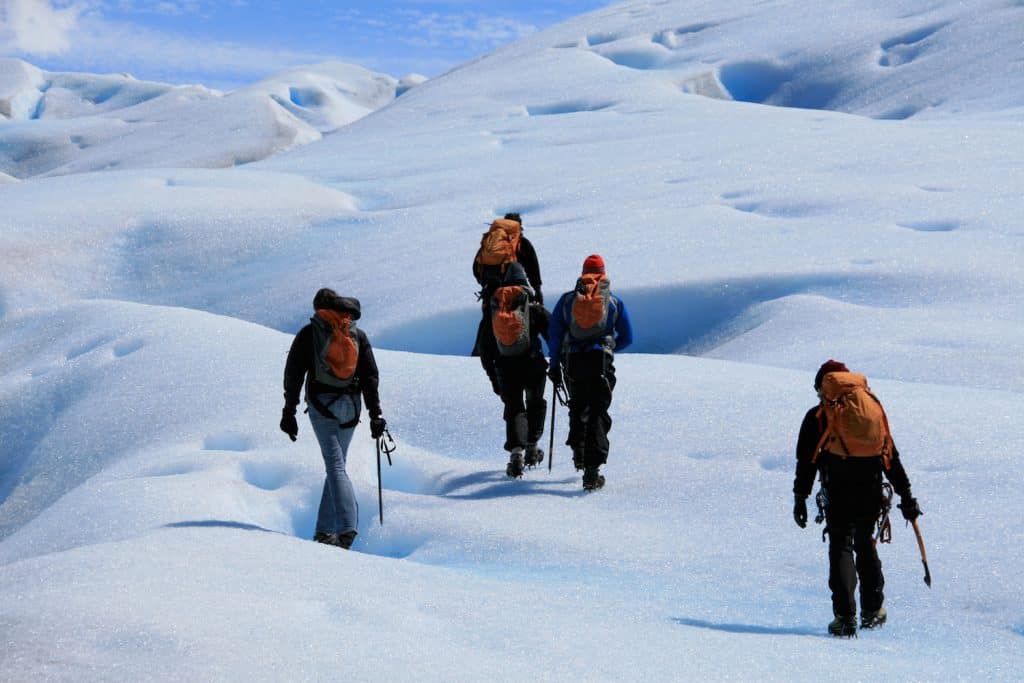
In December last year, Airbnb hosted a month-long “Antarctic Sabbatical” in partnership with Ocean Conservancy, to research the impact of microplastics on the Antarctic ecosystem. Marketed as a “vacation with a difference”, the expedition sought out travellers willing to challenge themselves by taking experiential travel to another level. The expedition had only five available slots, positioning it as a once-in-a-lifetime and highly exclusive experience.
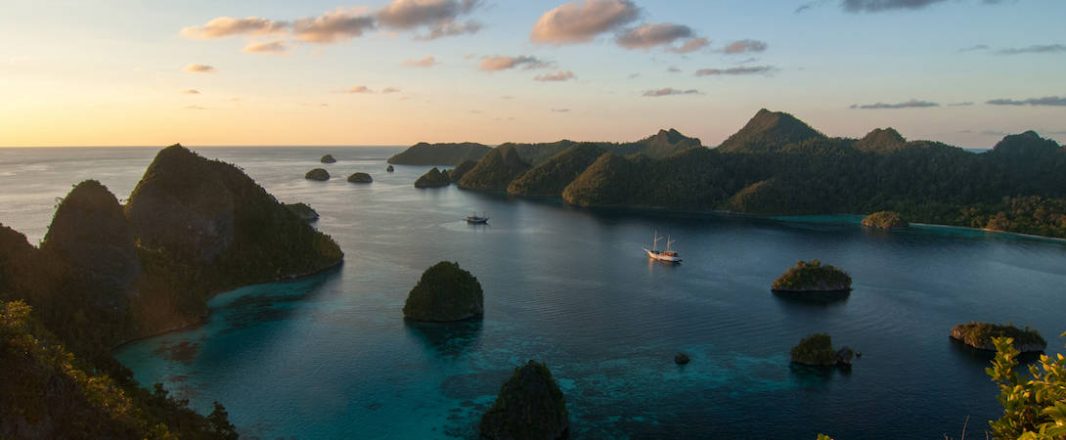
However these expeditions don’t come cheap. Luxury Action also devised excursions to the North Pole, starting in 2020, to experience the impact of the climate crisis, is charging US$100,000+ for the experience. Rascal Voyages also devised a series of “luxury research” expeditions in partnership with Conservation International Indonesia to let guests experience any ‘scientific breakthroughs’ that occur during the voyage on its fleet of luxury phinisi yachts.
These examples reflect a shift in the demands of luxury travel from providing guests with top tier creature comforts to giving them exclusive access to new forms of “purpose-driven” adventure.
The rapid rise of slow travel
There has been a rising demand for “slow travel” wherein travellers are demonstrating a preference for prolonged journeys that let them exercise greater “mindfulness” when moving from A to B. It is also influenced by the “flight-shaming” movement in Europe, popularised by climate activist Greta Thunberg, which discourages people from relying on air travel as a convenient transport option.
This has led to resurgence in the demand for rail travel, which has also inadvertently encouraged travellers to explore places beyond main tourist sites. For example, Klook’s partnership with JR-West will work to spread tourism beyond Tokyo, Kyoto and Osaka, particularly during Japan’s Olympic year. It also signed partnerships with Rail Europe, Korea, Taiwan and China Rail, coupling train tickets with its tours and activities offerings on a single platform.
Farm-to-plane dining
Airline catering is also facing an overhaul as passengers demand more health and wellness-focused meals that offer fresher produce and greater nutritional value.
In an effort to address this demand, Singapore Airlines has partnered with AeroFarms – a hydroponic farm company based in New Jersey – to provide some of the vegetables on its “farm-to-plane” menu on flights between Newark airport and Changi airport.
Emirates has also begun working with food startup Crop One to build the word’s largest vertical farm in Dubai, introducing produce into its in-flight menu as of December last year.
SAS has announced initiatives to look at compostable packaging, reduce waste, as well as making plant-based meals using seasonal produce the default for all passengers, so that meat options are available at request only.
Thus, consumers are demanding greater quality services across virtually all aspects of the travel experience, including the notorious in-flight meal. Importantly they expect these demands to be met in a way that is compatible with maintaining sustainable business practices.
Images: Getty Images