A new Airbnb report shows that South Korea’s global cultural influence is driving travel demand to Korea and shaping a higher-value segment of travellers who spend more, stay longer, and seek deeper cultural experiences.
Key takeaways:
- K-culture influenced 94% of visitors and potential travellers’ interest in visiting South
- Culture-driven travellers spend more, stay longer, and travel in
- Interest to go beyond Seoul is growing, and accommodation is key to unlocking
According to the report, Korea Calling: How K-Culture Is Driving a New Generation of Travelers into Korea, 94% of respondents from APAC and the US said K-culture has influenced their interest in travelling to Korea. This influence is especially pronounced among younger travellers, with 80% of Gen Z and Millennial respondents citing it as a strong factor, compared to 64% of those aged 45 and above.
Lyla Seo, Country Manager of Airbnb Korea, said: “K-culture has become a powerful entry point for travel to Korea, and more than that, it is shaping how people want to travel. What we’re seeing is a new generation of travellers who are more engaged, stay longer, and want to experience Korea more deeply. The opportunity now is to ensure that this demand translates into meaningful travel across the country, by expanding access to local stays and experiences beyond the most-visited destinations.”
K-culture is driving higher-value travel
K-culture – from food and film to music and beauty – is converting global audiences into high-value travellers. The report found that those strongly motivated by K-culture spend around USD 435 more per trip on average, with more than half (55%) spending or expecting to spend over USD 2,000 per trip excluding flights. They are also more likely to travel in groups: 68% travel or plan to travel with friends or family, compared to 58% of those not strongly motivated by K-culture1. Airbnb data appears to point in the same direction, with bookings for stays of 2–6 nights by APAC and US travellers outpacing single night stays from 2023 to 20252.
This cultural engagement also shapes how travellers want to experience Korea once they arrive. 91% of respondents say experiencing authentic local culture is important1, and where they stay plays a key role in enabling that. Among those who chose homestays, 65% did so to stay in a local neighbourhood1. Hanok bookings on Airbnb by APAC and US travelers also grew 49% from 2023 to 20252, highlighting rising demand for accommodation that is part of the cultural experience itself.
Gen Z and Millennials are driving the next wave of travel
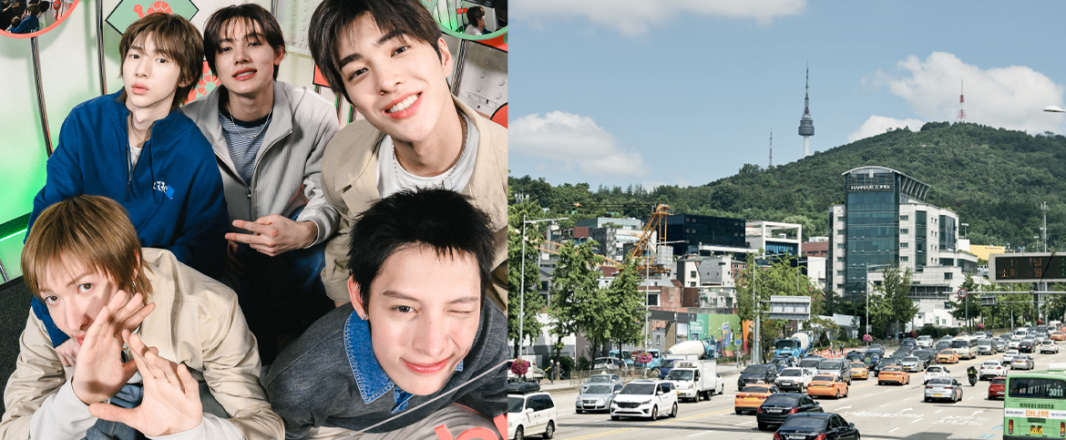
The pull of K-culture is strongest among the younger generation, and they are particularly influenced by entertainment and pop culture. Gen Z respondents were nearly twice as likely as the general population to cite K-pop as a primary motivator (36% vs. 26%), and more likely to prioritise related activities such as concerts, themed destinations, and fan experiences. On Airbnb, this is reflected in the way it creates K-pop and culture-led experiences for fans, including its recent collaboration with CORTIS to translate the group’s creative universe into a physical pop-up in Seoul.
For this cohort, accommodation is also a make-or-break factor. More than half of Gen Z and Millennial prospective travellers (53%) say the availability of homestays, Airbnbs, or similar accommodation influences whether they book a trip at all, compared to 35% of those aged 45 and above1. This makes accommodation availability a deciding factor in whether a trip happens at all.
Demand to go beyond Seoul is there, but accommodation is the gap
The report also highlighted growing interest to go beyond Seoul, with 79% of respondents having visited or wanting to visit destinations outside the capital. K-content is a key driver, with 74% of those who went or are interested in going beyond Seoul saying K-dramas or films influenced that interest.
Despite this, 66% of visitors surveyed stayed in Seoul for most or all of their trip1. Accommodation availability is a significant factor, with 83% of prospective travellers saying their decision to go beyond Seoul depends on suitable accommodation being available outside major cities1. This suggests that while demand to explore more of Korea is there, converting that intent into actual travel will depend on expanding access to accommodation beyond the capital.
With 82% of respondents saying they are likely to visit Korea in the next five years1, bridging this gap between inspiration and access will be key to sustaining long-term tourism growth and ensuring more communities benefit from it.