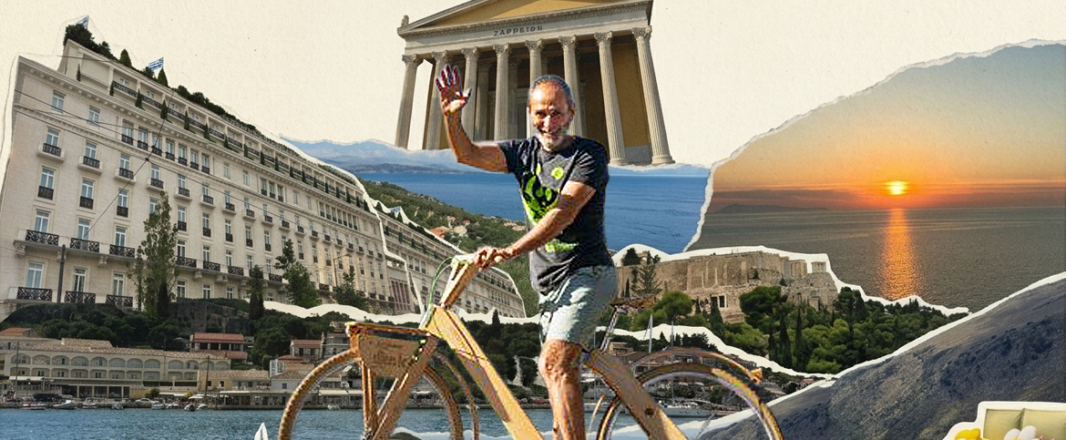
Landing in Istanbul en route to Athens, I had six hours to kill at IST. Turned out not to be a problem.
The largest airport in Turkey, the second busiest in Europe, and the largest privately-owned airport operation in the world – it is impressive. Massive, in fact. Generously spaced retail, well-curated, well-designed. The Turkish Airlines lounge feels less like an airport lounge and more like a lifestyle resort – live cooking stations, a bakery, coffee corner, and massage therapists who come to you.
IST was packed with travellers crisscrossing to all corners of the world. And here’s what struck me as surreal: at least two wars going on, on either side of this crossing between East and West, and yet the crowds moved through it all with the purposeful, ordinary momentum of people who simply have somewhere to be.
Travel is resilient. We say it often enough. But when you’re standing inside it, you feel it differently.
Travel is also deeply, stubbornly physical. For all the talk of AI, we still have to move our bodies from place to place. No avatars to do that for us. Not yet. So, if you’re connecting at IST – allow plenty of time. Your gate will be very, very far away.
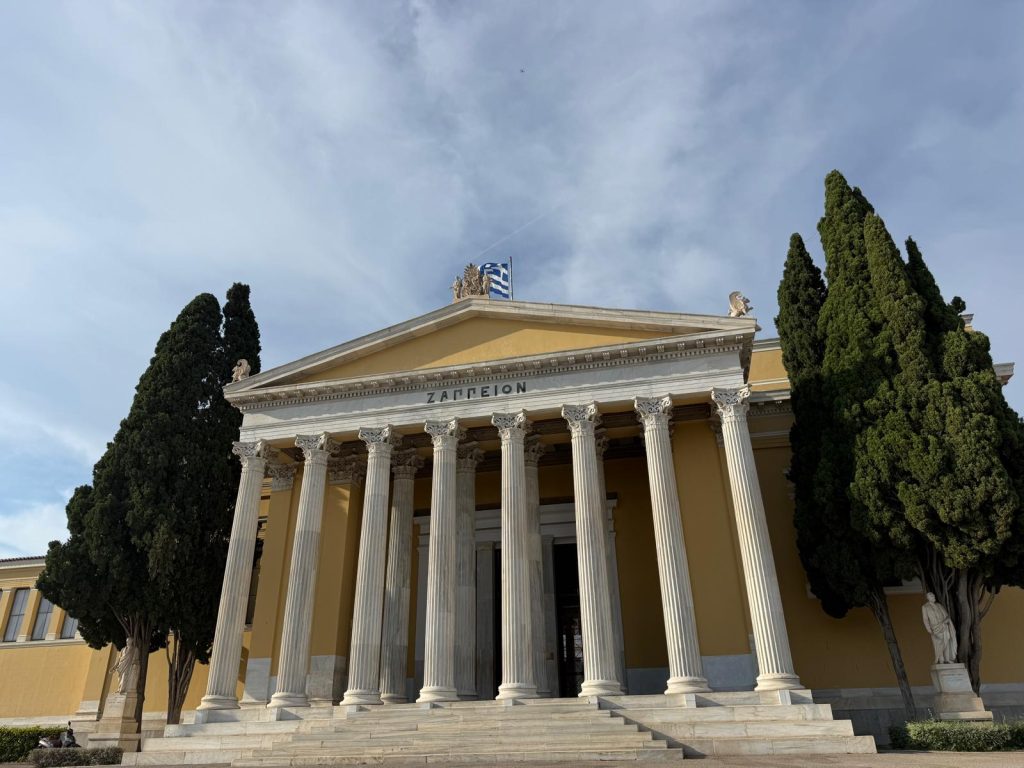
I was visiting Athens for the first time. One of those cities I’d somehow kept skipping. I’d been to Crete before – a charter flight from Switzerland, a typical European package holiday on a Greek island – and it hadn’t exactly left me hungry for more of the same. This time was different. I was travelling solo, and a local friend had recommended two boutique hotels to book-end my visit.
The pull? Both were owned and run by COCO-MAT, the biggest maker of the best beds in Greece.
A bedmaker turned hotelier. It so makes sense, given all the fuss these days about sleep science. I was intrigued.
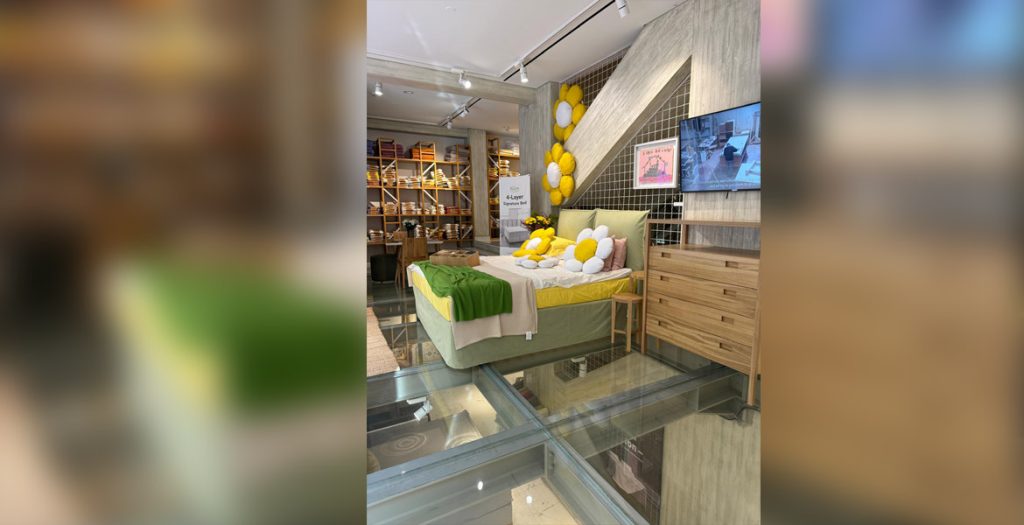
COCO-MAT, Athens
When the taxi pulled up at COCO-MAT Athens, I thought he’d made a mistake. It looked like a furniture store. Turns out that of the five COCO-MAT hotels in Greece – four in Athens, one in Santorini – this was the first to combine retail and hospitality under one roof. The founders had the chance in 2016 to buy the building where their store was located and simply added a hotel to it, I learnt.
Even though I’d booked through Booking.com, they greeted me warmly and upgraded me to a loft suite without a word about OTA bookings or loyalty points. They carried my bags. They said: we’re here for you 24/7, anything you need.
It’s been a long time since I experienced such easy, uncomplicated kindness, never mind the channel I booked.
And yes – the bed. Beyond heavenly. I slept like a baby. No jet lag. Honestly, the most comfortable bed I have ever laid my weary head on.
COCO-MAT was founded in 1989 by brothers Paul and Mike Efmorfidis, out of a dream to create healthy, natural sleep systems. No metal springs, no synthetic chemicals. Instead: coconut fibre, seaweed, natural rubber. Manufacturing is centred in a near-net-zero facility in northern Greece. Each bed is made up of four layers of natural fibres. Each one costs approximately $10,000, so I was told at the store.
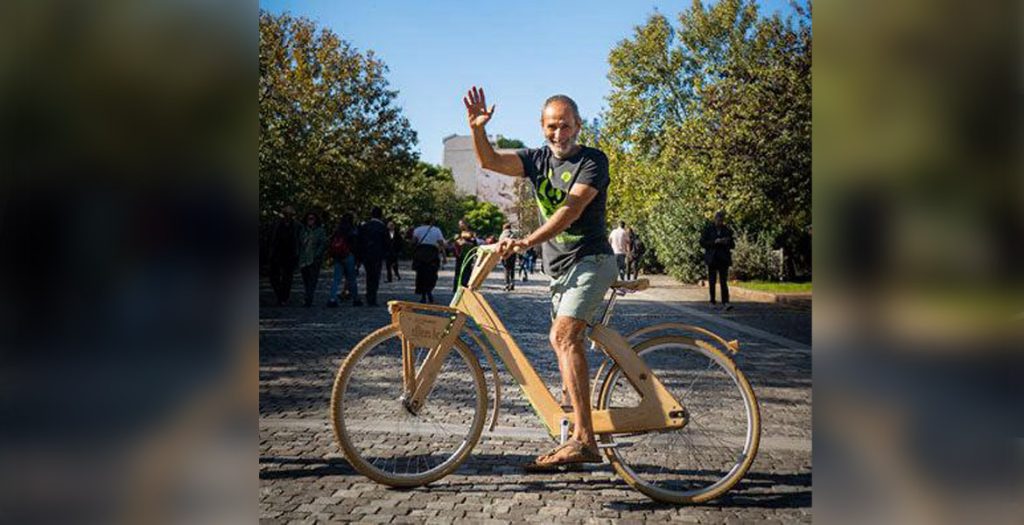
Paul Efmorfidis, co-founder of COCO-MAT. Image courtesy of COCO-MAT
Beyond hotels, they’ve also expanded into wooden bikes and Paul Efmorfidis in a podcast, says, “When the tree dies, I want to ride it on a bike, travel with it and finally see the world.”
At the store, I met Dimitri, who has been with the company 16 years, and Anna, the very first employee, 36 years in. She smiled shyly as I paid for my purchases which came with a guest discount.
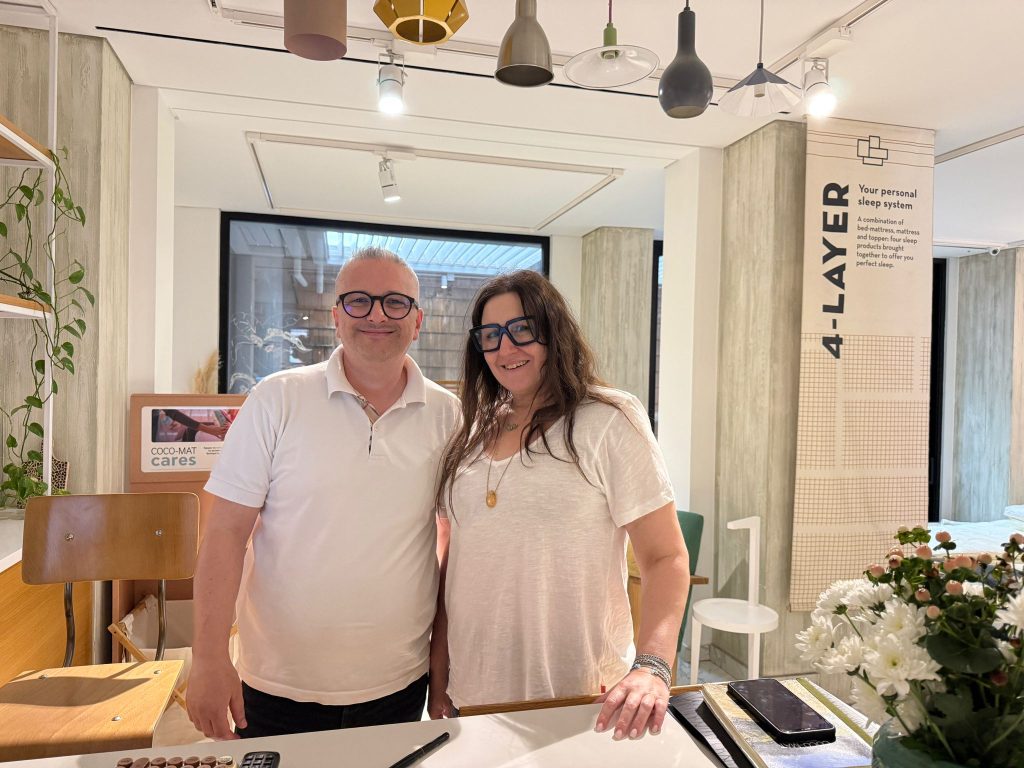
Dimitri and Anna
Rather sad to leave my bed after just one night, I flew to Corfu. We had booked a villa in one of the quieter bays – location matters in Corfu; get it wrong and you end up surrounded by crowded beaches and, with the season just beginning, caution was wise.
The villa came with COCO-MAT beds and furnishings. I felt at home immediately.
Corfu is, as I was told repeatedly, a second home for a lot of Britons. Of the 100,000 people on the island, almost 10% are British. It was part of the English empire once, and the DNA lingers. Albania is visible from shore, close enough that your phone sometimes sends a welcome-to-Albania message from a roaming network. And you feel like you’re in Italy when wandering through the old town of Corfu.
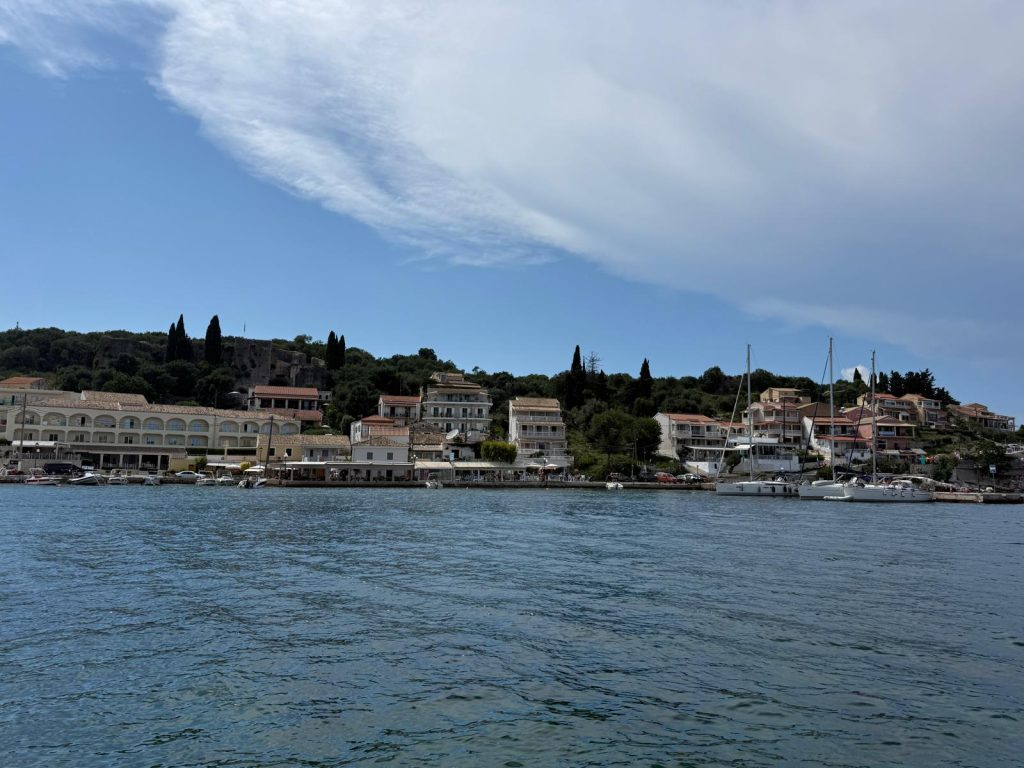
Corfu is sand, sea, sun, and intensely seasonal. Thanos, who owns and manages our villa, works without pause from late May to early November and then does absolutely nothing for the other six months.
I raised, almost thinking out loud, whether Asian travellers might fill the off-peak gap – we are not as drawn to sand, sea and sun and the seasonality of our own travel patterns might be a natural fit for Greece’s shoulder months. Thanos looked at me as if I had suggested something crazy.
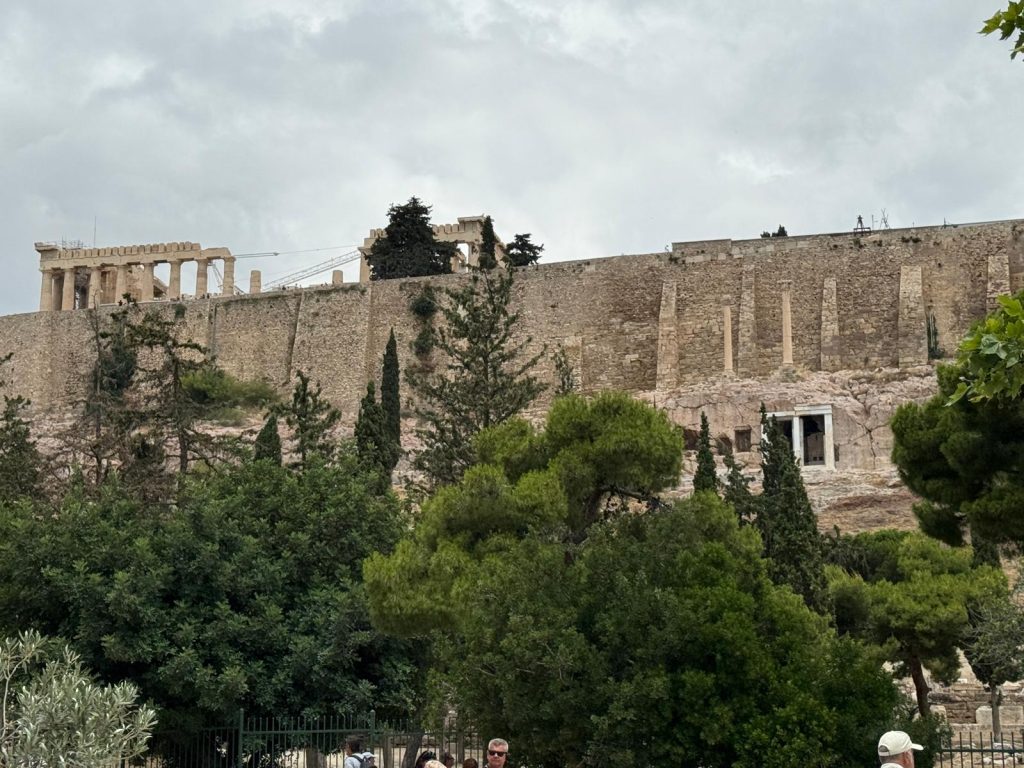
And honestly? I’m not sure I don’t envy him. Work furiously for six months, do nothing for six, versus working furiously all year and spending two weeks trying to do nothing in places like Corfu.
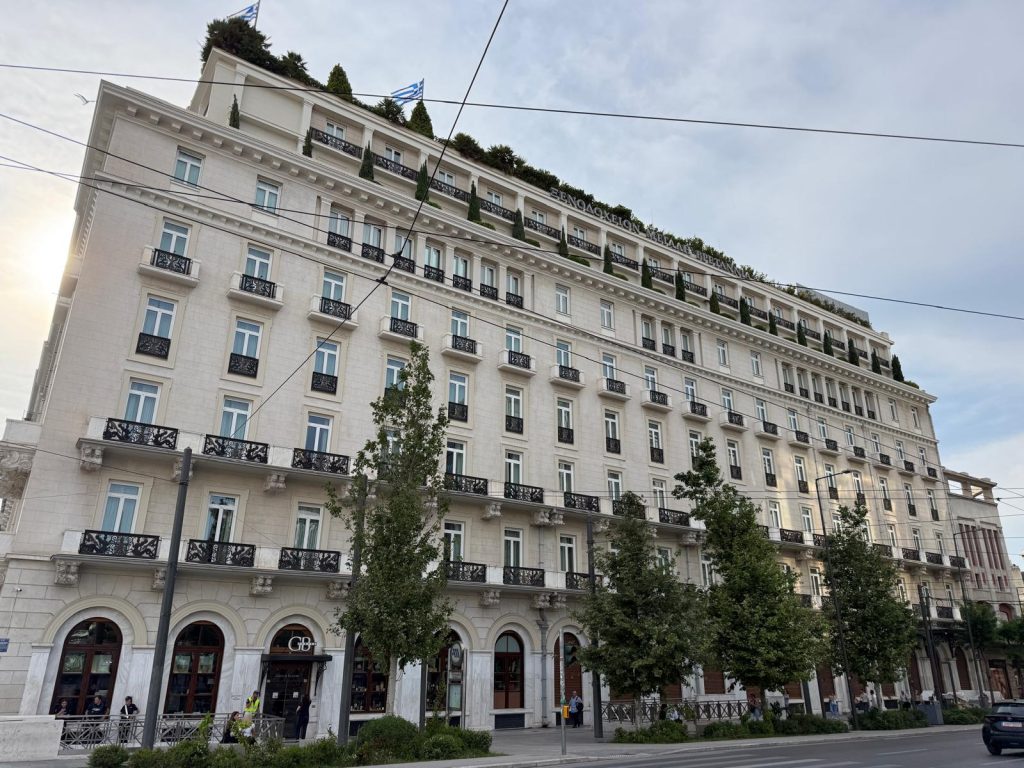
Back in Athens for the weekend, I stayed at COCO-MAT Jumelle, just a few blocks from the first hotel. No store, but a wellness area – pool, gym, massage. The bed was the same. So was the warmth.
At Phocuswright Europe in Barcelona the following week, someone asked Ksenia Tarasova, CRM & Brand Loyalty Lead at Penta Hotels, what the real moat was for hotels in an era when discovery was being claimed by tech gatekeepers. Her answer was simple: “In the end, all we have left is our service.”
I thought of COCO-MAT. I thought of Dimitri and Anna and the people who carried my bags without being asked.
If your service is personal and kind, your guests will always find their way back to you, never mind however the front door of travel keeps changing.
Now, I need to figure out how to get a COCO-MAT bed shipped to Singapore.
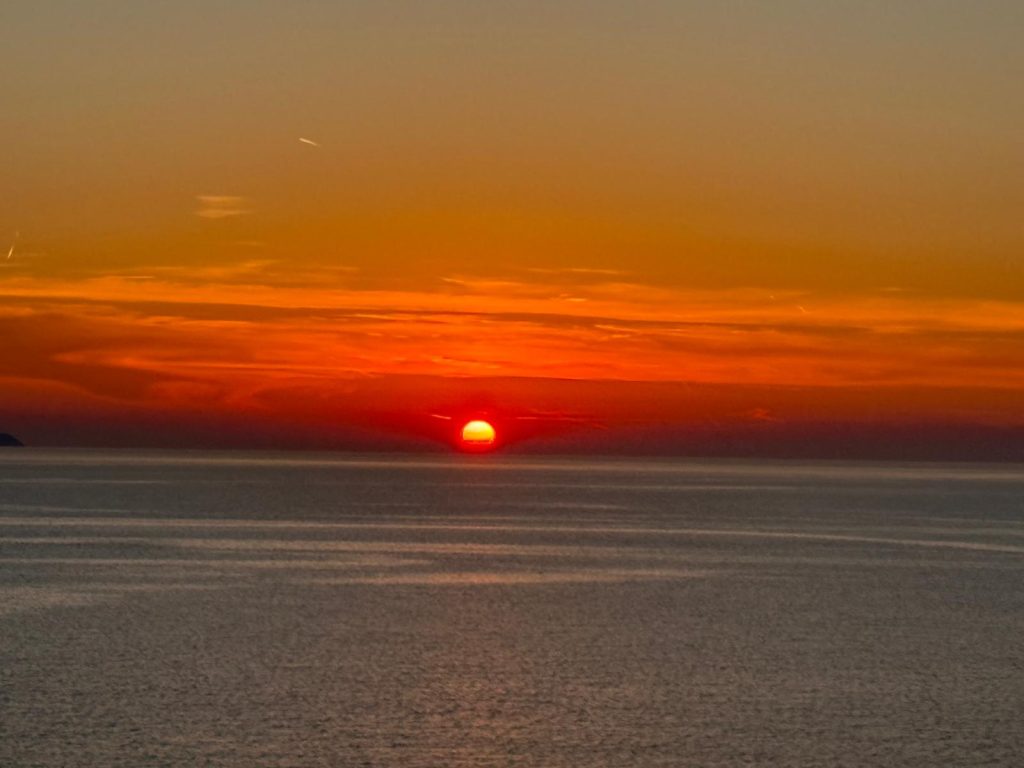
Crimson sunset in Corfu