The travel industry is living through its most unsettling moment in 30 years since the Internet. AI is redrawing the front door through which travellers enter the funnel. Jobs are being reconsidered, business models questioned, and in classrooms from Singapore to Cape Town, students are asking the question no one has a clear answer to yet: what do I even study now?
And then there’s the Middle East conflict that’s affecting everyone, from Grab drivers in Singapore to Uber drivers in Cape Town.
With all these questions whirling in my head, I came to host our third WiT Africa at Innovation City and found my grounding in Cape Town.
There’s something about being at the southernmost tip of a grand continent that brings clarity.
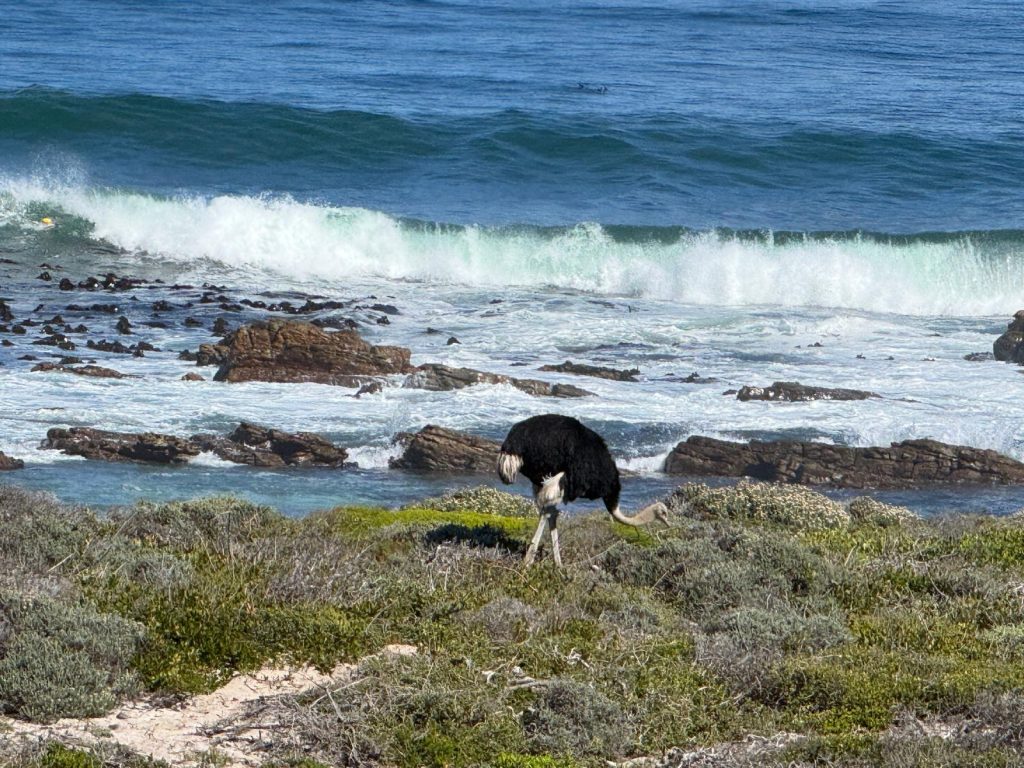
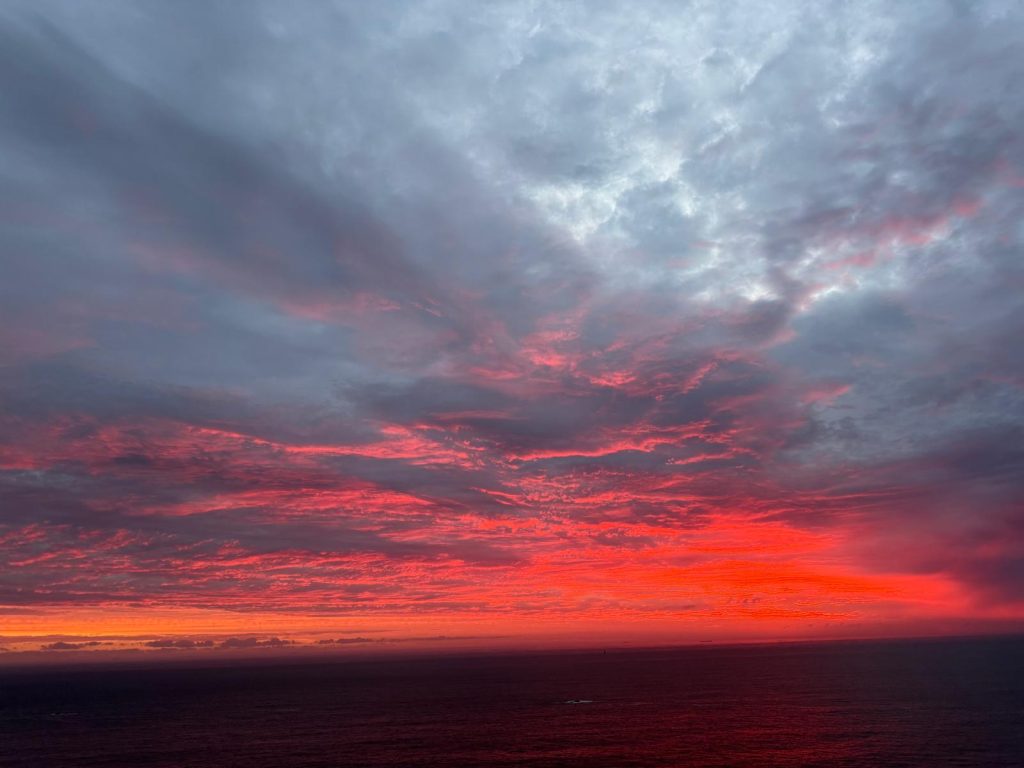
Perhaps it’s the closeness to the raw beauty of nature. I wake each morning to the sound of the ocean and end each day with a sunset that’s different every time. It’s extraordinary how the same sun can produce such spectacular effects, no special effects required.
I walk each morning along a rugged coastline of steps and cliffs, and brush past walkers, joggers and climbers, and I meet them later at cafes, sipping their oat lattes and having smashed avocadoes on sourdough toast. Yes, I could be in Singapore but no, I am definitely not.
Coming from Singapore, where nearly 100% of nature is man-made, there is a particular joy to be in a place where nature answers to no brief.
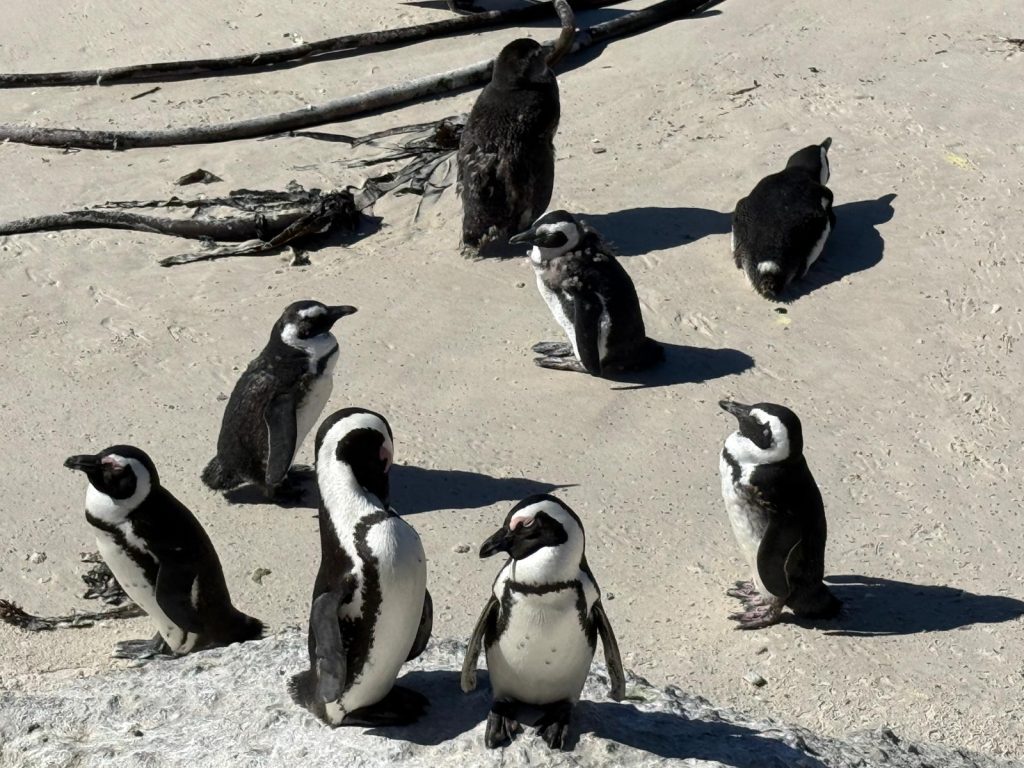
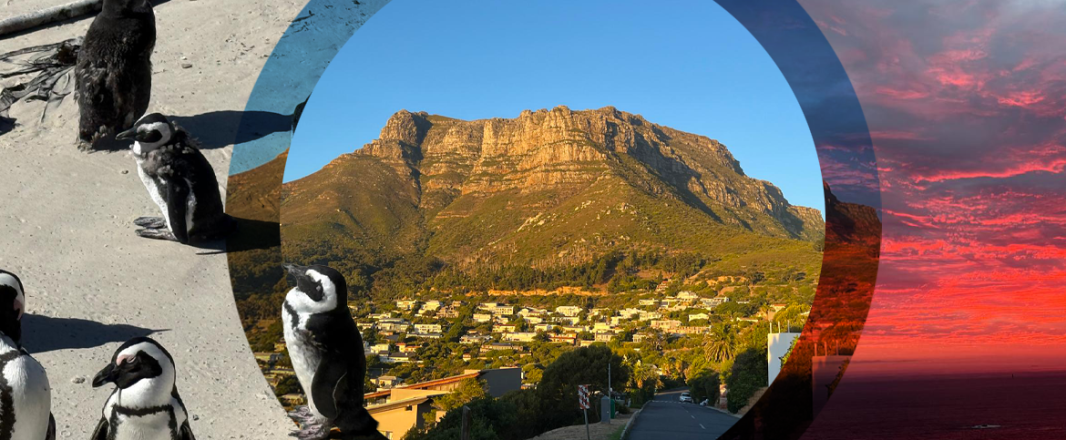
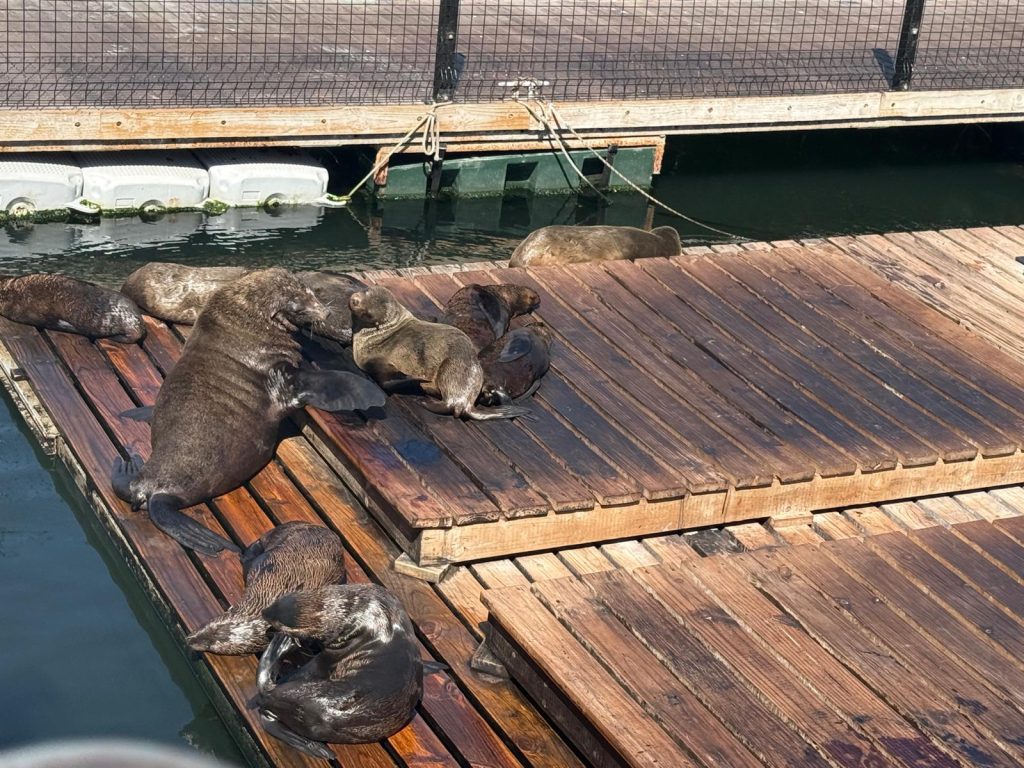
At the V&A Waterfront, right beside a shopping mall, seals sleep, splash and bark – dogs of the sea, entirely unbothered. On the drive to Cape of Good Hope, we stop for penguins at Boulder Beach and spot a lone zebra on the hillside. I briefly wondered if it was AI-generated. It looked so unreal yet real. Apparently, zebras are rare in these parts.
This place reminds you what is primal and what is not. The ships wrecked on the rocks at Cape of Good Hope over the centuries are proof enough of that.
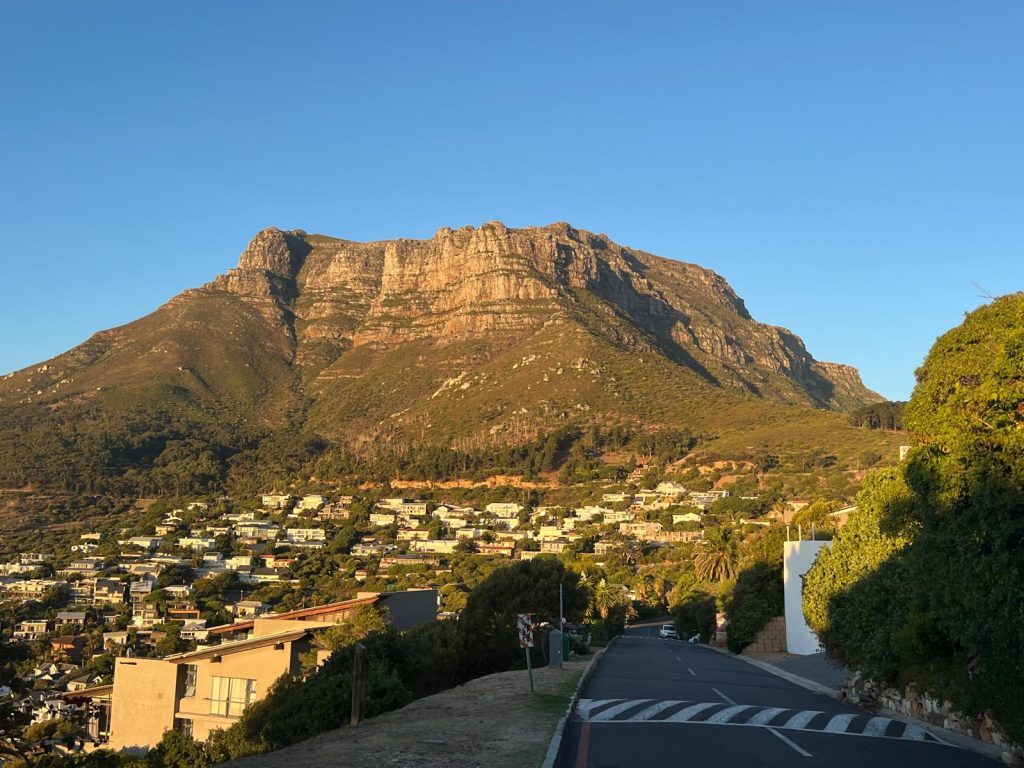
But the thing that grounds Cape Town is Table Mountain. Ancient, solid, indifferent to the news cycle. Unmoving.
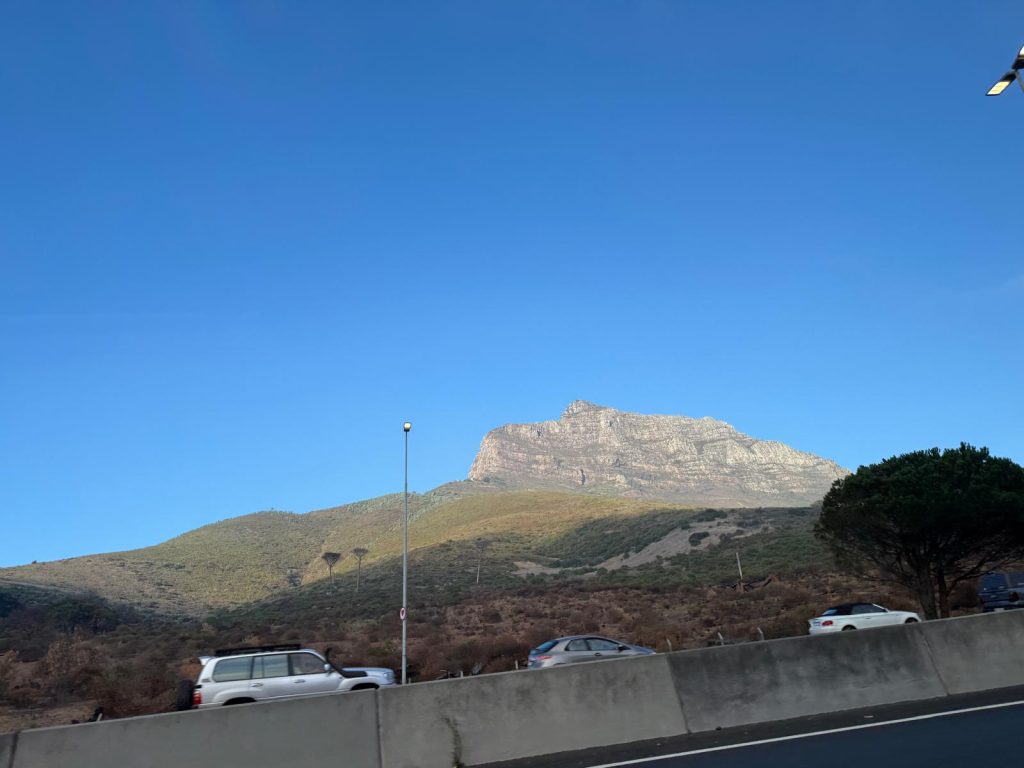
Which is why, when Craig Hewett spoke about his relationship with the mountain during our on-stage interview at WiT Africa, I found myself nodding before he’d finished the sentence.
The Capetonian co-founder of Wego remembers being dragged, as a child, to places where the mountain would disappear from view. “I’d be screaming and kicking,” he said. “Table Mountain was my security blanket. When you’re young, your life is chaotic but then you have this mountain that’s always there. Whenever I am stressed, unsure, I look at it and I am okay.”
Here is a man who has built and navigated a travel company across decades of disruption – the financial crisis, a pandemic, the AI inflection point and now the Middle East conflict – and what keeps him oriented is a mountain.
I think there’s something in that for all of us in this industry right now.
The disruption is real. AI will reshape how travellers search, plan and book – that shift is already underway. It will kill some jobs and create new ones we haven’t named yet. Aaron Fuchs from iXperience, which runs study programmes for young people, put the anxiety plainly at WiT Africa: what do you prepare them for, when the ground keeps moving?
The answer, I suspect, is not to find ground that doesn’t move – that doesn’t exist. It’s to find your Table Mountain. The thing that holds when everything else shifts.
On the drive to the airport, clouds were gathering – the rain Cape Town had been withholding all week finally arriving to see me off. On one side, the full moon slipped out from behind the clouds. On the other, Table Mountain stood where it always stands.
It seemed to be saying: it’ll be alright.