Insight Out Consultancy has launched its “Life After the Pandemic” report, looking into consumer perceptions of how social, travel, and business practices would change as a result of the Covid-19 pandemic. The global survey was carried out on 2912 consumers, predominantly from the MENA region.
Overall, the report highlighted that travel may never quite resume to what it once was, but that there are areas of optimism to look forward to. “The majority of respondents in this study expressed concerns about the effect of this pandemic on the economy and on the health of our society as a whole. But certainly, there are lessons to be learnt,” it concluded.
“Our main objective of the survey is to support the travel and hospitality industry with relevant data and acquire key insights to assist in their recovery strategies,” said Mona Faraj, Founder & Managing Director Insight Out.
Here are some of the key takeaways:
The itch to travel is strong, domestic travel may get its hay day
Once restrictions on mobility and social distancing measures are relaxed, 88% of respondents said they would do something social – 80% would go out, and 60% would like to visit family and friends. Nevertheless, social behaviours won’t simply revert to what it once was.
“The form in which we live or experience social interaction, as individuals and as a society, is the most evident change we are going to witness. This new view will impact a wider spectrum of our day-to-day actions, routines, and rules,” stated the report.
59% of survey respondents said they’d like to be “social but cautious”, preferring smaller crowds. 30% wanted to return to normal entirely, while 12% said they’d like to maintain some level of social distancing as a new norm.
As people look towards organising mini getaways, the report suggests that the types of activities people want to do demonstrate that many still want to exercise some social distancing precautions before things fully return to normal.
Similarly to other markets, the report states that there will likely be a rise in domestic and overland travel, as people gradually return to normal life (especially before travel bans are lifted). For example, 10% of respondents said they would consider a staycation over international travel, suggesting businesses should prepare to tap into a small but potentially promising market.
Transparent hygiene standards will become the new norm
“The most evident change we are going to witness is how we socially interact, how we choose products and services and possibly, the rules and regulations we will have to comply with when conducting business or travel,” said the report.
People will be less likely to travel unless they have the assurance that all necessary measures are being taken to make it safe. The report suggests people will likely await official statements from bodies like the WHO or government bodies before travel resumes.
Fortunately, 69% of respondents said they felt confident about being able to travel – though 51% said they would still take extra precautions. The remaining 31% reported low levels of confidence, saying they would not be comfortable with travelling until it is considered totally safe.
This has strong implications for how the international leisure travel market will rebound. Despite ‘holiday travel’ potentially being slow to return, “essential inter-regional travel” would likely rebound much faster.
For example, 48% of respondents (mainly expatriate) expressed a desire to return to their home countries once restrictions lift, while 52% wanted to travel to their favourite holiday destinations (primarily to Europe).
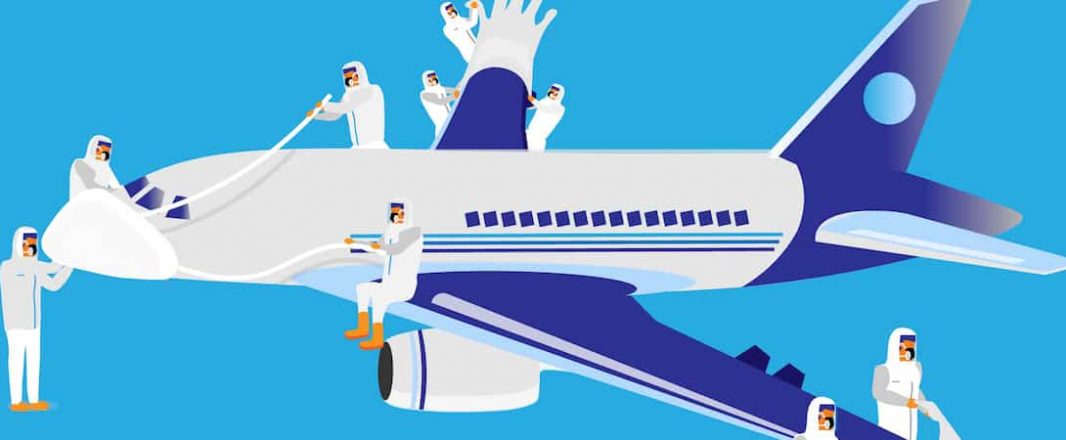
However, when it comes to planning and booking travel, hygiene and sterilisation factors will become new norms, in terms of how consumers assess different brands.
“78% of our polled respondents would consider hygiene and sterilisation as factors in their future selection of products and services. This would extend to travel decisions such as selecting a car rental company, hotel, airline and even a destination.”
Only 8% said hygiene and sterilisation standards would not influence how they assess different travel services.
Business travel may take a backseat
Of those respondents that travel for business, 76% said they would travel for work the moment they are required to. However, almost a quarter (23%) said they would seek out alternative methods if possible. The increase in virtual work would continue, stated the report, as businesses continue to use online resources like Zoom and GoToMeeting, and partake in online events.
Will it impact company policies on remote work? Perhaps for some – 53% said they would return to company offices once it was declared as safe, while one third would ask for more flexible hours. Only 15% said they would prefer to continue to work from home.
“Before this crisis, remote work was limited to certain type of jobs. After the pandemic, workers across all age and job spectrums will have sampled remote working, which may cause a change in our views of traditional home and office spaces.”
With regards to the pandemic’s overall effect, respondents took a fairly pessimistic view with 58% expressing worry about its long-term impact on the economy and that social distancing would become the norm. Only 14% felt confident the world would return to normal, with 28% saying it is too early to tell.
Nevertheless, the report argued, “One thing is clear: the end of the pandemic will be marked by celebration, at least in the mood. For some, they will seize the opportunity to travel far away from the home they’ve been isolated in for weeks. For others, this will mean having the chance to travel back to loved ones. In all cases, people will act in many ways to reaffirm their passion for life and go back to normal, albeit more precautiously.”
Lead image: Getty Images