 As with most of emerging Asia, the smartphone is transforming Vietnam’s travel market. Digital entrepreneur and marketing specialist Simon Christy, founder and CEO, of VEO Media, started Alehap.vn, a social travel platform, back in 2009 and has since the changes since the beginning. He talks to WIT about the latest happenings in the market in the run-up to the WIT Evening in Saigon on August 12.
Q: Let’s talk about the overall Vietnam market first. How is the Internet and smartphone influencing Vietnamese consumer behavior? Is e-commerce on the rise?
The digital influence is massive and is accelerating with the rapid increase in smartphone penetration. Some predict 50% penetration by the end of 2015, that’s 45 million people. What’s interesting is that the Internet has got out of the coffee-shop laptop user and is reaching into rural towns and provinces. Lazada (the online shopping platform) recently reconfigured their processes to give more focus and service to the provinces since that’s the next massive growth.
From a consumer point of view, digital access is bringing quality brands (especially fashion) into their hands that Vietnamese would normally have to go to Bangkok, Singapore to buy.
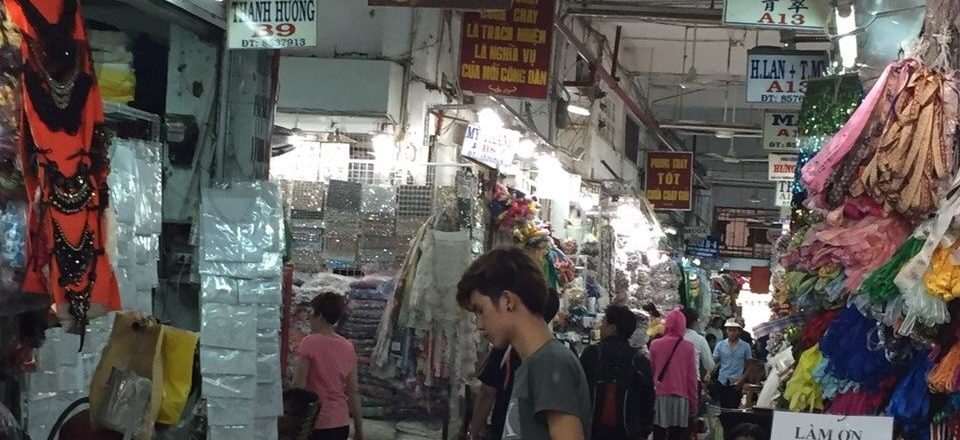
The top sites like Lazada and Hotdeal have led the charge, but for me it’s the mom & pop stores all over Vietnam that sell imported sneakers, high-street fashion, baby stuff… the real long-tail. That is the fuel underneath the boom. I know a shop on a side street selling men’s fashion, packed with young guys shopping like it’s the end of the world at 9pm mid-week, driven by social and w-o-m.
They are true “merchants” and use any which way to get cheap supply and promote, sell, deliver across the country.
Q: How is this impacting on the travel market? Are we seeing growth in Vietnamese buying travel online?
The way people travel and how they buy it splits by generation. 40+ will still go to their local high-street agent or one of the big-state owned brands to book a tour or flights. The younger generations are different, for a few years they’ve got used to Groupon-clone’s hotel vouchers, sites like Alehap, Ivivu making it easy and transparent to go independently. And of course the LCC’s (VietJet in particular) peppering the market with flash-sales liberates younger budget travelers. But that doesn’t mean the payment is made online! This is a market that’s changing but is not yet online in the way we know in more mature ecommerce markets.
Q: How are local OTAs competing against the foreign brands?
Agoda and Booking have great inventory but the local heavy-weight in hotel booking, ChuDu24, more than competes. It has a very localised service, processes which Vietnamese appreciate. In Alehap’s space (a full service of flights, hotels, tours-experiences), we’re adapting and changing our content/product/service all the time, to fit the current trends, so we’ve not had any difficulty establishing our brand and building a strong base vs foreign brands.
No question that starting an OTA is very tough but passionate entrepreneurs with ‘something to lose’ are fiercely competitive.
Q: What are the top three trends happening in online travel?
FIT growth. Chasing the next hot destination. Diverging travel needs (no longer all about packaged tours).
(I didn’t split out mobile here, it’s a massive trend but not unique to travel)
Q: Are we seeing mobile-first plays and are they getting traction?
Not really. OTAs here tend to be online, mobile & offline, with call-centers, sales offices too – because the consumer still wants all those touch points. That’s not to say mobile isn’t a huge opportunity but for the time being it has to be addressed as part of a total offering.
HotelQuickly and Hotel Tonight are here, VietJet have a very nice mobile app which complements their service.
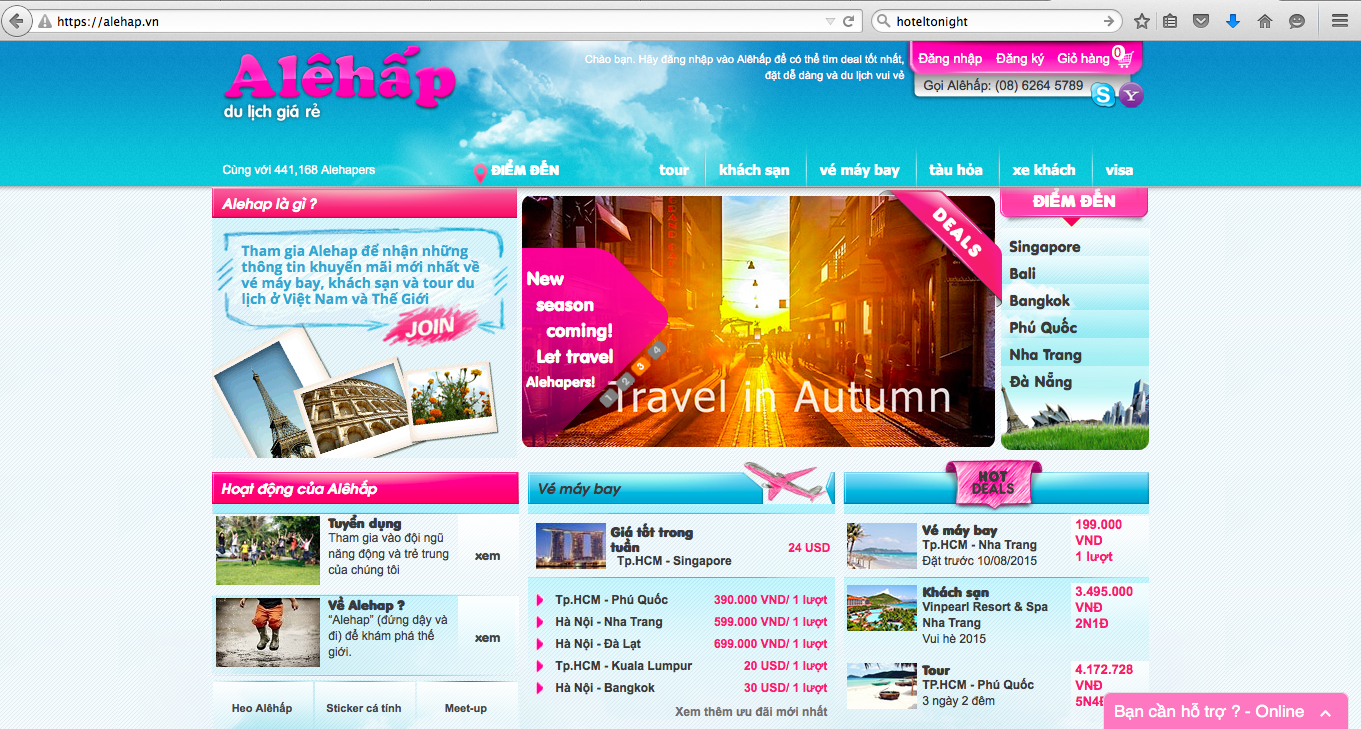 Q: Alehap is a social site – most investors believe social is hard to monetize. Is this true of Alehap? How have you been doing since start-up?
For the younger generations, social is their life! It’s part of their culture. They shop, discover, share, recommend on FB. The fashion shops I talked about don’t find it hard to monetise from social.
We started our brand in social and have got to 450k real fans, servicing them publicly, making flash sales, feeding them inspiring ideas. It’s not just an advertising platform, it’s a strong media platform, it influences and it’s the place our OTA lives and breathes, I can’t imagine a better way to build trust day by day. Social for sure will be a hard place to monetise if we engage our customers with ads only.
Q: How do you acquire traffic and customers?
Prefer not to reveal our secret sauce.
Q: What are your plans for expansion?
So far Alehap has been built by hand with love. No outside investors. Two years back I started discussions but felt it was too early for us and the market. Now I’m working on building the most awesome team possible and investment to do all the things we haven’t solved yet. We’re growing fast but leaving too much on the table.