
Last night, I caught a private screening of CODE: Debugging The Gender Code, at The Projector, a cool new movie space booked by Expedia to mark a week of activities around International Women’s Day. It was hosted by Britta Wilson, vice president global diversity and inclusion.
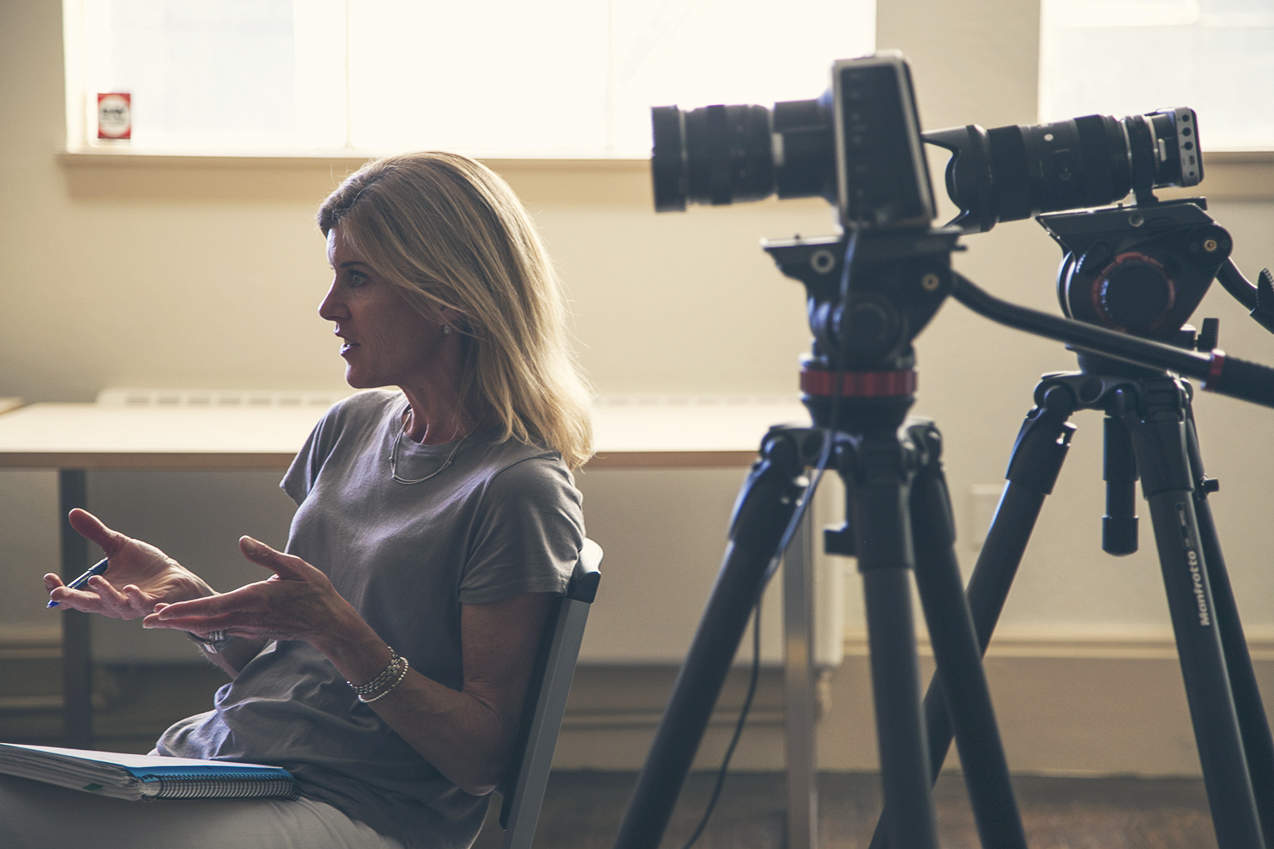
Robin Hauser Jones examining the under-representation of women in IT in the US
The documentary, made by Robin Hauser Reynolds, which addresses the alarming under-representation of women engineers in America’s top tech companies tries to answer the question why, why it’s an important problem to solve and what can be done about it.
In between munches of popcorn, I took mental notes and here’s what I took away from the movie.
- Non-diversity is not only stupid, it can kill
One point that resonated with me was that when air bags were first invented, they killed more women and children than they did men “because they were designed for the average male”.
Because the design team who made them were all men, they made it for their specifications. The movie argues, what happens then with new technology such as voice recognition, virtual reality and artificial intelligence if the people who make them only see through one set of lenses?
For me, diversity is not only about gender, but colour, race and, most importantly, perspectives. Let’s face it, we need a good representation of humanity to solve the world problems.
In my experience, the best teams are diverse and while I am not a big stickler for rules, this is a golden rule for me – think diverse when you hire and act diverse when you strategise and execute. If you have a team of people who think the same way, you end up with vanilla pudding every time or worse, you end up killing people.
- Wrap a problem in numbers if you want it noticed
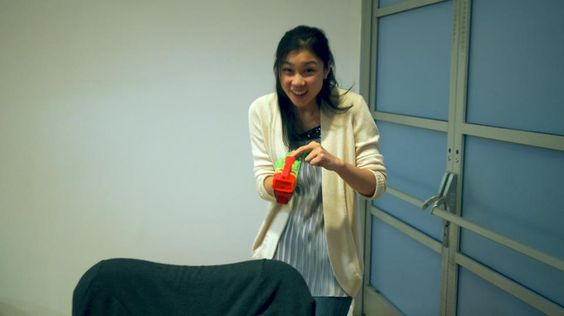
Tracy Chou and one of her pins on Pinterest
Tracy Chou, software engineer at Pinterest, became the poster child of the diversity revolution when she personally undertook research to find out the percentage of female engineers in top tech companies in the US.
Her numbers here raised alarm.
I found myself wondering if this problem is as acute in Asia, say in China or India where the big tech industries are. This article seems to suggest not with Dr Lee Ng, head of LumenLab’s Innovation Management Office, saying, “The one place with the best gender representation is actually China! There are a lot more women in tech, as well as in leadership position … When compared with Korea and Japan, Southeast Asian [country such as] Singapore is actually much better as there are more women in the workforce.”
But what are the real numbers? It’d be interesting to undertake similar research that Tracy Chou did. And perhaps we in travel could dig deeper ourselves – what percentage of the IT teams in the region’s top online travel companies are women? Okay, next project to work on.
The key though is real substantial change can only come when there are more women in leadership roles, whether in tech or non-tech.
- Fight those “unconscious biases” within ourselves

Lee Pui Kwan with her engineering team at Expedia Singapore
Lee Pui Kwan, the only female engineer in the Expedia team in Singapore, admitted to having “unconscious biases” herself when hiring for her team. She finds herself looking at more male resumes because it’s such a male-dominated field and thinking men are better in this field. She also feels very uncomfortable attending tech conferences because there are so few women.
I’ve been to many start-up offices and I can empathise with her. They feel like “man caves”, they invariably have pool tables and in one company, the general manager boasted to me that they’ve created a “mini-man cave” within the office for coders to solve problems. “We just lock them up, give them beer and leave them alone.” I am not sure how appealing that image is for women.
All of us have “unconscious biases” – they are programmed very early on in our lives, either from popular culture or real life. There’s one part in the movie about a comic strip in which Barbie decides to become a computer engineer. A bug infects her computer and who does she call in to help? The boys …
The important thing is to catch ourselves doing it and addressing it immediately – better yet, have team members who will actually point it out to you.
- Everyone can code, it’s fun, it can be art, not rocket science
I think the biggest myth it shattered for me was that you needed to be a rocket scientist to code. The women coders interviewed talked about how easy and how fun it was, and not only that, how empowering it can be. You code and you create a zillion careers and “the further we get into the future, the more code will be important”.

Merida and the code and art behind her hair
Danielle Feinberg of Pixar Animation Studios showed how fun coding can be and how she used code to create art. In the animated movie Brave, Merida is known for her shocking mane of red hair. Feinberg talked about how code was used to ensure her hair moved with her every movement. She’s always loved art and now coding allows her to create amazing art.
So if I were a parent of young kids today, I’d tell them to learn to code. And here’s how you can start them young – check out Kodable whose co-founders started it because they wanted coding to be accessible to kids.
As someone said in the movie, we cannot wait for another generation for change to happen. We have to do what we can now.
Watch trailer here