
“I HEARD some Singaporeans on the hill yesterday. I can’t tell you how happy I was.” “We had our first visitors from Singapore last weekend, they asked if we had durians.” “We are getting bookings from Singapore, we are so thrilled.” “The floodgates are opening, a bit overwhelming.”
To be in the island state of Penang on the cusp of the great reopening of Malaysia on April 1 is quite an experience to behold. You can sense the tentativeness amid the excitement.
For most of two years, this destination, which pioneered international travel to Malaysia, has had to rely on domestic business – when inter-state travel was finally allowed, after a series of lockdowns – and it also went through its own pain with Covid deaths and infections among its population, and so there’s still residual anxiety about the virus.
So as much as tourism businesses are looking forward to welcoming back international travellers, especially those from Singapore, who will be the first to return by road as well as by air, you can sense some caution – what will travel look like when it returns, can we handle it – the great talent crunch is acute on the island – and do we even want it the way it was pre-pandemic?
Some hard questions are being asked by the independent businesses which gathered for the WiT Indie reunion last week in Penang. Do we even want to be in tourism anymore? If so, what kind of tourism do we want?

WiT Indie gathering at Hin Bus Depot – representing the creative and independent tourism businesses of Penang
Katherine Chua of Tropical Spice Garden, a 19-year-old attraction which took to asking its customers for a subscription fee to survive the pandemic, said, “We are questioning ourselves, should we move away from tourism? We want to come back to a story, go backwards. In the past, we were forced to go with the tide because everyone was doing it. Perhaps we should consider slow tourism – but we are still figuring it out. We are cautious about reopening – how we respond to it is important – because there are livelihoods that depend on us.”
Penang Green Acres, a 16-acre orchard offering homestays including its much-reviewed tree top house, found lucrative revenues in farming and fruit delivery. “We delivered fruits to the East Coast, previously we wouldn’t have done it. We found many consumers interested in organic produce,” said Kim Chong. “This business is easier than having guests at the farm – guests need looking after, and have demands.”
As such, it is asking itself if it should just focus on farming rather than tourism although Kim’s husband Eric Koh believes with tourism, he can spread the message of nature and the origin of food. “We want to do story telling with experiences,” he said.
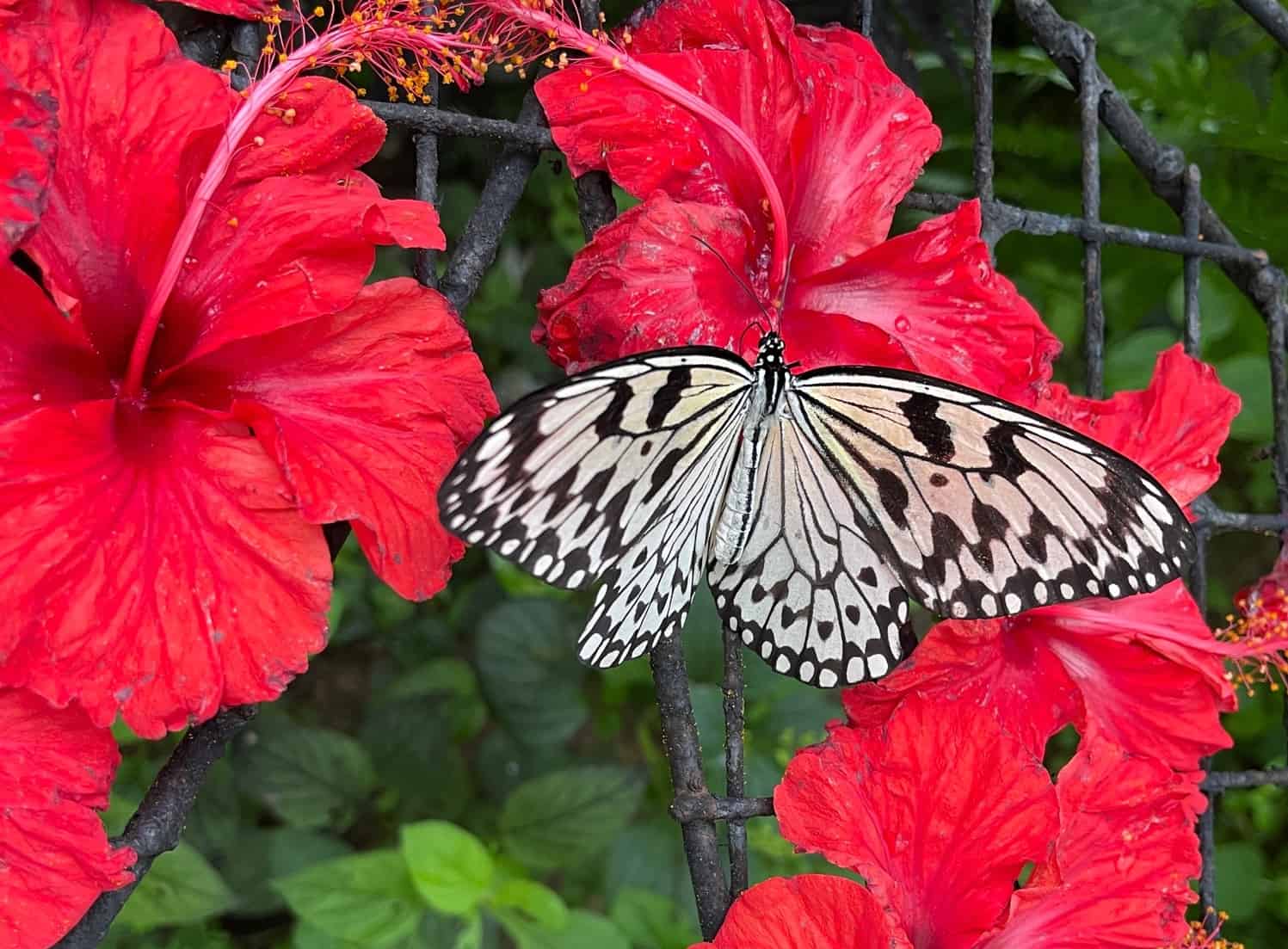
Butterflies are the draw at Entopia but it’s more than a butterfly farm, it’s a nature learning experience.
Joseph Goh, CEO of Entopia, an insect and butterfly farm-turned-learning experience, called the reopening “exciting but terrifying”.
“We’ve always been an attraction for nature lovers but during the pandemic, we focused on the scientific elements of the farm, doing research and studies on insects and butterflies. We are reviewing what we do – should we move away from tourism? We are a farm, could we become a sustainable food source? Can insects be a food source? This is an opportunity to review what we do.”
Visiting Entopia myself, I can appreciate its scientific and educational aspects – I’ve never seen nor learnt so much about so many creepy crawlies in one concentrated space – but most visitors still just want to have butterflies land on their hands and take photos of the insects and butterflies. And it being a Sunday, the attraction was pretty busy with mainly domestic guests for now, but it is preparing for the return of shorthaul visitors.
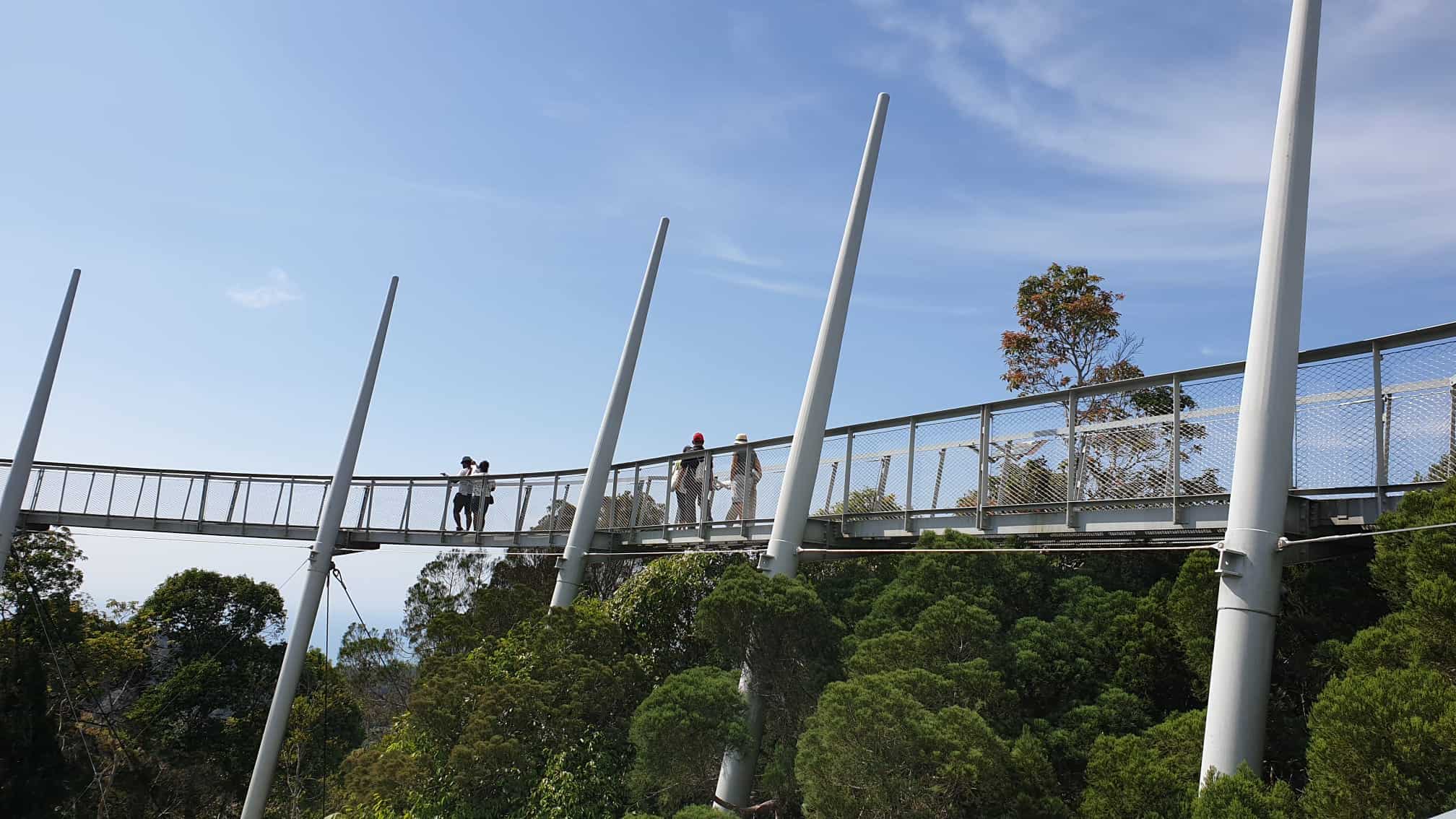
The Habitat Penang Hill – walking the Curtis Crest for the most breathtaking views of the island
The Habitat Penang Hill, which was bestowed UNESCO Biosphere Reserve Status last September, sees the recognition as being a catalyst for Penang to become a biodiversity science centre. It needs the park to generate revenues from tourism so as to fund The Habitat Foundation, which supports biodiversity conservation through Research, Conservation, and Sustainable Tourism. It also sees tourism as being the messenger of nature conservation to the wider public and there’s nothing better than a visit to the hill reserve to appreciate the beauty and wonders of nature.
Away from the island’s nature attractions, heritage and boutique hotels had their own learnings through the pandemic. In general, Malaysians do not tend to stay in heritage hotels – either for fear of ghosts or due to the fact that they were “only for foreigners” – but during the pandemic, properties such as Cheong Fatt Tze Mansion and Campbell House found new customers, especially among the Malay population travelling in from other states. It opened up a whole new market segment and taught these hoteliers how to cater to a different customer set. “This has been a positive experience for everyone,” said Nardya Wray of Campbell House, “and it is a customer segment we intend to cultivate.”
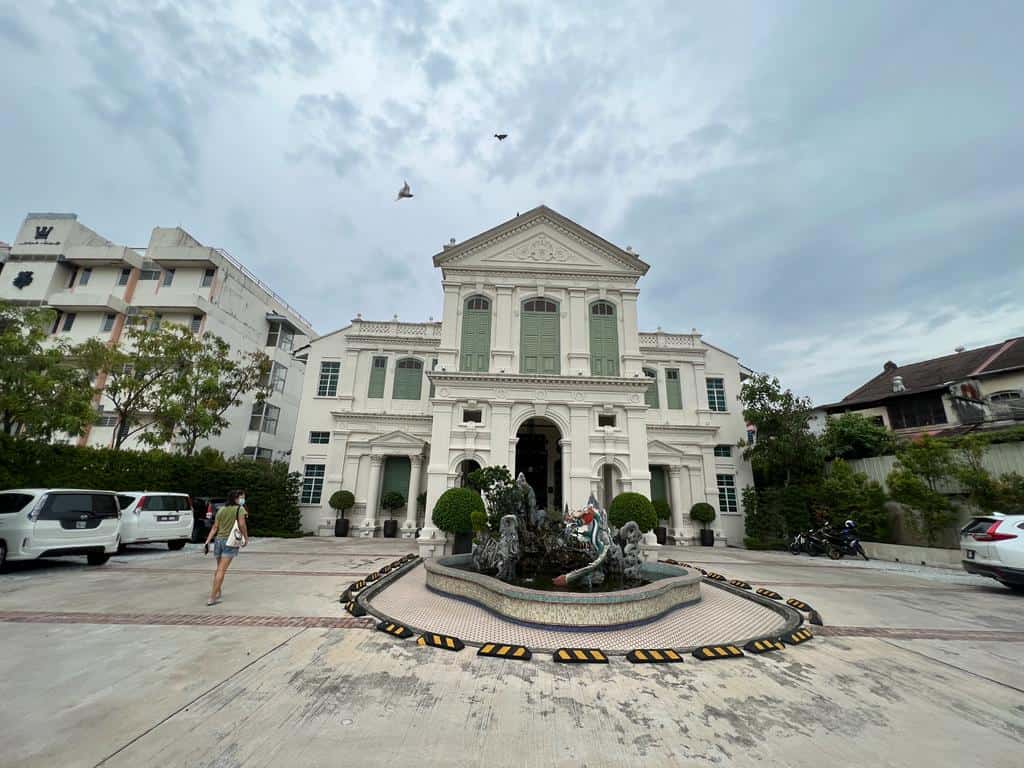
The Edison George Town – went from “no food” to a Seafood & Oyster Bar.
When The Edison George Town opened, it was with a very clear mission that it wouldn’t have food & beverage. “We felt that with so much good food around us, we didn’t need to serve food,” said executive director Rina Teoh, “and we could focus on the stay experience.”
During the pandemic, it learnt that it couldn’t depend on rooms only. “For the local market, location is important, so is food and entertainment. So we looked at what Penang was missing and we opened a Seafood and Oyster bar,” she said. It’s become one of the most popular bars in town for fresh oysters and seafood.
Shen Loh-Lim, executive director of Cheong Fatt Tze Hotel and Blue Mansion group, believes that travellers will seek human interaction when they return. “Millennials in particular are seeking the personally curated experiences. We are observing how experiences play out and asking ourselves, could we do it better?”
Tours have always been a big part of the Cheong Fatt Tze offering but the hotel is taking the opportunity to review how it does these so that it doesn’t compromise the stay experience of foreign guests, when they return.
Tan Shih Toe, founder of Hin Bus Depot, said the art and events space was never made for tourism but somehow found itself becoming a magnet for tourists looking for a place to hang out and to be immersed in art and culture. “Our aim is to create a platform for artists and small businesses, and that was appealing to travellers,” he said. “When they return, we hope they will find a familiar haven in our space.”
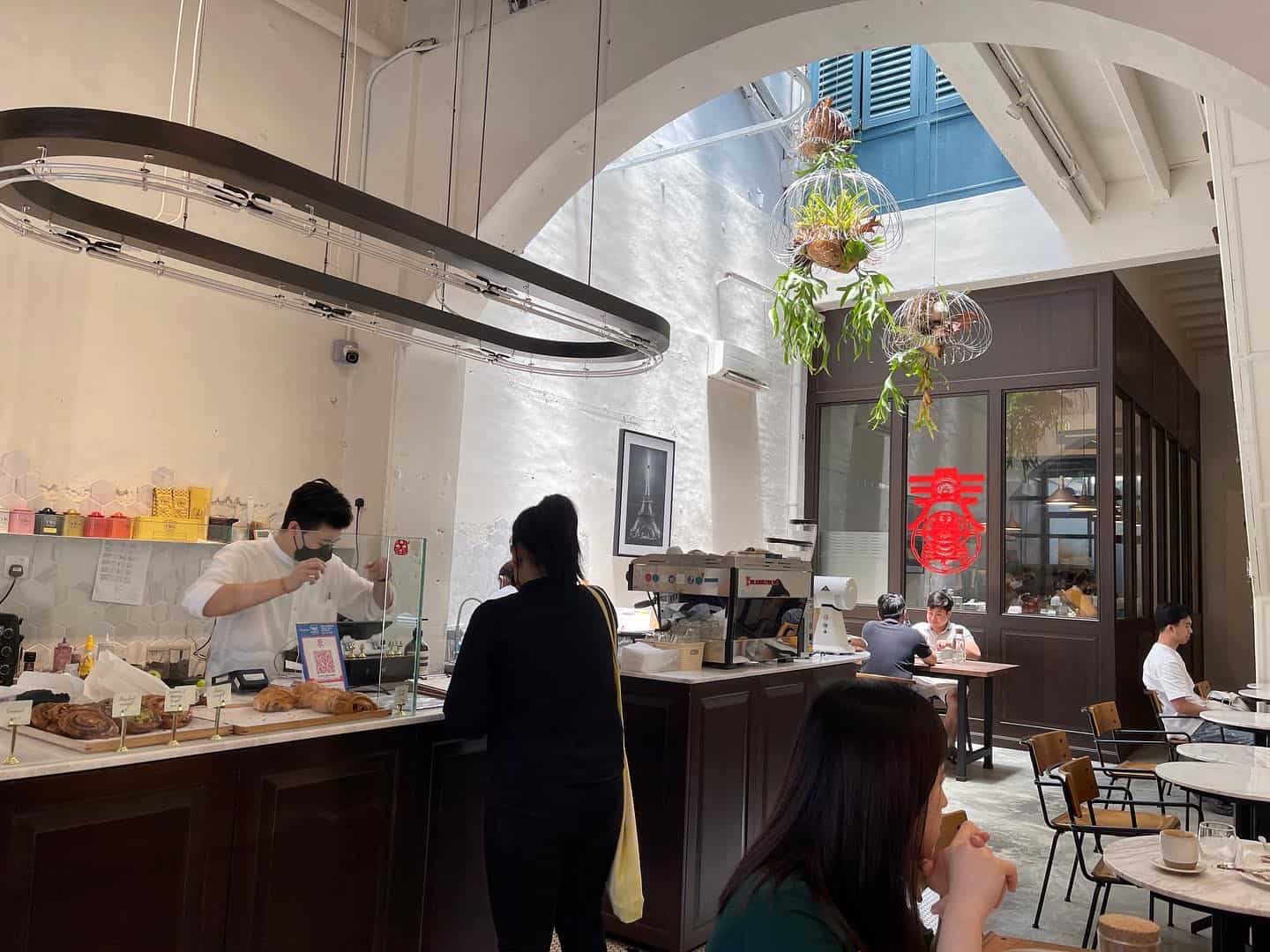
Le Petit Four, one of the many cafes that have opened up in Penang. “Everyone is opening a cafe or doing delivery.”
The biggest challenge though is the talent crunch – a common problem facing travel and tourism businesses worldwide. Call it a generational divide or a pandemic-induced phenomenon but young Penangites are turning away from working in tourism and instead “everyone is opening a café or doing delivery”, said Francois Sigrist, general manager of Lone Pine Hotel.
“None of the kids want to work in tourism and hospitality, it’s like their last choice,” he said.
So it is clear that much as the industry wants overseas travellers to return, they too need youths to return to a sector that’s been battered and looking to rebuild. Just like these indie tourism businesses, youths are also asking hard questions of themselves, do I want to work for myself or for someone else? How can I have a more balanced life? These are questions travel businesses will have to answer if they are to attract the next generation of talent.