Generative AI has put the Metaverse in the backseat this year, with 97% of airlines planning to adopt and develop the technology.
SITA’s latest “Meet the Megatrends” report delves into the evolving technological landscape within the travel and transport space, shedding light on the forces shaping the industry’s trajectory over the next decade.
For context, with approximately 2,500 customers, SITA’s solutions power over 1,000 airports and connect customers of 17,000 aircraft globally.
The year 2023 witnessed the meteoric rise of Generative AI, swiftly ascending to the top of priorities for airports and airlines. SITA’s report reveals that an impressive 97% of airlines are actively planning programs to harness the potential of this technology, overshadowing the previously hyped Metaverse from the previous year.
Collaborating with innovation partners, 86% of airlines are spearheading advancements in AI, machine learning, and computer vision. With 39% already implementing these technologies and another 47% slated to do so by the end of 2026, the aviation industry is currently in a transformative state.
Only 3% of airlines stated having no plans to invest in AI technologies. Looking at airports, 16% of airports already use AI and ML for improved decision-making, with another 51% confirming plans to implement such solutions by the end of 2026.
Patrik Svensson Gillstedt, Senior Vice President, Strategy and Growth Enablement at SITA, emphasises that “It’s an exciting time for travel with new technologies transforming our industry at rates previously unseen. While AI is a key example of this, it’s encouraging to see other innovations like UAM, Digital Travel, and intermodal travel also gathering pace.”

Urban air mobility reaches new heights
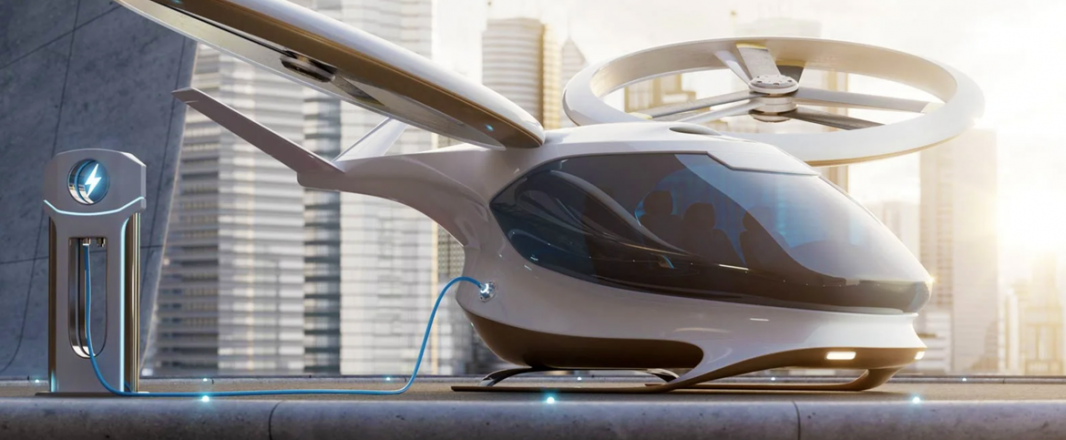
Simultaneously, Urban Air Mobility (UAM) has captured the attention of airlines and airports alike. The first UAM flights are scheduled for takeoff in 2024, propelling investments across stakeholders (OEM, infrastructure, and systems) from $5 billion in 2022 to a projected $28 billion by 2030.
As demand for short-range routes grows and technological advancements in batteries and electric propulsion systems continue, the UAM sector is set for impressive growth. In a potential glimpse of the future, an electric air taxi service in Paris could become a reality during the 2024 Olympic Games.

Digital travel and biometric evolution
Another ongoing megatrend is digital travel, which has seen significant developments with the emergence of digital identities. According to SITA’s 2023 Air Transport IT Insights, 82% of airlines are anticipated to utilise biometric-enabled digital identity technologies for aircraft boarding by the end of 2026. Additionally, 67% are embracing touchless technologies, and 50% are adopting single-token solutions.
According to SITA’s data, younger travelers demand a more integrated digital journey, and the industry will be forced to respond. They will accelerate the digital way of life and popularize fringe technologies by 2027. Many are frequent travelers who are ‘self-service first,’ and they embrace biometrics and digital passes to benefit from travel efficiency and convenience.
On the flipside, data points to consumers travelling longer into their old age and having more disposable income. SITA’s findings highlight that this will deepen the demographic of aging travellers who require more assistance throughout the journey. Bespoke technological solutions and bolstered staff resources at airports will be dedicated to supporting the aging traveller by 2030. A subsection of technology innovation will emerge designed to address the needs of the senior traveller specifically.
You can read the full report here.
Image credit: SITA